

8 Nostalgic Spots You Can Still Visit On Route 66





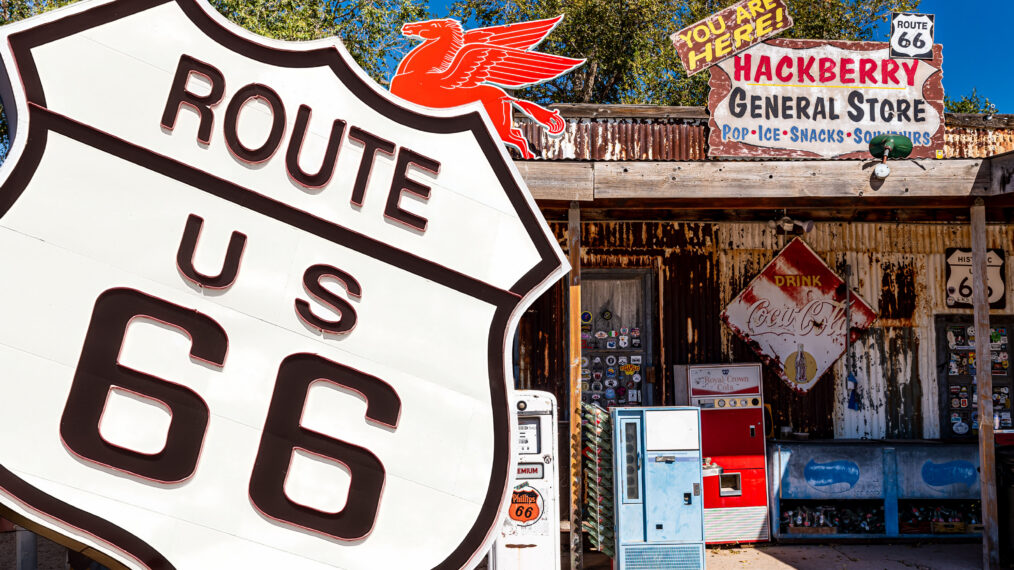
Route 66 turns 100 in 2026, marking a full century since the “Mother Road” was established in 1926 as part of America’s first federal highway system. With its starting point in Chicago, Illinois, and its endpoint on the Santa Monica Pier in California, it runs through eight states, including Missouri, Oklahoma, Texas, New Mexico, and Arizona, while covering over 2,451 miles.
While many points along the great road are long gone as new highways have taken over this historic route, you may think of Route 66 as retro, but many stops still exist to give you that nostalgic feeling of road trips past. Here are a few, including motels, roadside stops, and diners that you may want to visit during your next trip down Route 66.
1 Oatman, Arizona
Adobe Stock

Credit: Karen Ruud, ReMIND Staff
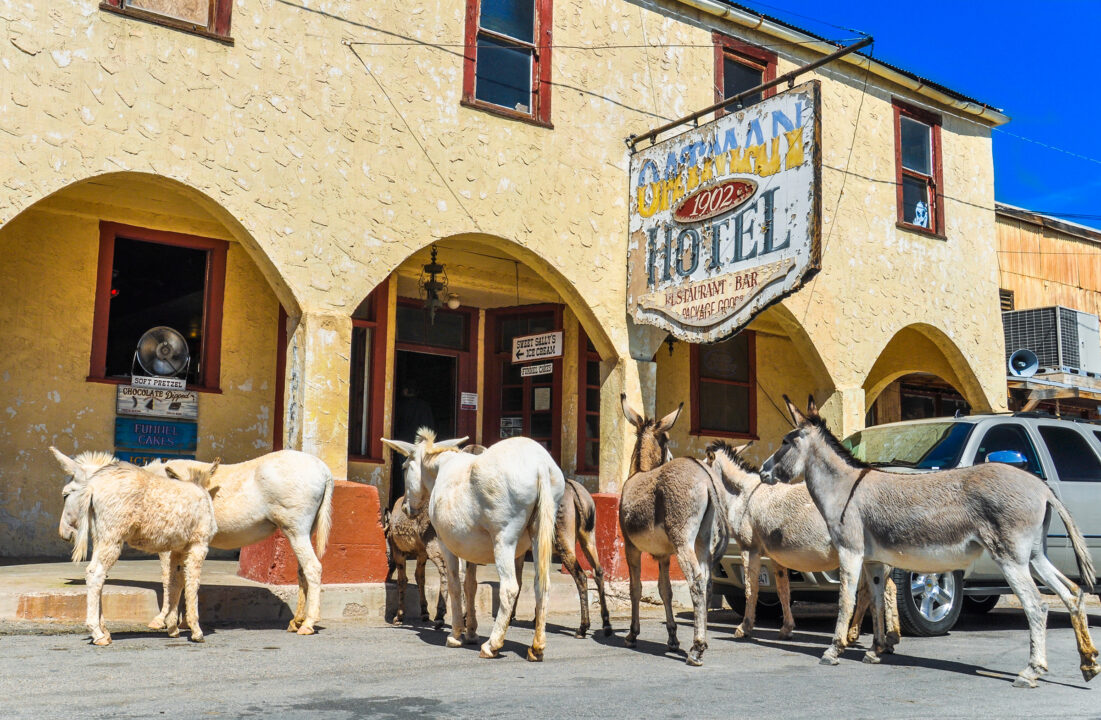
Oatman was founded as a gold mining town in 1915 and declined after World War II, but it remained on Route 66 until the highway was rerouted in the 1950s. The town is known for its wild burros, descendants of pack animals used by miners, roaming around town. Its main street still follows the original Route 66 alignment through the Black Mountains. Several early 20th-century buildings remain, and the town continues to operate as a tourist destination with daily staged gunfight performances. One popular stop is the Oatman Hotel, which boasts a restaurant and museum alleging that Clark Gable & Carole Lombard stayed here on their honeymoon.
2 Kingman, Arizona
Adobe Stock
Credit: Karen Ruud, ReMIND Staff
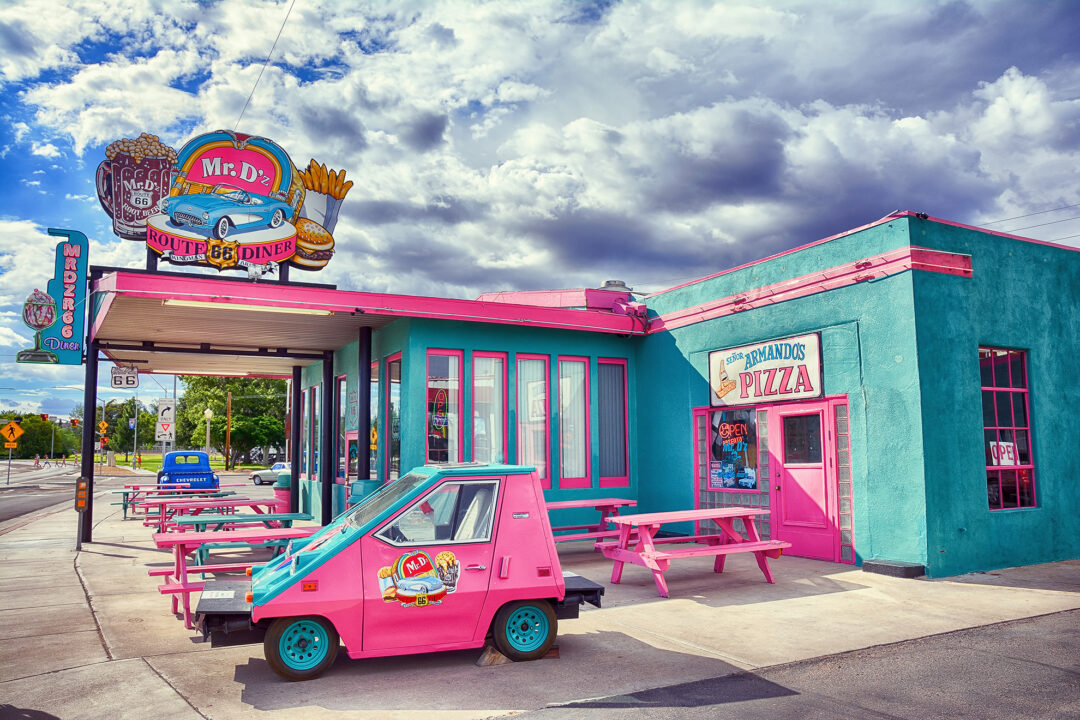
Kingman was an established railroad town before Route 66 passed through it in 1926, and it became a key service stop for motorists traveling across northern Arizona. The town contains preserved stretches of the original highway, including nearby segments like the Oatman Highway.
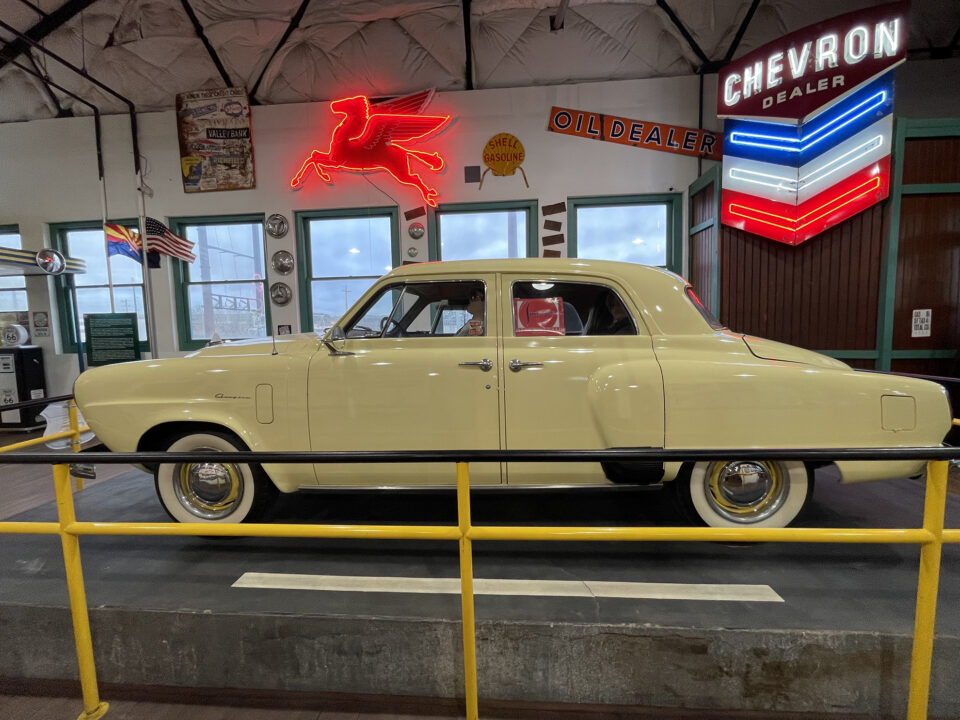
It is home to the Arizona Route 66 Museum, located in the historic Powerhouse building from 1907, and the famous Mr. Dz diner. Kingman remains one of the primary access points for some of the longest intact portions of Route 66 in the state.
3 Hackberry General Store, Arizona
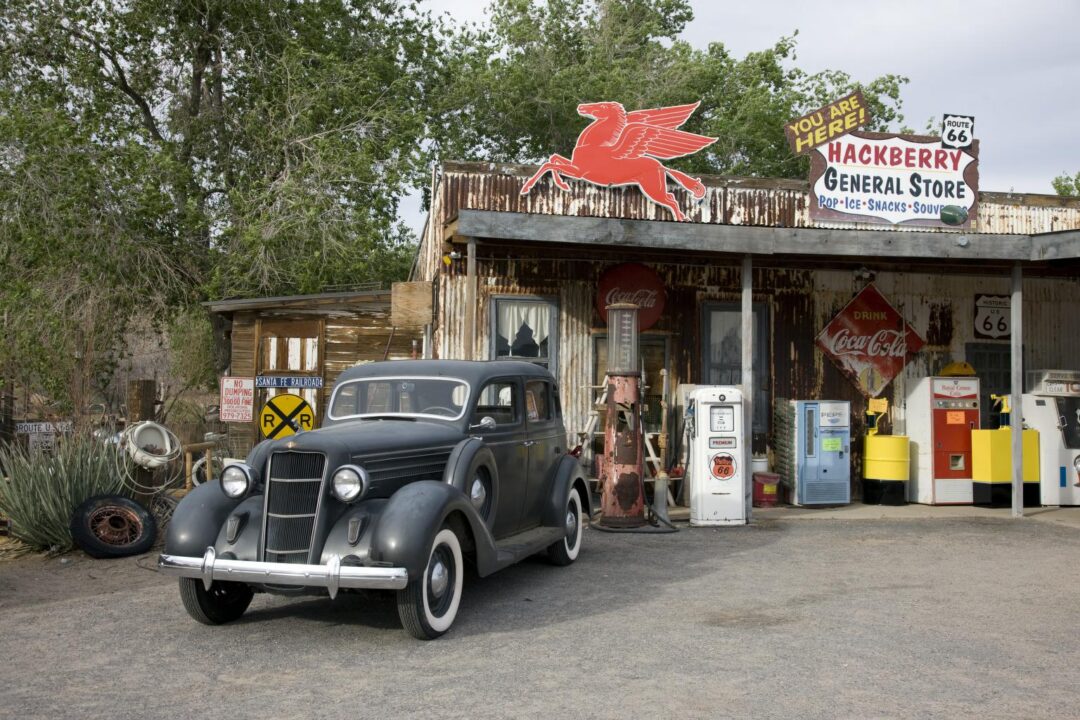
Carol M. Highsmith’s America, Library of Congress
The Hackberry General Store was built in 1934 as a combination gas station and general store serving Route 66 travelers. After Interstate 40 diverted traffic, the business closed in 1978, then reopened in the 1990s as a Route 66 stop. The site still includes original fuel pumps and a 1950s-era Coca-Cola sign. It functions today as a gift shop and informal museum displaying Route 66 memorabilia.
4 Delgadillo’s Snow Cap Drive-In, Arizona
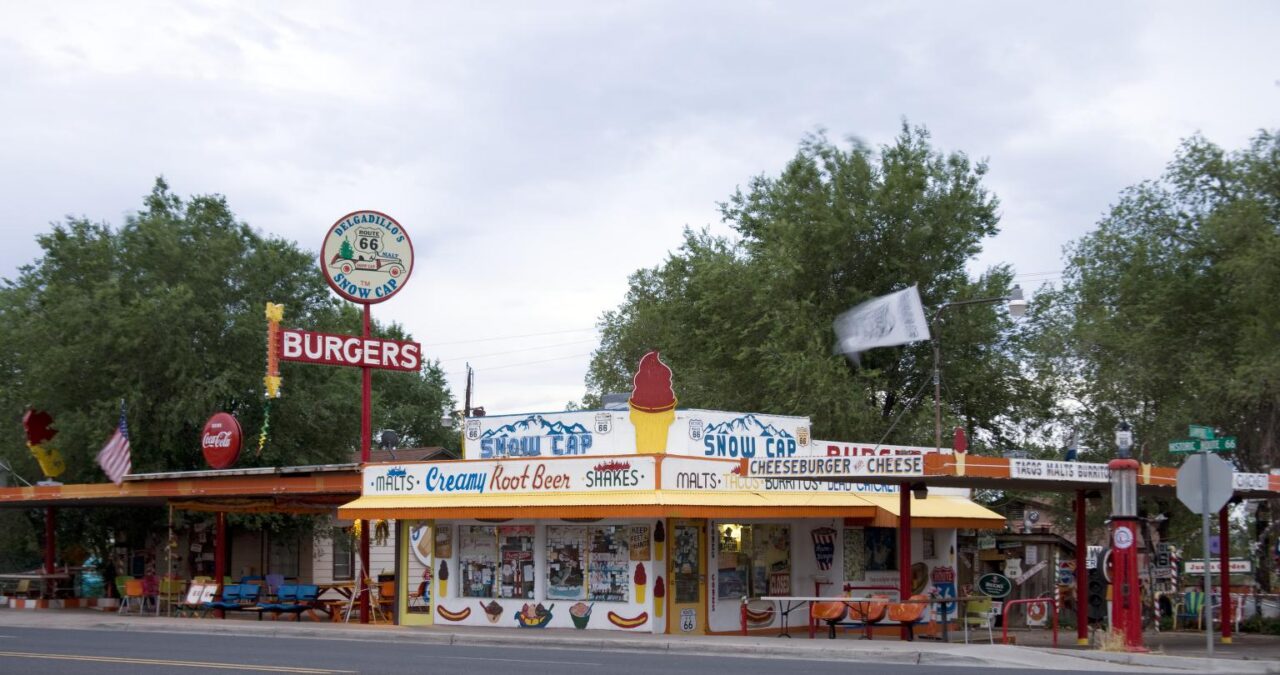
Carol M. Highsmith’s America, Library of Congress
Delgadillo’s Snow Cap Drive-In opened in 1953 in Seligman, Arizona, by Juan Delgadillo. The building was constructed using scrap materials, including lumber from abandoned buildings. Delgadillo became known for practical jokes and humorous signs, a tradition that continues under family ownership. The restaurant remains open and is recognized as one of the most well-known stops on the Arizona stretch of Route 66.
5 Blue Swallow Motel, New Mexico
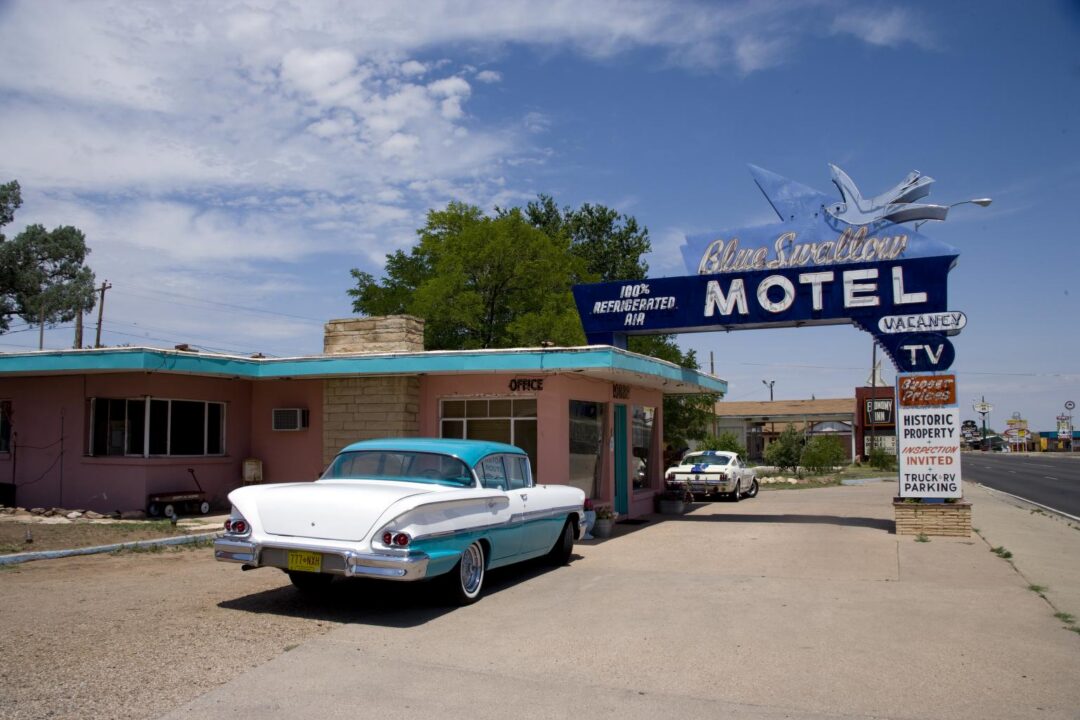
Carol M. Highsmith’s America, Library of Congress
The Blue Swallow Motel opened in 1939 in Tucumcari, New Mexico, and is one of the few Route 66 motels that has remained in continuous operation. It was designed as a motor court with individual garages attached to each unit, a common feature for travelers at the time. The motel retains its original neon sign and has been listed on the National Register of Historic Places. It continues to operate with restored mid-century furnishings.
6 MidPoint Cafe, Texas
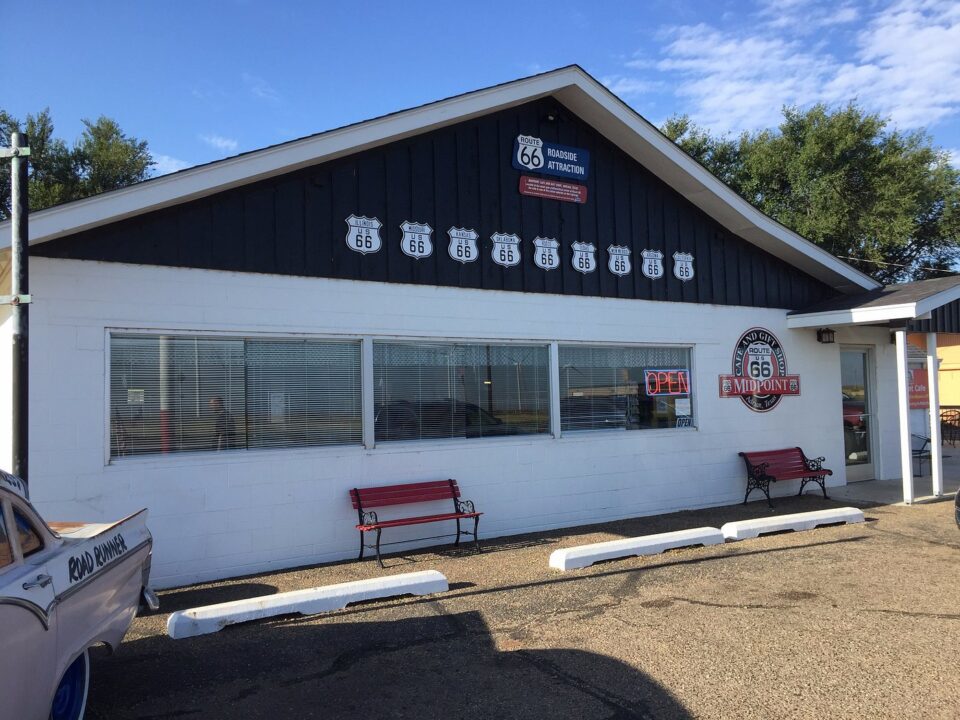
Travel Advisor
The MidPoint Cafe opened in 1928 in Adrian, Texas, along Route 66. It is located at the geographic midpoint of the highway, 1,139 miles from both Chicago and Los Angeles. The cafe operated continuously during the highway’s busiest decades and served travelers at all hours. It remains open today as a diner and souvenir stop marking the halfway point of Route 66.
7 Chain of Rocks Bridge, Illinois
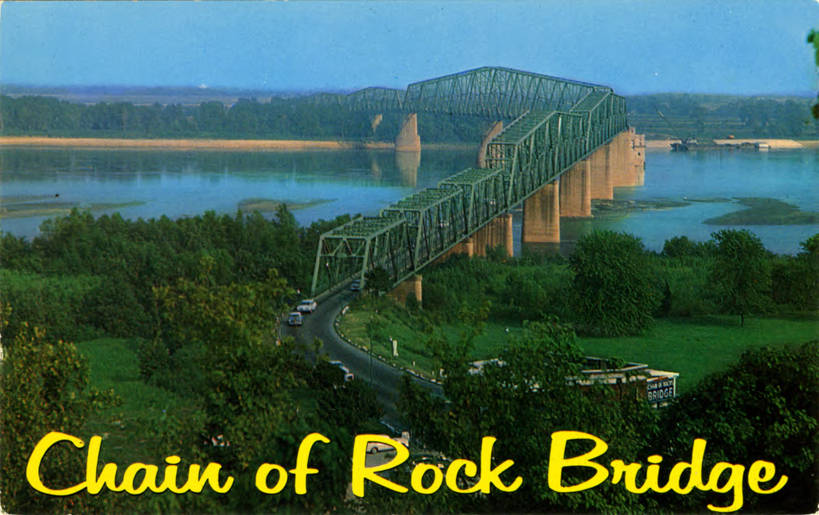
Public Domain/The Newberry Library
The Chain of Rocks Bridge was completed in 1929 to carry Route 66 traffic across the Mississippi River near St. Louis. It is notable for its 22-degree bend in the middle, which was required to accommodate the river’s navigation channel. The bridge carried vehicle traffic until 1970, after which it was closed to cars. It has since been restored and is now open to pedestrians and cyclists as part of a recreational trail.
8 Blue Whale of Catoosa, Oklahoma
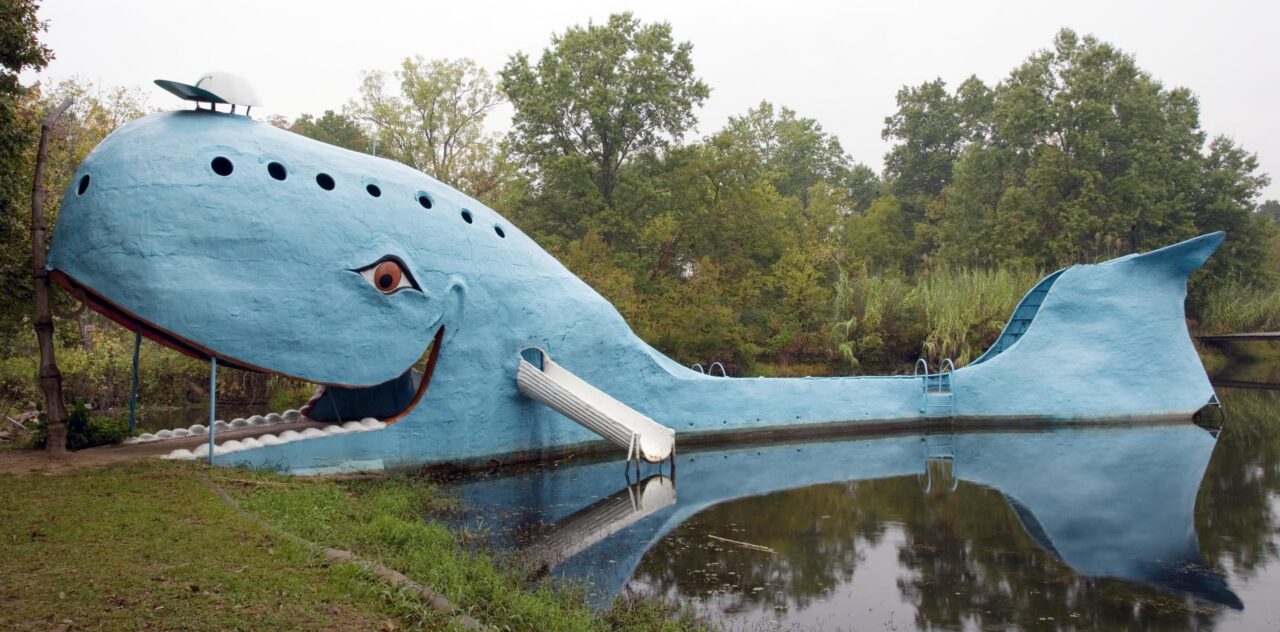
Carol M. Highsmith’s America, Library of Congress
The Blue Whale of Catoosa was built in the early 1970s by Hugh Davis as a roadside attraction along Route 66. Originally part of a private recreation area that included a swimming pond, it became a popular photo stop for travelers. The structure fell into disrepair after traffic on Route 66 declined, but was later restored. It remains a recognizable landmark and is maintained as a public site.
 Remind
Stars & Cars
April 2018
Rev up your engines for an issue filled with the hottest cars in Hollywood
Buy This Issue