

7 Underrated Classic Movie Cowboys That Still Stand Tall





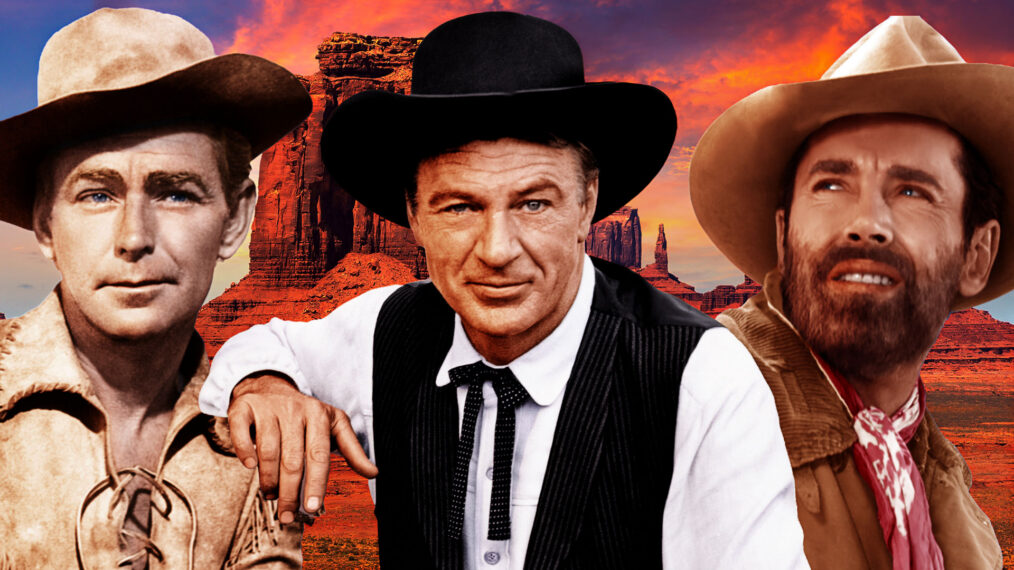
They’re rough and rugged, living by their own code on the edge of civilization. Fiercely independent and often reluctant to play the hero, they’re still the first to ride into danger when innocent lives are at stake. Whether they were wandering gunslingers, weary lawmen, or outcasts searching for redemption, these characters helped define the mythology of the American West.
Here is our celebration of the greatest unsung cowboy heroes from the golden age of movies, the overlooked legends in 10-gallon hats who stood tall when it mattered most.
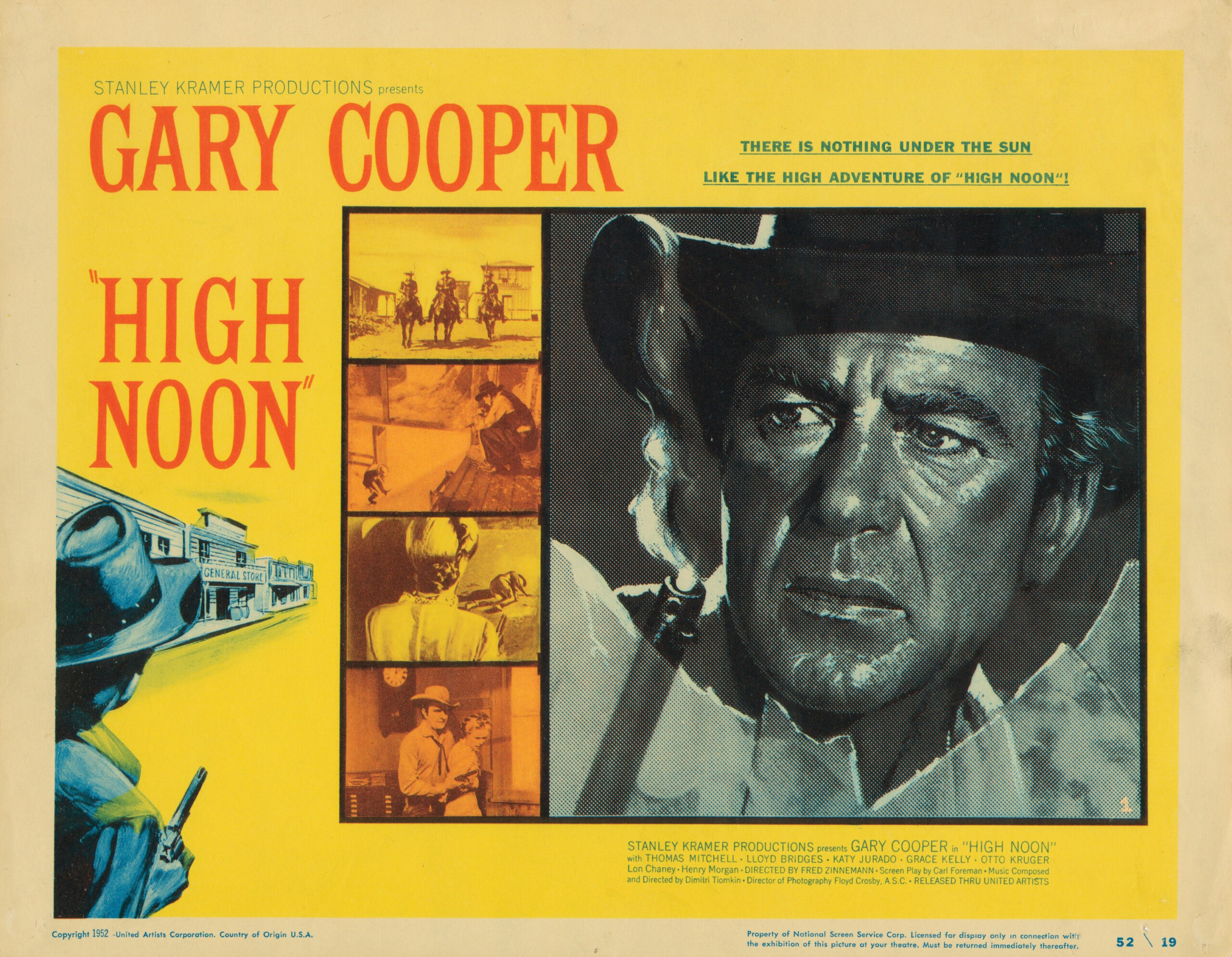
Gary Cooper as Will Kane in High Noon (1952)
Everett Collection
Why He Stands Tall: One man stands alone against a crew of four ruthless enemies…what chance does he have when his only weapons are a loaded gun and the courage of his convictions? Such is the classic dilemma of Hadleyville, New Mexico’s Marshal Will Kane in High Noon. The shot of Gary Cooper—tin star on his vest, standing in the town’s main street, looking at his pocket watch, while the rest of the citizens refuse to join him as deputies—remains iconic. Then there is his new young bride (Grace Kelly in her second-ever film role), a pacifist Quaker. She threatens to leave her husband before Frank Miller (fresh out of prison, with revenge on his mind) and his gang arrive the moment the sun hits its height. You can see the quiet resolve on Marshal Kane’s face, and that helped Cooper win his second Best Actor Oscar.
The Star at His Western Best: Cooper was a popular star in the genre. In the sprawling 1936 Cecil B. DeMille epic The Plainsman, he played a highly fictionalized version of Wild Bill Hickok. (Is there any other version of Wild Bill?) In The Westerner (1940), he was a drifter cowboy who beat hanging Judge Roy Bean (Walter Brennan in an Oscar-winning performance) at his own game. (He and Brennan made 10 films together in all.) And he played a gentle Quaker looking for some redemption in the 1957 Civil War drama Friendly Persuasion. The sense of authenticity that Cooper always brought to his films lent even greater weight to his performances in Westerns.
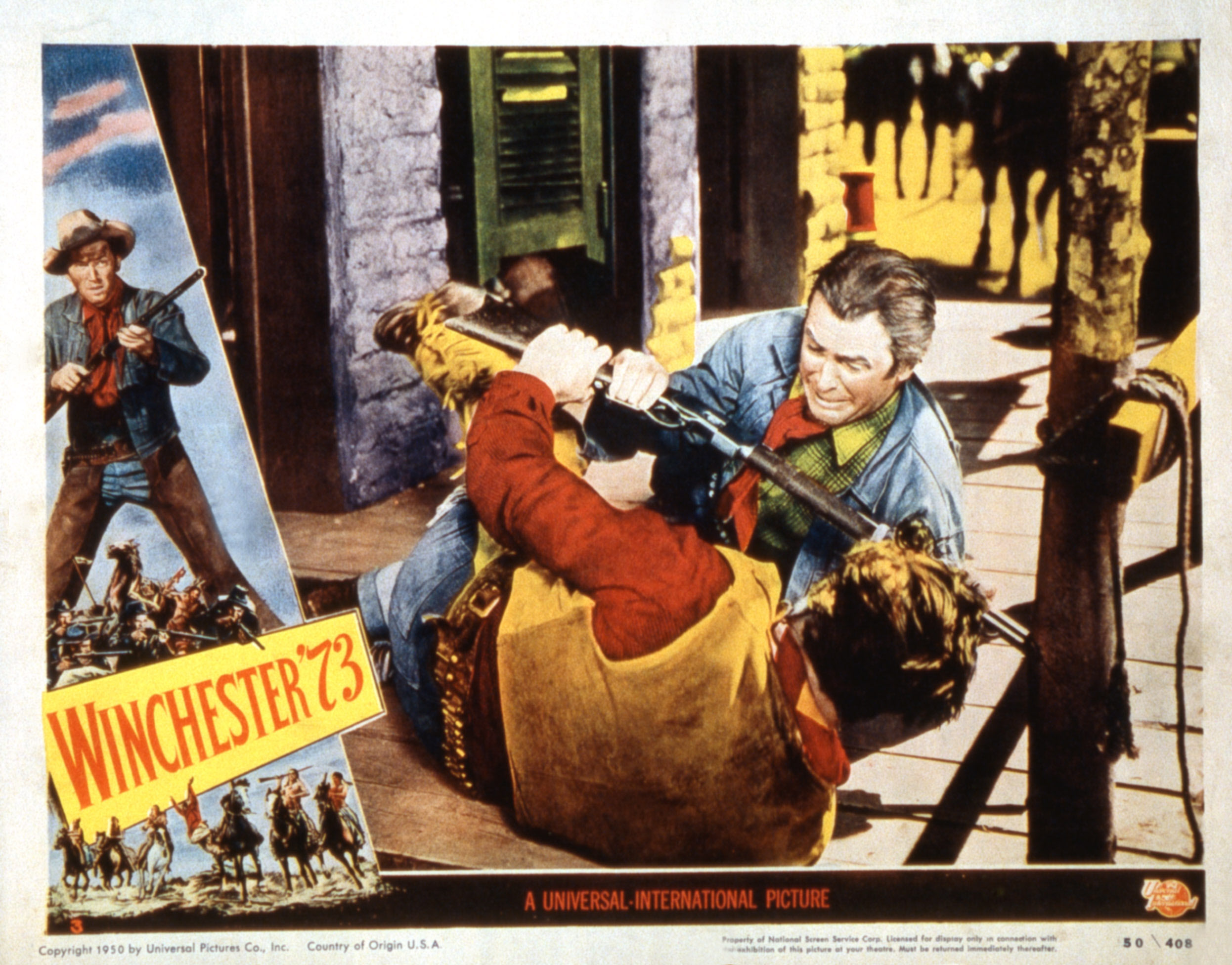
James Stewart as Lin McAdam in Winchester ’73 (1950)
Everett Collection
Why He Stands Tall: James Stewart made five Westerns with director Anthony Mann, playing tough, embittered, complicated figures in all, starting with this tense drama (costarring Shelley Winters, right, with Stewart). McAdam wins a gorgeous Winchester rifle fair and square in a shooting contest, but a familiar adversary, Dutch Henry Brown (Stephen McNally), beats him and steals it. Lin’s bitter quest to regain what’s his helped establish Stewart as a Western icon.
The Star at His Western Best: And a Western icon Stewart absolutely was (even down to riding his favorite horse, Pie, in 17 films). The beloved Hollywood everyman was famously unafraid to play more complicated characters in this genre. Among them: In 1952, Stewart and Mann made the psychological thriller Bend of the River, with the star as a man prepared to do anything to safely lead a wagon train away from danger. Things got even darker a year later with Stewart pushing the boundaries of what it means to get justice in 1953’s The Naked Spur. And all this long after he’d established his bona fides in 1939’s Destry Rides Again, as the son of a legendary sheriff now making his own name. As Stewart once said, “If a Western is a good Western, it gives you a sense of that world and some of the qualities those men had—their comradeship, loyalty and physical courage.”
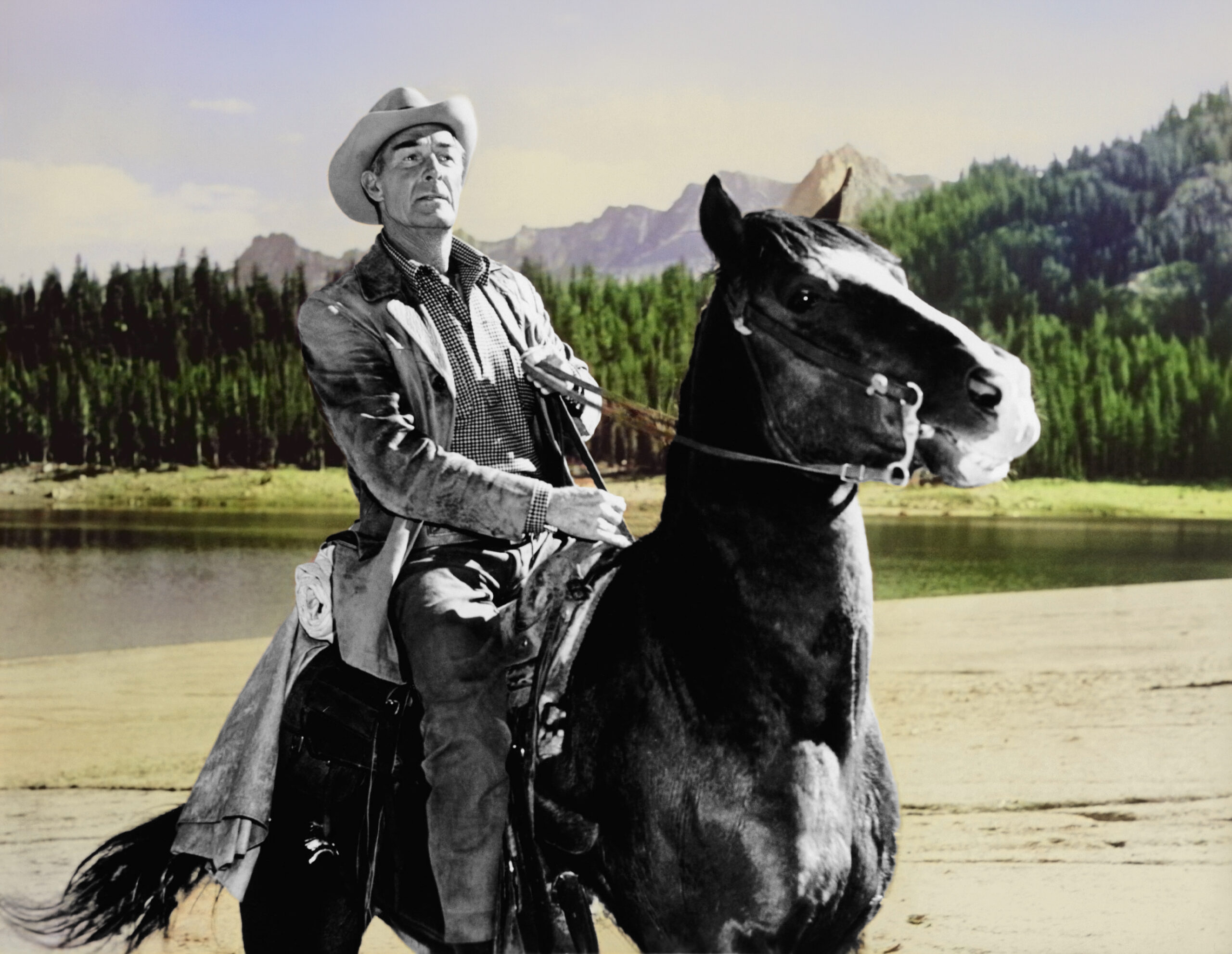
Randolph Scott as Gil Westrum in Ride the High Country (1962)
Everett Collection
Why He Stands Tall: There was never a Hollywood jaw more chiseled than Randolph Scott‘s. And from 1946 till this, his last film, in 1962, all but two of his movies were Westerns, usually with him playing a fearless man with firearms. Here, in Sam Peckinpah‘s classic, he teamed up with Joel McCrea as two past-their-prime gunmen with one last shot to either do the right thing or the wrong one—and get well paid for it.
The Star at His Western Best: The sand and sagebrush sets were familiar places for the man who famously got a shout-out as an icon in the Mel Brooks favorite, Blazing Saddles. Like the best movie stars whose images evolve, he played roles that relied on his easygoing charm in the early part of his career, rode tall in the saddle as a fearless lawman in the middle, and ended his Hollywood journey as a grizzled symbol of the Old West. To wit: His start game in the 1932 rancher vs. outlaw drama Heritage of the West (based on a Zane Grey tale). Abilene Town made him a true genre star in 1946. In 1956, he starred in 7 Men From Now, the first of seven famed collaborations with director Budd Boetticher, playing a haunted ex-sheriff who blames himself for his wife’s death and hunts the men who did it. It was a role John Wayne suggested he was meant to play.
Henry Fonda as Wyatt Earp in My Darling Clementine (1946)
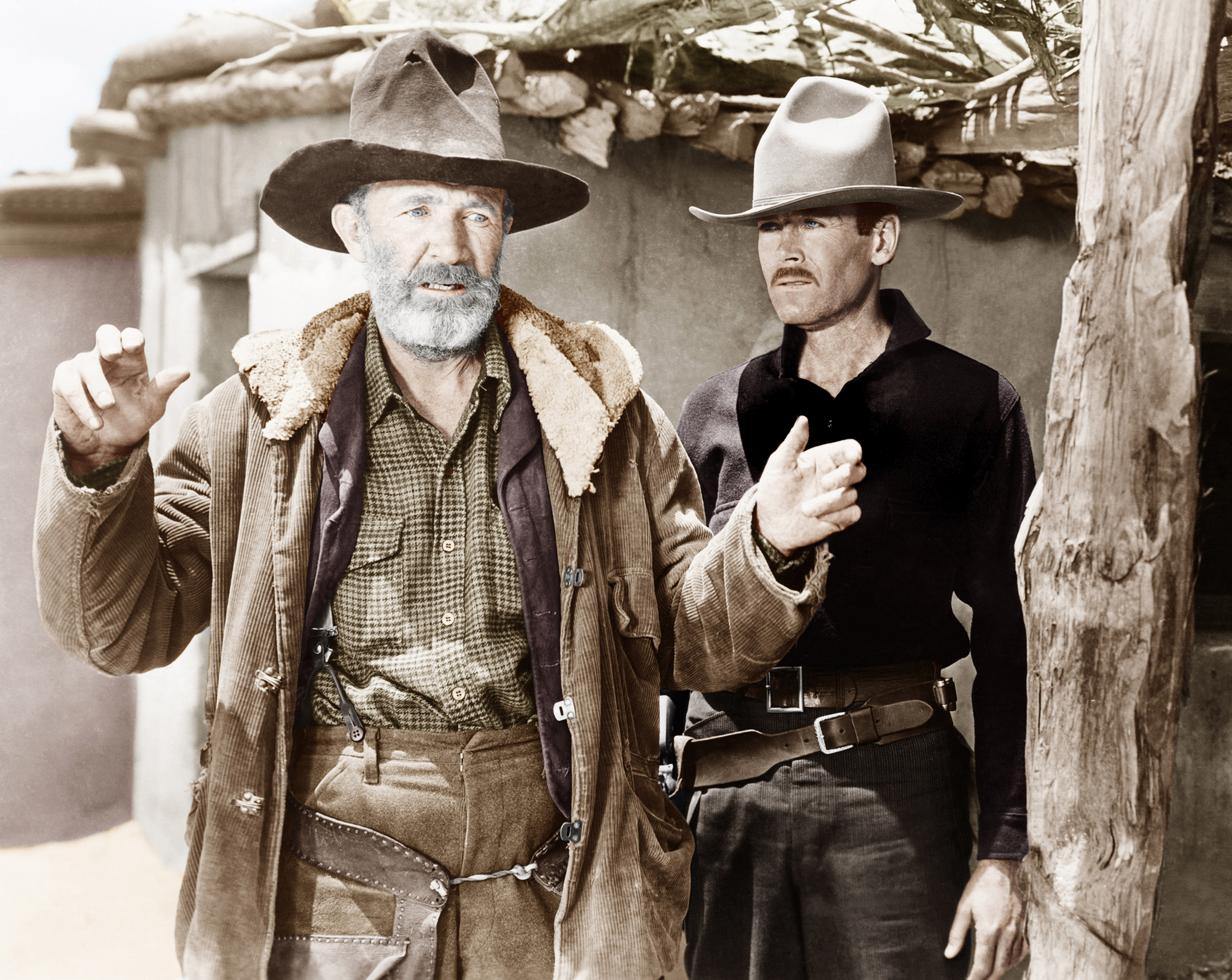
20th Century Fox-Film Corporation/courtesy Everett Collection
Why He Stands Tall: There have been plenty of great Wyatt Earps in the movies, but in this John Ford telling of the Gunfight at the O.K. Corral, Henry Fonda gives the role the perfect balance between stoicism, anger, determination and that stiff and steady gait a Western legend needs when he’s walking into danger. Also, he has the perfect foils in Victor Mature‘s Doc Holliday and Walter Brennan’s sinister Old Man Clanton (inset, with Fonda).
The Star at His Western Best: Fonda wore the cloak of sincerity throughout his career, which worked especially well in Westerns. Among his star-making turns are two early John Ford classics—the title role in the 1939 biopic Young Mr. Lincoln and his iconic turn as Tom Joad in 1940’s The Grapes of Wrath. You can see him turning in fine genre performances in, among others, 1939’s Jesse James, playing the outlaw’s brother Frank opposite Tyrone Power. What the movie loses in accuracy, it makes up for in power. And in 1943’s The Ox-Bow Incident, Fonda fronted a tale of mob mentality, injustice and remorse.
Alan Ladd in Shane (1953)
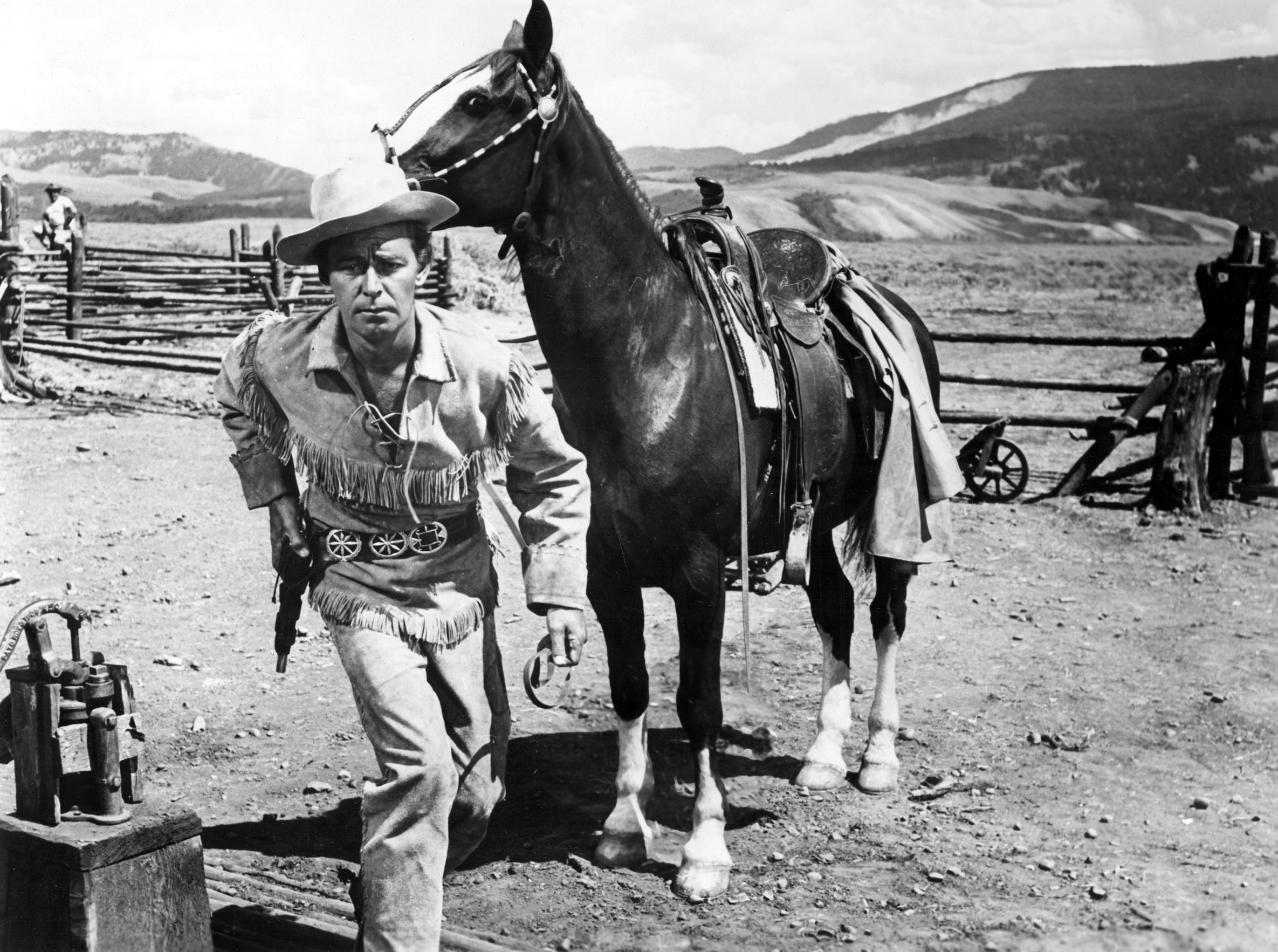
Everett Collection
Why He Stands Tall: Alan Ladd may have only been five-feet-six-inches tall, but he lent power and authority to the stranger who emerges from the grandeur of the mountains and helps a homesteader (Van Heflin) and his wife (Jean Arthur, below left, with Ladd and Heflin) battle a cattle baron hoping to force them off their land. Shane is a sure shot (in real life, Ladd hated guns) who, after dispatching an evil trio in the final shoot-out, rides off, injured, his buckskin jacket and frills fading, as young Brandon De Wilde, playing the homesteader’s son, shouts, “Shane! Come back!” We still get chills.
The Star at His Western Best: Ladd had a quiet power, perhaps best seen in his breakout role in the 1942 noir classic This Gun for Hire. He proved that quiet power, literally, in what may be his most memorable Western other than Shane, playing the title character in 1948’s Whispering Smith. Smith is a railroad detective looking to track down the last member of a thieving gang. Things get complicated when he discovers his best friend and romantic rival (Robert Preston) may be involved. Ladd’s Western résumé also included a winning turn in 1950’s Branded. He played Choya, a drifter convinced to impersonate the long-kidnapped son of a wealthy rancher, with the intent of ultimately splitting his inherited fortune. But Choya begins to care about the family and, double-crossing the bad guys, looks for the lost son.
James Garner as Jason McCullough in Support Your Local Sheriff! (1969)
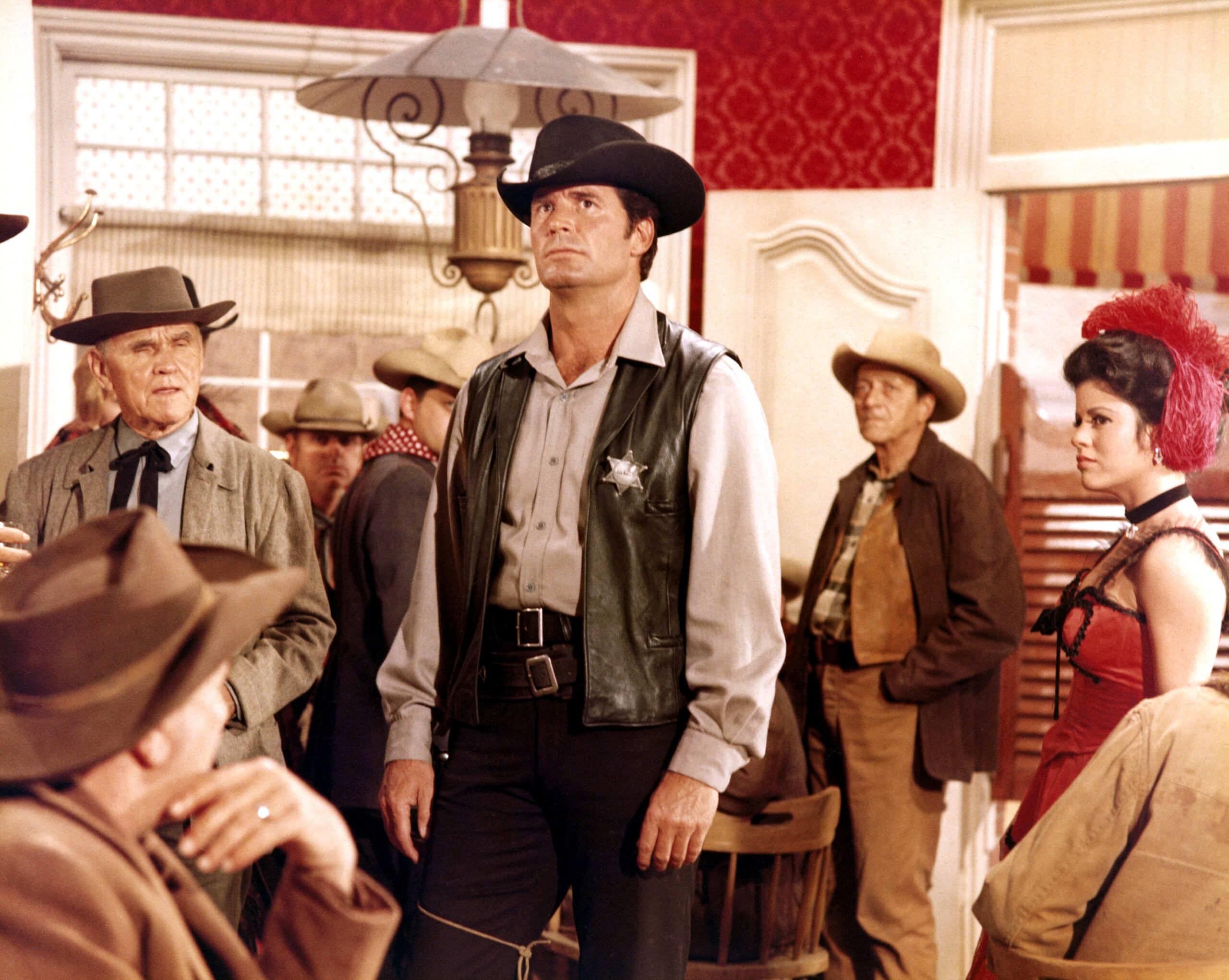
Everett Collection
Why He Stands Tall: The stranger who tames a town is a genre staple, but James Garner—who had earlier success cracking wise as the original title character on TV’s Maverick—added comedy in this film to great effect. His sardonic Jason McCullough stops in the Colorado town of Calendar, takes the sheriff job, and, with humor almost as fast as his draw, beats back the Danby family (led by Walter Brennan) and wins over local gal Prudy Perkins (Joan Hackett, above, with Garner).
The Star at His Western Best: It’s chiefly because of Garner’s successful turns that folks discovered Westerns could actually be funny. That started with his Old West poker king Bret Maverick—an ace at getting in and out of trouble—marshaling the mirth in Maverick (from 1957 until he left the series in 1960 after a contract dispute). And Garner donned Jason McCullough’s Stetson one more time in 1971 for the comical sequel Support Your Local Gunfighter. The star was equally adept at playing it quite straight in Westerns as well. Those roles include 1966’s Duel at Diablo, with his frontier scout Jess Remsberg out to find the murderer of his Comanche wife. He played Wyatt Earp in Preston Sturges‘ 1967 drama Hour of the Gun. And he was Woodrow Call in the 1995 Lonesome Dove sequel, Streets of Laredo.
Sidney Poitier As Buck in Buck and the Preacher (1972)
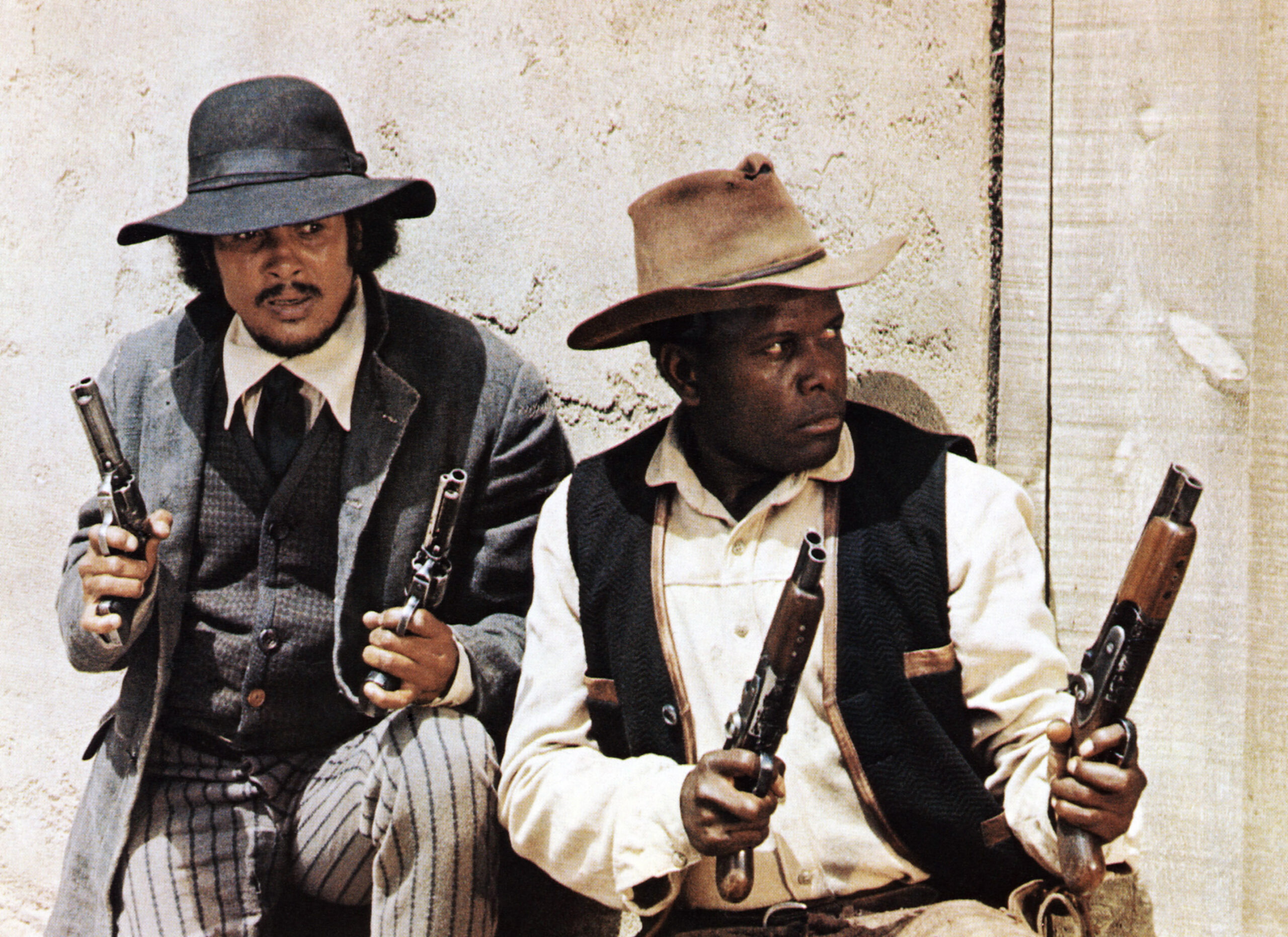
Everett Collection
Why He Stands Tall: The film marks not only Sidney Poitier’s directorial debut, but it also bursts through traditional Westerns up until then by casting Black actors in the lead roles. In the late 19th century, Buck, a former Union Army Cavalry sergeant turned trail guide, commits himself to protecting recently emancipated slaves trying to make their way to Colorado. They’re being hunted by white bounty hunters determined to turn them back around to Louisiana and force them into cheap labor. Buck has to team up with a pistol-packing reformed thief (Harry Belafonte, who also coproduced), and an unlikely bromance forms, complete with brisk and lively humor. It’s a far cry from Poitier’s stately portrayals in prior iconic films such as 1967’s To Sir, With Love. Ruby Dee also costars as Buck’s resilient and encouraging wife.
 Remind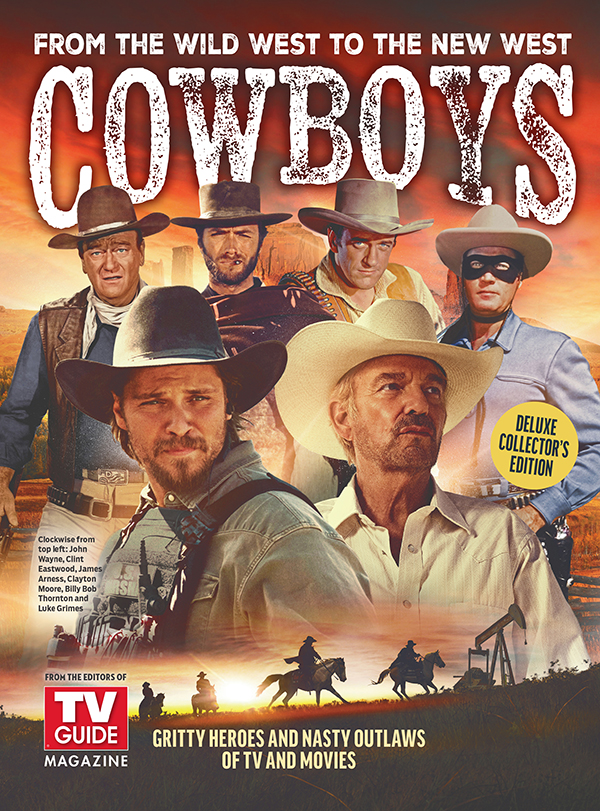
Cowboys
From the Wild West to the New West
Saddle up for this ultimate guide to the most enduring genre in the history of movies and television. This must-have issue offers a complete look at the way Westerns have captivated us with their untamed spirit.
Buy This Issue