

4 Visionaries Who Changed Sci-Fi Television Forever





What To Know
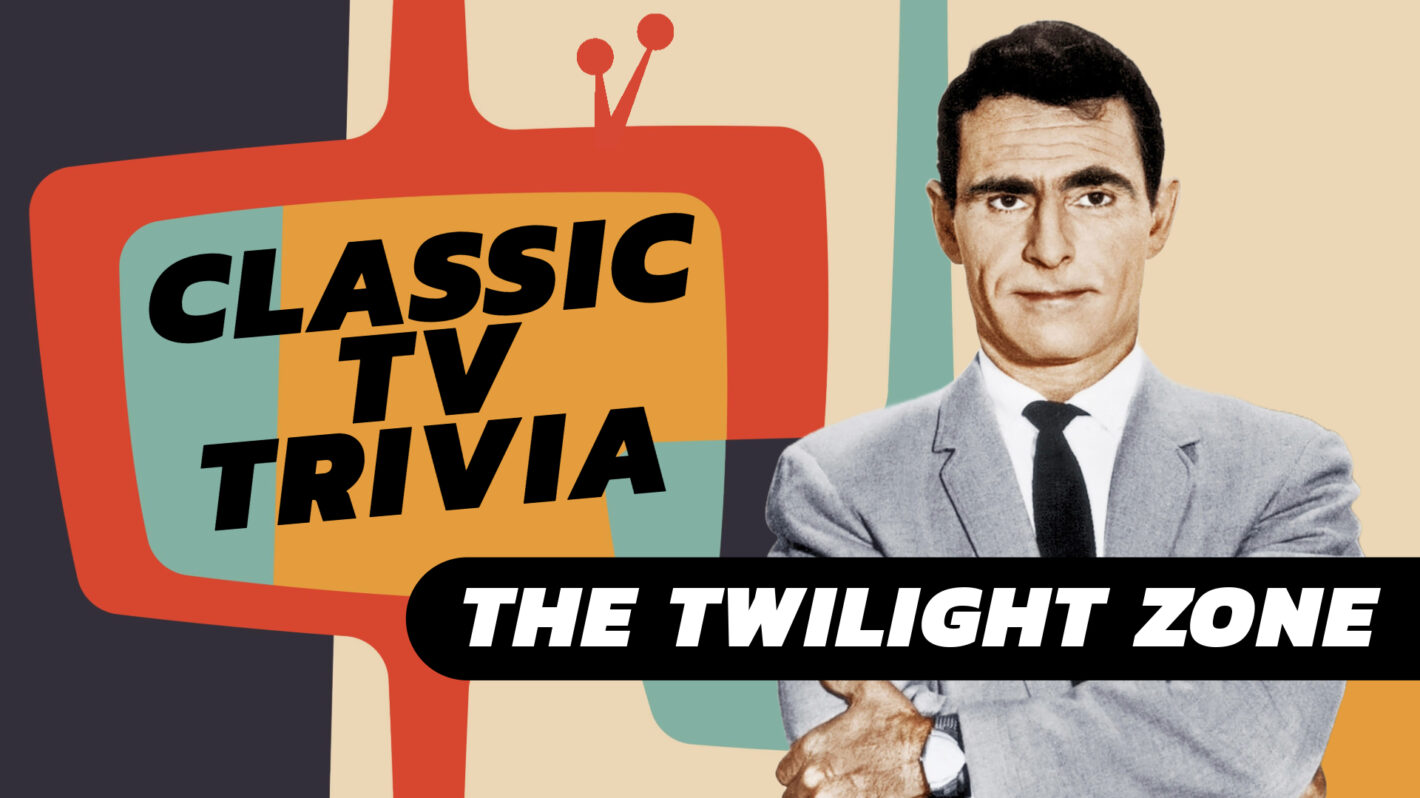
- Rod Serling revolutionized sci-fi television with The Twilight Zone, blending suspense, social commentary and existential themes that inspired future series like The X-Files.
- Gene Roddenberry created Star Trek, envisioning a hopeful, inclusive future and addressing complex social issues, resulting in a franchise that continues to thrive decades later.
- These visionaries, along with others like Dan Curtis, left a lasting impact on sci-fi TV by elevating storytelling and challenging audiences with innovative ideas and diverse characters.
Three years before William Shatner became a major household name in Star Trek, he appeared on Rod Serling’s The Twilight Zone in 1963, starring in one of the best sci-fi TV episodes to ever air, “Nightmare at 20,000 Feet.” The Season 5 episode told the story of a man who is convinced there’s a hideous creature riding on the wings of the aircraft he’s flying on, but none of the other passengers can see it.
This is just one of many beloved and classic Twilight Zone episodes, which begs the question: What is it about Twilight Zone that still has us celebrating it over 60 years after its creation? Certainly, the show is timeless, and no two episodes were ever the same, but it’s the genius behind the show that we explore here. And, while Shatner is forever linked to Star Trek, who actually created that iconic series? Gene Roddenberry taught generations about tolerance, compassion, and hope through the journeys of Star Trek.
ReMIND Magazine is setting its sights on some of the trailblazers who transformed sci-fi television forever. These four visionaries didn’t just open our eyes to the fifth dimension, teleport us to other planets, or even just try to bring us a “damn fine” cup of coffee paired with some cherry pie, these visionaries left forever-lasting marks on TV and pop culture.
Rod Serling
Everett Collection
In the early years of television, science fiction, terror, and horror all graced the small screen with various degrees of success. Boris Karloff‘s Thriller ran for two seasons in the early ’60s. Science Fiction Theatre was seen in syndication in the mid ’50s. Local stations around the country programmed horror movies with low-budget wraparounds and creepy hosts.
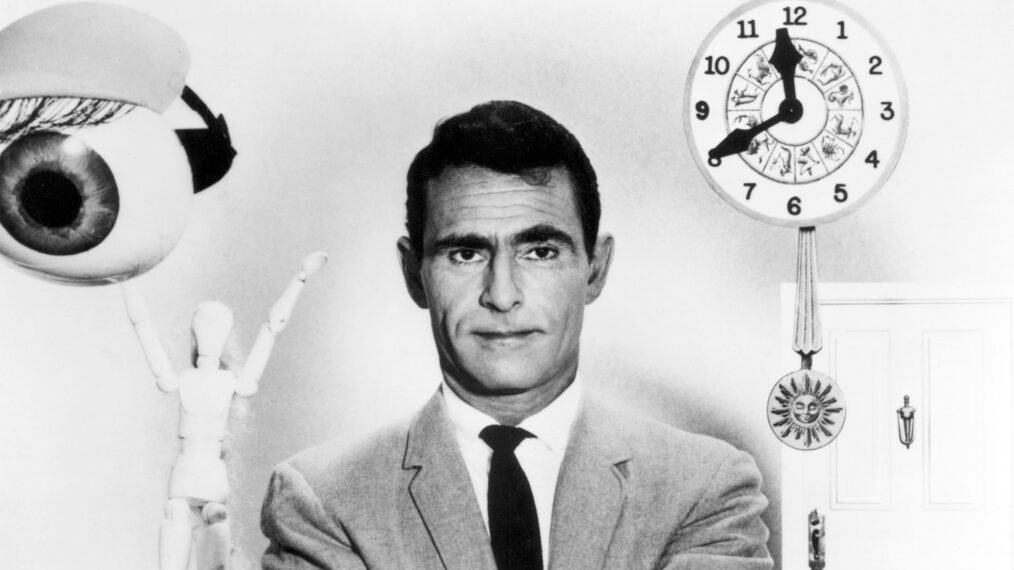
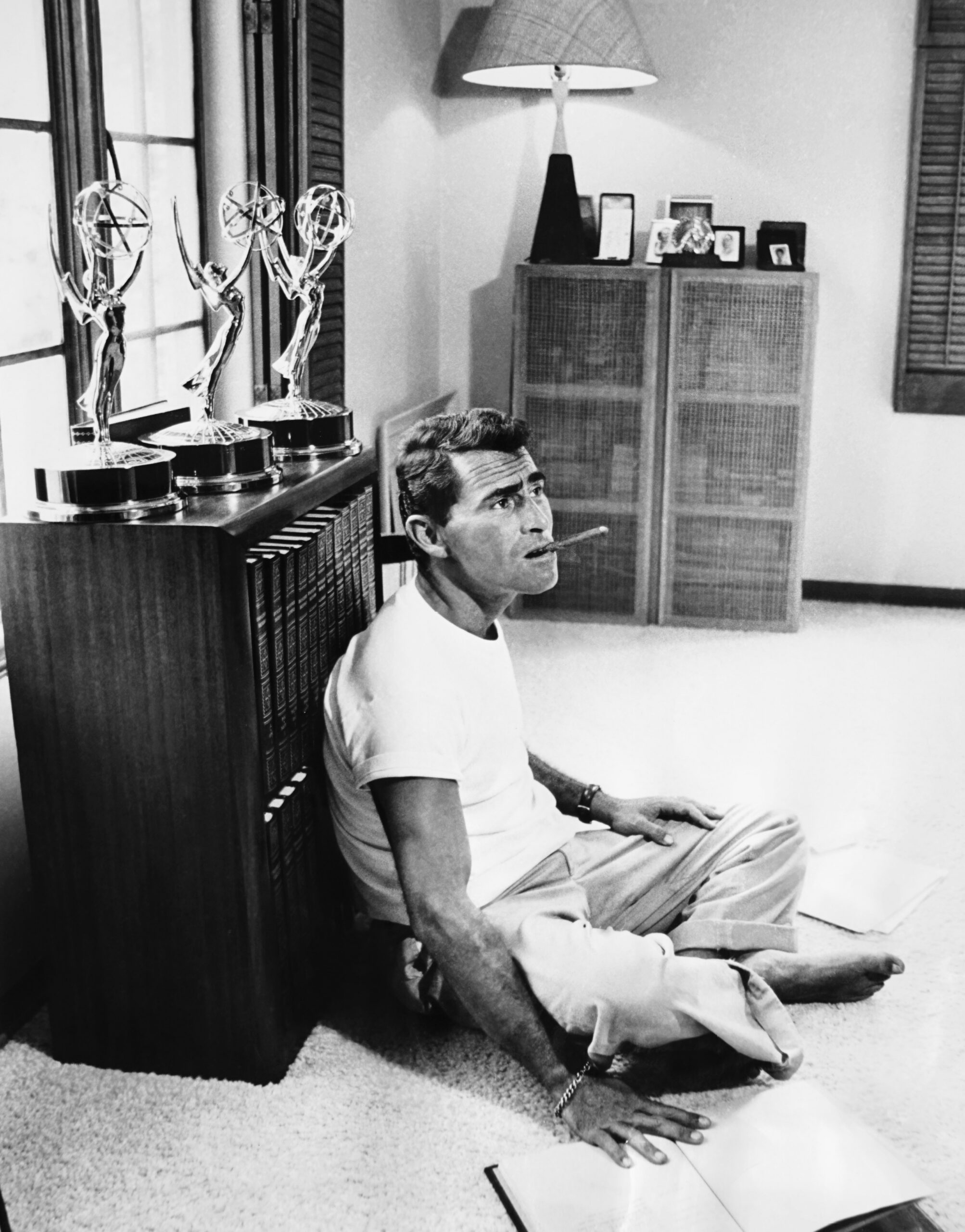
When Rod Serling’s Twilight Zone premiered on CBS in October 1959, the science fiction anthology genre reached a new level. The series’s unique combination of terror, suspense, mystery, and irony raised the bar to a new intellectual level. This likely surprised no one familiar with Serling’s work. He was a well-respected writer who had success in radio and with scripts for television anthology series like Playhouse 90, for which he wrote “Requiem for a Heavyweight,” arguably his most famous piece.
His on-camera introductions to each episode of The Twilight Zone, delivered in a dry monotone, became as popular as the teleplays themselves. The content of the stories often sheds light on cultural ills and human frailties. Serling would return from the shadows at the end of each episode to offer a comment on mankind and society.
The Twilight Zone ran until 1964, and even the title and theme song became iconic. In Danse Macabre, a collection of meditations on horror, Stephen King summed up Rod Serling’s genius as “a kind of existential weirdness that no other series has been able to match.” Perhaps it was not matched, but Serling’s influence inspired many later series, including The Outer Limits and The X-Files.
Gene Roddenberry
Everett Collection
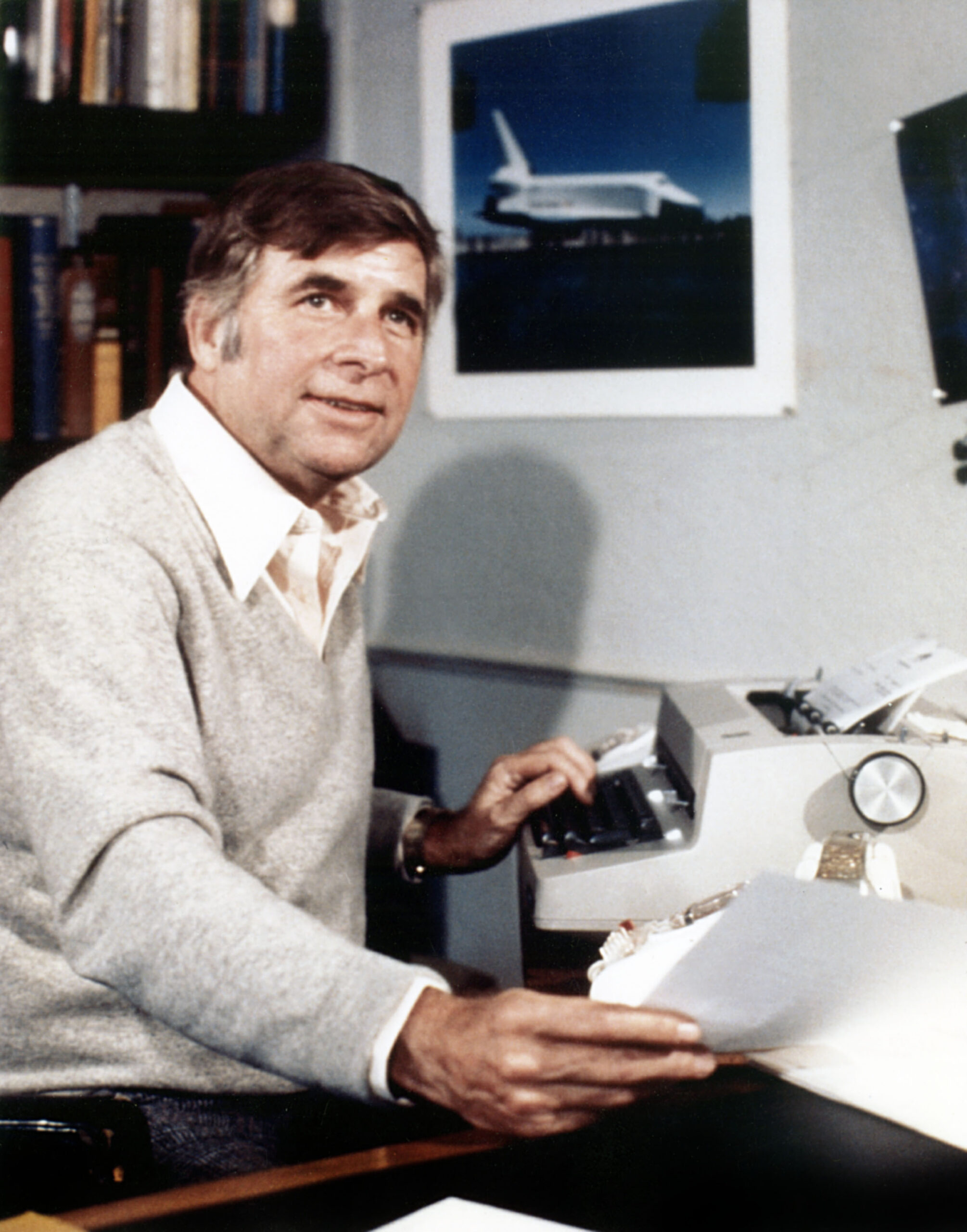
To borrow from the immortal Mr. Spock, TV’s most enduring and uplifting science fiction franchise has lived long and prospered thanks to the bold vision of Star Trek creator Gene Roddenberry, who saw a hopeful vision of our future in the stars. “Our shows are about the best of humans solving problems and learning about their own humanity,” he once said. “In our story sessions, we talk about how the world should be. Our characters symbolize where humans could be if they wanted to be.” How else to explain an Enterprise bridge where a Russian could work alongside Americans within a racially blended crew — in the 1960s!
“He did the best science fiction show on television,” said sci-fi titan Isaac Asimov. “He was not afraid to tackle difficult questions.” And they’re still making feature films and streaming spinoffs 60 years after the original Trek‘s inception and all-too-brief three-season run.
Dan Curtis
Ivan NagyTV Guide/Courtesy Everett Collection
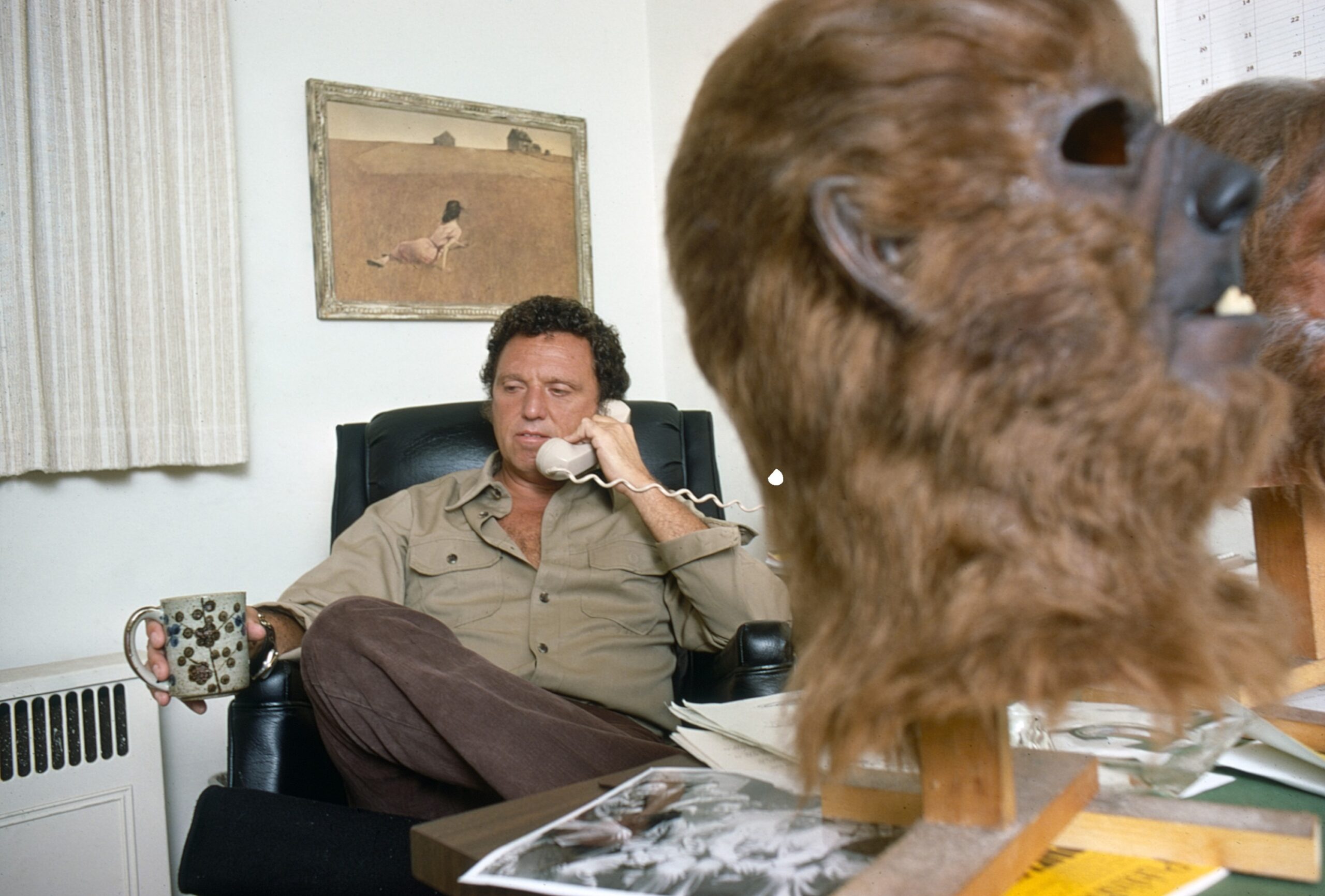
He gave us the heebie-jeebies with the cult supernatural soap Dark Shadows (1966-71), which was notorious for its vampire and werewolf heroes and its charmingly primitive production values. He scared us at night with 1975’s memorable Trilogy of Terror and its fiendish Zuni fetish doll. But Dan Curtis later achieved greatness at the height of the miniseries era with his epic productions of The Winds of War in 1983 and its sequel War and Remembrance (1988-89), which, at 30 sprawling hours, was the longest and then most expensive (at $135 million) miniseries ever made for network TV.
We’re not likely to see its kind again — and the same applies to Curtis, a brash entrepreneur who learned the ropes making Shadows on a shoestring. “Dark Shadows brings back the days of my youth,” he recalled during production of a short-lived 1991 primetime remake. “I was crazy then. We broke every rule in daytime because we had no experience. We just did it.”
David Lynch
Everett Collection
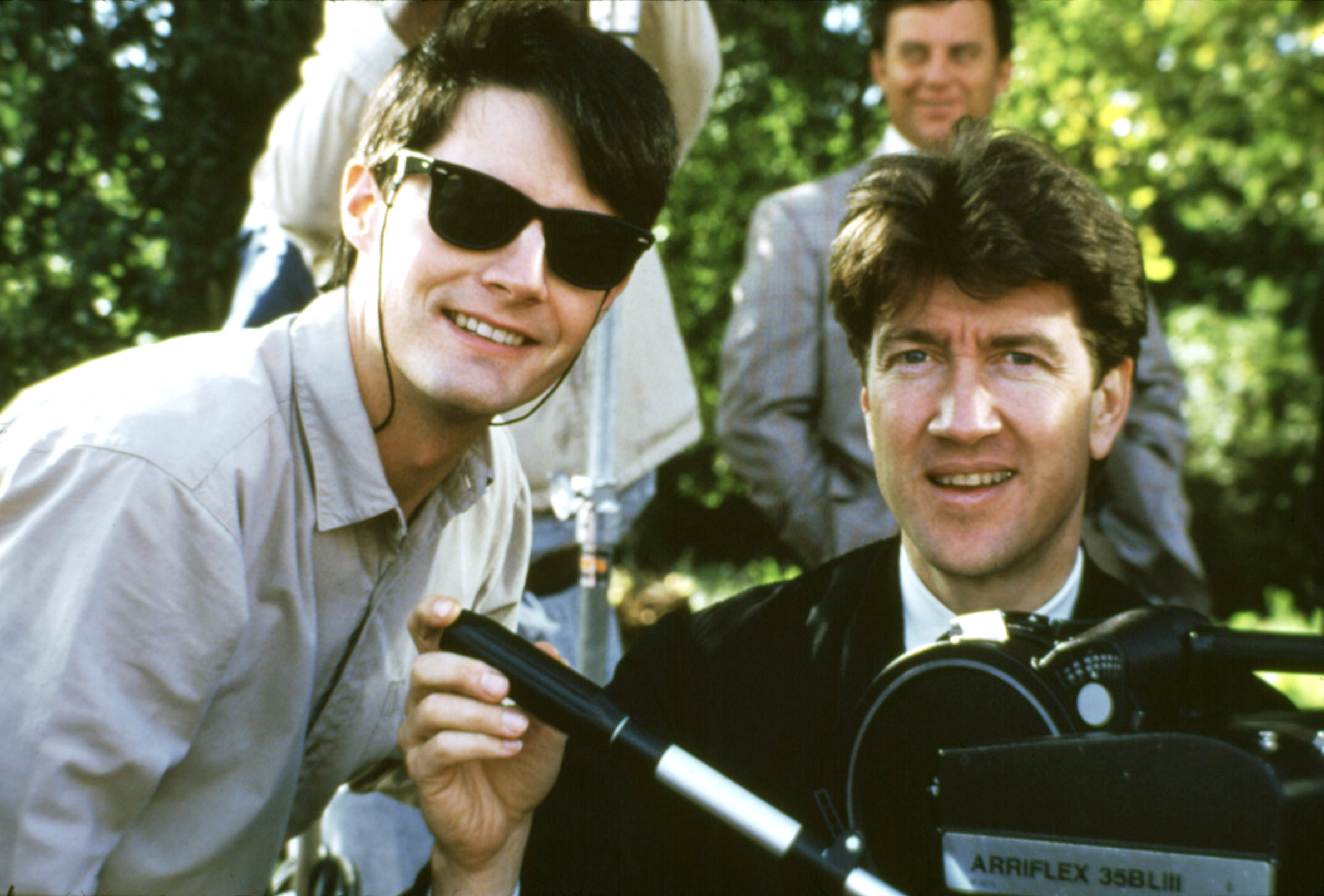
In 2017, Time magazine declared, “Television history is divided into two eras: before Twin Peaks and after.” For that, one can credit the surreal genius of David Lynch, who, with Mark Frost, created the 1990-91 series that hit TV like a thunderclap.
Twin Peaks busted all the rules of weekly drama wide open; suddenly, characters in an innocent setting could be much more complicated, with bizarre humor coexisting alongside absolute terror. Lynch had perfected these qualities in his films Eraserhead and Blue Velvet, but nothing captivated TV quite like the killing of Laura Palmer by Bob, an evil entity who possessed humans and fed on suffering.
As The Sopranos creator David Chase added in that Time story, “Anybody making one-hour drama today who says he wasn’t influenced by David Lynch is lying.”
This is an excerpt from the May 2026 Pioneers of TV Issue of ReMIND Magazine and was written Matt Roush, and Lou Orfanella. You can purchase the full issue at the link below.
 Remind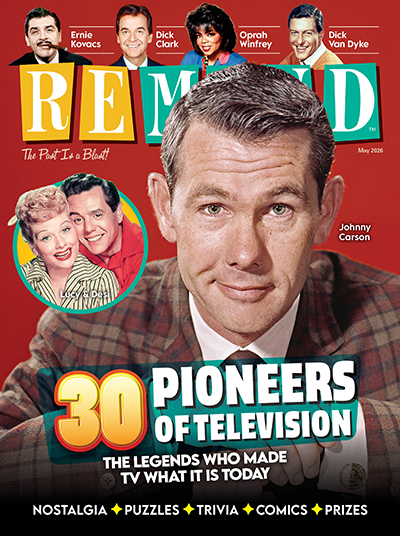
Pioneers of Television
May 2026
They were the innovators, the pioneers, the rebels. They dared to try something new and to push television to new limits.
Buy This Issue