From ‘Miami Vice’ to ‘Hill Street Blues:’ TV’s Best Cops of the ’80s





What To Know
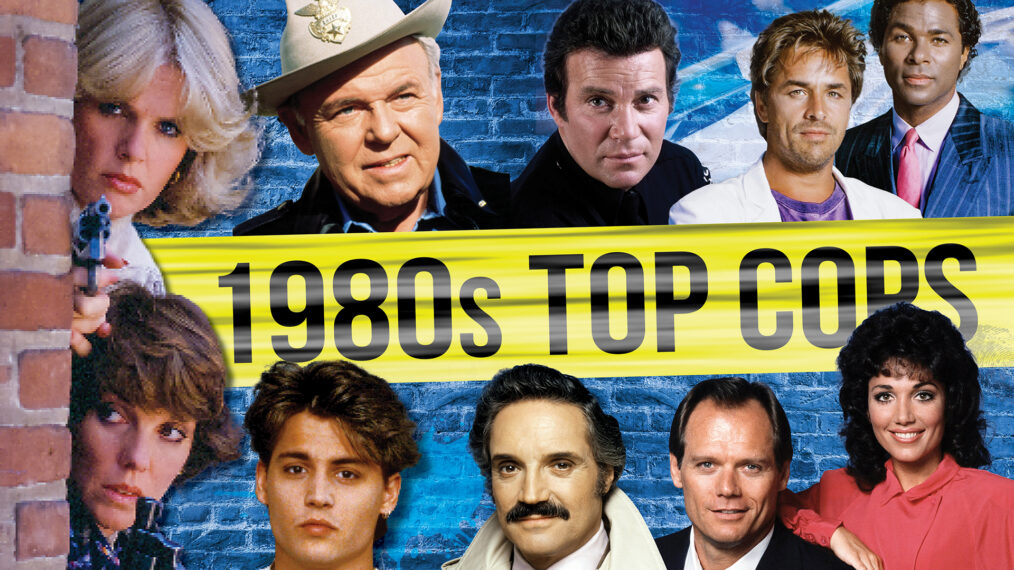
- 1980s TV police dramas like Hill Street Blues and Barney Miller revolutionized the genre by focusing on complex characters and realistic, often gritty portrayals of law enforcement.
- Cagney & Lacey broke new ground by centering on two female detectives, earning critical acclaim and praise for its authentic depiction of women in policing and their professional relationships.
- Other shows such as Miami Vice and Crime Story brought stylistic innovation to the genre, using music, fashion, and serialized storytelling to further evolve the TV cop show landscape.
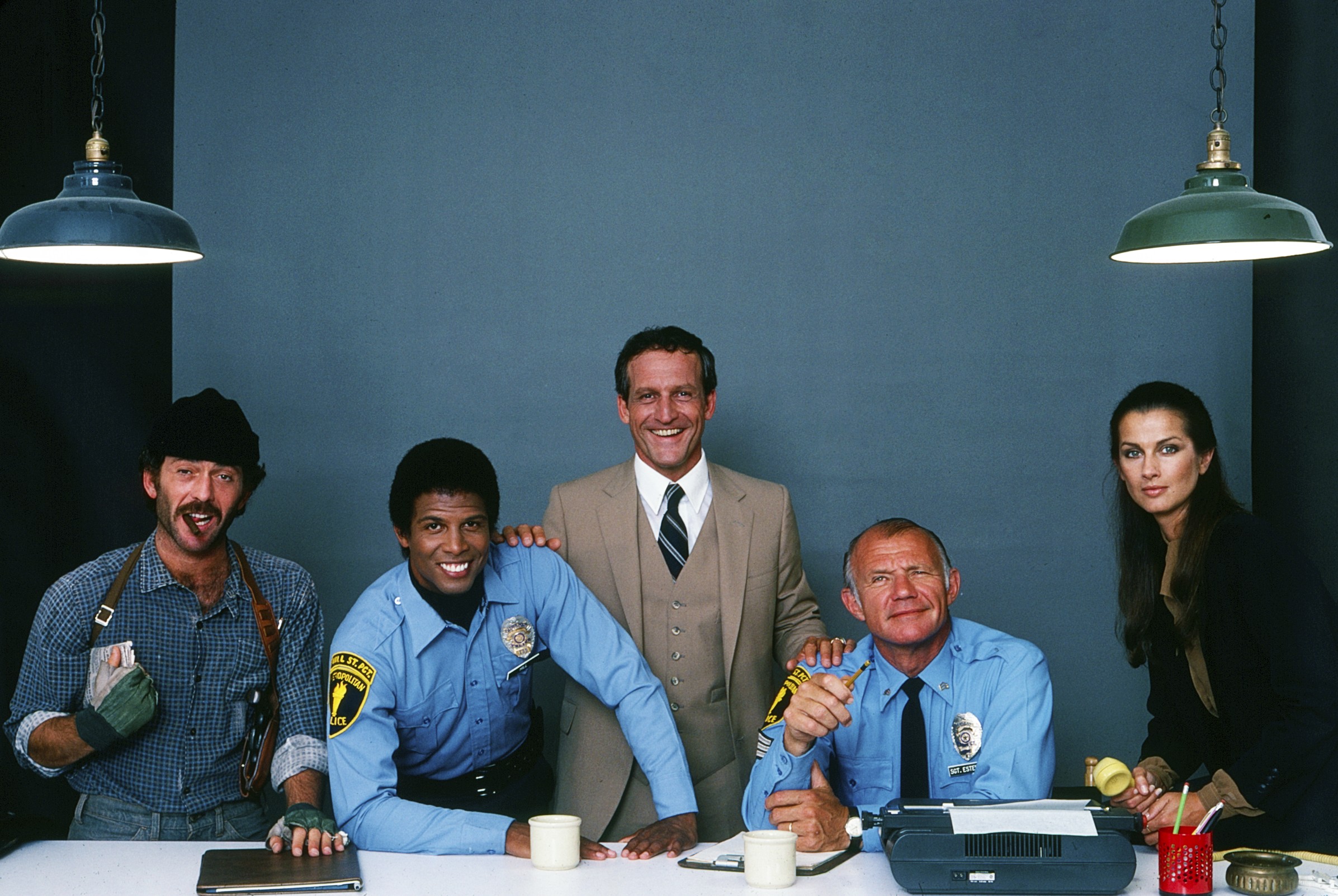
The TV police drama came of age with that cautionary salutation from Sgt. Phil Esterhaus (Michael Conrad), sending his squad into unpredictable urban chaos at a roll call that opened many an episode of Hill Street Blues (1981-87), widely considered to be one of the medium’s most groundbreaking series.
In the 1980s, cop shows grew up along with primetime TV itself, ushering in a more sophisticated and adult view of law enforcement. Ironically, it was a sitcom that set the tone for the genre’s new realism: Barney Miller, which ran from 1975 to 1982 and introduced a multicultural melting pot of working-class detectives — including the hilariously lugubrious Fish (Abe Vigoda), the beloved Yemana (Jack Soo, who died midway through the run), earnest Wojo (Max Gail) and snappy Harris (Ron Glass) — who were rarely seen outside the 12th Precinct.
Robert Phillips//TV Guide/Courtesy Everett Collection
Favoring character over action, Barney Miller is often lauded by actual police officers as the most true-to-life portrayal of their life on the job. Hill Street Blues took things to the next level with a bold, in-your-face approach that courted controversy with its frank sexual situations, hot-button topics and outrageous dark comedy, embodied by Bruce Weitz as Detective Mick Belker, an alarmingly gruff undercover cop whose bite and bark were as fierce as his puppy-dog soul was sentimental.
“We let them know right away that we were going to be rude and feisty and antagonistic to everything they represent,” cocreator Steven Bochco recalled of his early meetings with network execs and censors. With its dense, overlapping narratives and dialogue, Hill Street was anything but an instant hit — in its first year, it ranked 87 of 99 programs — but critical acclaim (including three Humanitas Prizes) and a then-record eight Emmys for its freshman season kept it on the air. Hill Street‘s champions included renowned novelist Joyce Carol Oates, who praised its Dickensian blend of melodrama, defiantly bad taste and high seriousness when she wrote that it was “as intellectually and emotionally provocative as a good book.”
When Women Joined The Force
CBS/Courtesy: Everett Collection
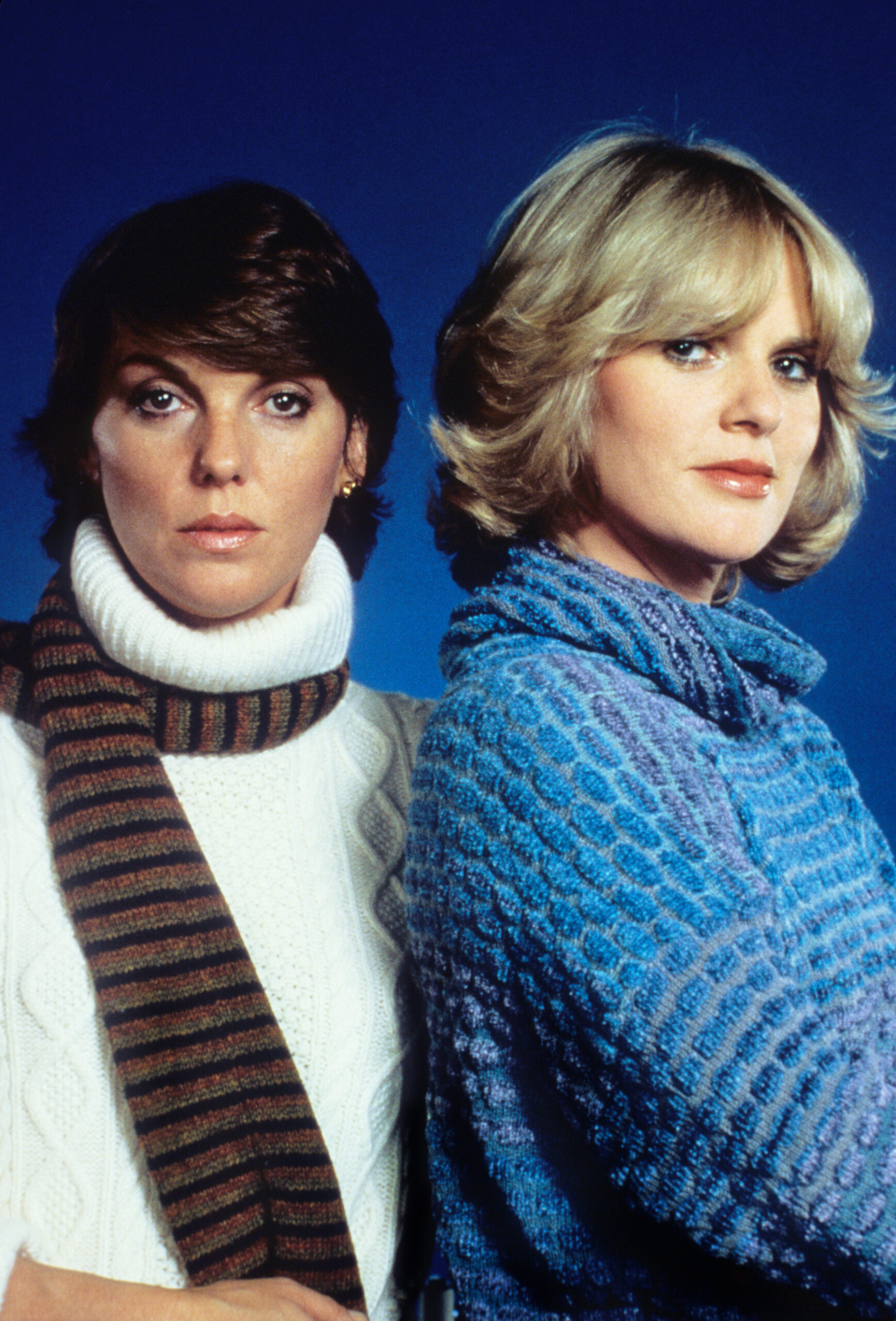
The decade’s other most revered barrier-breaking police drama, Cagney & Lacey (1981-88), depicted the working relationship and friendship of two female detectives: Mary Beth Lacey (Tyne Daly) and Christine Cagney (Sharon Gless). New York detective-turned-novelist Dorothy Uhnak saw the show as a course correction to such sexualized portrayals as Angie Dickinson‘s Police Woman in the 1970s. She raved: “This is what it looks like, feels like, sounds like to be a police officer. Male or female. … I’d walk through a dark alley with Cagney or Lacey behind me. This is the ultimate compliment from one police officer to another.”
During its run, Daly and Gless would swap trips to the Emmy podium, Daly winning four times to two for Gless. No less a feminist icon than Gloria Steinem heralded the show as “a radical departure from the myth that women can’t get along.” She wrote that Hill Street and Cagney “brought a human resonance to TV police work that renders the simple good guy/bad guy cop shows of the past hopelessly obsolete.”
Not so fast.
It’s true that there were other stylish attempts to jazz up the cop show in the 1980s:
Tony Esparza/MGM/courtesy Everett Collection
Miami Vice (1984-89) most notably, with its flashy music, photography and fashion sense convincing you that socks were an endangered Florida species.
Crime Story (1986-88) was an acclaimed but less successful effort to evoke a 1960s-era gangster vibe with a serialized cat-and-mouse caper that stretched from Chicago to Las Vegas.
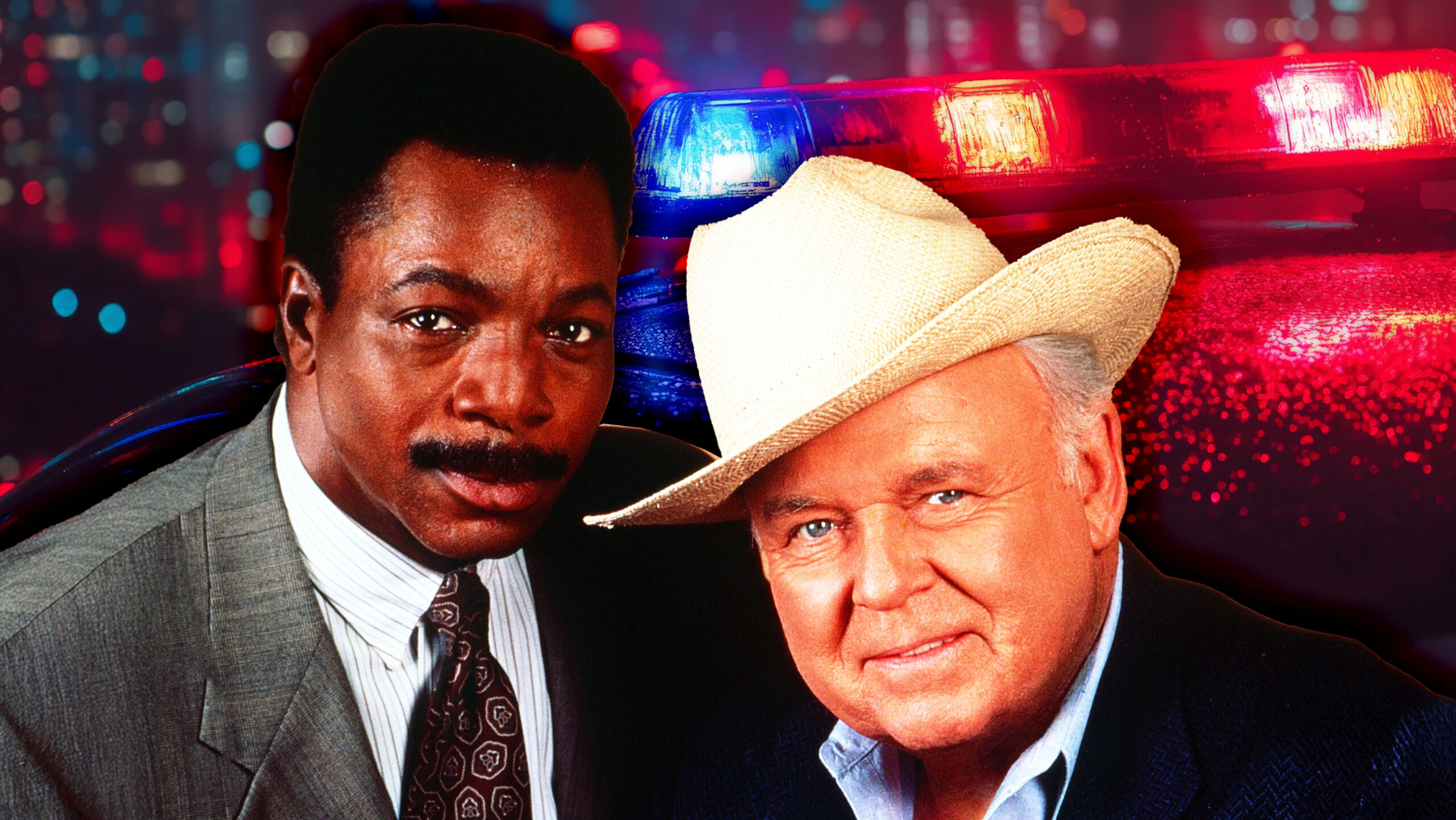
In the Heat of the Night (1988-95) brought a TV series version of the Oscar-winning Detective Virgil Tibbs (Howard Rollins Jr. assuming the Sidney Poitier role) back to Mississippi to solve crimes and combat racism as he worked alongside police Chief Bill Gillespie (Carroll O’Connor).
Wiseguy (1987-90) was the most ambitious, starring Ken Wahl as an operative who went so deep undercover everyone worried that he’d gone to the dark side. That series attracted an unusually high caliber of guest star: Ray Sharkey, Jerry Lewis, Ron Silver, Stanley Tucci, Paul Winfield, Tim Curry.
For all of these innovations, the traditional cop show was far from dead. Former NFL star Fred Dryer channeled his inner Dirty Harry in Hunter (1984-91), which he described as “Clint Eastwood for television — he’s tough, he’s macho.” A TV superstar, Star Trek‘s William Shatner donned the badge as T.J. Hooker (1982-86), mentoring rookies including Adrian Zmed and Heather Locklear (doing double duty on Dynasty).
And as if to prove that every generation deserves its own Mod Squad, the fledging FOX network had an early hit with 21 Jump Street, about a youthful unit of undercover cops who infiltrated high schools, helping make Johnny Depp an instant teen idol. He would soon graduate to the big screen, but on TV, the (police) beat goes on.
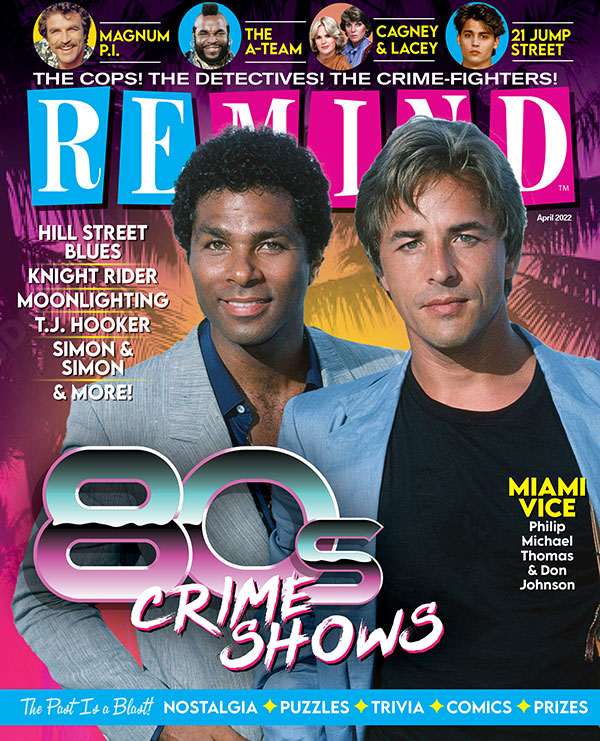
This article appears in the April 2022 ’80s Crime Shows issue of ReMIND Magazine. You can purchase the full issue at the link below.

 Remind