

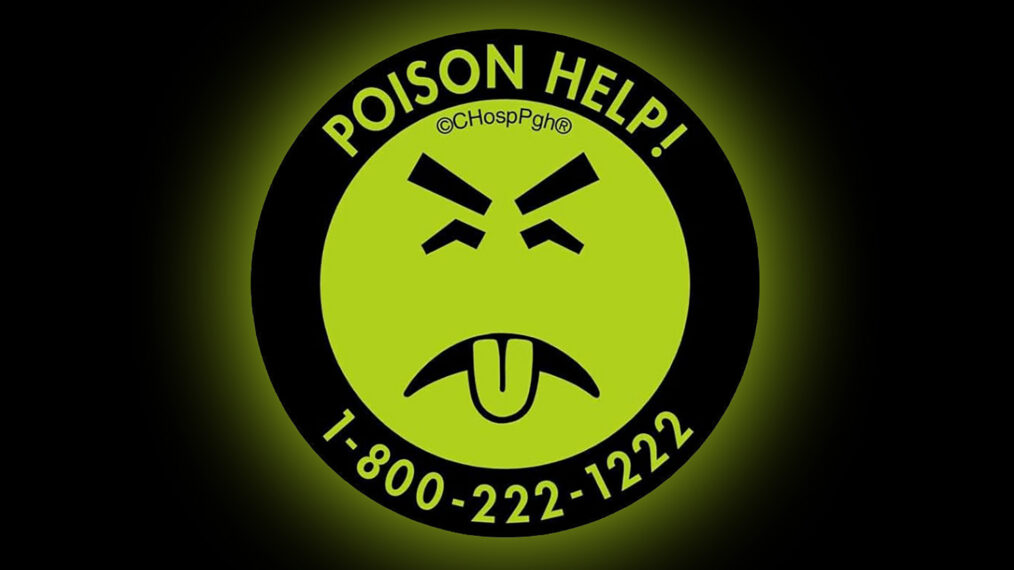
Whatever Happened to Mr. Yuk Stickers & Where Can You Still Get Them?





What To Know
- Mr. Yuk stickers were created in 1971 to warn children about poisonous household substances.
- Although over 50 million stickers were distributed and raised awareness, studies in the 1980s found they were not effective.
- Mr. Yuk stickers are still available for free.
Children of the 1970s & ’80s may remember their parents plastering those horrifying day-glo green stickers all over their houses – warning us that we would die if we even engaged with whatever the sticker’s content contained. But did they help? And where did they come from? Read on to find out the history of Mr. Yuk.
Mr. Yuk was conceived in 1971 by Richard Moriarty, a pediatrician and clinical professor of pediatrics in Pittsburgh, Pennsylvania, who saw the need to alert children to the harmful things around the house, especially chemicals. With skull-and-crossbones imagery becoming popular in cartoons and with the recently crowned MLB champs, the Pirates, Moriarty felt that the traditional symbol was no longer scary to kids and wanted to create something that would deter them.
He also created the Poison Center and the Poison Center Network after discovering an uptick in parents rushing their children to emergency rooms following ingestion of harmful household chemicals.
Kids designed the sticker for kids, as focus groups of young children chose the design and color to identify the most unappealing options. The kids had picked from several options ranging from “mad” to “dead” or “sick,” and asked to rank them; in the end, the sick face always ended up last. The chosen shade of fluorescent green was described as “Yucky!” by one of the children in the focus group, and Mr. Yuck was born. The final design was created as part of a contest held by the Pittsburgh Poison Center.
Over the next few years, the stickers, along with a public service announcement featuring a catchy jingle, were rolled out across the states, with local and national hotline numbers to call in case of an emergency. It quickly became a trademarked image with over 50 million stickers released by 1979.
In the ’80s, focus groups began to question the effectiveness of these warnings. It was discovered that they were not scaring off children under three and, if anything, were potentially attracting them to harmful materials. Given that the stickers were not as effective as the poison control center had hoped, though they did raise awareness, many centers quit issuing the bright green sticker. While they may not have lasted in the long run, they marked the start of childproof caps we are all accustomed to today.
Where to get Mr. Yuk stickers: You can buy them from their official store, or you can still get Mr. Yuk stickers for free from the Pittsburgh Poison Center by sending a self-addressed, stamped business-size envelope to:
Mr. Yuk
Pittsburgh Poison Center
200 Lothrop Street
PFG 01-01-01, Pittsburgh, PA 15213
Other states’ poison centers that offer them are Washington, Missouri, Maryland, or check your local poison control center.
 Remind
Vintage Brands
June 2023
Look back at memorable celebrity endorsements, network sponsorships and just plain bizarre ads over time
Buy This Issue