

Route 66’s Famous Blue Whale Gets Massive Makeover for 100th Anniversary





What To Know
- The Blue Whale of Catoosa, a famous Route 66 roadside attraction in Oklahoma, is receiving a major upgrade.
- The new Blue Whale Visitor Center will feature a gift shop, historical displays, event space, concessions, and will host a grand opening celebration.
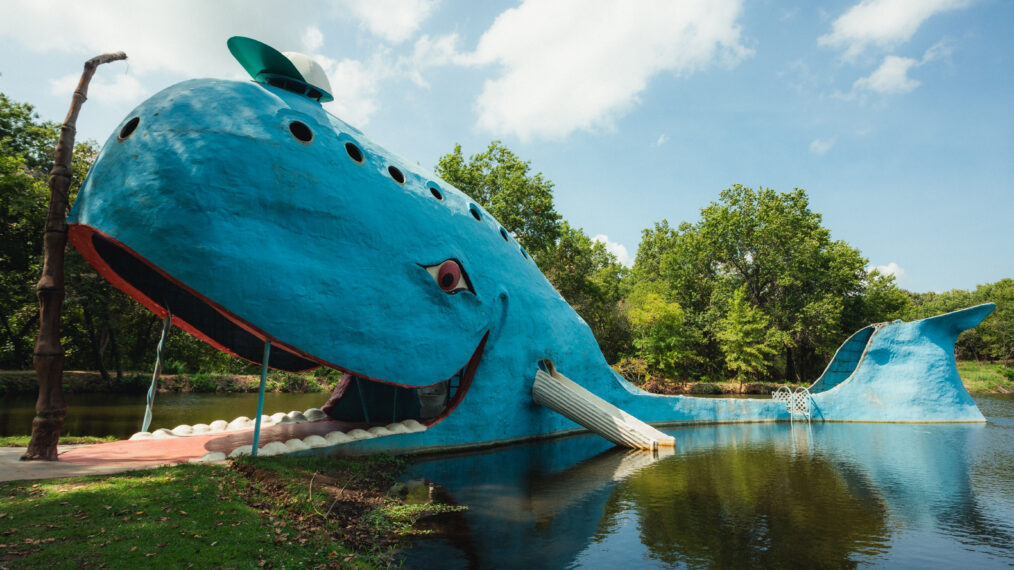
One of Route 66’s most famous roadside attractions is getting a major update just in time for the Mother Road’s 100th anniversary. The Blue Whale of Catoosa in Oklahoma has long been one of those fun yet odd stops that make Route 66 feel like a true American road trip. Now, the beloved blue landmark is entering a new era with a visitor center, updated amenities, and, for the first time in its history, a neon sign.
The new Blue Whale Visitor Center is set to officially open on May 30, 2026, during Route 66’s centennial year. The grand opening celebration is expected to include a certified 5K fun run, vendors, food trucks, remarks, a ribbon-cutting ceremony, live music, and fireworks. The new facility offers travelers more than just a quick photo stop, with an expanded gift shop, historical artwork and photos, updated traveler amenities, a concession area, and even a meeting hall and event space.
The new neon sign is another big part of the project. It was lit for the first time on May 11, 2026, giving the famous roadside whale a brighter presence at night. Catoosa Mayor Greg Williams said neon was a natural choice because of its connection to classic Route 66, and the visitor center itself was designed with a mid-century modern look that fits the spirit of the old highway. He added, according to the News on 6, “It’s a milestone for Catoosa. There are so many Catoosans who have wanted this to happen for a long time. Their support, partners, but it feels really good to have it brought to everyone’s attention.”
View this post on Instagram
What is the history of the Blue Whale of Catoosa?
Route 66 is celebrating its centennial in 2026, and communities all along the historic highway are using the milestone to preserve, restore, and reintroduce old roadside landmarks to a new generation of travelers. However, the Blue Whale did not start as a commercial attraction. Zoologist Hugh S. Davis originally imagined the whale as a special place where his grandchildren could play and swim in the pond. His idea kept growing until the whale reached about 20 feet tall and 80 feet long. Davis built the whale with help from his friend Harold Thomas, spending two years welding the metal framework and applying hand-mixed cement, one five-gallon bucket at a time. When the whale was completed in July 1972, it soon became a tourist destination and a place where visitors swam, fished, picnicked, and stopped for photos along Route 66.
Like many Route 66 landmarks, the Blue Whale also went through hard years. The attraction closed for a time and later needed restoration. The City of Catoosa now owns and operates the park, and this latest project is clearly meant to turn the Blue Whale into more of a true Route 66 must-stop. While you can no longer swim there, it is still a great place to stop and stretch your legs.
Have you ever stopped and taken a photo with the Blue Whale on your Route 66 road trip?
 Remind
Stars & Cars
April 2018
Rev up your engines for an issue filled with the hottest cars in Hollywood
Buy This Issue