

How Tonto Actor Jay Silverheels Broke Barriers Beyond ‘The Lone Ranger’





What To Know
- Jay Silverheels became famous for his role as Tonto on TV’s The Lone Ranger and in related films.
- Despite his fame, Silverheels faced the limitations placed on Indigenous actors in Hollywood, and he later advocated for better opportunities by co-founding the Indian Actors Workshop to support Native performers.
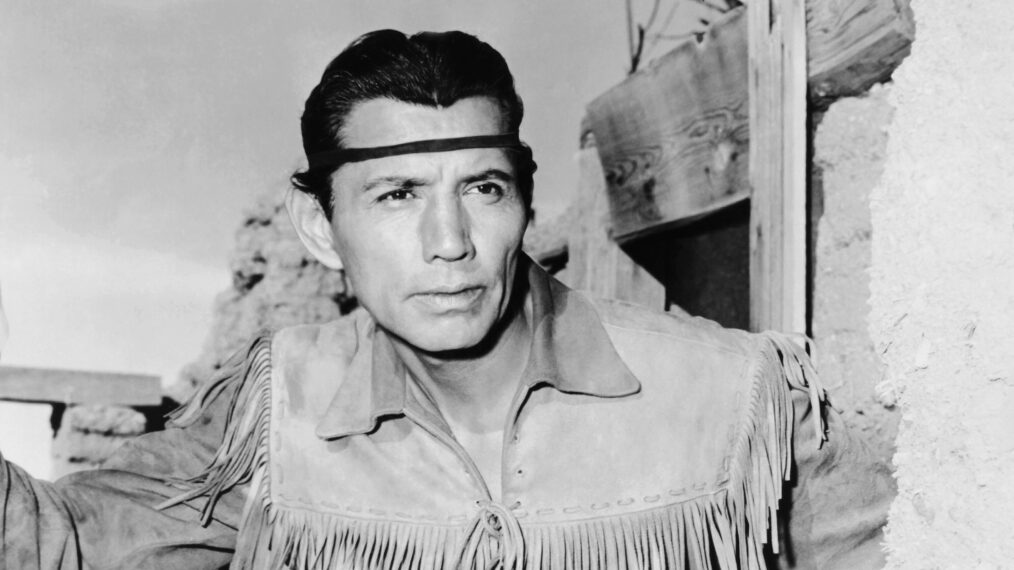
When The Lone Ranger came to television in 1949, Clayton Moore‘s masked hero quickly became one of TV’s most familiar Western figures. Alongside the Lone Ranger was Jay Silverheels as Tonto, his steady companion, and he became just as closely tied to the show’s legacy. Silverheels appeared as Tonto throughout the series, which ran until 1957, and later returned to the role in the films The Lone Ranger and The Lone Ranger and the Lost City of Gold.
Tonto made Silverheels famous, but the role also showed the limits Hollywood placed on Indigenous actors at the time. The character was brave, loyal and capable, but he was still written only as a sidekick. Silverheels later pushed for better opportunities for Indigenous performers, making his off-screen work an important part of his story, too.
TV Guide/Everett Collection
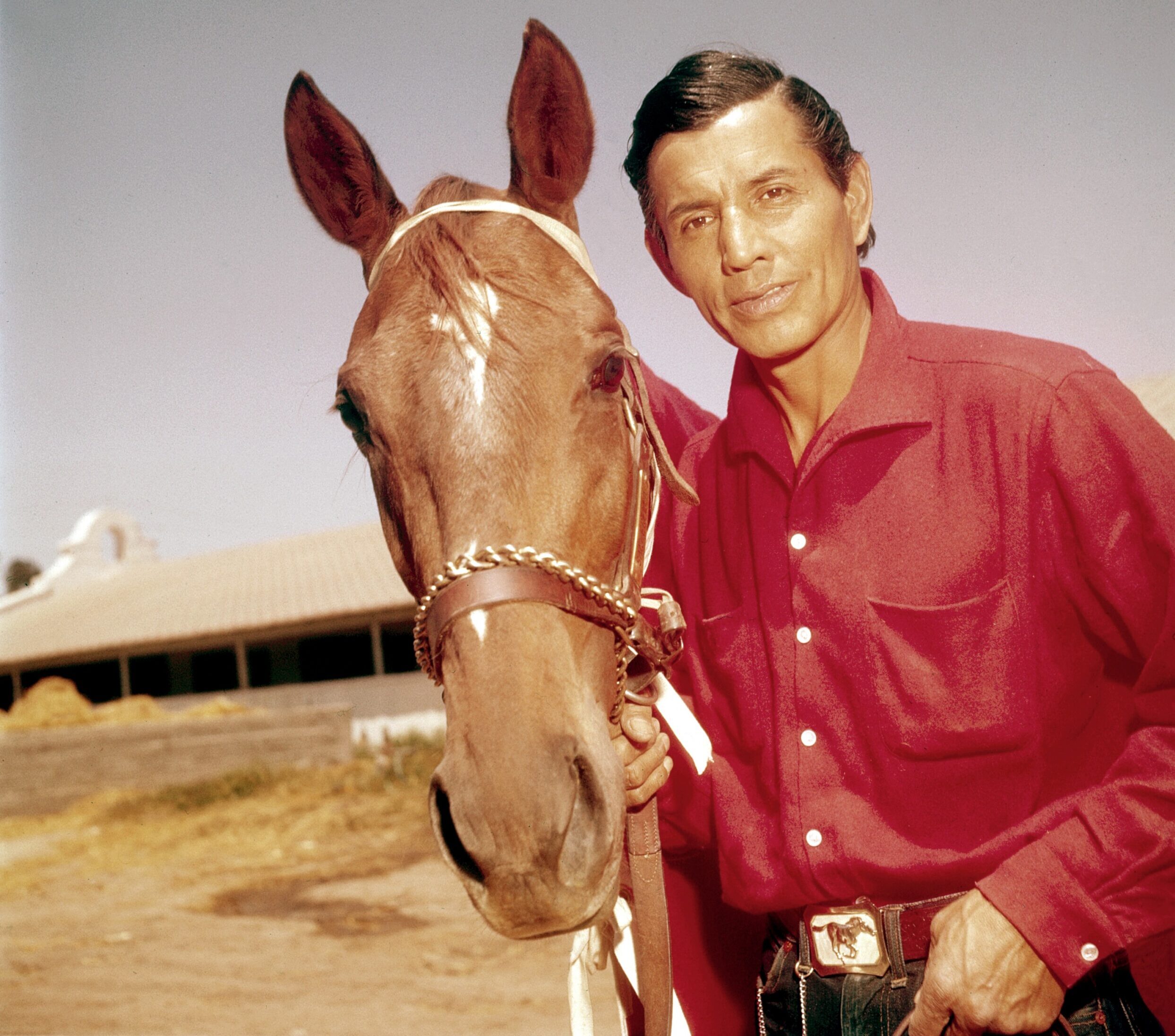
Silverheels was born Harold Jay Smith on May 26, 1912, on the Six Nations Reserve in Ontario, Canada. He was Mohawk and grew up in a large family connected to the Six Nations community. Before acting, he was known for his athletic ability, especially in lacrosse. Playing under the name Harry Smith, he competed on several teams in the 1930s, including the Hornell Bears, Toronto Tecumsehs, Akron Tornadoes, and Atlantic City Americans. His athletic career helped lead him to Hollywood. While in Los Angeles with a lacrosse team, Silverheels was noticed for his speed and physical presence. He began working in films as an extra and stuntman in the late 1930s, using the names Harold Smith and Harry Smith before becoming Jay Silverheels. The name came from a nickname tied to his days as an athlete.
Before The Lone Ranger, Silverheels appeared in many films, especially Westerns and adventure pictures. His credits included Captain from Castile, Key Largo, Broken Arrow, War Arrow, Drums Across the River, and Walk the Proud Land. His best-known role came when he was cast as Tonto opposite Moore’s Lone Ranger. When John Hart temporarily replaced Moore as the Lone Ranger during the series, Silverheels remained Tonto. By the time the show ended, the role had become the defining part of his career.
After The Lone Ranger, Silverheels continued acting, with appearances on shows including Daniel Boone, The Brady Bunch, The Virginian, Cannon and Dusty’s Trail. He also appeared in films including True Grit, The Man Who Loved Cat Dancing and Santee. At times, he even spoofed his Tonto image in comedy sketches and commercials. In 1979, he received a star on the Hollywood Walk of Fame, recognizing his place in television history.
Off-screen, Silverheels helped support Indigenous actors in Hollywood. He co-founded the Indian Actors Workshop in Los Angeles, where Native performers could train and work toward better representation in film and television. Silverheels also had a long connection to horses and racing. Away from acting, he raised and raced Standardbred horses.
Silverheels suffered health problems in his later years after a stroke. He died on March 5, 1980, at age 67. His ashes were returned to the Six Nations Reserve in Ontario. In the years after his death, Silverheels continued to be honored. He was inducted into the Hall of Great Western Performers at the National Cowboy & Western Heritage Museum in 1993, and in 1997, he was inducted into the Canadian Lacrosse Hall of Fame as Harry “Tonto” Smith.

 Remind
Cowboys
From the Wild West to the New West
Saddle up for this ultimate guide to the most enduring genre in the history of movies and television. This must-have issue offers a complete look at the way Westerns have captivated us with their untamed spirit.
Buy This Issue