

7 Female TV Trailblazers Who Shattered the Glass Ceiling & Changed the Industry Forever





What a team. Lucille Ball, one of TV’s first and most enduring comedy superstars, went to bat for her Cuban-born husband Desi Arnaz when CBS suggested adapting My Favorite Husband, her hit radio program, for television. She demanded Arnaz play her spouse in I Love Lucy, despite the network’s reservations that the audience wouldn’t take to Arnaz and his heavy accent. The rest is TV history, on multiple levels.
As Lucy and Ricky Ricardo in I Love Lucy, they shot to the top of the ratings. The couple parlayed their earnings into the legendary Desilu Productions studio, with shows like Star Trek and Mission: Impossible under their banner. Lucy followed I Love Lucy with more hit comedies (The Lucy Show, Here’s Lucy) into the 1970s, establishing herself as TV’s most beloved female clown and paving the way for many more females to come.
ReMIND Magazine is setting its sights on some of the trailblazing women who changed television forever. These ladies didn’t just open our eyes to the world, but they also shattered the glass ceiling.
Joan Ganz Cooney
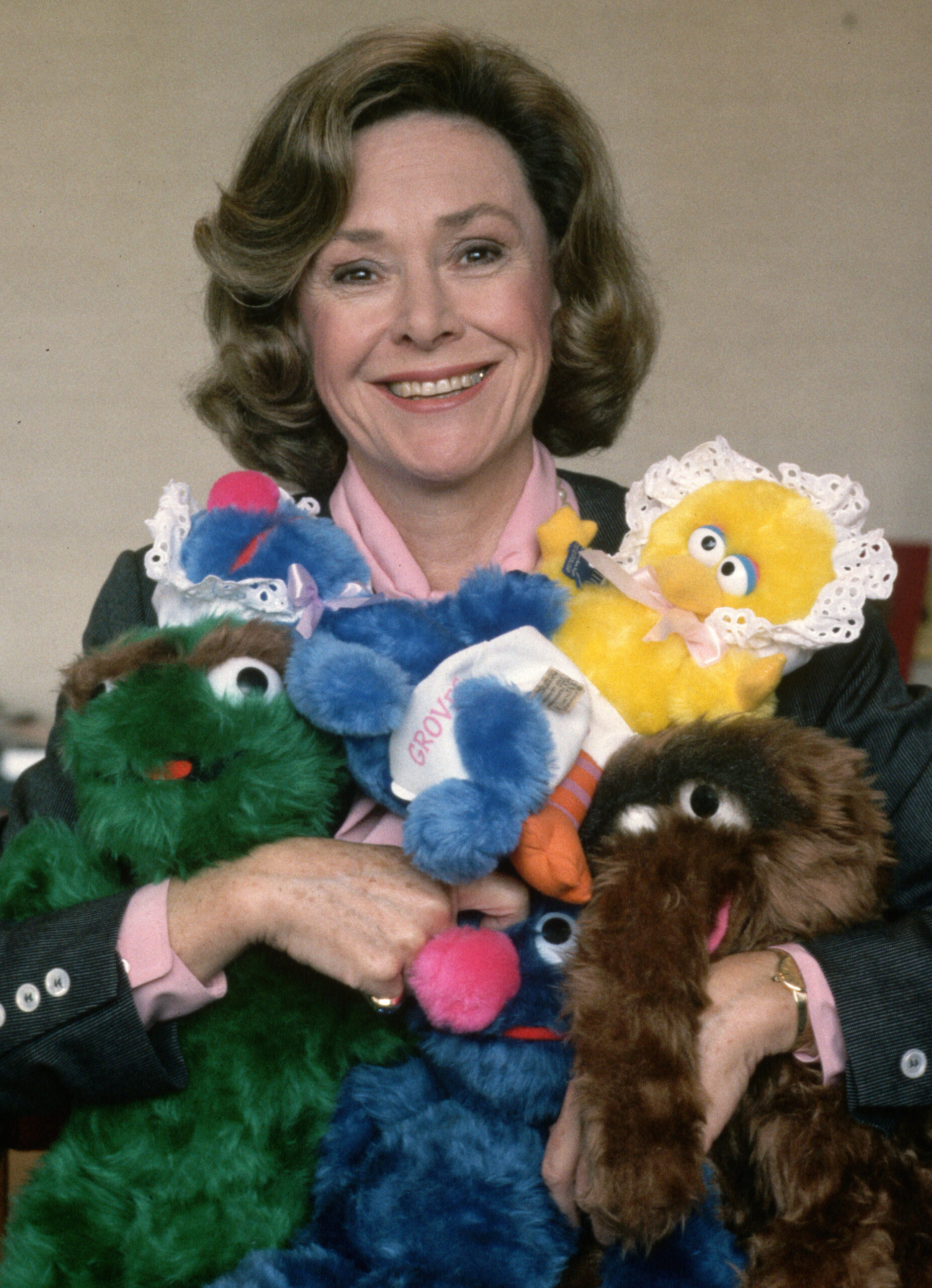
Owen Franken/Corbis via Getty Images
Generations of rapt children have learned their letters, numbers, and all-important life lessons of kindness and community from the revolutionary Sesame Street, launched in 1969 on public television intending to make educational TV that was actually fun to watch. Joan Ganz Cooney, cofounder of Children’s Television Workshop (now Sesame Workshop) and the series’ cocreator, had a vision: “What if you could create content for television that was both entertaining and instructive? What if it went down more like ice cream than spinach?”
Enlisting a team that included Jim Henson and his Muppets, giving birth to iconic characters including Big Bird, Cookie Monster, and Kermit the Frog, Cooney, now 96, laid the foundation and set a curriculum for an all-inclusive world free of commercial interruptions and the cartoonish mayhem so prevalent in children’s TV. The format has had a global impact, with independently produced versions seen in at least 20 countries.
Nancy Dickerson
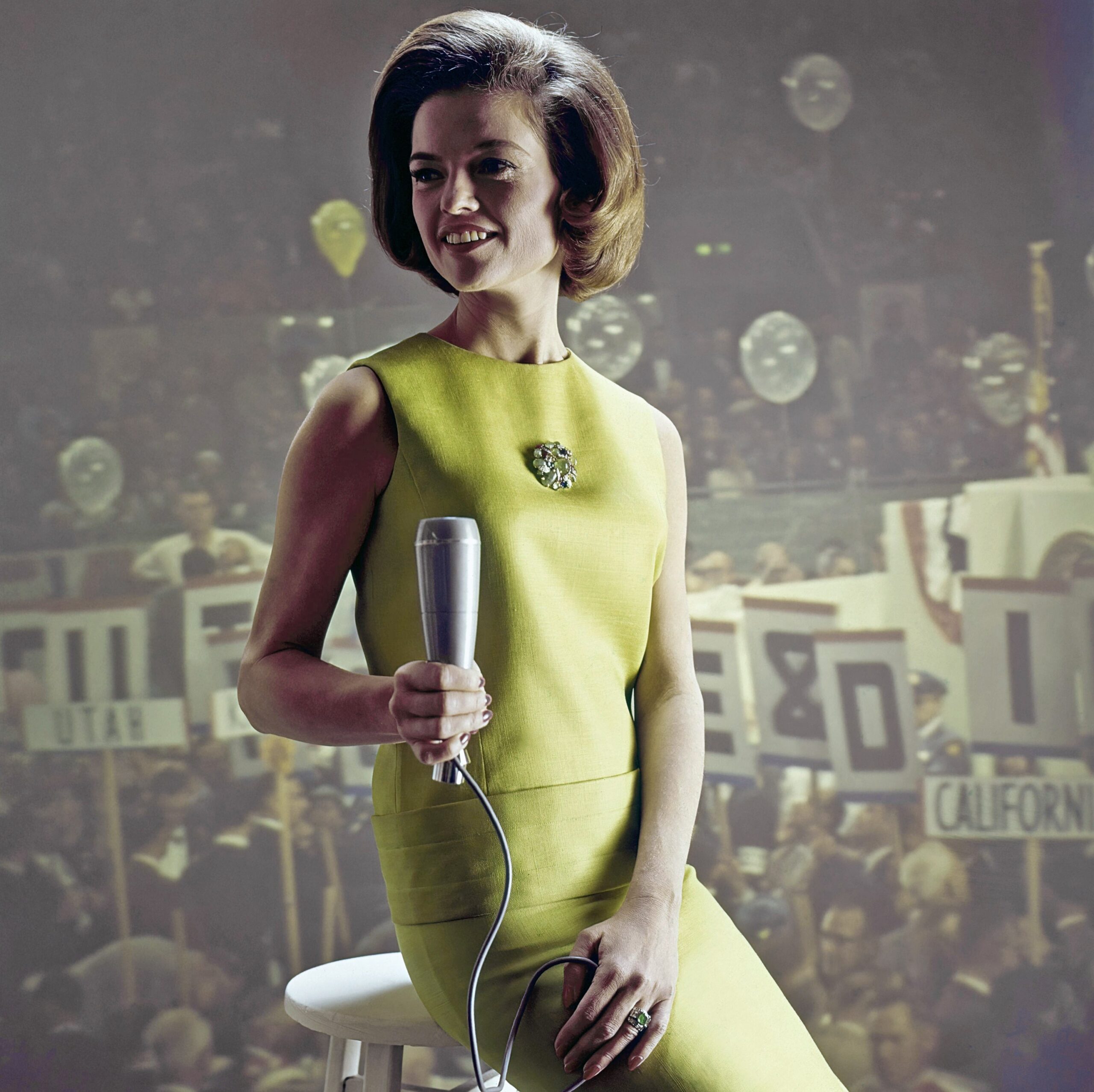
Everett Collection
Long before Barbara Walters was teamed with Harry Reasoner on ABC’s evening news broadcast or Connie Chung sat alongside Dan Rather on CBS or Katie Couric became the sole anchor of the CBS Evening News, Nancy Dickerson was a pioneer in television journalism. In 1954, Dickerson, working in a newsroom or covering the White House beat was akin to the rarity of women first being allowed in male players’ locker rooms in professional sports decades later. Although television news may still, to a large extent, be male-dominated, before Dickerson, it might well have been described as male-exclusive. As the first female correspondent at CBS News, Dickerson blazed the trail for all those who followed.
In 1963, Dickerson moved to NBC, where she landed such coveted assignments as election campaigns, Capitol Hill, and the White House. That same year, she covered the Kennedy assassination and Martin Luther King Jr.‘s “I Have a Dream” speech at the March on Washington. For many of her assignments, she was the sole female reporter covering them. Dickerson also went on to write and anchor a five-minute daytime newscast for the network, the first woman to do so. That Dickerson opened doors for her gender is undeniable.
There are more female correspondents in the field and behind the anchor desks, but the instances of women at the helm of the Big Three networks’ evening newscasts have met with unenthusiastic responses. Despite some inequities that still make the network news business seem like an “old boys’ club,” the progress made as a result of Dickerson’s career makes her a major player in shaping the history of television.
Diahann Carroll
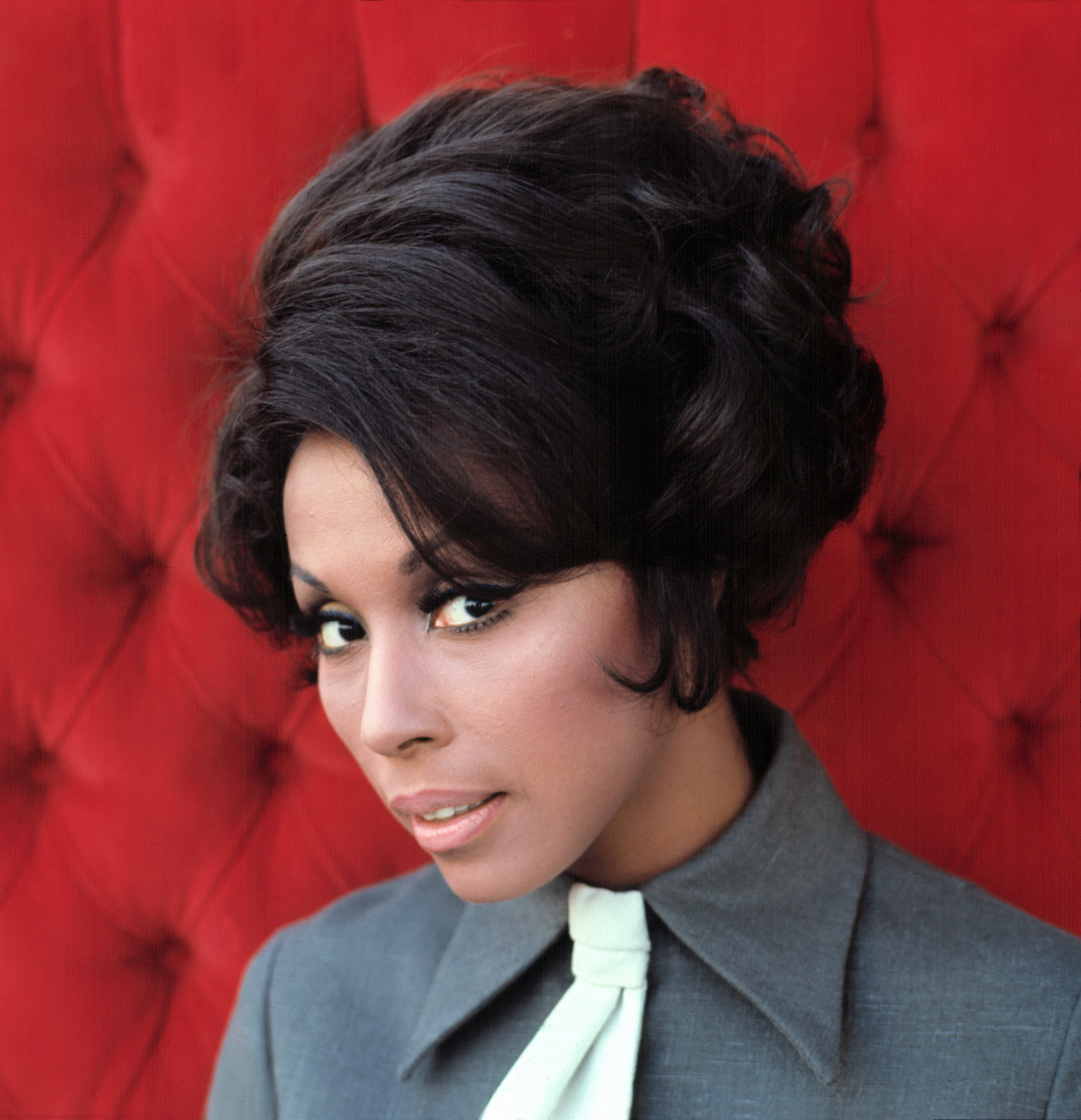
Everett Collection
The glamorous actress and singer Diahann Carroll made waves and headlines when she was cast in 1968 as the first contemporary, non-stereotyped Black lead of a comedy series in NBC’s Julia. Playing a nurse, mother, and widow of a Vietnam War hero, Carroll brought a calm, dignified elegance to a role that was earthshaking in its normalcy, much as the casting stirred controversy.
“It is time to present the Black character primarily as a human being,” she told TV Guide Magazine in 1968, at the height of the civil rights era. “I want to do something that deals with a Black person in the everyday situation of ups and downs, good and bad.”
Though some critics wished the show had tackled racial issues more forcefully, Julia was an important milestone. And years later, Carroll broke another barrier by becoming “the first Black @#$%” in a primetime soap as Dominique Deveraux in the ’80s phenom Dynasty.
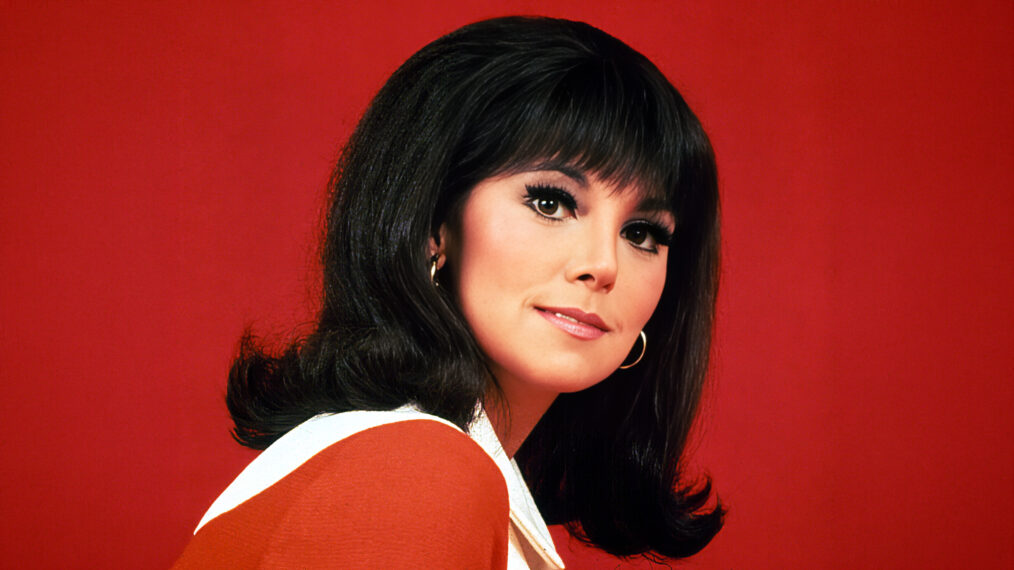
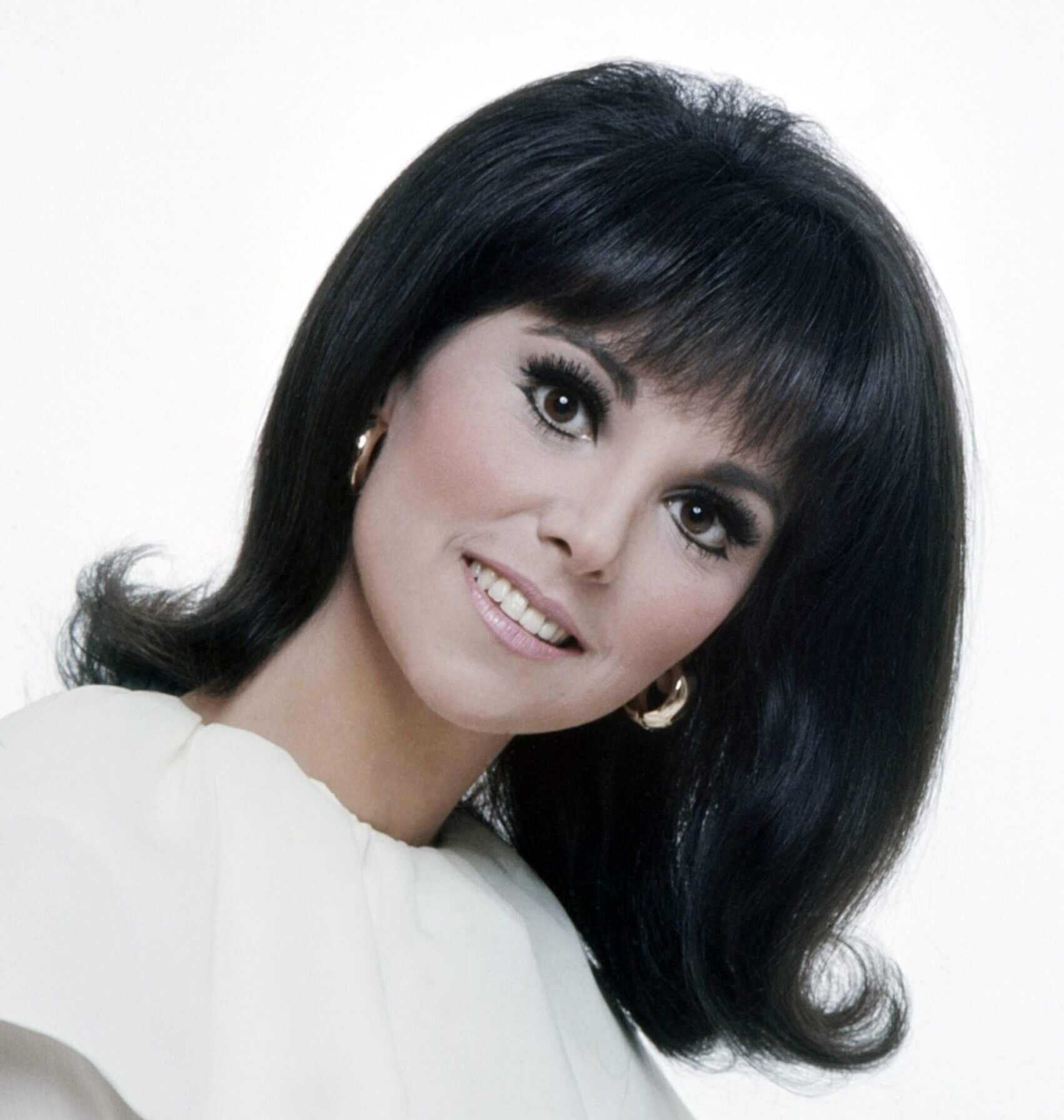
Marlo Thomas
Mario Casilli/TV Guide/courtesy Everett Collection
Before Mary Tyler Moore tossed her hat into the Minneapolis wind, before Murphy Brown changed secretaries like other people change underwear, and before Carrie sought sex in the city, Ann Marie, aka That Girl, climbed aboard the suburban commuter train from Brewster, New York, to seek fame, fortune, and romance in the big city. A young single girl living on her own in Manhattan and trying to make it in show business may seem like pretty tame fare in the 21st century, but when That Girl debuted in 1966, television was still a man’s world. From Father Knows Best to Leave It to Beaver, a woman’s place was in the home, or perhaps, in a case like Our Miss Brooks, in the classroom. But on her own in a New York City apartment? Not on network television! The men went to work, and the wives stayed home cooking up schemes to trick their men or getting into predicaments from which their men could rescue them.
During its five-year ABC run, That Girl did not necessarily tackle feminist issues head-on or include groundbreaking storylines. There were the traditional sitcom trappings. Ann gets her toe stuck in a bowling ball, Ann meets “special guest star” Ethel Merman, and so forth, but the program did present a young girl who was not afraid to embrace life with little more than ambition and self-assuredness. Ultimately, Ann did things on her terms and spoke her mind. That represents the turning point for the modern TV woman, opening the door for everyone from Kate and Allie to Cagney and Lacey.
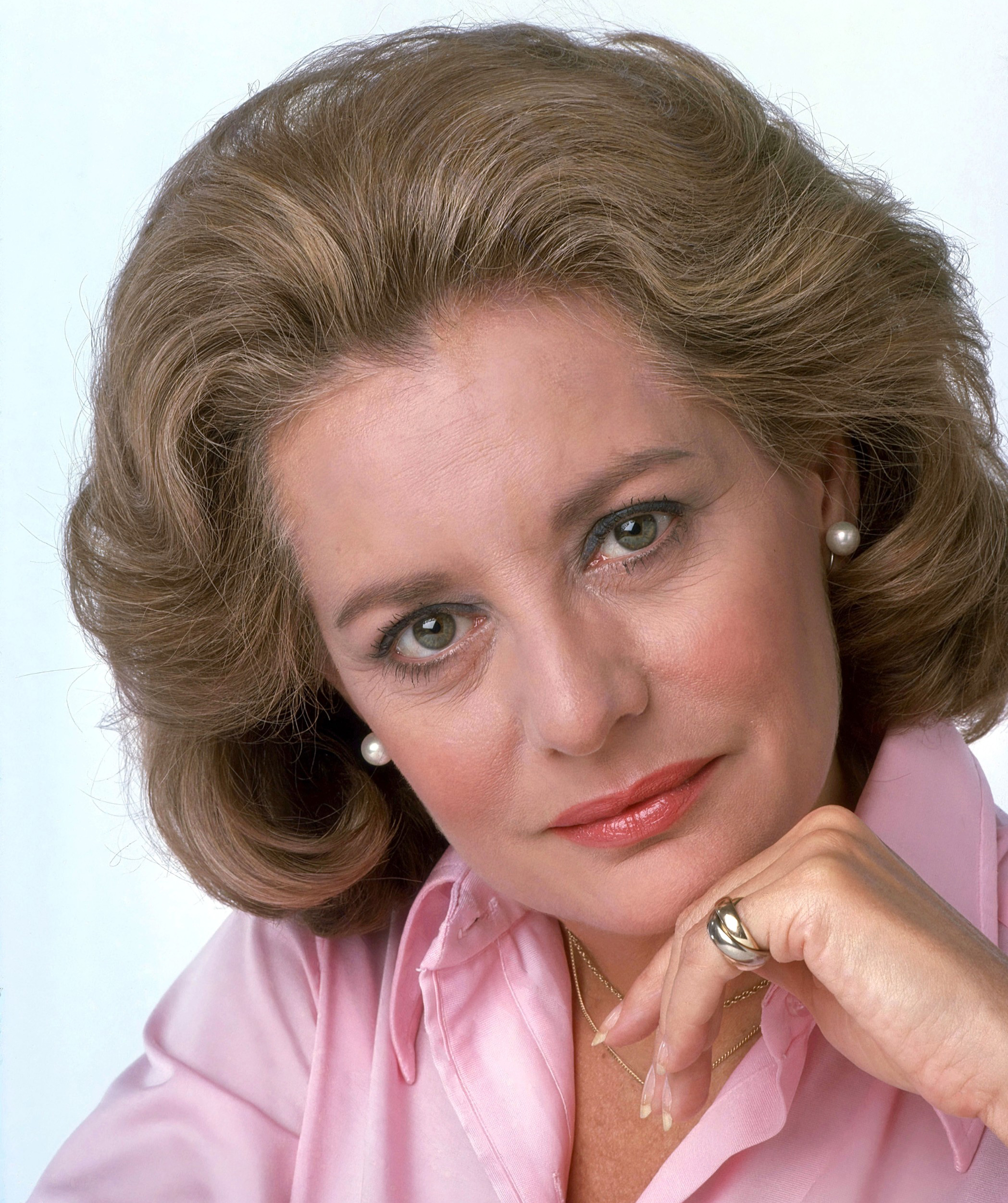
Barbara Walters
Henry Wolf/TV Guide/Courtesy Everett Collection
Barbara Walters never met a glass ceiling she couldn’t shatter. The pioneering newswoman, who eventually became as famous as the celebrities she interviewed, was named the first female cohost of the Today show in 1974 after more than a decade as a writer and on-air contributor.
Two years later, she catapulted into the front ranks of TV journalism when she left NBC for ABC to coanchor the evening news with Harry Reasoner, with a much-publicized five-year, $5 million contract. That didn’t work out, but she found her calling as a longtime cohost of the newsmagazine 20/20 with the more compatible Hugh Downs, commanding yet more attention with her primetime Barbara Walters Specials in which she asked probing, sometimes embarrassingly intimate, questions of the rich, famous, and infamous. Her 1999 interview with Monica Lewinsky drew an estimated 50 million viewers. As a bookend to her astonishing career, she returned to daytime TV as creator and cohost of The View, which is still going strong.
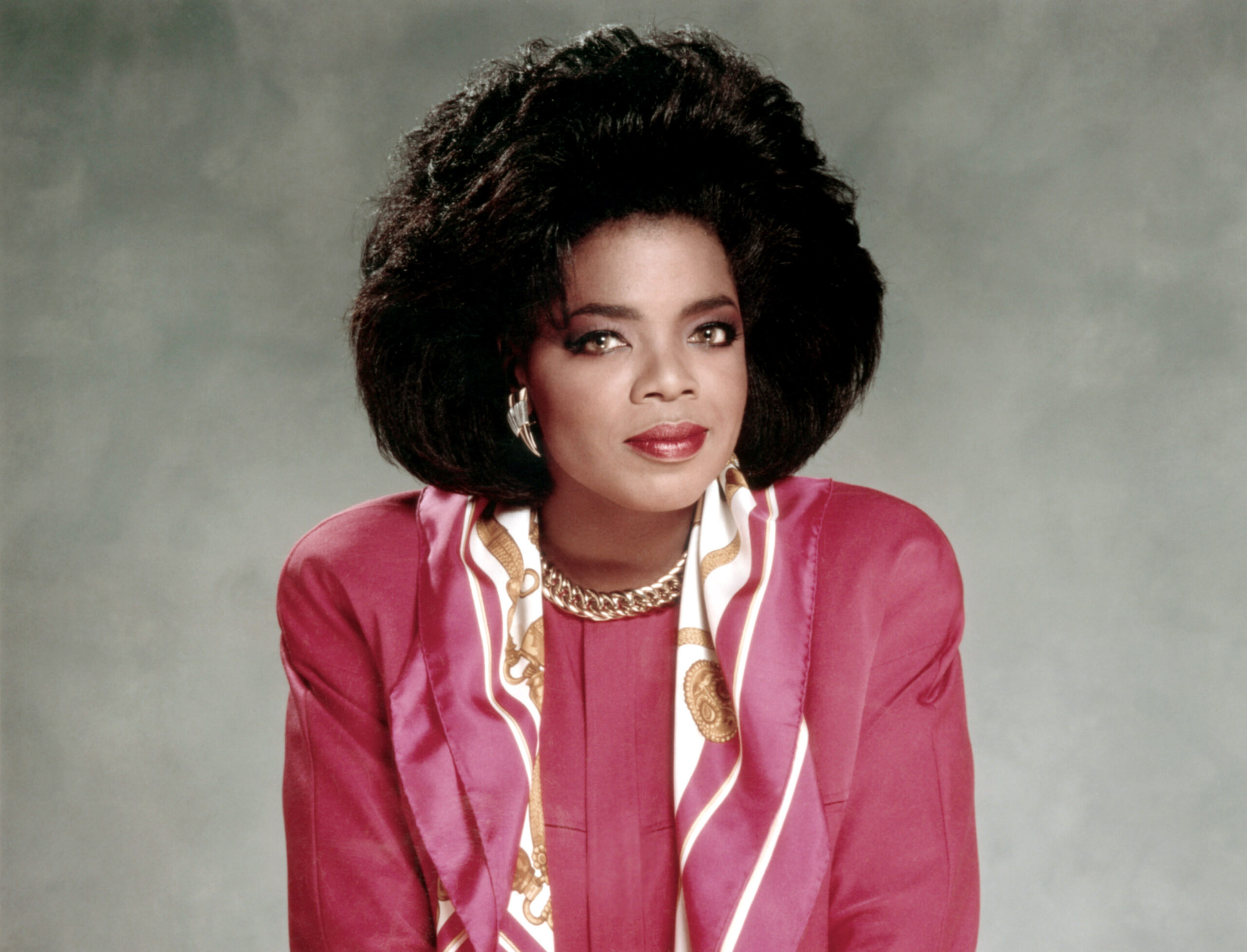
Oprah Winfrey
Everett Collection
Daytime talk was nothing new when the Mississippi-born broadcaster entered the national scene with The Oprah Winfrey Show in 1986. But no one had ever seen, heard, or — most importantly — felt anyone quite like her. She raised the format to new heights with empathy, emotional enthusiasm, and a mission of empowerment that elevated the talk show from the tabloid gutter.
Tackling taboo subjects with an almost spiritual fervor and introducing the concept of “self-help” to the conversation, Winfrey reaped a fortune that allowed her to start her own production company and launch her OWN cable network, expanding her influence as the “Queen of All Media” beyond the 25 years of her daily gab session. “I have a lot of things to prove to myself. One is that I can live my life fearlessly,” Winfrey, now 72, told TV Guide Magazine in 1992. “But I don’t have anything to prove to the world. My work isn’t about that. I just want to do things that mean something to me.”
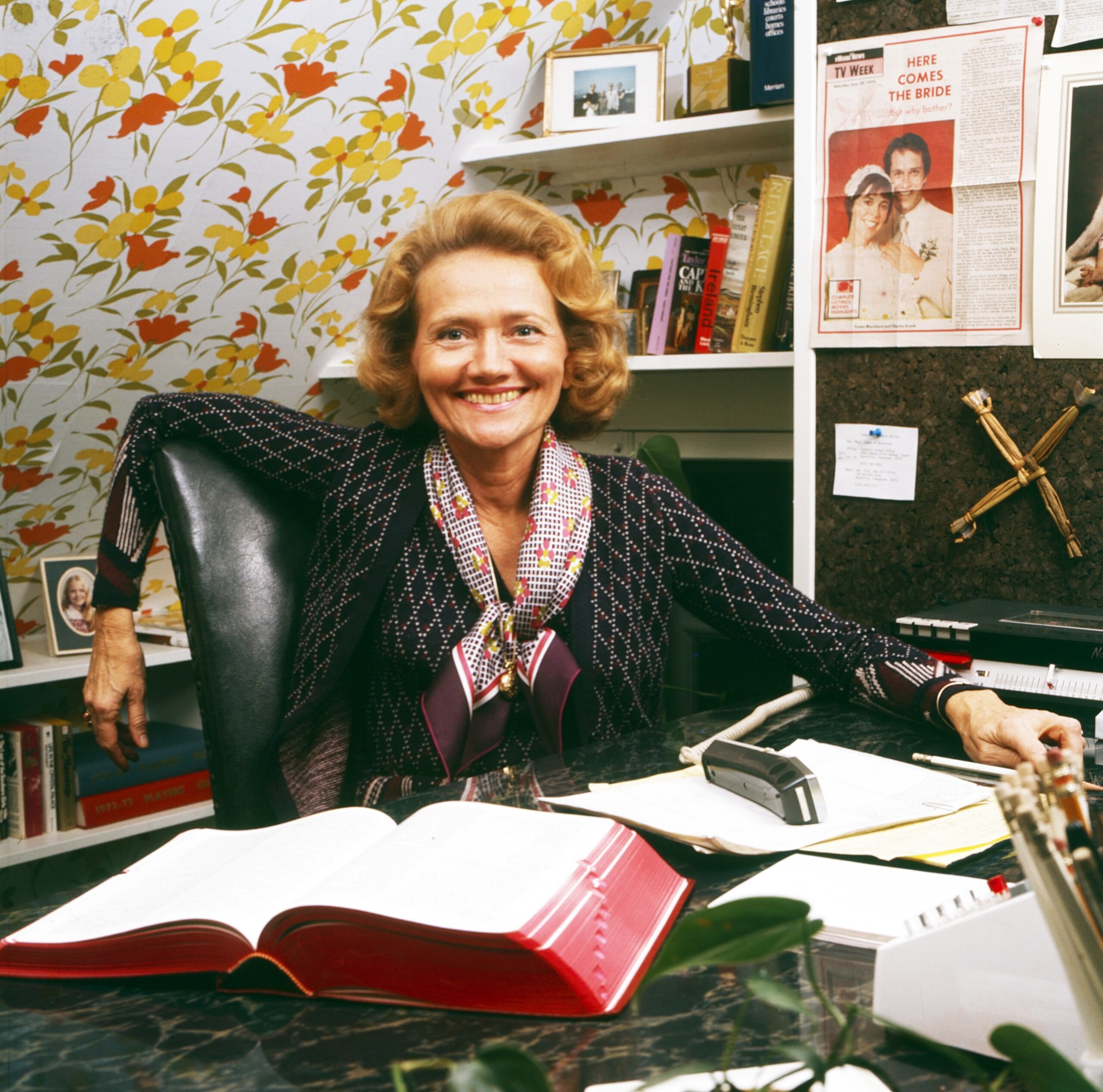
Agnes Nixon
TV Guide/Courtesy Everett Collection
Soap operas were never the same after Agnes Nixon showered the genre with a dose of reality. “Our primary mandate is to entertain, but I do think people are entertained by being made to think,” she told TV Guide Magazine in 1975 during the heyday of her greatest creations, All My Children and One Life to Live, both of which aired for more than 40 years. Nixon’s epiphany came a decade earlier when, grieving a friend who had died of cancer, she created a storyline on The Guiding Light in which a character is diagnosed with cervical cancer after getting a necessary Pap smear.
Her series brought new relevance and a younger audience to the grind of daytime soaps, reflecting contemporary attitudes about race and sexuality, and confronting hot-button topics including abortion, AIDS, venereal diseases, drug addiction, and homosexuality. And without Nixon, we’d never have known Susan Lucci‘s Erica Kane, who towered above all soap-opera vixens.
This is an excerpt from the May 2026 Pioneers of TV Issue of ReMIND Magazine and was written Matt Roush, and Lou Orfanella. You can purchase the full issue at the link below.

From unknown dimensions to supernatural soaps, these writers, producers and creators broke the mold.
 Remind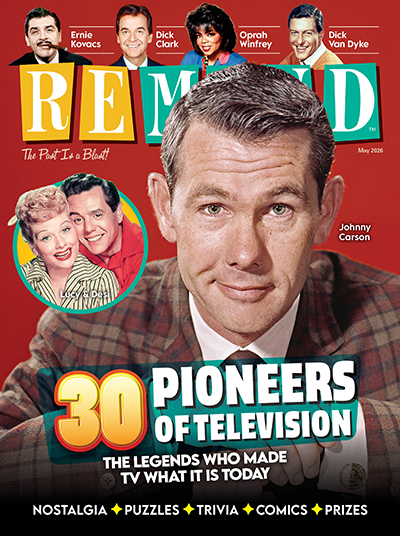
Pioneers of Television
May 2026
They were the innovators, the pioneers, the rebels. They dared to try something new and to push television to new limits.
Buy This Issue