

Remember Getting Apples, Nickels and Tootsie Rolls for Halloween? A Look Back at Trick-or-Treating


Neighborhood streets in the 1950s and 1960s belonged to kids on Halloween night. Youngsters would be fired up and ready to go, grabbing a pillowcase, grocery bag, or sack, only to be slowed down slightly by a mom fussing over the finishing touches. Then they were turned loose on the neighborhood. No cellphones. No parents trailing behind in a car. Just kids, costumes, dark streets and the promise of enough candy to make children sick before bedtime.
In the 1950s, times were simple, and candy ranged from suckers, penny candy, and apples to small chocolate bars, Tootsie Rolls (candy founder Leo Hirschfield named the chewy chocolate roll after his daughter Clara’s nickname, Tootsie) and even money (nickels were most common, dimes if you were super lucky). M&M’s arrived in 1941, chewy fruity Starburst in the 1960s, and Reese’s Pieces in the 1970s. Here we look at some of the candy of the past that makes us smile.
Let us know in the comments if we missed any of your favorites!
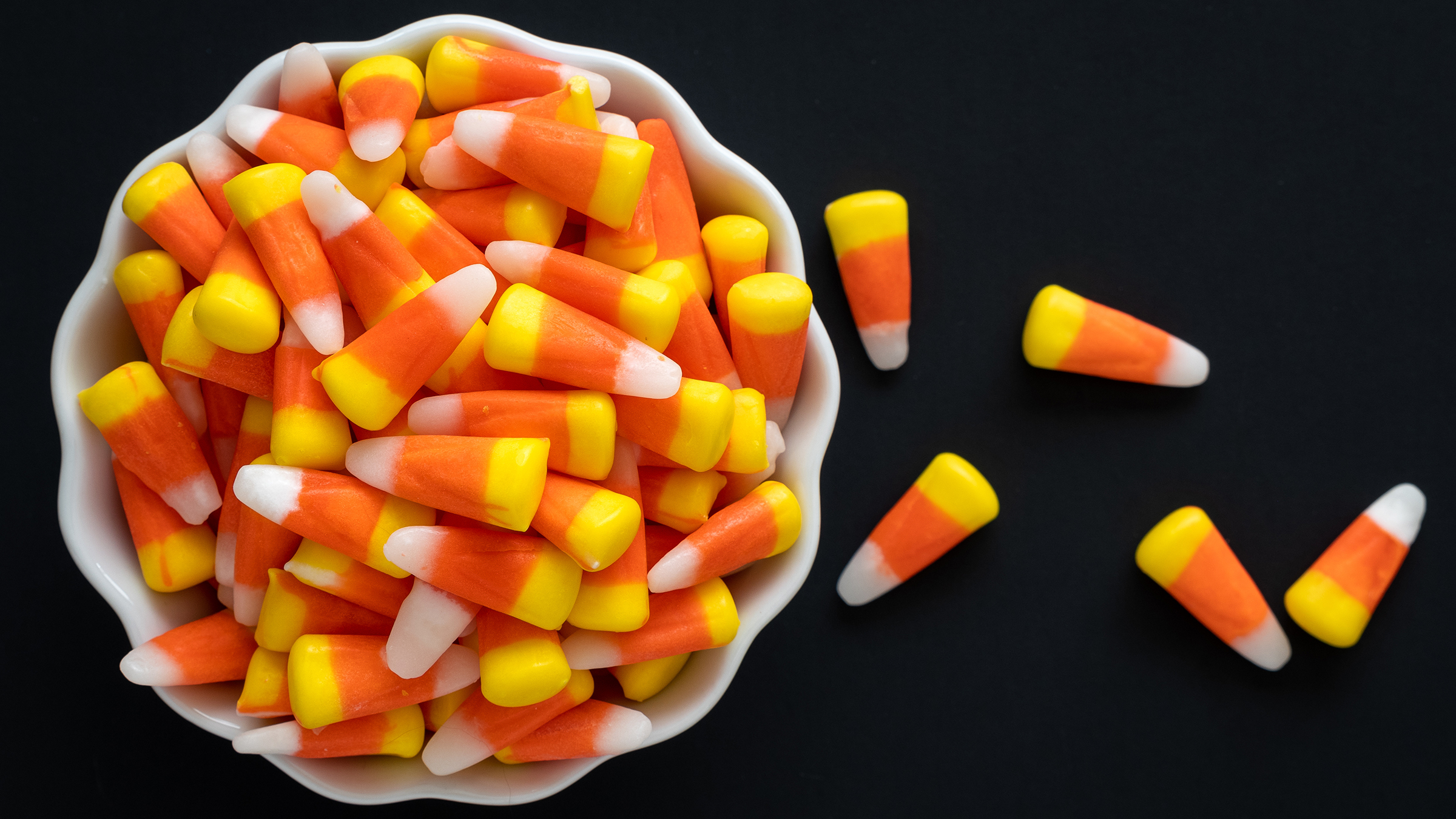
Candy corn
Do you bite off the white tip of sugary goodness first, then work your way down to the orange and yellow? It was common for trick-or-treaters to get just a handful (not individualized baggies) of loose candy corn that made its way to the bottom of the bag. The candy was allegedly invented at Philadelphia’s Wunderle Candy Co. in the 1880s and was designed to look like chicken feed.
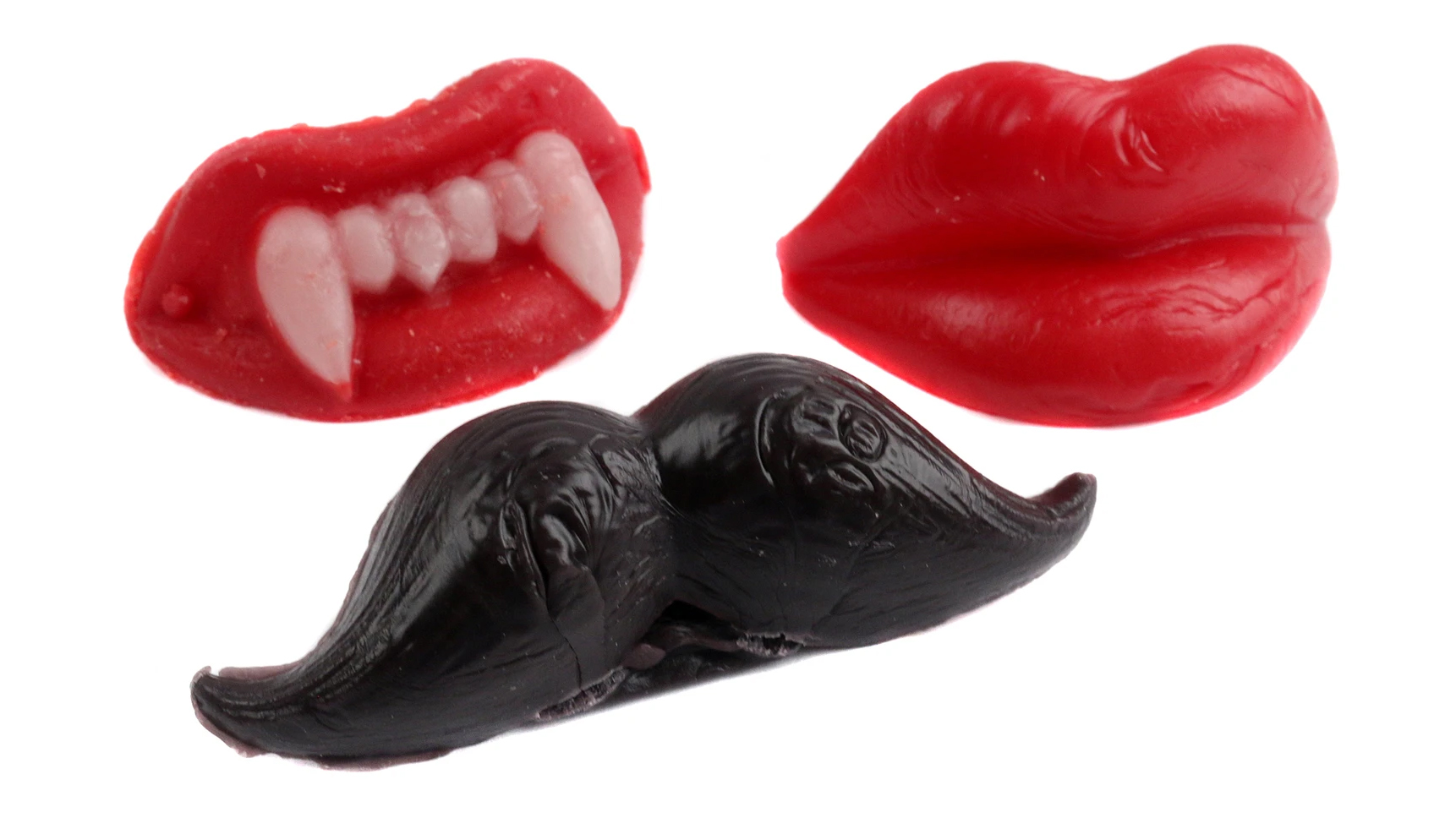
Wax candy
Whether it was the whistling orange harmonica, the oversized red lips, vampire fangs or those sugar bottles of colorful goodness, some of the wax you could eat, others you could just chew.
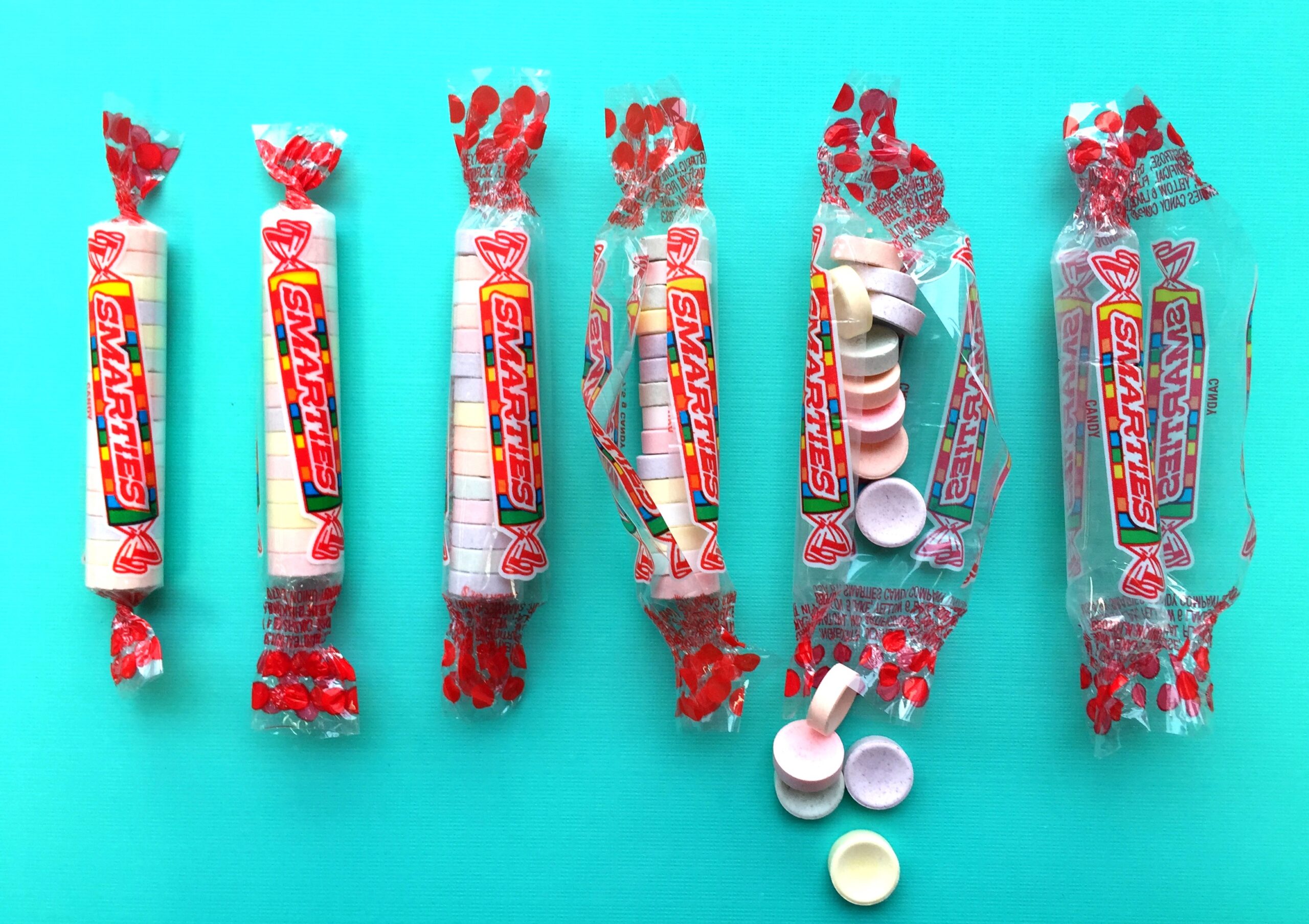
Smarties
On Jan. 10, 1949, Edward Dee left his life in England and headed to New Jersey, his family in tow, where he founded Ce De Candy Inc. and created America’s favorite candy wafer roll, Smarties. Originally, Smarties were bright in color and featured a chocolate inside; today the candies are more tablet-like, pastel in color and taste like orange cream, cherry, grape, strawberry and orange. The company changed its name to Smarties in 2011, and today makes billions of Smarties rolls each year.
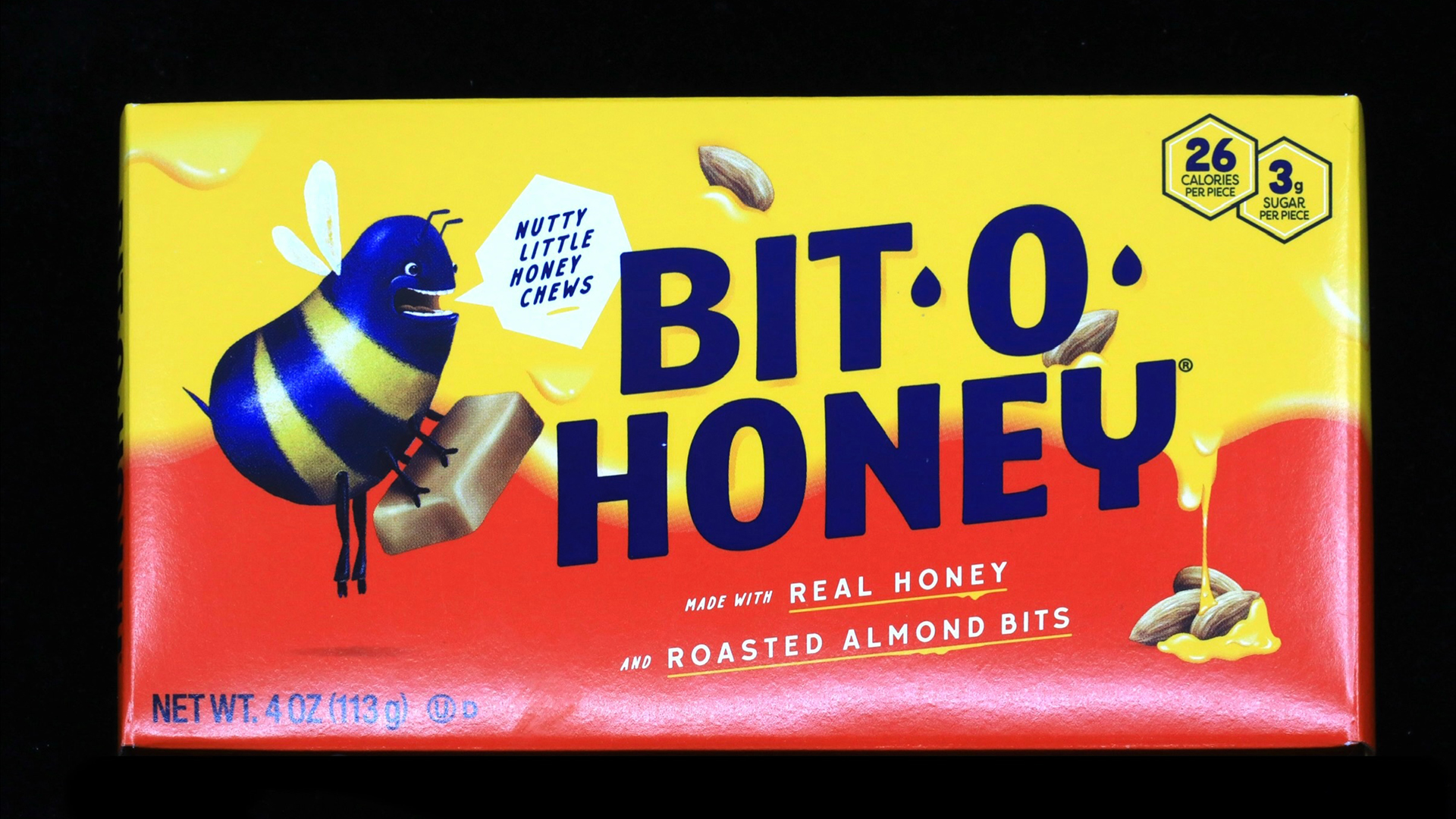
Bit-O-Honey
The candy company Spangler (who bought Necco Wafers) currently owns these bite-sized chews made with real honey and roasted almond bits. According to the company’s website, the candies got their start in Chicago in 1924, but their iconic bee mascot wasn’t introduced until the 1970s. These nutty little honey chews were also a first on the trading list for trick-or-treaters. “A little chew to get you through” remains the candy’s tagline.
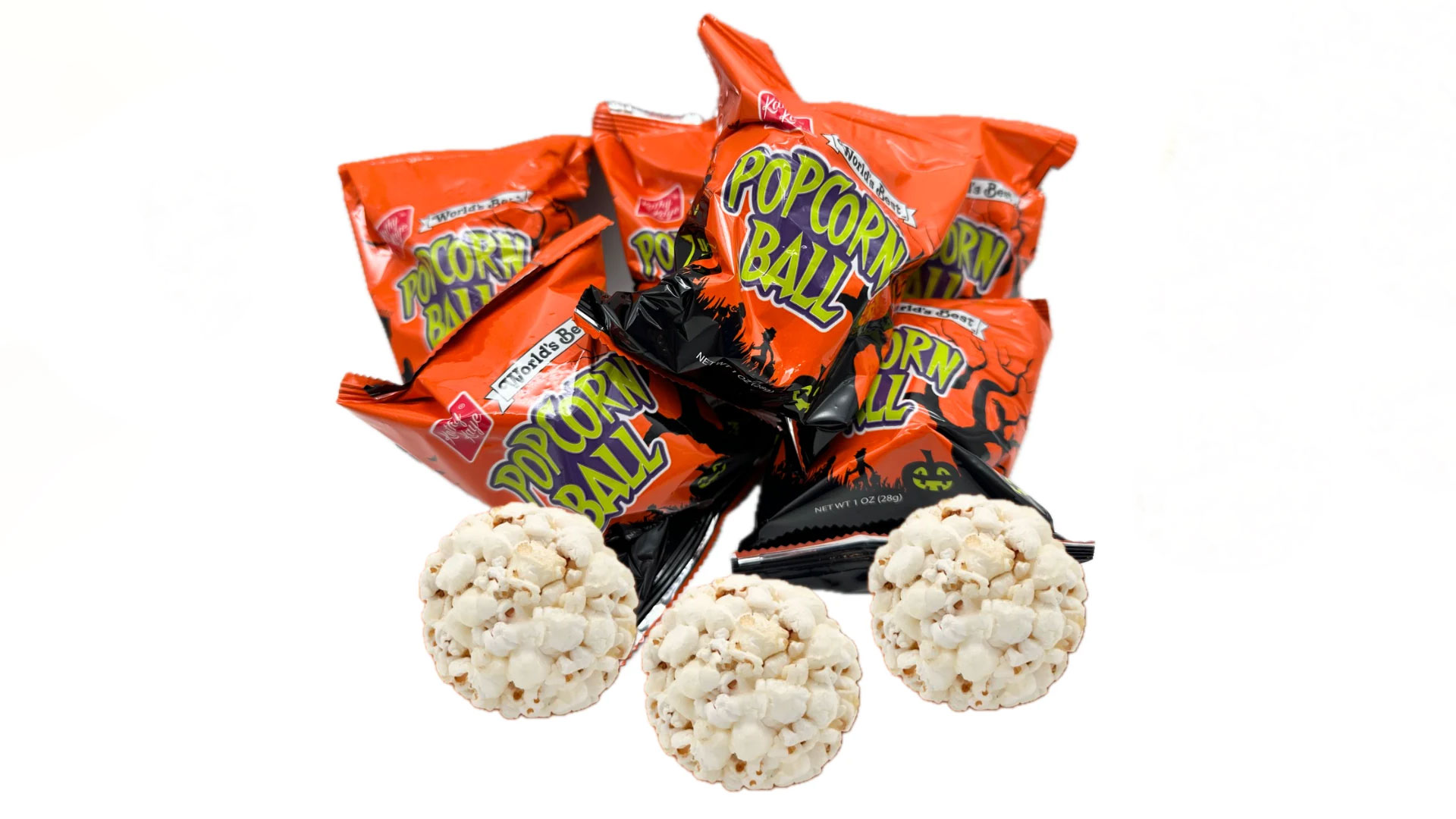
Popcorn balls
These sugared balls of popped corn not only served as a sticky Halloween treat, but in the late 1800s and early 1900s they were also decorative ornaments placed on Christmas trees and fireplace mantels. You can bet if one of these sticky, buttery treats (wrapped in wax paper) showed up in your trick-or-treat pail, most candy-cautious mothers shot them right in the garbage can.
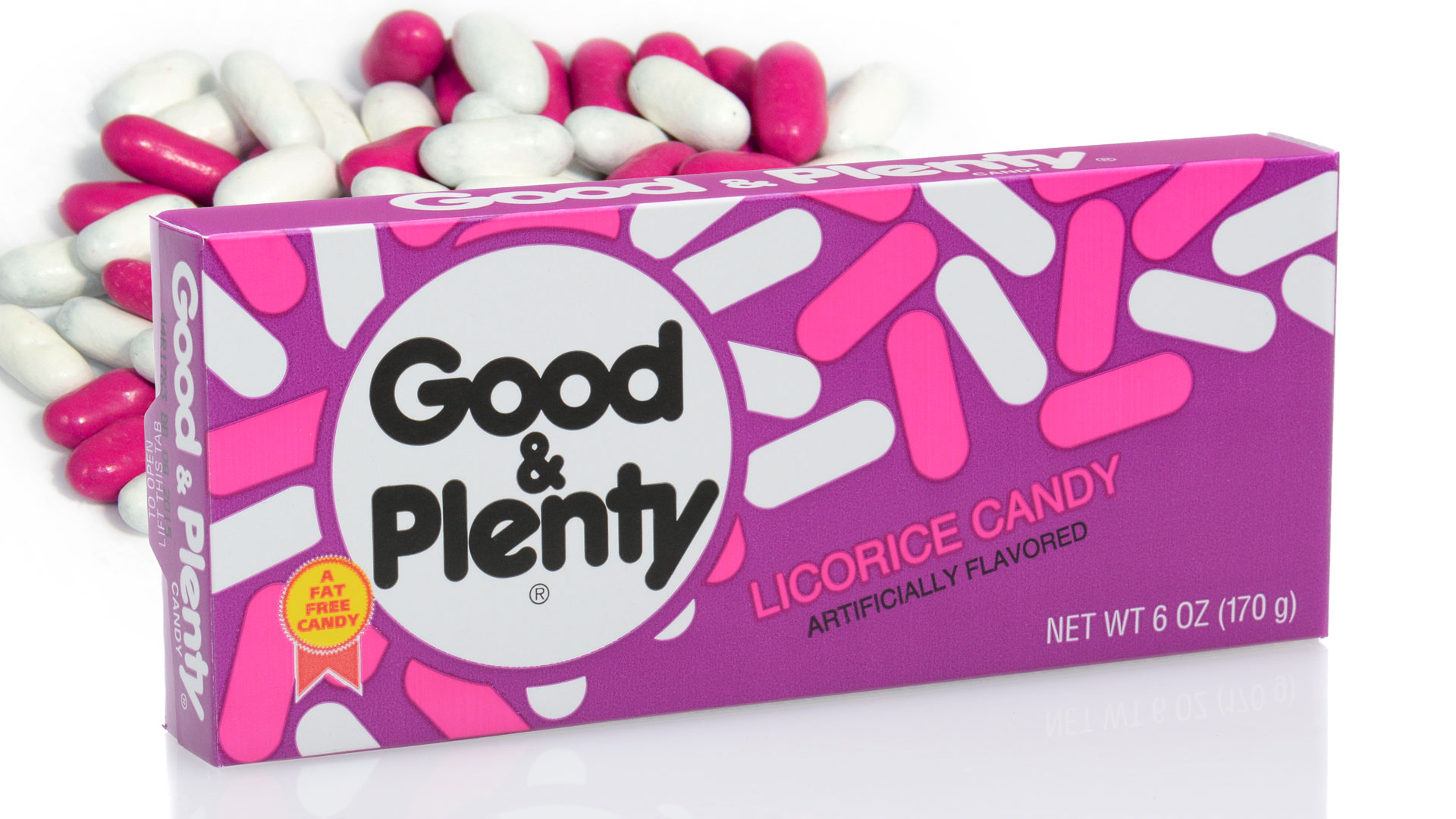
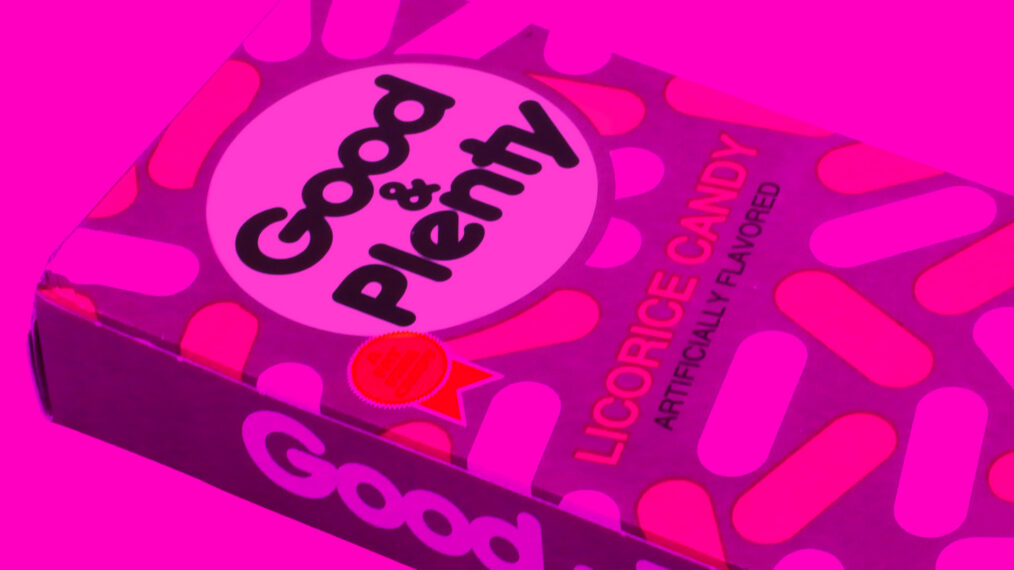
Good & Plenty
These narrow, pill-like cylinders of black licorice with a coated candy shell are one of the oldest continually produced American candies. Produced by the Hershey Company — along with their sister candy Good & Fruity, which was discontinued in 2018 — these candies date back to 1893. “Love my Good & Plenty!”
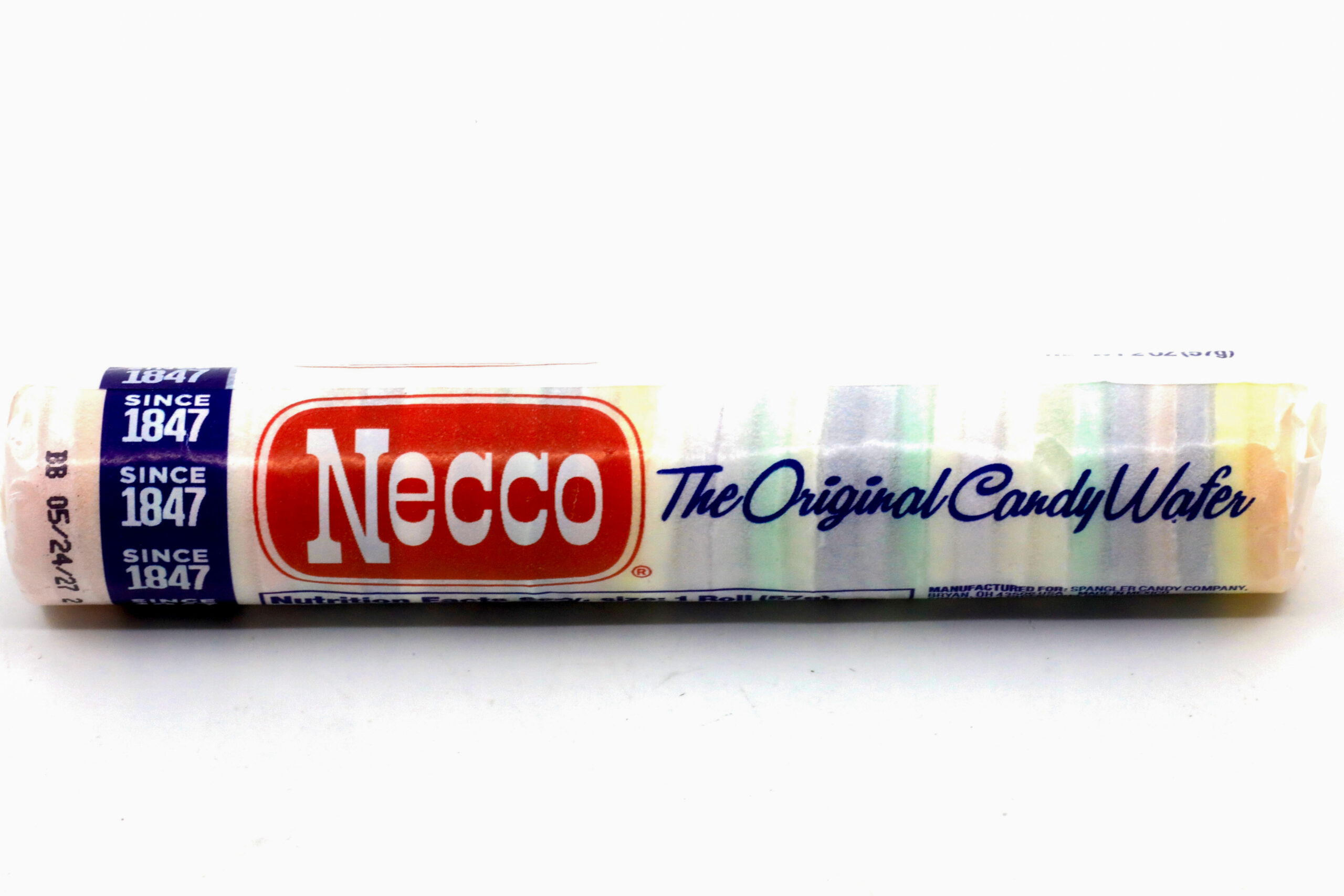
Necco Wafers
These chalky branded wafer tablets (also known as Hub Wafers) were wrapped in wax paper and have origins that date back to Civil War rationings (they didn’t melt and traveled well). These candies, however, were the first thing any kid would trade when they dumped out their loot after trick-or-treating. The family-owned Necco did become the leading manufacturer of the Valentine Day “conversation” hearts. In 2018 Necco went bankrupt, but the Spangler Candy Company bought the brand and have a lot of classic candy in their arsenal, including Dum-Dum suckers and those marshmallow circus peanuts.
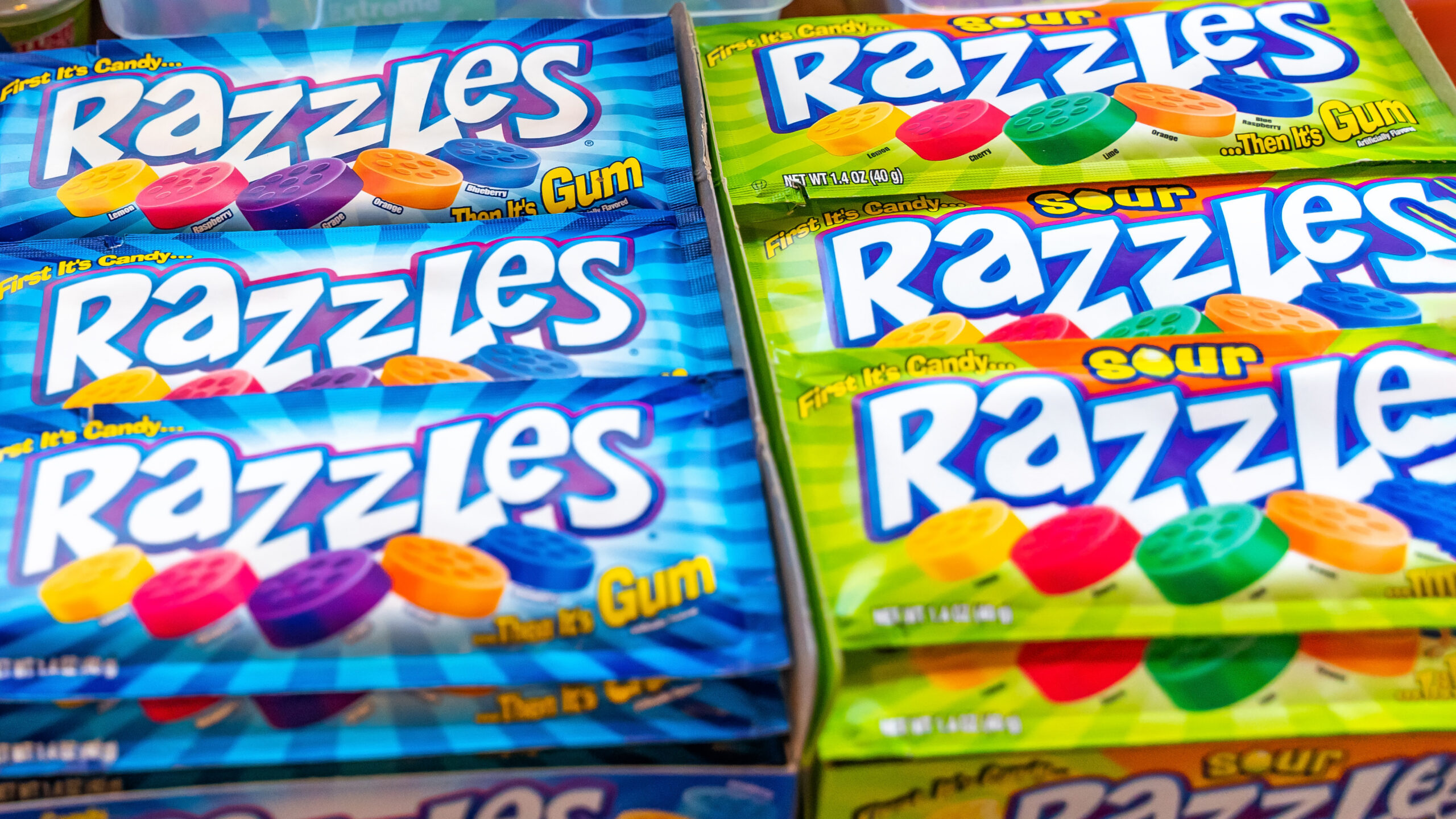
Razzles
Launched in 1966 by the Fleer Corporation, this iconic raspberry candy is most remembered for its catchy jingle: “First it’s a candy, then it’s a gum. Little round Razzles are so much fun.” The candy experienced a nostalgic resurgence when it appeared in the 2004 hit movie 13 Going on 30.
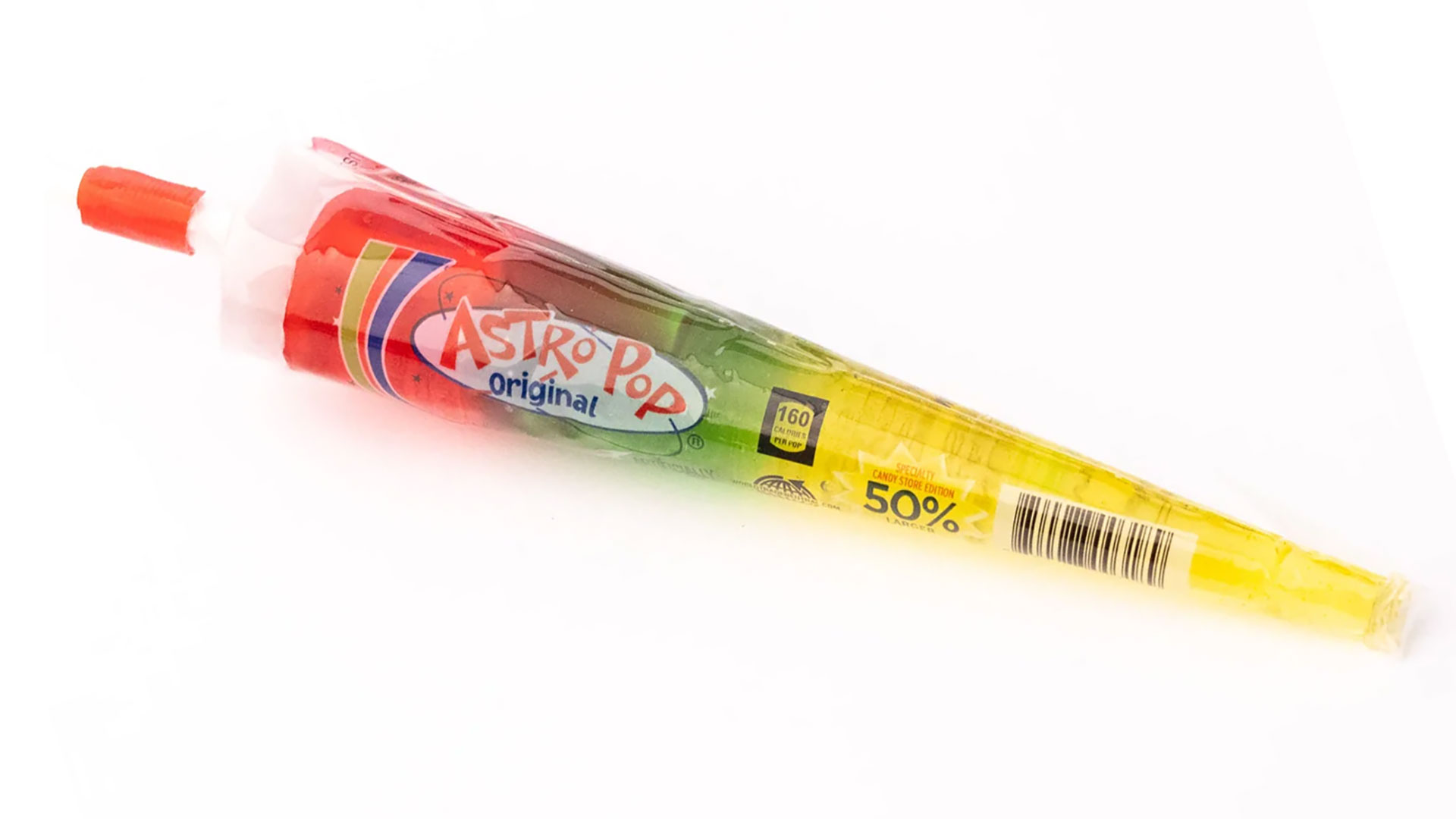
Astro Pops
These iconic multicolored suckers were launched during the height of the Space Race. Cherry, passion fruit and pineapple flavors made up the tri-colored rocket-shaped lollipop. Today, Leaf Brands (dating back to 1947) owns the candy along with Farts Candy, Wacky Wafers, Bonkers! and more.
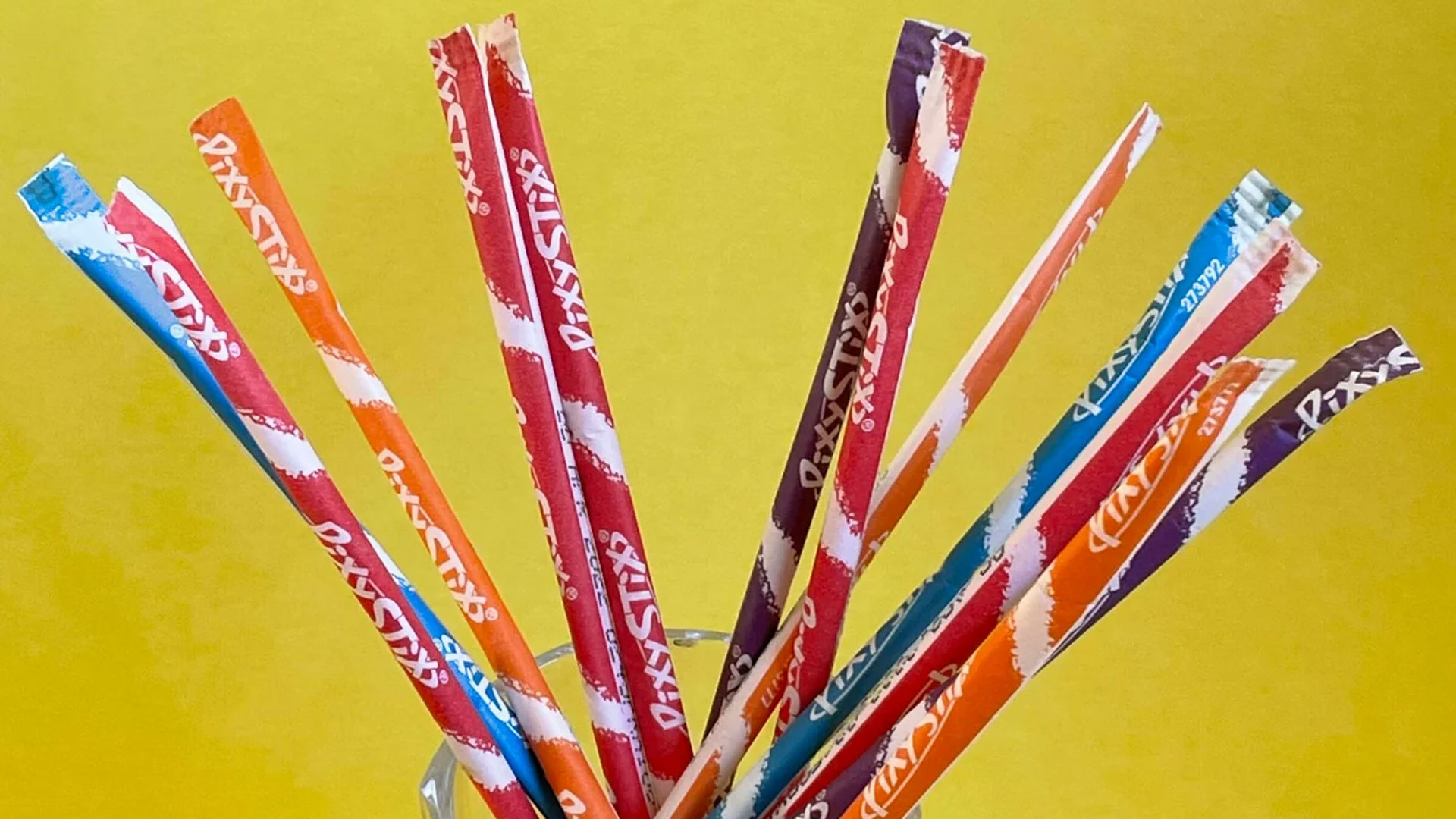
Pixy Stix
Originally created from the powdered drink mix Frutola in the 1930s, Pixy Stix took it to a whole new level filling skinny colorful cardboard sticks with fruity flavored powder. Kids could quickly satisfy their sugar addiction by ripping through the top and pouring the sugar right onto their tongues.
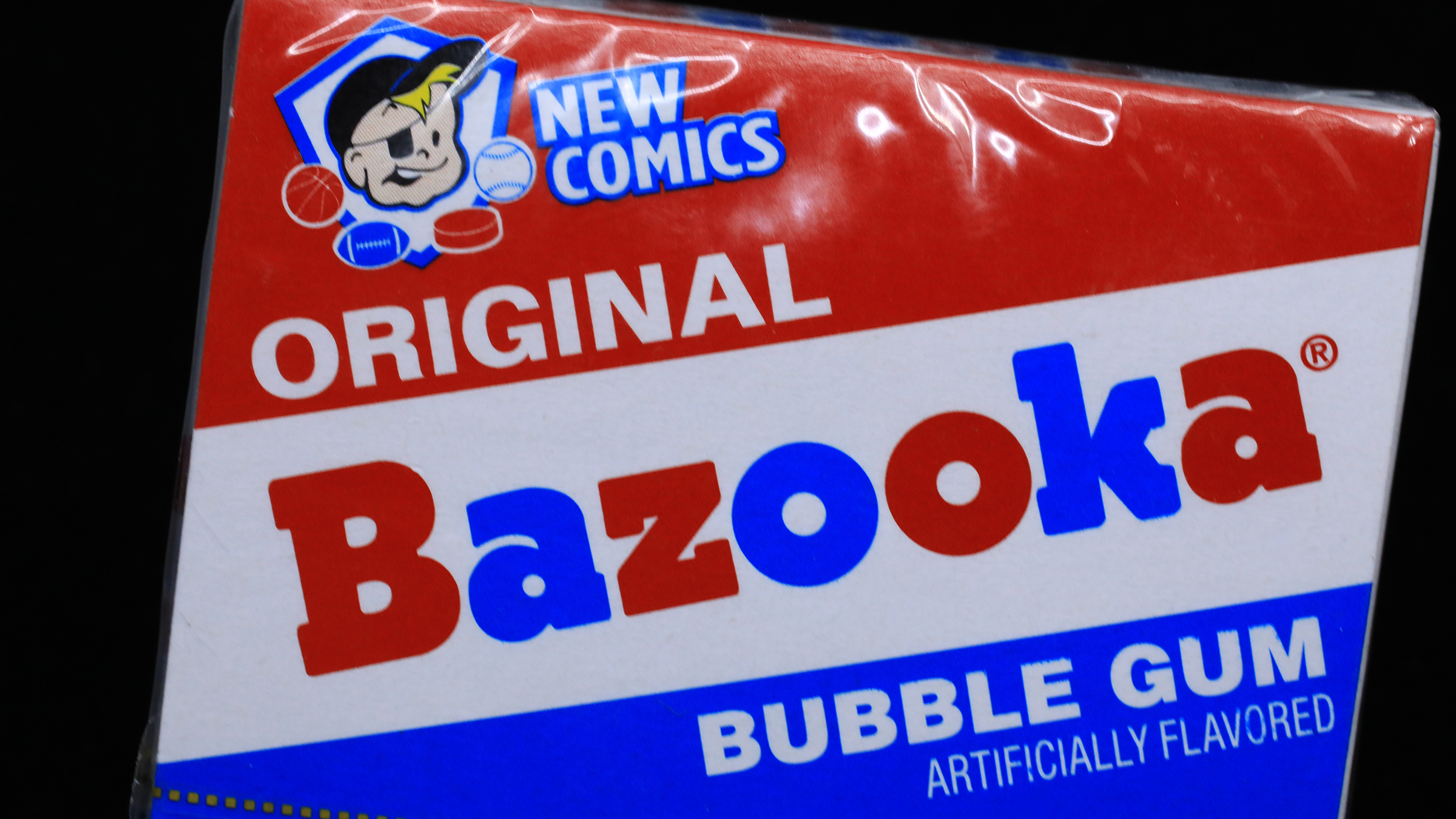
Bazooka
The eye-patch-wearing Bazooka Joe and his comic made their debut in the gum wrapper in 1953. The storied bubble gum went on to introduce grape-flavored gum in 1965, Ring Pops in 1977 and Push Pops in 1986, and continues to keep the nostalgic look and taste relevant today.
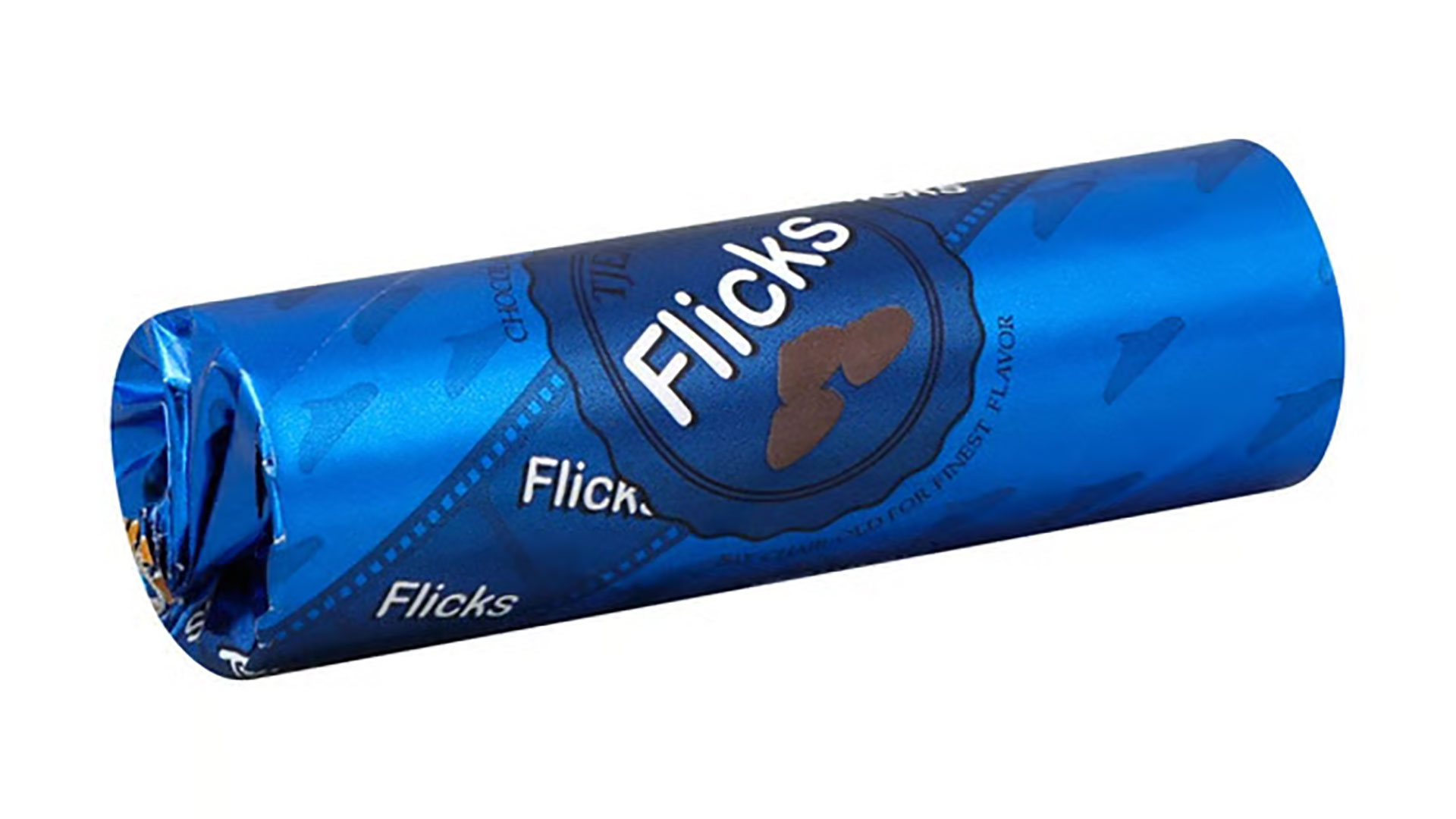
Flicks
These skinny tubes of melt-in-your-mouth chocolate discs were sold in shiny bright packaging — gold, red, green and blue — and were made by Ghirardelli until they were discontinued in 1989. In 2004, candymaker Jim Tjerrild brought the candy back.
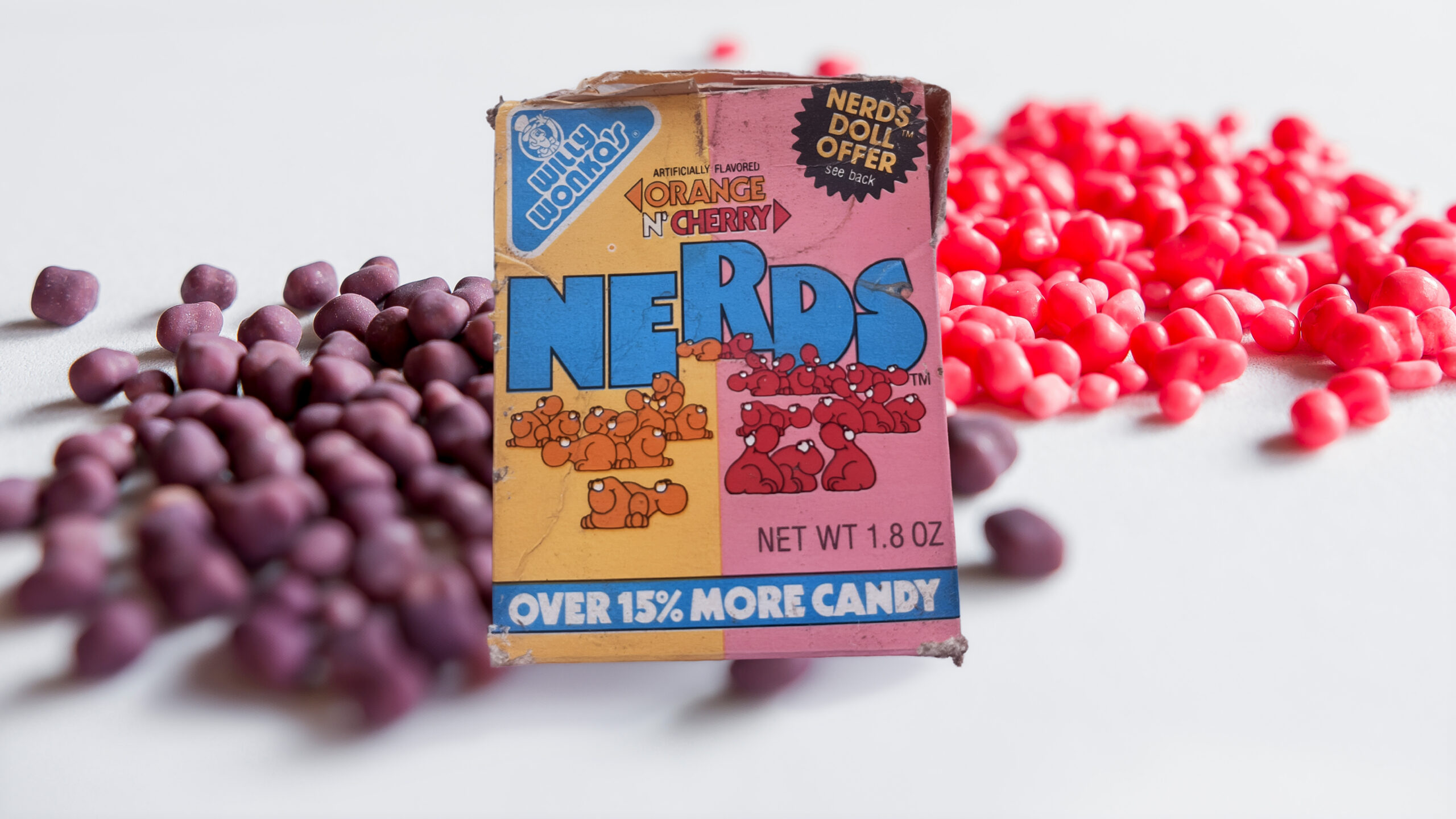
Nerds
Introduced in 1983, Nerds pushed the decade’s candy obsession with texture and novelty even further. The tiny, crunchy, intensely flavored pieces felt less like traditional candy and more like edible gravel designed by someone with a serious sugar habit.
This article appeared in the October 2026 Halloween issue of ReMIND Magazine. You can purchase the full issue at the link below.

Halloween Traditions
October 2026
Learn all about All Hallows’ Eve, ghost towns, the best Halloween TV episodes and more!
Buy This Issue