

When Does Daylight Saving Time End in 2026? Dates, Clock Changes & History Explained






What To Know
- Daylight Saving Time begins in the U.S. on Sunday, March 8, 2026, at 2 am.
- Created to conserve energy, DST’s effectiveness is now questioned due to modern technology.
- Debates continue nationwide about whether to keep or eliminate the practice.
Despite lingering snow, ice, and cold winds across much of the country, spring is finally approaching. With more sunshine, longer days, and birds beginning to chirp, warmer weather is on the way after a long winter.
On Sunday, March 8, 2026, at 2 am, Americans will spring their clocks forward one hour as Daylight Saving Time (DST) begins, causing many to lose an hour of sleep. In recent years, daylight saving time has become increasingly controversial, with several states considering or choosing to eliminate it. So when did daylight saving time start, why was it created, and why is it still debated today?
Why was daylight saving time created anyway?
If you curse the clock after losing some of your precious slumbers, you can blame Benjamin Franklin. The founding father who said, “Early to bed, early to rise makes a man healthy, wealthy and wise” had the idea of DST to conserve energy. He first proposed the idea in one of his letters in 1784, but the clock change didn’t happen until over 100 years later.

Picryl
In 1916, Germany first implemented the time change as a way to conserve fuel during World War I. Europe and the United States followed during the next few years. At some point, the rumor spread that farmers wanted to implement DST to gain an extra hour in the fields, but this has proven false. Farmers actually didn’t want this to happen because they would end up losing light in the morning when they were bringing their crops to the market. It isn’t just us humans that are affected negatively by losing an hour of sleep; turns out that animals, including farmer’s cows, don’t like it either.
While DST was created to conserve energy, reports show that it doesn’t really do much these days. As technology improved, we now have more energy-efficient electronics and lightbulbs, which dub any energy conservation created by DST unnecessary. Unfortunately, it isn’t healthy for us either. While some argue that the extra sunlight can help us in those months when winter drags into spring, the opposite is true. There are more heart attacks, car accidents, workplace injuries, and general feelings of unwellness brought on by the lack of sleep. Yikes, be careful out there!
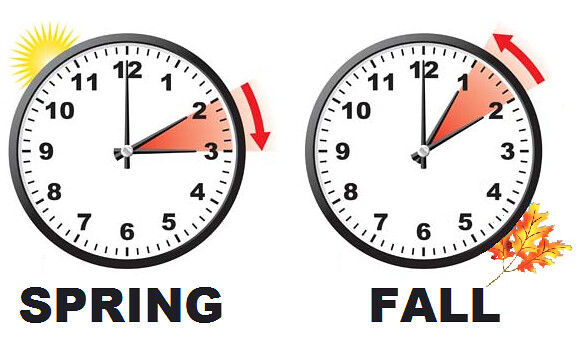
Mike Licht, NotionsCapital.com/Flickr
While some states, including Hawaii and Arizona, have permanently opted out of the time change, many others, like California and Florida, are hoping to follow suit. Starting this year, British Columbia is also instituting a permanent Daylight Saving Time change. But as for now, we are stuck with moving the clocks an hour forward in March and forcing through that fogginess on Monday morning. If you want to feel better, try going to bed earlier to get more sleep and help your body adjust to the time change. The prize? The sun will begin setting later and later, which means summer is closer than we think … even if the ground is still white outside right now.

The Collectibles Issue
August 2019
Take a tour of the collectible world, from celebrities with unusual acquisitions to regular folks who have turned playthings into a profitable passion.
Buy This Issue