

Whatever Happened to ‘Family Feud’s Ray Combs? The Tragic Fate of the Game Show Host


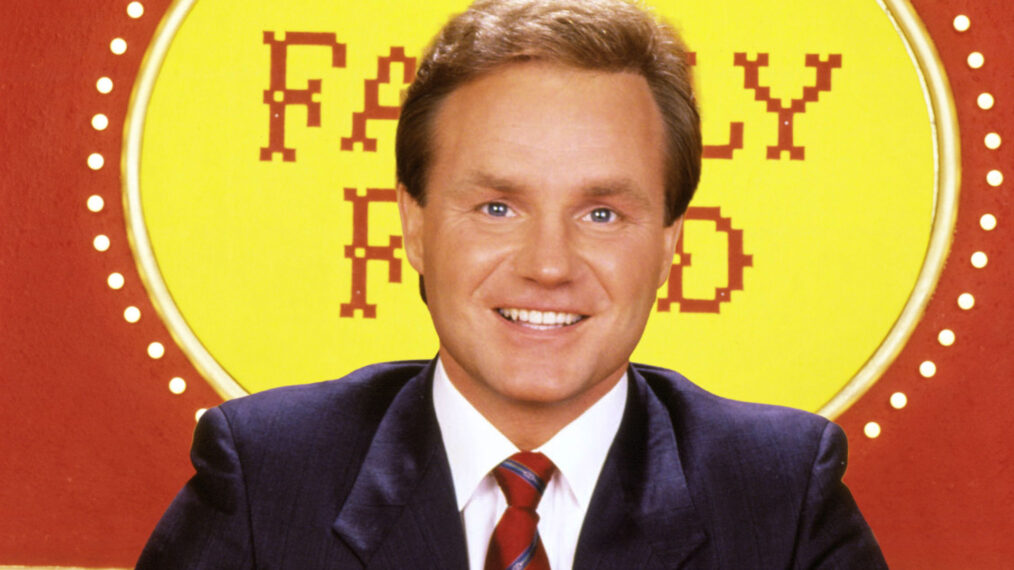
What To Know
- Ray Combs rose to fame as the charismatic host of the revived Family Feud in the late 1980s.
- Despite his success, Combs faced a series of personal and professional setbacks, including being replaced as host.
- These accumulating struggles severely impacted his mental health, ultimately leading to a tragic decline.
If you spent any time watching television in the late ’80s or early ’90s, chances are pretty darn good that Ray Combs was a regular guest in your home. As the host of The New Family Feud, Combs seemed like someone living out the Hollywood dream. Truthfully, the man seemed like he had it all. However, as time went on, he wound up carrying a heavy burden of personal, physical, and financial struggles that would eventually catch up to him.
Born in Hamilton, Ohio, in 1956, Raymond Neil Combs Jr. had a gift for making people smile. After getting married and moving to Indianapolis to sell furniture to support his high school sweetheart, Debbie, and their growing family, Combs realized his heart belonged in comedy. In 1982, he packed up his family and moved to Los Angeles.
During his early days in Hollywood, Combs worked in small clubs and as a warm-up comic for sitcoms like The Golden Girls and Amen. While the comedy scene way back then featured many edgy acts, Combs kept his material family-friendly.
His big break arrived in 1986 when he landed a spot on The Tonight Show Starring Johnny Carson, earning a rare standing ovation from the studio audience and an invitation to return from Carson himself. Gaining Carson’s approval proved Combs had arrived, and his undeniable charm caught the attention of many within the television industry, including game show legend Mark Goodson, who had plans to revive Family Feud.
When the new version of Family Feud premiered in 1988, Combs took a very different approach than his predecessor, Richard Dawson. Combs joked to the press that he probably wouldn’t be greeting every female contestant with a kiss. Instead, most days, he simply sprinted around the stage, riffing with the contestants and displaying a natural gift for connecting with everyday people.
The revival was a massive hit. It expanded into both a daytime CBS version and an evening syndicated edition, both of which pulled in strong ratings. As a result, Combs became a household name, making major guest appearances on all sorts of TV shows. He even served as a guest ring announcer at WrestleMania VIII.
Here’s what he told WVXU Cincinnati Public Radio journalist John Kiesewetter at the time: “It’s my dream, and I’m living it. It’s amazing you can make this kind of money without throwing a football or risking breaking a leg. It’s great to have the money to do whatever you want to do with your family for just being yourself and having fun.”
However, all good things eventually face challenges. By 1993, the daytime television landscape was changing. Tabloid talk shows were taking over the airwaves, and the ratings for Family Feud began to slip. In an effort to increase viewership, producers made the decision to replace Combs and bring back original host Richard Dawson. For a performer whose identity and self-worth were all about making audiences happy, the dismissal was simply devastating.
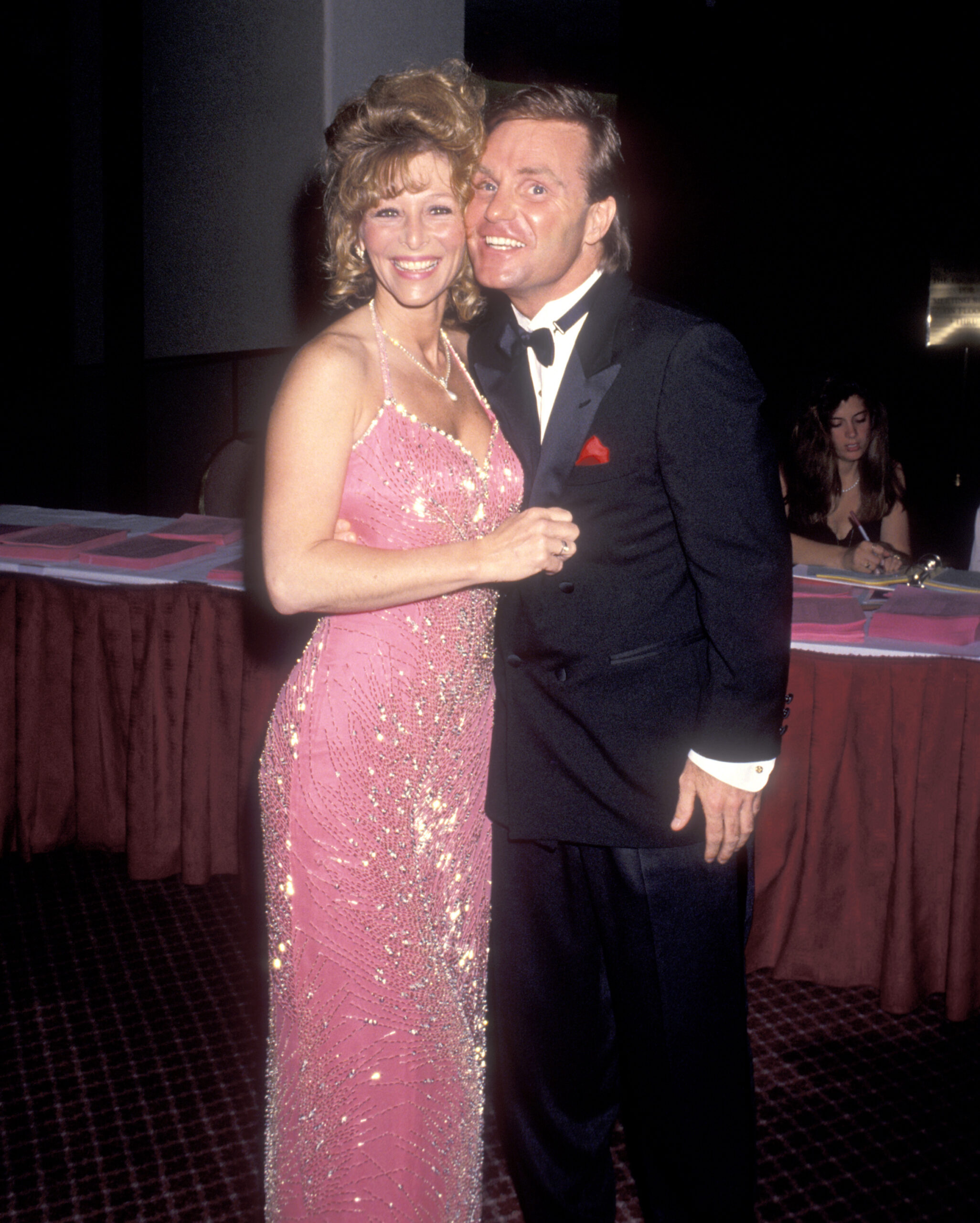
Ron Galella Collection via Getty Images
Further compounding his struggles, in July 1994, Combs was involved in a car crash that shattered one of his spinal discs. The injury left him with chronic back pain that plagued him constantly. The physical toll of that condition changed his usually upbeat personality and left him dependent on medication just to get through each day.
Additionally, Combs had invested in a couple of comedy clubs that ended up failing, further draining his savings and leading to the eventual foreclosure of his home.
By 1995, Combs and his wife, who shared six children, made the difficult choice to separate. And then in early 1996, she filed for divorce. Combs had built his entire public identity around the importance of family, and watching his own home life fall apart proved devastating.
Because of all that, Combs’ mental health deteriorated rapidly. In June 1996, police were called to his residence and, recognizing that he was in a state of profound emotional distress, the authorities transported him to the psychiatric unit at Glendale Adventist Medical Center for a 72-hour observation hold. Then, on the morning of June 2, 1996, Combs was found dead in his hospital room. He was just 40 years old.
At his funeral, a friend of the family and local church leader, Bishop Paul A. Manwaring, remembering his quick wit and innate ability to connect with people, told the Portsmouth Daily Times, “His greatest desire in life was to make people happy, make them smile.”

 Remind