

Harry Houdini: 10 Little-Known Facts About the Legendary Magician 100 Years After His Death


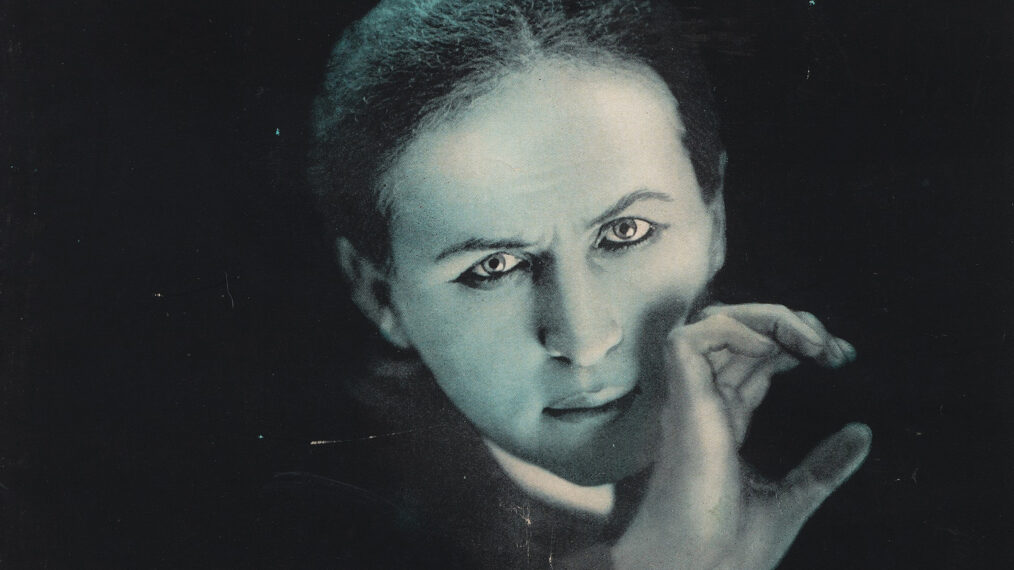
One hundred years after Harry Houdini — née Budapest-born Erik Weiss — slipped the bounds of this mortal coil, he hasn’t quite managed to slip back through them, much to the chagrin of his legions of true believers. A ruptured appendix, likely due to a couple sucker punches from a college kid, took out the king of illusionists at age 52 on Halloween afternoon in 1926.
A century later, no modern magician has managed to conjure up the sort of worldwide wonderment that Harry Houdini did, especially given that his death-defying acts took place without the benefit of video wizardry or other technological boosts. It helped that behind the public spectacle was a true hustler, a dogged self-promoter, an inventor and filmmaker/actor with a relentless fascination with the supernatural — and a true believer in his devoted wife, Bess.
To honor 100 years since the world lost its most iconic magic man, here are 10 fascinating facts about Harry Houdini that you may not know.
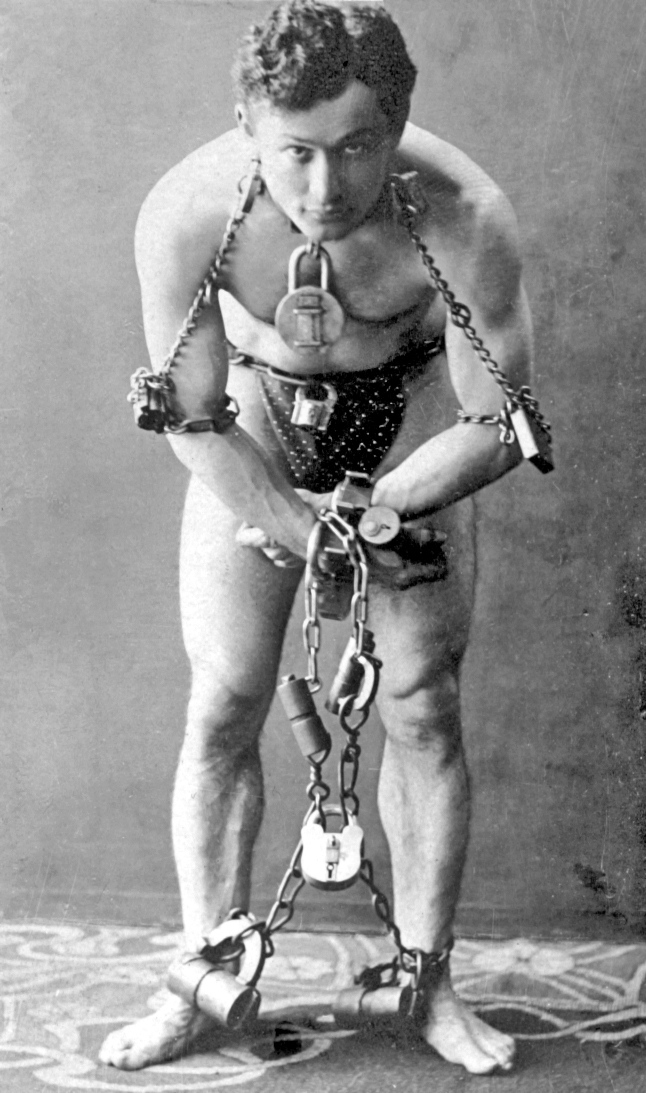
Library of Congress
He published his own magic magazine.
In 1906, Houdini launched Conjurers’ Monthly Magazine, a publication devoted to magic, specifically professional conjuring and escapism. The mag was Houdini’s response to Dr. A.M. Wilson’s own popular publication, The Sphinx, which celebrated traditional magic — and thus, Houdini felt, unforgivably slighted the innovative aspects of his work.
He ran his own magic school.
Before his talents turned him into an international sensation, Houdini tried to pay the bills by teaching others to amaze. Billing himself Professor Houdini, King of Cards and Handcuffs, he published an instructional manual, taught magic lessons and shilled props through his New York-based School of Magic.
He was a skilled inventor.
Though magic made him an icon, Houdini’s voracious appetite for discovery led him to hold multiple patents, especially for props and apparatuses to make magic tricks seem even more magical. But he never sought licenses for most of his signature secrets.
He claimed to be a Cheesehead.
Houdini was actually Erik — or sometimes Erich — Weiss, born in Budapest, Hungary, on March 24, 1874. When Erik was young, his family immigrated to the United States, settling in Appleton, Wisconsin, where his father worked as a rabbi. Soon enough, Houdini would claim he was a product of the Cheese State, shunning his European roots for good.
He and his buddies created a (literal) circus in their neighborhood.
Proof that Houdini was a born performer, he and his neighborhood pals formed a circus when he was 9, charging the audience a nickel to see the show. Little Erik called himself “Erich, Prince of the Air” and performed tricks on a homemade trapeze.
He nursed Hollywood ambitions.
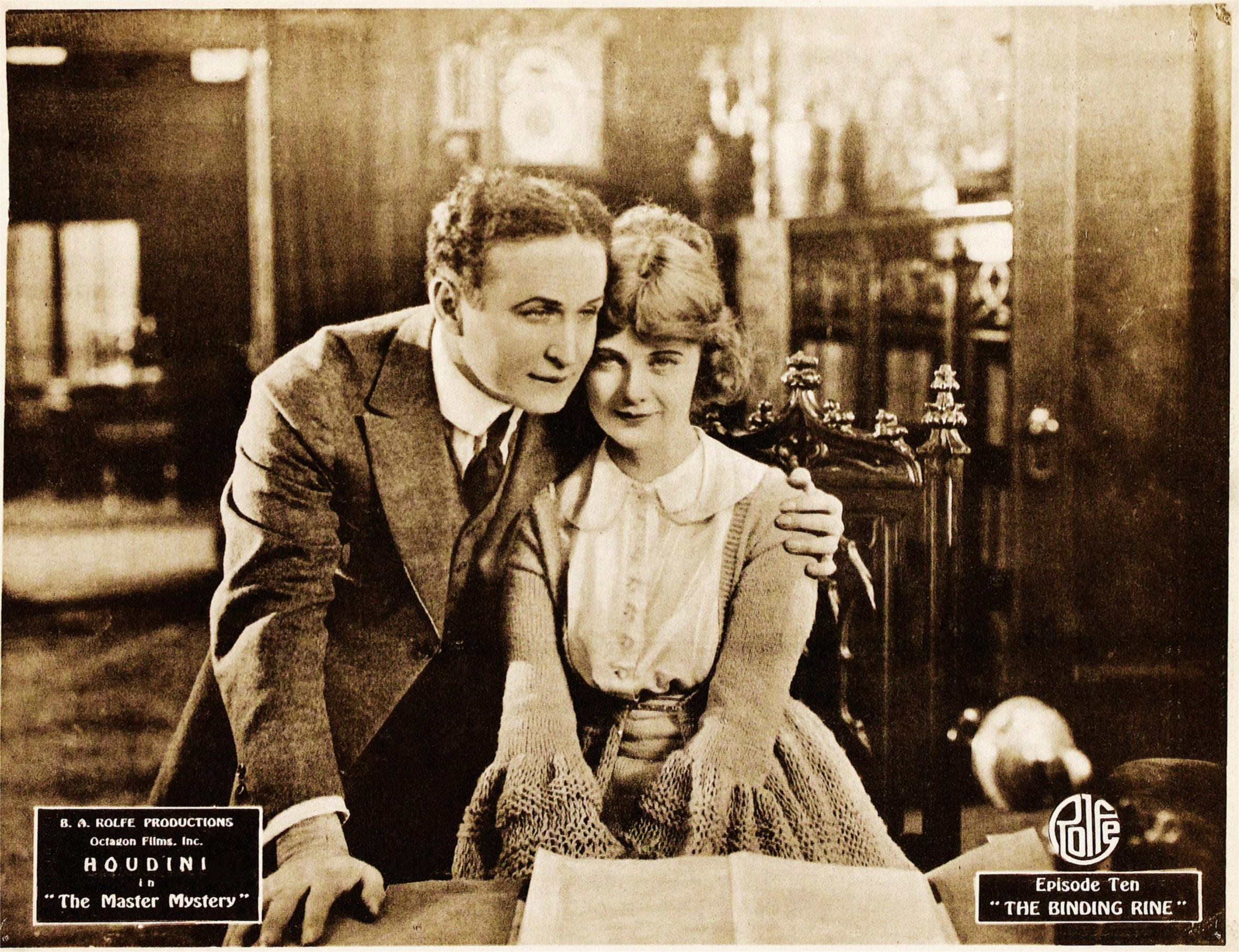
Everett Collection
After making his own silver-screen debut in 1919’s The Master Mystery, Houdini established the Houdini Picture Corporation. He made a pair of self-starring movies: The Man From Beyond (1922) and the loftily titled Haldane of the Secret Service (1923). When both bombed, he decided to stick with live audiences and shuttered the company.
He and Sir Arthur Conan Doyle were frenemies.
Houdini struck up a friendship with the Sherlock Holmes creator when Doyle came to one of his shows. Doyle embraced the paranormal, more specifically spiritualism, following the death of his son in World War I. Houdini loathed fake mediums who preyed on grieving families and sought to educate his heartbroken friend. When Doyle’s wife Jean claimed to summon Harry’s own deceased mother, a series of obvious faux pas during the reading left Houdini embittered, ending the friendship.
He made debunking mediums his mission.
So intense was Houdini’s distaste for mediums that he spent considerable time attending séances, studying mediums’ methods and stripping down their claims. His crusade against charlatans was so earnest that he testified before Congress in 1926 in support of legislation banning fraudulent soothsayers.
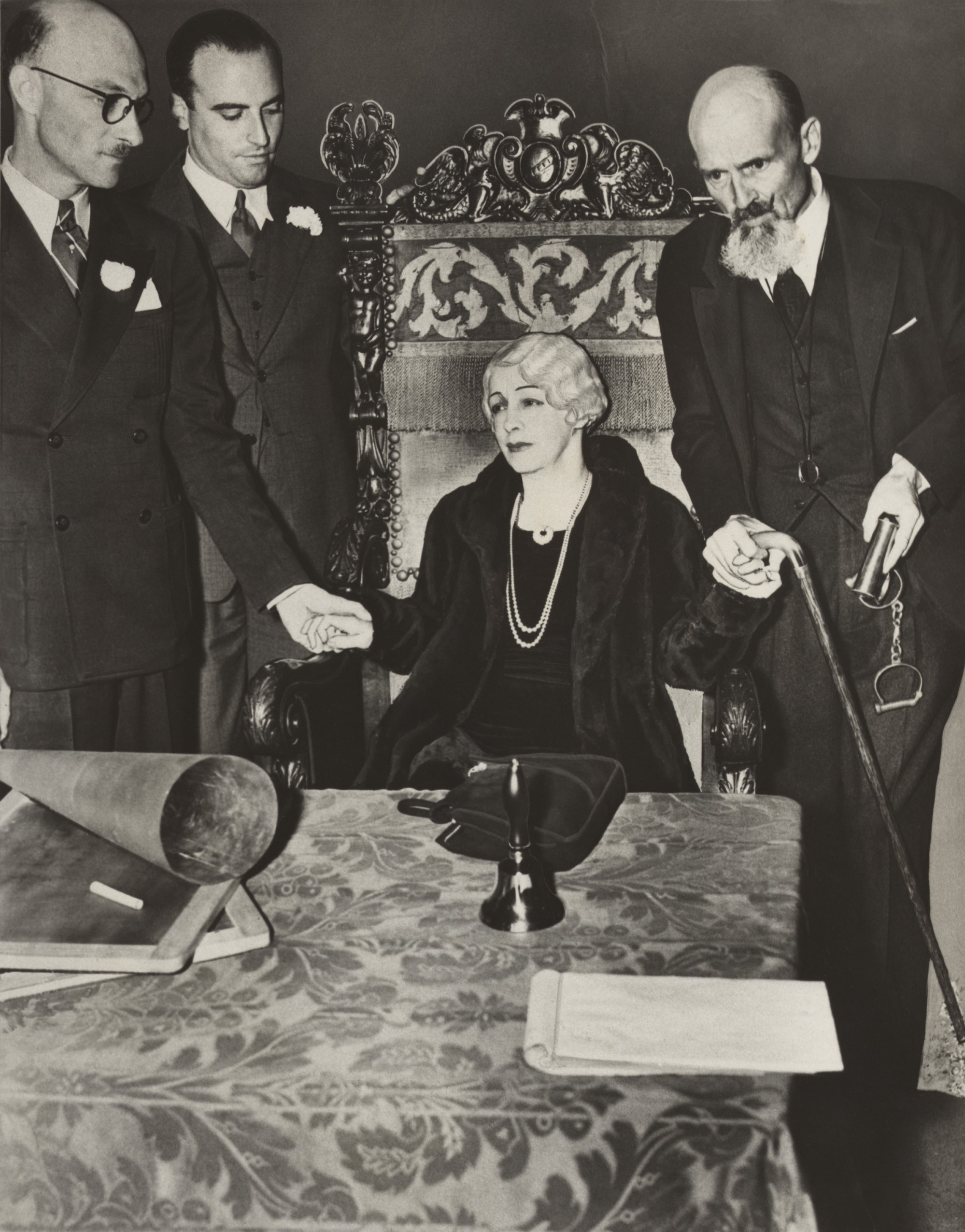
His secret message to Bess if he returned from the dead was a bit more complicated than “Rosabelle, believe.”
Everett Collection
Despite his disdain for mediums, Houdini still made a pact with Bess that, if he was able, he would send her a message from the grave. Though “Rosabelle, believe” seemed to be a simple reference to a song Bess once performed, the real message, according to the Library of Congress, was indeed “Rosabelle,” followed by the mumbo-jumbo phrase “answer, tell, pray, answer, look, tell, answer, answer, tell” — a secret shorthand the pair apparently used when they performed onstage together.
Bess held an annual séance for a decade to see if her husband would contact her from the afterworld, then proclaimed that Harry Houdini had disappeared, once and for all.
He made an elephant “disappear.”
What better act to perform in New York’s erstwhile Hippodrome than to make an elephant disappear? Well, maybe, to make a hippo disappear, but we digress. Houdini debuted the spectacle in 1918, and it became one of his signature bits. To this day, magicians debate just how he pulled it off.

Halloween Traditions
October 2026
Learn all about All Hallows’ Eve, ghost towns, the best Halloween TV episodes and more!
Buy This Issue