

Razor Blades, Pop Rocks & Satanic Panic: The Urban Legends That Terrified the ’80s


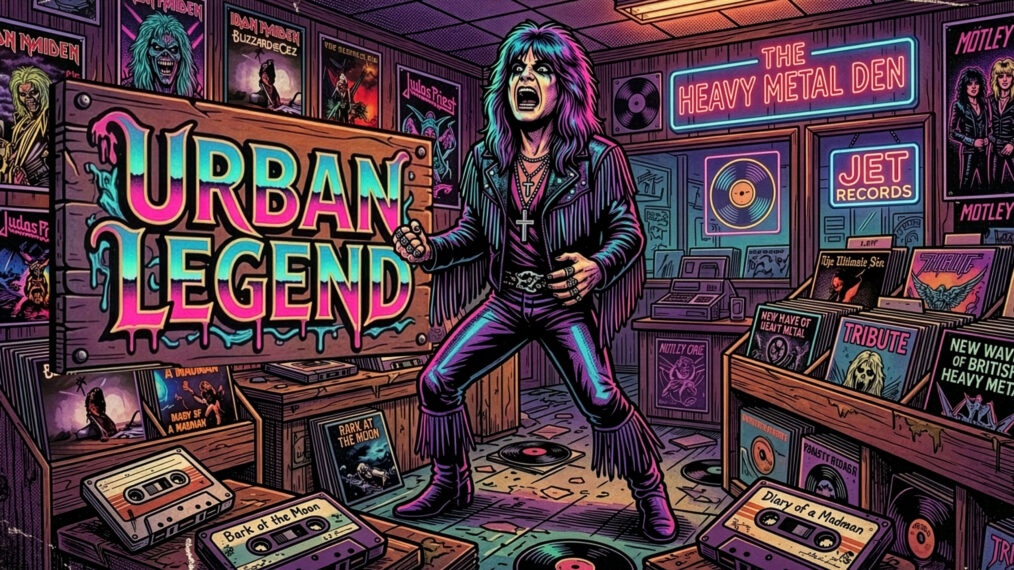
Many people believe that the ’80s were all big hair, blockbuster movies, and neon excess, but beneath the synthesizer soundtracks and shoulder pads lurked a darker side of the decade, as creepy rumors and bizarre stories spread through schoolyards, shopping malls, and sleepovers.
Here are but a few of the urban legends that gave this colorful decade some of its most unsettling tales.
Razor blades in Halloween candy
Adobe Firefly
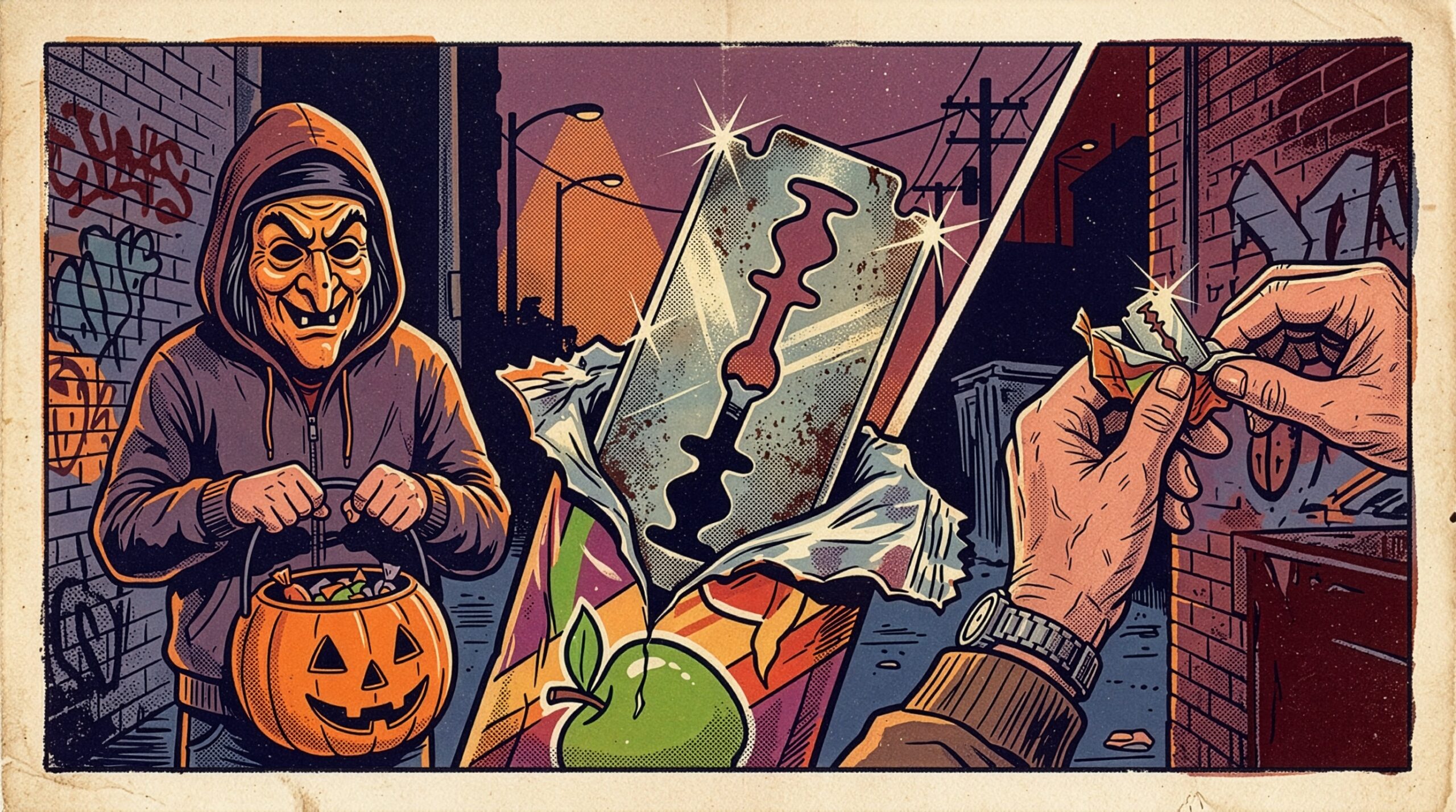
Few Halloween legends captured the fears of 1980s parents like the story of razor blades hidden inside candy. Reports of poisoned or tampered treats had circulated for decades, but the panic intensified in the late 1970s and early ’80s, when newspapers and television warned parents to inspect their children’s Halloween haul. The most notorious stories involved razor blades, needles, or other sharp objects supposedly hidden inside candy bars and apples.
Although isolated cases of candy tampering have occurred, there was never evidence of the widespread epidemic suggested by the rumors. The legend became part of Halloween Americana nonetheless, turning the annual ritual of trick-or-treating into a source of parental anxiety.
Pop Rocks and Coke killed Mikey from Life cereal
Adobe Firefly
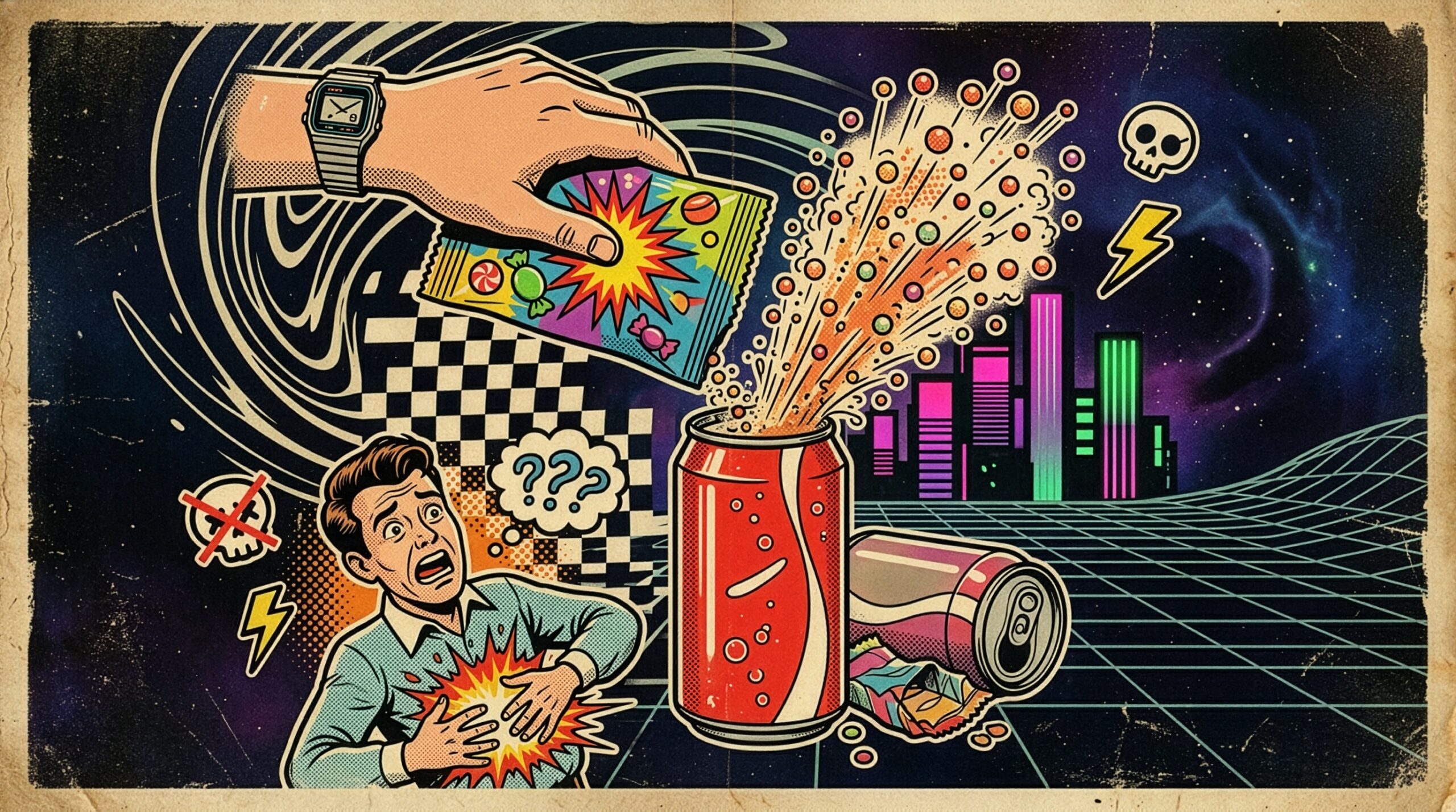
In one of the greatest schoolyard rumors of the 1970s and ’80s, Mikey from the Life cereal commercials (“He likes it!”) supposedly died after eating Pop Rocks and drinking Coca-Cola. The theory claimed that the carbon dioxide released by the candy and soda caused his stomach to explode.
It was completely false. Mikey, played by actor John Gilchrist, was alive and well, but that didn’t stop the rumor from spreading among children. General Foods received so many concerned calls and letters that it took out full-page ads and issued letters to schools explaining that Pop Rocks were safe and that ingesting them with Coke would produce, at worst, a burp. The Food and Drug Administration even set up a telephone hotline to reassure parents. General Foods stopped producing Pop Rocks in the early ’80s. The company claimed it was a business decision, but people clinging to the legend insisted it was “proof” that Pop Rocks were deadly digestive gas bombs.
The Satanic Panic
Adobe Firefly
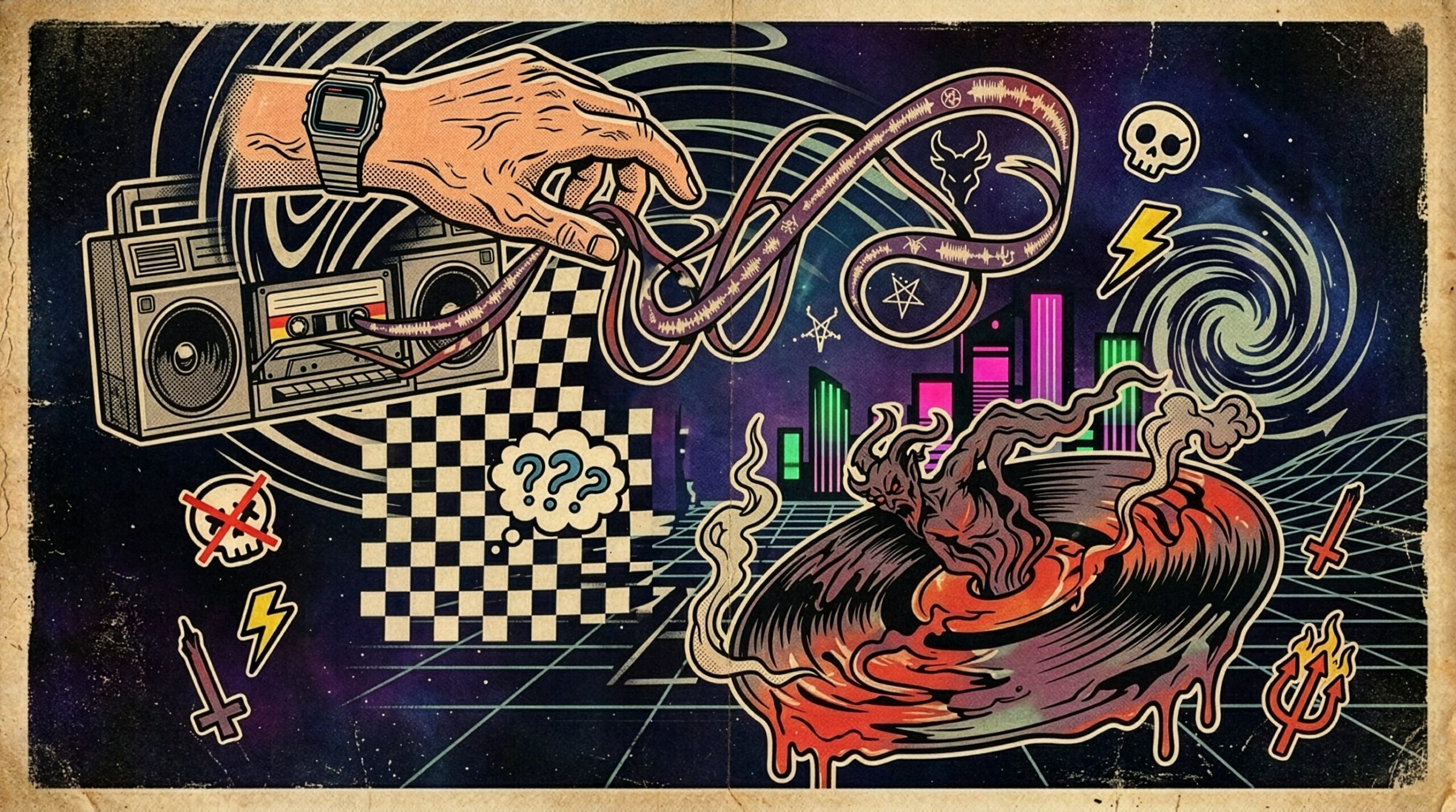
During the 1980s, some parents and religious groups became convinced that rock musicians were hiding Satanic messages in their songs. The supposed messages could allegedly be heard when records were played backward, a practice known as backmasking. Led Zeppelin, Judas Priest, and other bands became targets of accusations that their music contained subliminal invitations to worship the devil.
The controversy became part of the larger Satanic Panic, which spread fears about everything from heavy metal and Dungeons & Dragons to alleged occult activity in schools and daycare centers. The since-discredited 1980 book Michelle Remembers, about a woman’s recovered memories of being subjected to Satanic ritual abuse, heightened the hysteria. In 1988, Geraldo Rivera presented a national TV special on secret cults, and claimed that there may be a million Satanists in America linked in organized, hidden networks (Rivera apologized for this special in 1995). When no credible evidence of a vast Satanist conspiracy could be found, the panic subsided.
Michael Jackson owned the remains of the Elephant Man
Everett Collection
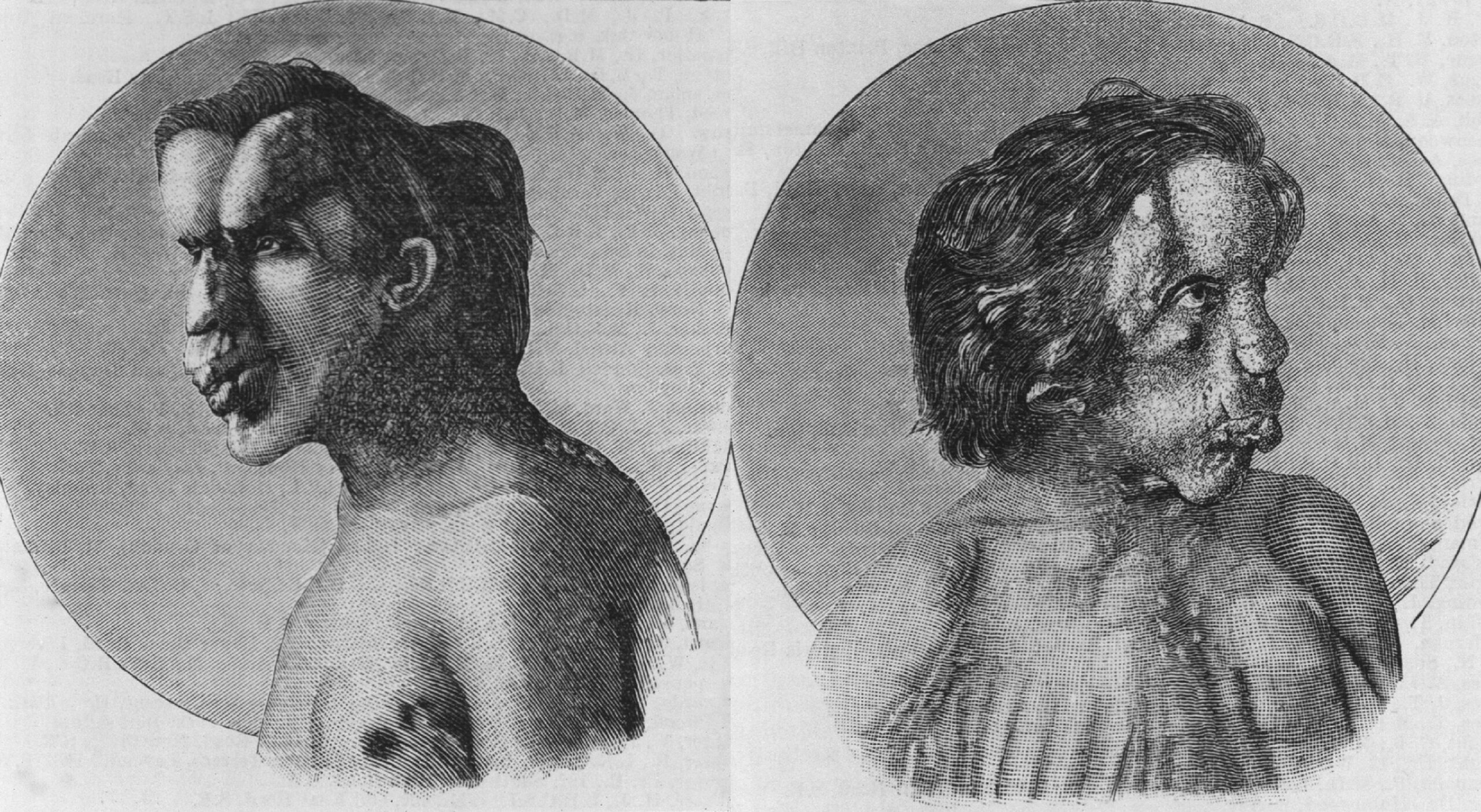
In the years that followed the megahit Thriller album, Michael Jackson‘s eccentricities started to overshadow his music. Tabloid tales of “Wacko Jacko” sleeping in a hyperbaric chamber to extend his lifespan emerged in 1986. The following year, it was reported that Jackson made two offers to purchase the skeleton of Joseph (“John”) Merrick, the 19th-century man known as the “Elephant Man,” from the Royal London Hospital. The story was fueled by Jackson’s fascination with Merrick and his admiration for the 1980 film The Elephant Man. The hospital denied that the bones were ever for sale and there’s no evidence that Jackson owned them, but that didn’t stop the public from running with the juicier story that Merrick had become an exhibit in Neverland Ranch. Jackson told Oprah Winfrey in a 1993 TV interview that he never asked for the bones, but the rumor nonetheless became part of the increasingly elaborate mythology surrounding the pop star.
This article appeared in the October 2026 Halloween issue of ReMIND Magazine. You can purchase the full issue at the link below.
 Remind

Halloween Traditions
October 2026
Learn all about All Hallows’ Eve, ghost towns, the best Halloween TV episodes and more!
Buy This Issue