

The Dark History of Halloween: From Bloody Mary and Cropsey to Trick-or-Treating


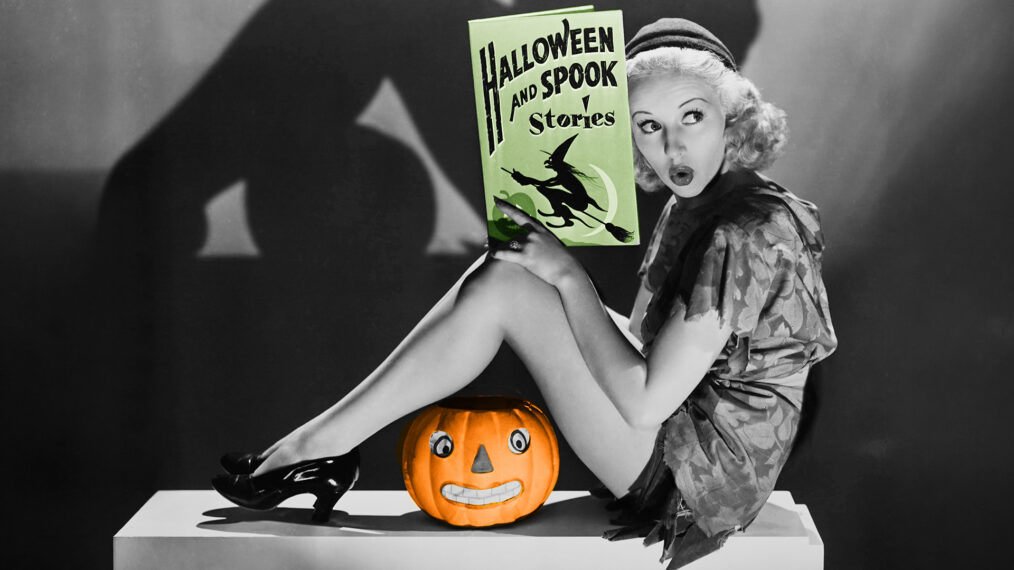
There’s no reason to be scared. Not of Halloween! It’s just a harmless holiday! So what if historical research says it’s celebrated at a time of year associated with “human death”? And does it matter that early traditions linked with All Hallows’ Eve include animal sacrifices and wearing animal heads and skins? It’s not like this is The Silence of the Lambs or anything. Plus, you get candy!
OK … yes, there is something actually scary about Halloween, and it’s not just that it’s long been dominated in the U.S. by kids bouncing off of walls after eating their weight in sugar close to bedtime almost always on a school night. But our tradition has nothing on the Celts and Druids, who actually believed the ghosts of the dead returned on Oct. 31. In other words, those campfire stories about ancient hexes have some true-life precedent.
That’s why the evolution of this holiday from ghoulish ghosts to candy corn and from witchy masks to Darth Vader helmets is an absolutely fascinating journey. So, sit down in the backyard, light a fire, open a few Snickers bars, and put a bright flashlight up to your chin as you read about the legends that eventually softened into the creation of the annual $13 billion Halloween industry.
Halloween legends
Cinema Purgatorio/courtesy Everett Collection
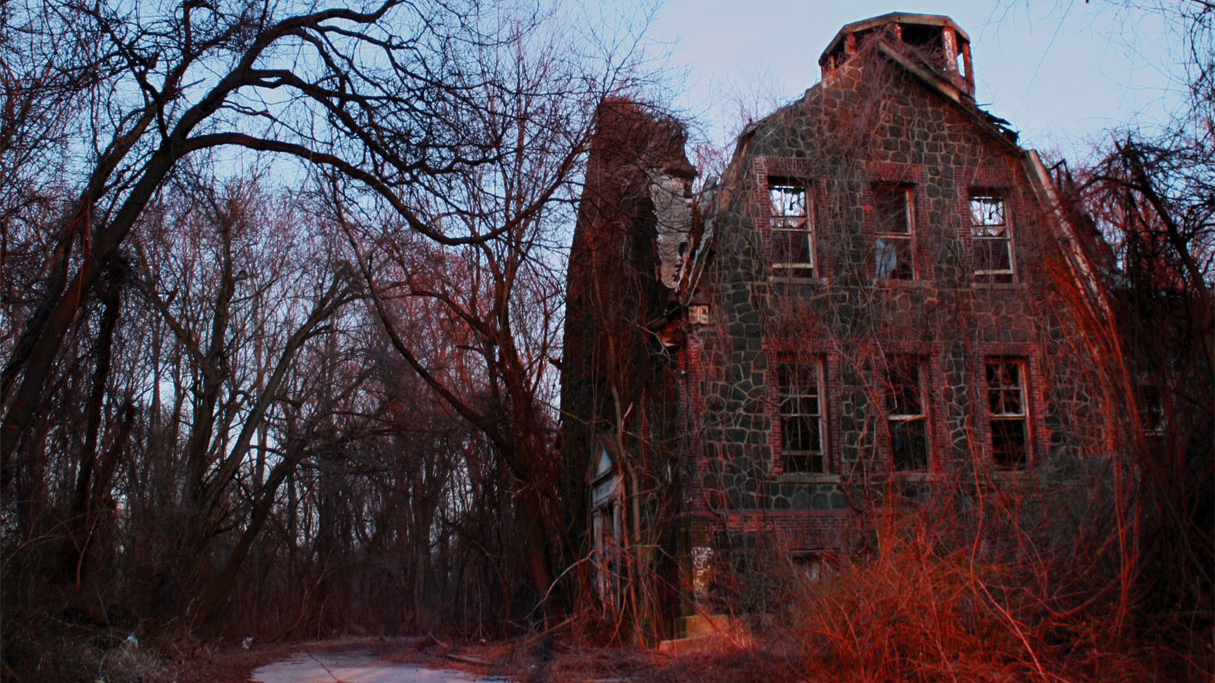
Once upon a time, there was a prominent New York businessman named George Cropsey who lived a quiet life with his wife and children, and reportedly never hurt a fly. That is, until some irresponsible summer campers accidentally lit his house on fire, killing his entire family. Cropsey arrived home, saw the tragedy, ran off, and understandably went insane. Did he really then spend his life threatening, frightening, and killing summer campers and other kids in an act of vengeance? Did all police efforts to find him prove futile? And is it true, as some people say, that he continues to roam the countryside, looking for disrespectful boys and girls to murder? And is he not standing behind you right now with an ax?!?!
No, he’s not, but this gloriously awful urban legend has, in some form, scared kids of all ages for generations. And while there is no origin story for the name Cropsey, the root “crop” is a bit of a clue as it relates to Halloween. It was believed, centuries ago in the United Kingdom and parts of France, that, with the end of both the summer and the harvest and the start of colder weather, spirits would descend to hurt crops, which led to various fiery sacrifices and sacred bonfires to please any angry deities and protect from the ravages of winter.
Mary Worth, Mary Worth
Adobe Firefly
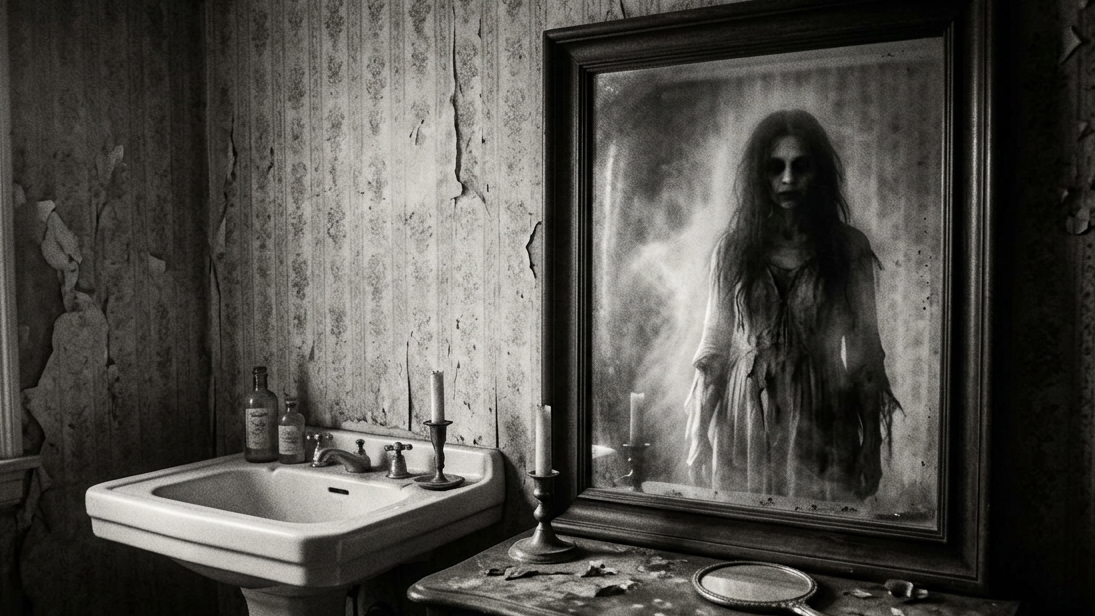
Meanwhile, over in Chicago, you won’t find Mary Worth in any local internet search — and no, we’re not talking about the long-running newspaper comic strip of the same name. This Mary Worth is a far more sinister character, whose spirit you can supposedly conjure up by looking in the mirror and repeating her name 10 times. Also known as “Bloody Mary,” she may be based on a British royal, a Civil War villain, or an alleged witch who was burned at the stake. And while the Surgeon General has never issued a warning against staring in a mirror and reciting the words “Mary Worth, Mary Worth, come and scratch my eyeballs out,” it is not an advisable activity for young women! However, others have, in the past, come to believe that reciting “I believe in Mary Worth” will reveal the face of your future husband — a perfect example of how Halloween has, through the centuries, blurred the line between witchcraft and celebration.
About those plastic costumes…
Everett Collection
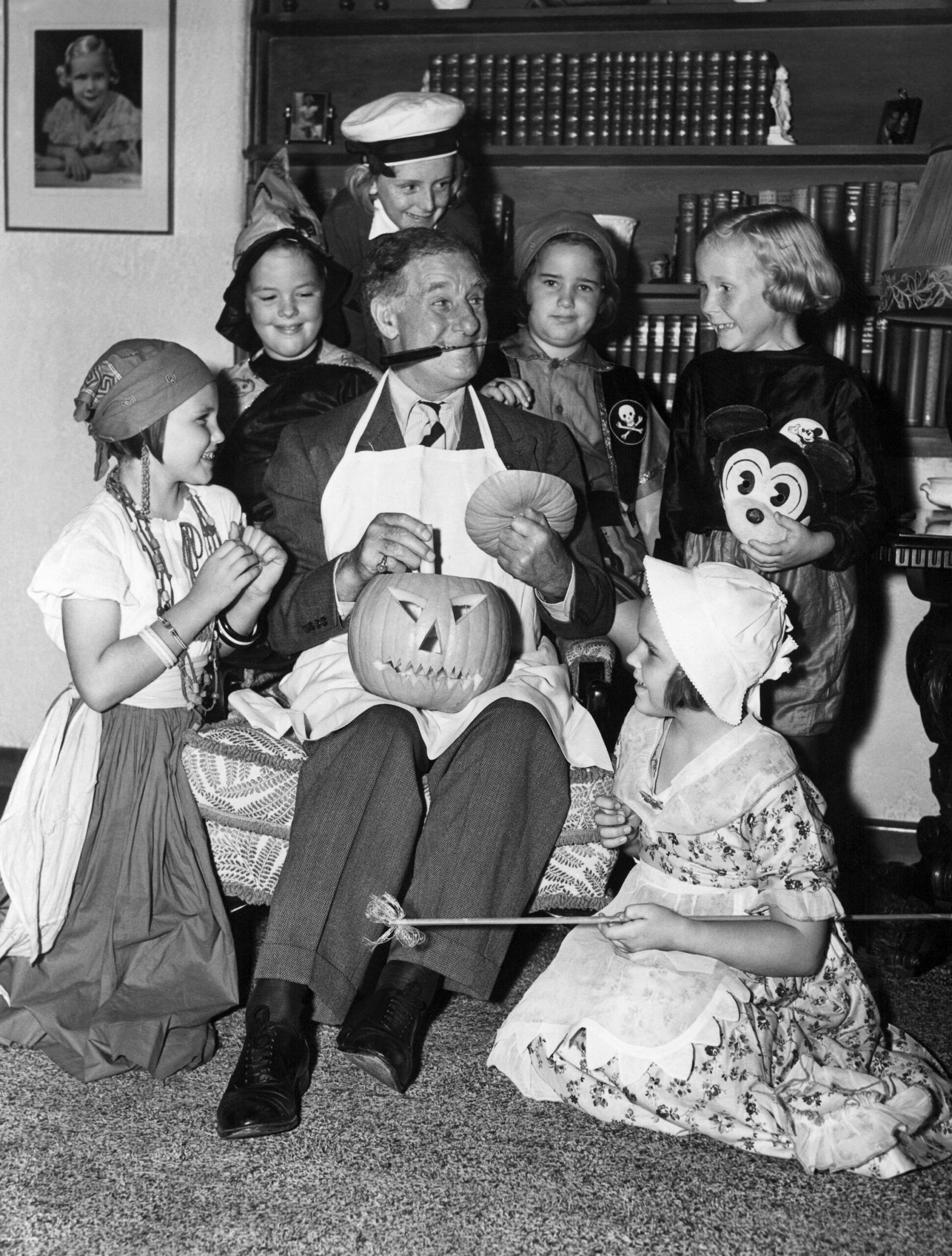
The holiday we have come to know in the U.S. evolved from the 1,000-year-old practice of the poor going door-to-door to offer prayers for loved ones who had passed, hoping to earn “soul cakes” in the process. Kids eventually took over that ceremony, hoping for money or snacks of some sort, and dressing the part in ghostly costumes. In the late 1800s, Americans decided Oct. 31 should be a day that celebrated community and neighborliness, and the practice of kids going door-to-door seeking sweets. That was perfect timing for Milton Hershey, who began to manufacture his first chocolate bar in 1900.
It was also fertile creative ground for Ben Cooper, who, for 50 years starting in the late 1930s, manufactured the costumes and masks we’ve long come to associate with the Halloween of our youth. Dubbed the “Halston of Halloween,” Cooper produced bright and inexpensive masks and outfits made of thin fabrics that were all the rage. By signing licensing agreements with comic book and TV production companies, Cooper made sure kids could dress like anyone from Batman to Zorro and, in time, from Ronald Reagan to Darth Vader.

Anthony Barboza/Getty Images
It’s a tradition that continues to this day, in ever-more-elaborate costumes and even newer candies and chocolates. And it’s a ritual worth continuing to celebrate in your local movie theater, on the couch with family or in the neighborhood, door-to-door. That said: If you’re going trick-or-treating, try to avoid George Cropsey’s house. You never know …
This article appeared in the October 2026 Halloween issue of ReMIND Magazine. You can purchase the full issue at the link below.
 Remind

Halloween Traditions
October 2026
Learn all about All Hallows’ Eve, ghost towns, the best Halloween TV episodes and more!
Buy This Issue