

What Happened in All 11 Seasons of ‘M*A*S*H’?





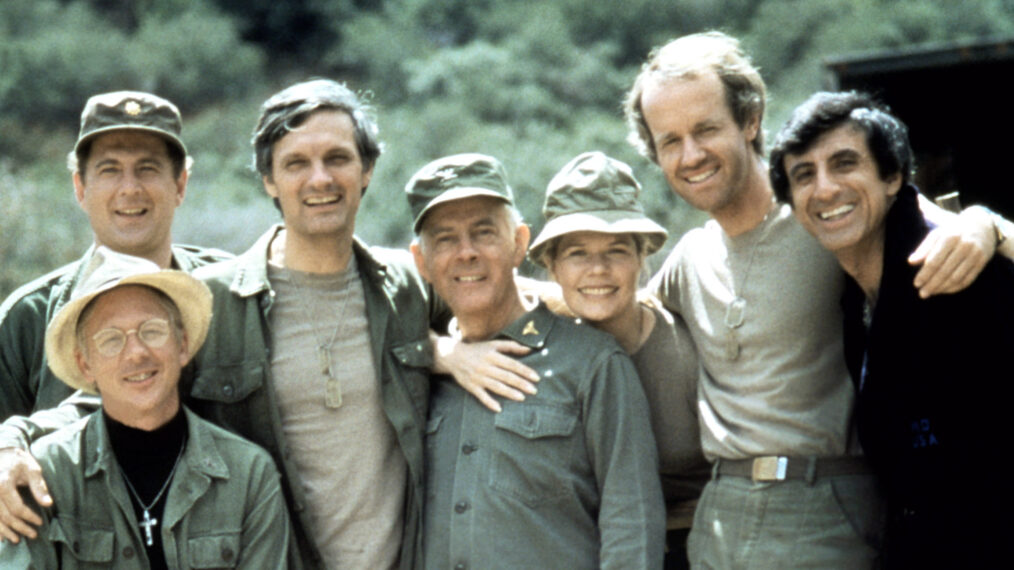
The Korean War-set show M*A*S*H premiered on September 17, 1972, and was based on the 1970 Donald Sutherland film of the same name, and made Alan Alda, Mike Farrell, Loretta Swit, and Jamie Farr household names, to name a few. The series follows a team of surgeons and support staff stationed at a Mobile Army Surgical Hospital who use humor and camaraderie to blow off steam and cope with the tragedies of war.
M*A*S*H spent most of its run from the early 1970s to the early 1980s as a Top 10-rated sitcom, and it’s still the eighth most Emmy-nominated show ever. The show offered a surprising mixture of drama and comedy, and even spawned a new TV genre for the era: “Dramedy.”
Whether you are a new fan or have seen every episode countless times, here we recap all 11 seasons of the beloved show, the special guest stars, and everything that made it so special.
Season 1 (1972-73, 24 episodes)

20th Century Fox Film Corp. All rights reserved./courtesy Everett Collection
M*A*S*H got off to a shaky start. For most of its run, the Korean War-set medical comedy ranked in the Top 10 most-watched shows, but during its first season, leading off Sunday nights at 8pm Eastern, it ranked a lowly No. 46, crushed by the competition from The Wonderful World of Disney on NBC. Gary Burghoff, who played Radar, was the only actor from the movie to play the same character on the TV show. Two surgeon characters from the movie made it to the TV show but lasted only through the first season: Captain “Spearchucker” Jones (played by Timothy Brown) and Captain “Ugly John” Black (John Orchard).
Season 2 (1973-74, 24 episodes)
20th Century Fox Television. All Rights reserved. /Courtesy Everett Collection
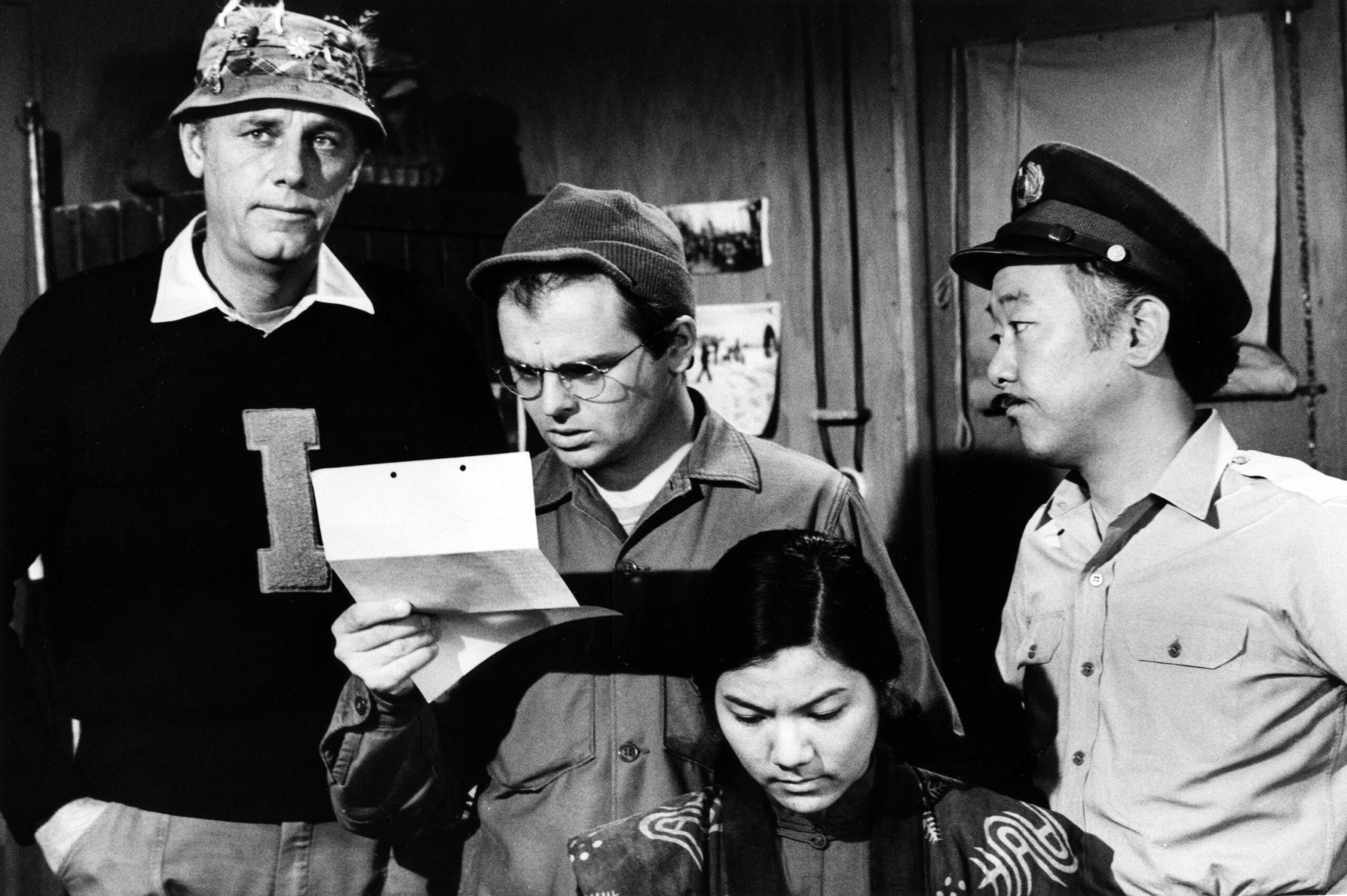
The 4077th hit its stride in Season 2 (1973-74), when CBS moved the show to Saturday night, between established hits All in the Family and The Mary Tyler Moore Show. This action brought in a battalion of new viewers and also brought about the exit of some recurring characters, including Ugly John, Spearchucker Jones, and Henry Blake’s girlfriend, Lieutenant Leslie Scorch. This was also the season when the accolades started rolling in. McLean Stevenson was nominated for an Emmy for writing the episode “The Trial of Henry Blake,” while film icon Jackie Cooper nabbed a trophy for directing an episode in which a bad strain of the flu knocks out most of the 4077th.
Season 3 (1974-75, 24 episodes)
20th Century Fox Television./Courtesy Everett Collection
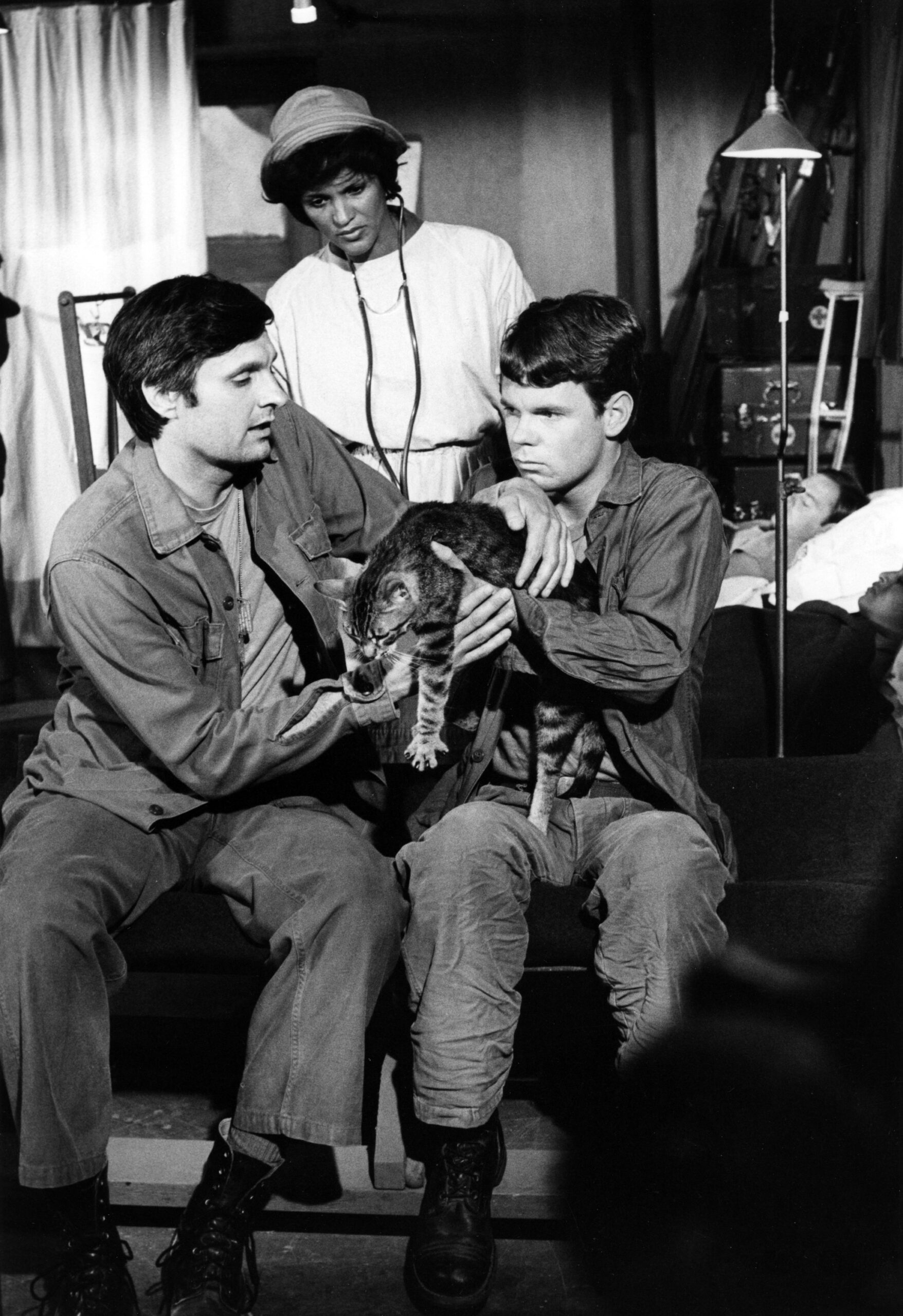
The third season of M*A*S*H (1974-75) turned into an early “farewell” season, representing the final episodes of two breakout stars: McLean Stevenson as hapless Lieutenant Colonel Henry Blake and Wayne Rogers as Hawkeye’s buddy Trapper John McIntyre. Stevenson, tired of playing third banana, was written out in dramatic fashion in the season finale, as Blake was discharged and heading home when his plane was shot down. Trapper John’s exit happened between Seasons 3 and 4, after Rogers quit during a contract dispute. And yet the show would go on for many more years, without missing a beat.
Season 4 (1975-76, 24 episodes)
20th Century Fox Film Corp. /Courtesy: Everett Collection
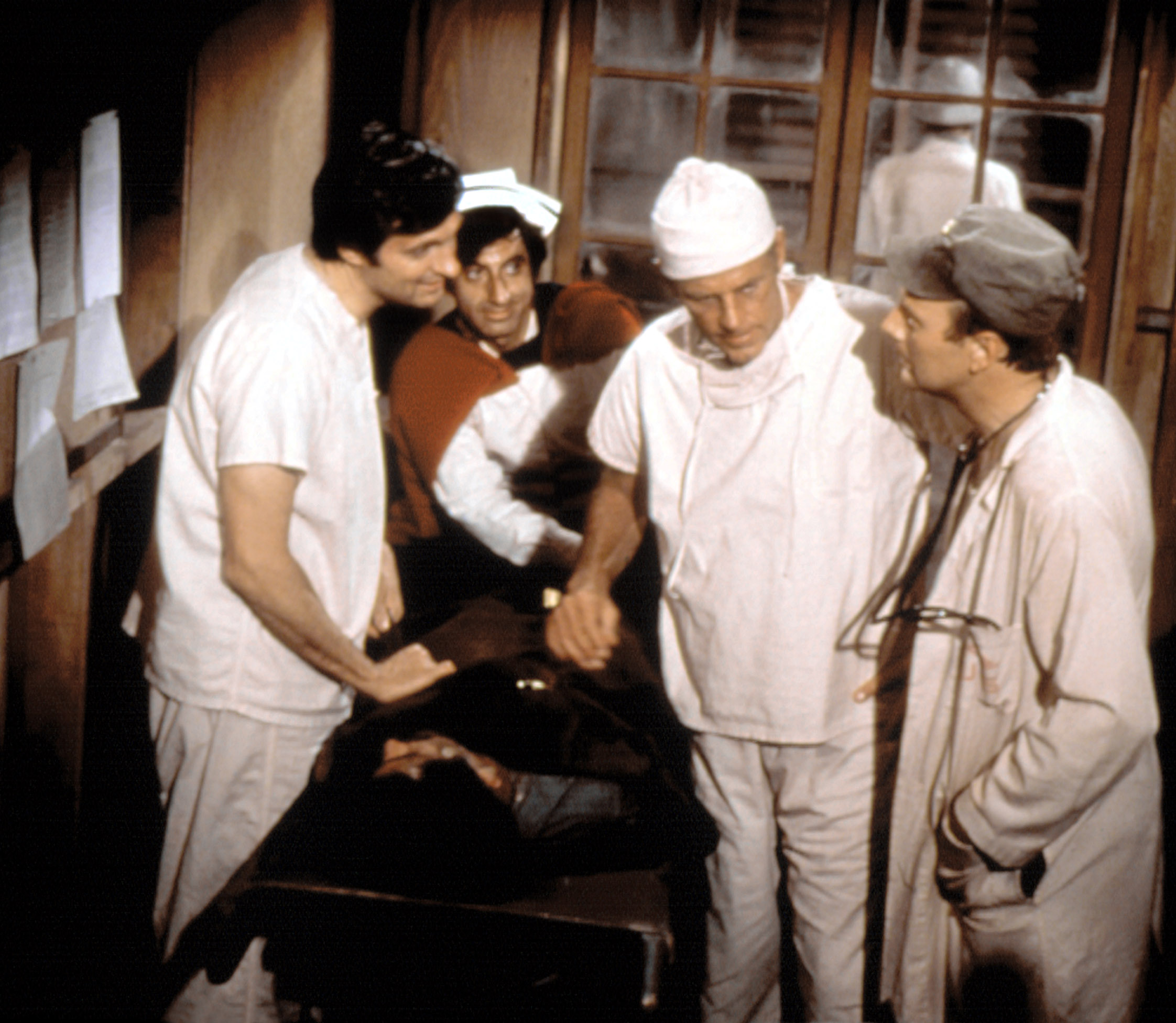
In its fourth season (1975-76), M*A*S*H proved it could adapt to change when the abruptly discharged Trapper John was replaced by an irreverent new sidekick for Alan Alda’s Hawkeye: Mike Farrell as B.J. Hunnicutt, who stayed to the end. Now in charge of the 4077th after the tragic departure of Henry Blake: no-nonsense Colonel Sherman Potter (Harry Morgan), whose first order of business was to demand that Klinger (Jamie Farr) get into uniform. In the memorable season finale, filmed in black and white, a news correspondent interviews the medical team on camera to capture their heartfelt feelings about the war.
Season 5 (1976-77, 24 episodes)
20th Century Fox Film Corp. /Courtesy: Everett Collection
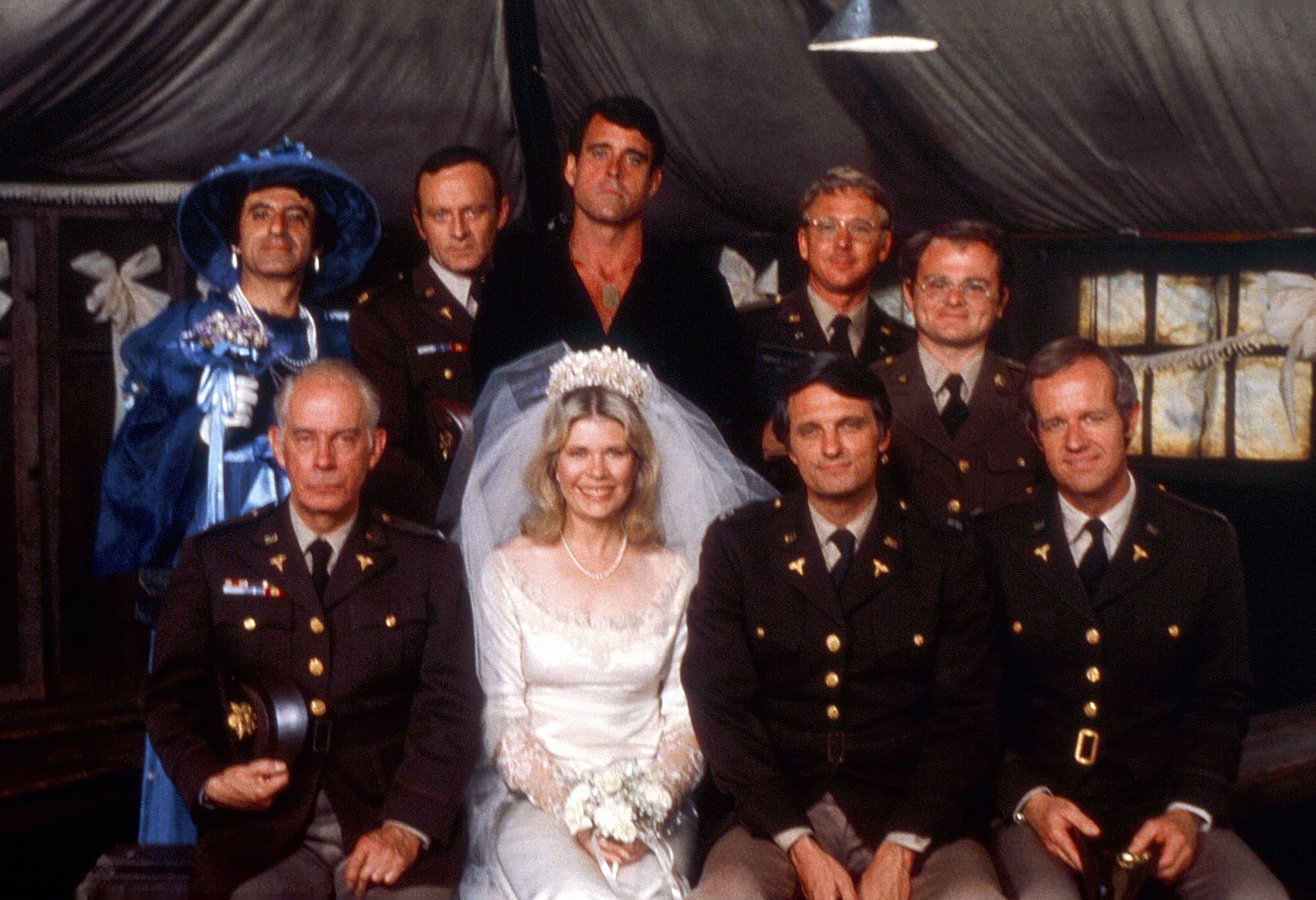
Wedding bells for dedicated head nurse/Army brat Major Margaret “Hot Lips” Houlihan (Loretta Swit) in the Season 5 finale signaled the end (once and for all!) of the base’s worst-kept secret — her affair with married surgeon/insufferable stickler Major Frank Burns (Larry Linville). She tied the knot with Lieutenant Colonel Donald Penobscott (Beeson Carroll), and Linville left the series. Standout storylines included surgeon Hawkeye’s (Alan Alda) temporary blindness, Radar’s (Gary Burghoff) discomfort with a promotion, and psychiatrist Sidney Freedman (Allan Arbus) writing to Sigmund Freud.
Season 6 (1977-78, 24 episodes)
20th Century Fox Film Corp. /Courtesy: Everett Collection
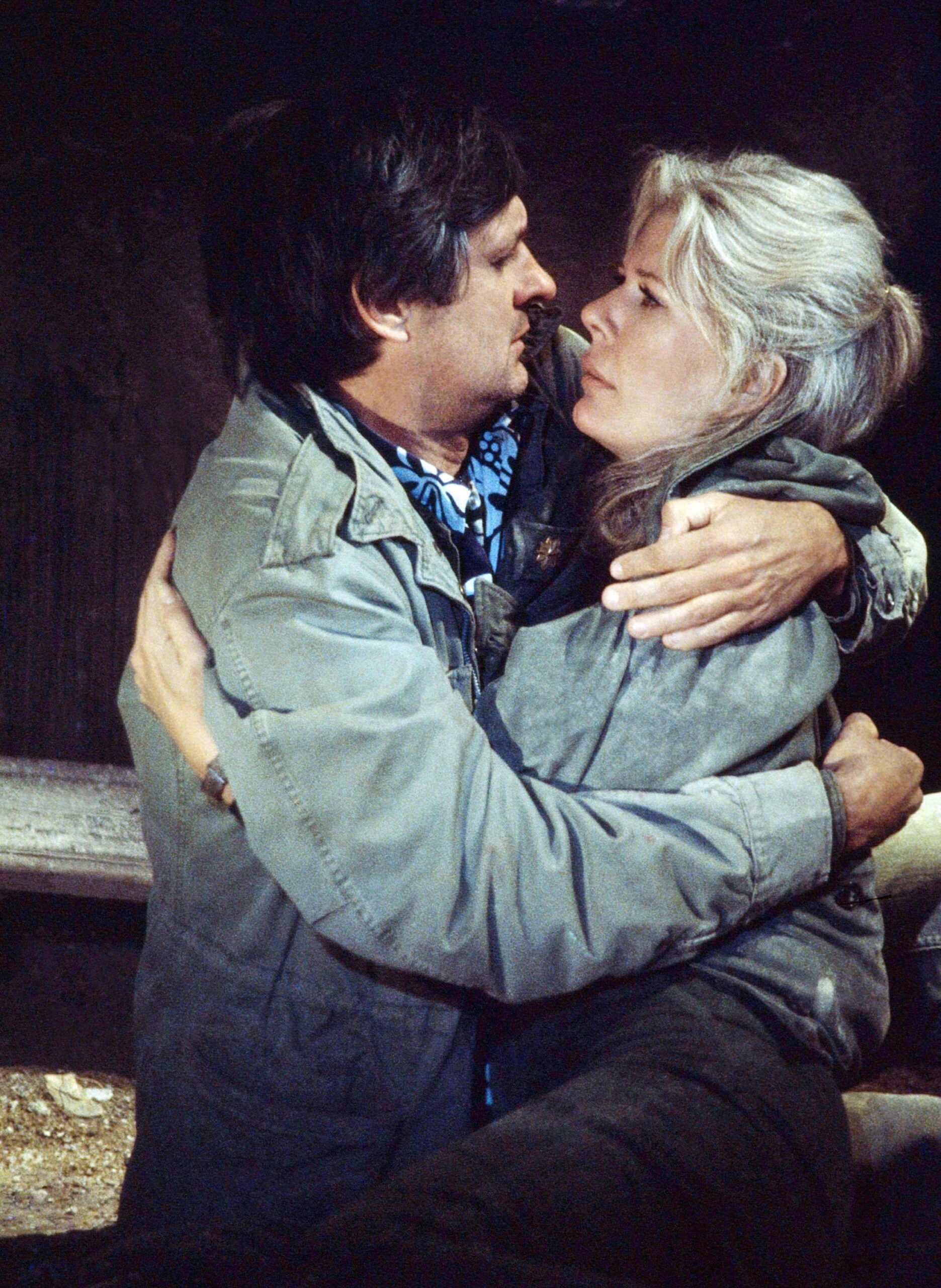
Give a hearty welcome during the 1977-78 season to hoity-toity surgeon Charles Emerson Winchester III (David Ogden Stiers), who replaced the departed Frank Burns (Larry Linville had left the series). Like Burns, Winchester’s initial disdain for being a part of the 4077th made him a target for Hawkeye and B.J.’s amusement. A highlight of the season is the two-part “Comrades in Arms” episode (airing Dec. 6 and 13, 1977), in which Hawkeye and Margaret unexpectedly end up in each other’s arms while fearing for their lives in enemy territory.
Season 7 (1978-79, 25 episodes)
20th Century Fox Film Corp. /Courtesy: Everett Collection
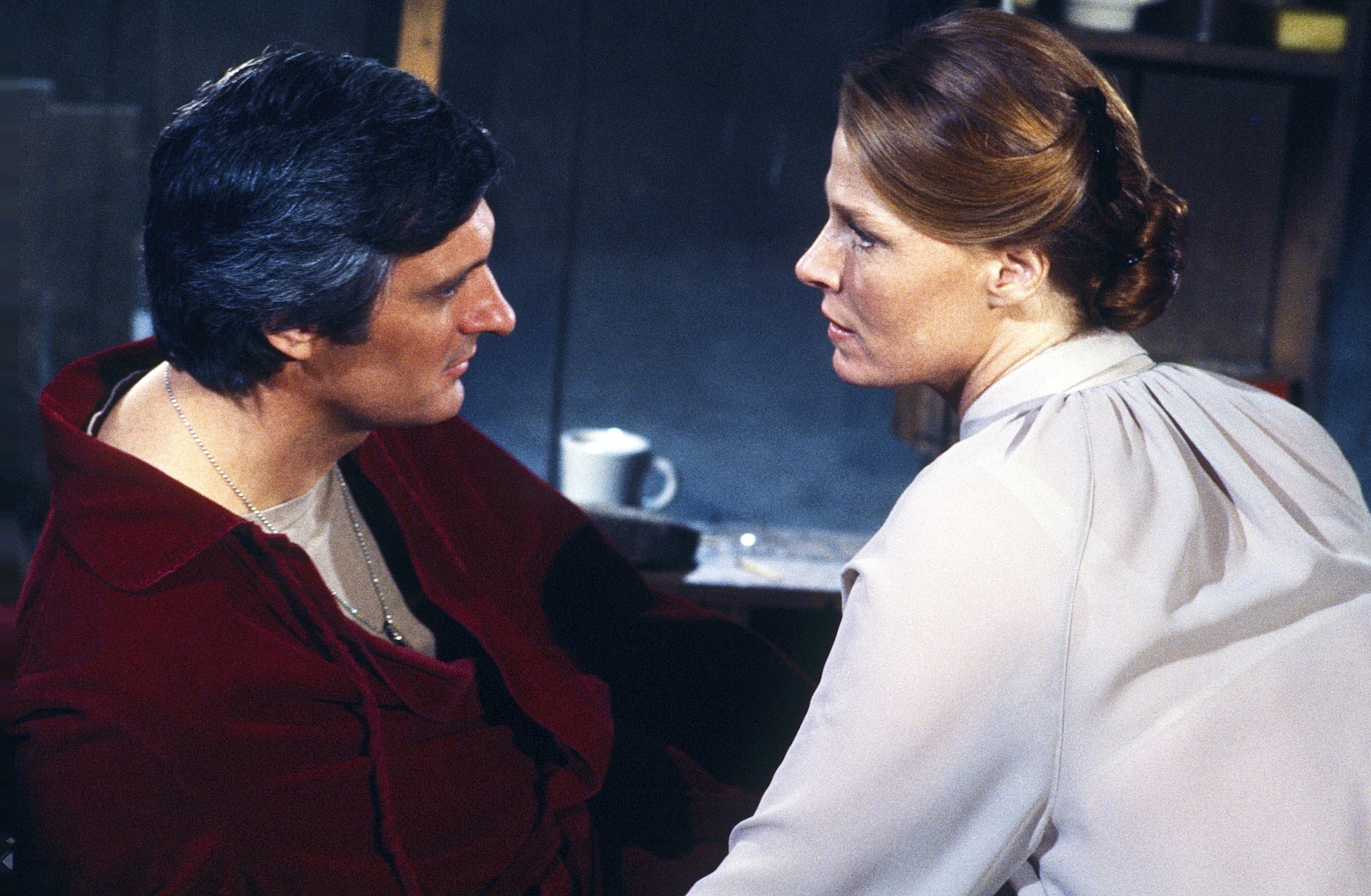
After the comedy hit 150 episodes, an hour-long clip show featured a news correspondent (Clete Roberts) interviewing the 4077th’s staff interspersed with some of the best moments from the series (shown in color clips), including departed characters like Henry Blake, Trapper John, and Frank Burns. Also this season, Margaret filed for divorce, and one episode, “Point of View” (airdate Nov. 20, 1978), was told entirely from the perspective of a Private Rich, who was brought in for throat surgery and ended up helping Colonel Potter fix a forgotten anniversary mistake with his wife.
Season 8 (1979-80, 25 episodes)

20th Century Fox Film Corp. /Courtesy: Everett Collection
Farewell, Corporal Walter “Radar” O’Reilly (Gary Burghoff, the only actor to also appear in the 1970 film on which the series was based), who said goodbye in the two-part “Good-Bye Radar” (airing Oct. 8 and 15, 1979). He left his trusty teddy bear with Hawkeye, which still gets us teary-eyed! The episode “Life Time” (Nov. 26, 1979) was told in real time with a ticking clock onscreen and no laugh track. Also this season, star Alan Alda’s father, Robert, and half-brother Antony appeared in the episode “Lend a Hand,” and familiar faces like Shelley Long, Ed Begley Jr., Susan Saint James, and Edward Herrmann popped up. Bonus: This season also featured the first appearance of the crusty Sergeant Luther Rizzo, played by G.W. Bailey.
Season 9 (1980-81, 20 episodes)
20th Century Fox Film Corp. /Courtesy: Everett Collection
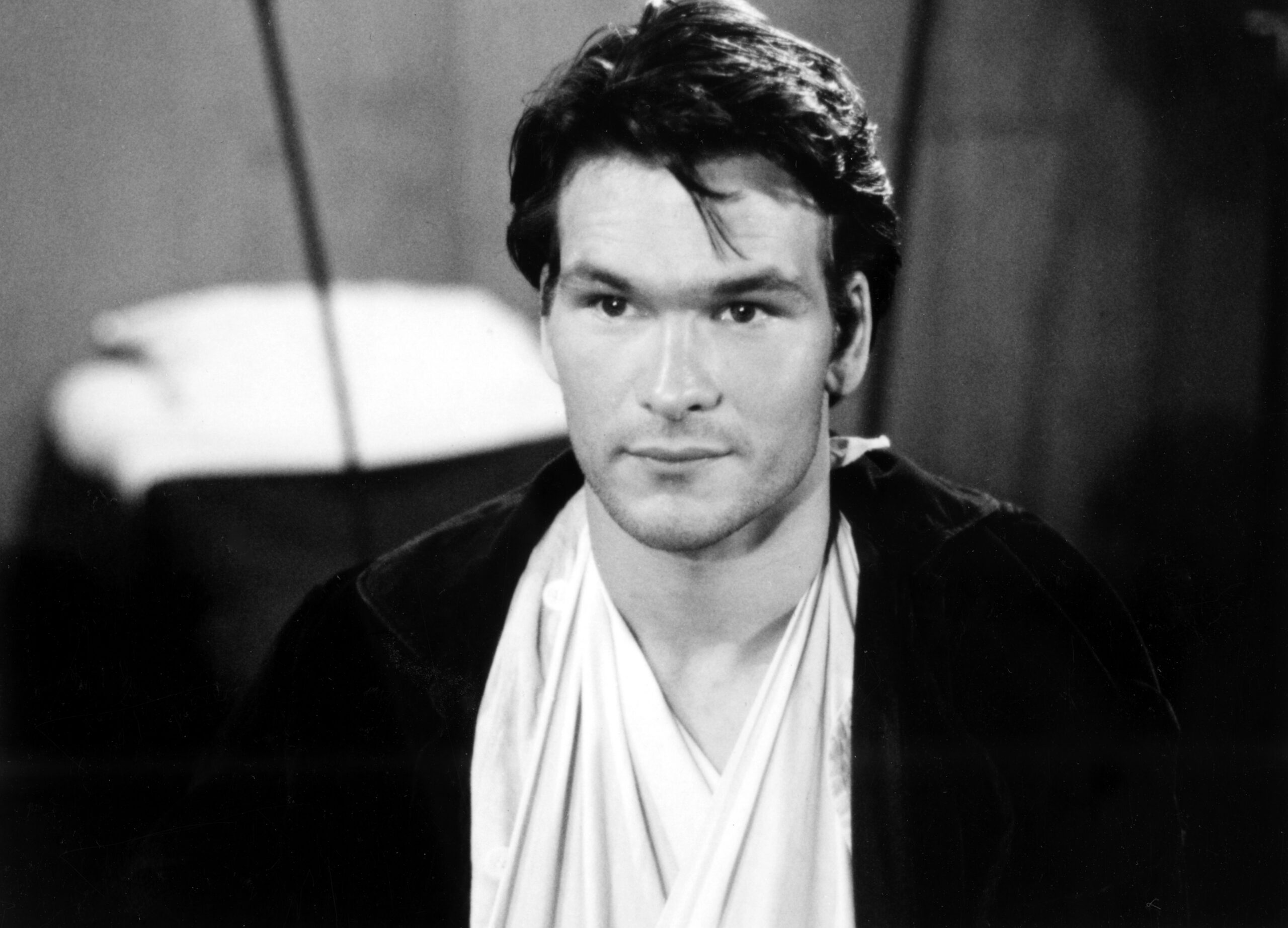
Catch Patrick Swayze before he got famous. The future Dirty Dancing star makes a guest appearance in Episode 18 of Season 9 as Private Gary Sturgis, who learns he has leukemia and can’t donate blood to his buddy. In other episodes, snobby surgeon Charles Winchester (David Ogden Stiers) almost dies twice, first in an autoclave explosion and then in a sniper attack. Sensitive storylines like this alternated with ones that drew humor from homing in on the inconveniences of wartime living conditions, like characters coping with an unexpected brutal heat wave and Hawkeye’s (Alan Alda) nonstop sneezing attack.
Season 10 (1981-82, 21 episodes)
20th Century Fox Film Corp. /Courtesy: Everett Collection
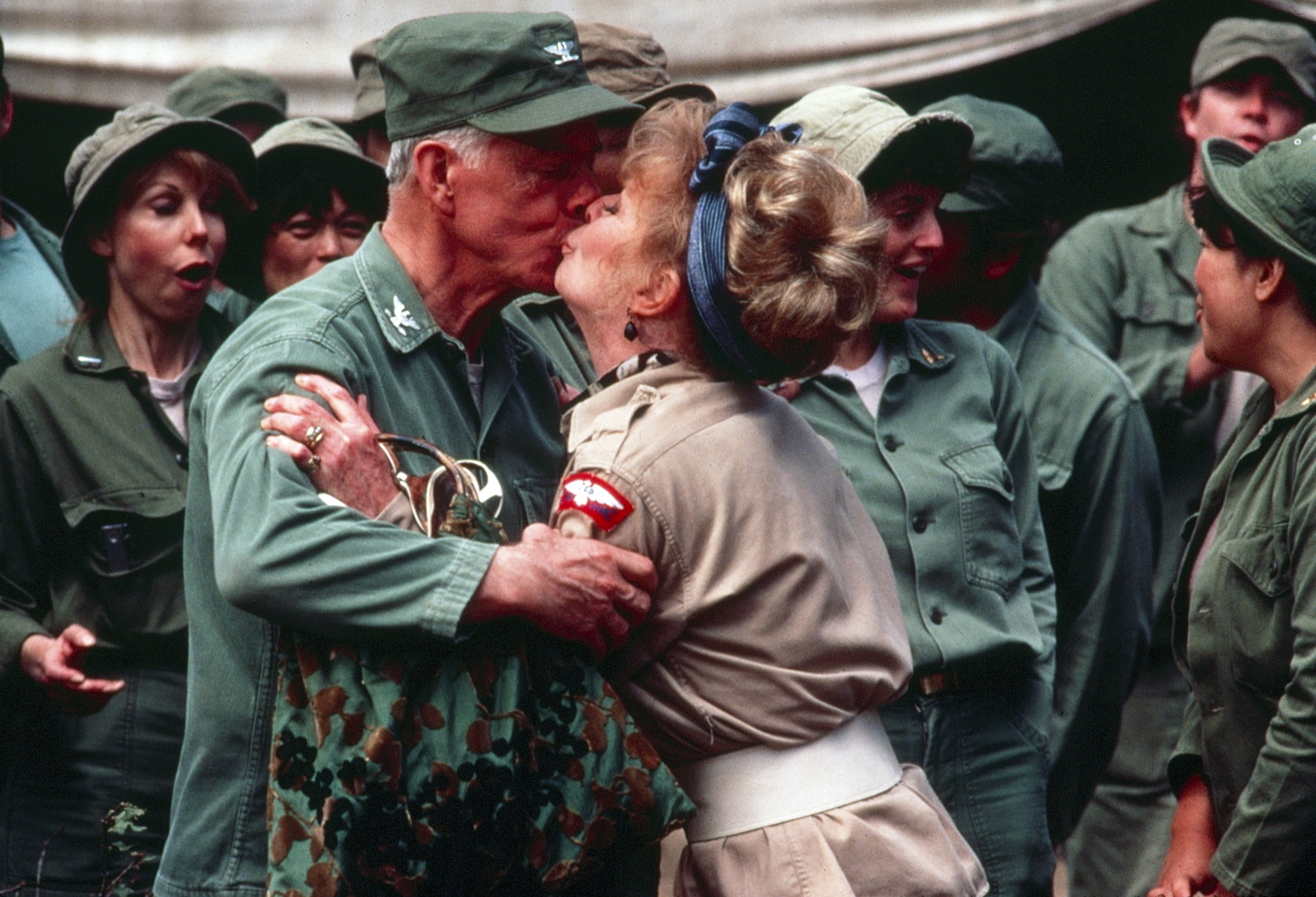
M*A*S*H‘s 10th and penultimate season continued the show’s amazing run of being nominated for an Emmy for Outstanding Comedy Series for every single season. Two of the standout episodes are “Follies of the Living — Concerns of the Dead,” in which Klinger, in a feverish state, believes he is communicating with a recently passed soldier who won’t accept his death, and “Where There’s a Will, There’s a War,” in which Hawkeye writes out his will after being assigned as a temporary replacement doc at a frontline aid station and fears he won’t be coming back alive.
Season 11 (1982-83, 16 episodes)
20th Century Fox Film Corp. /Courtesy: Everett Collection
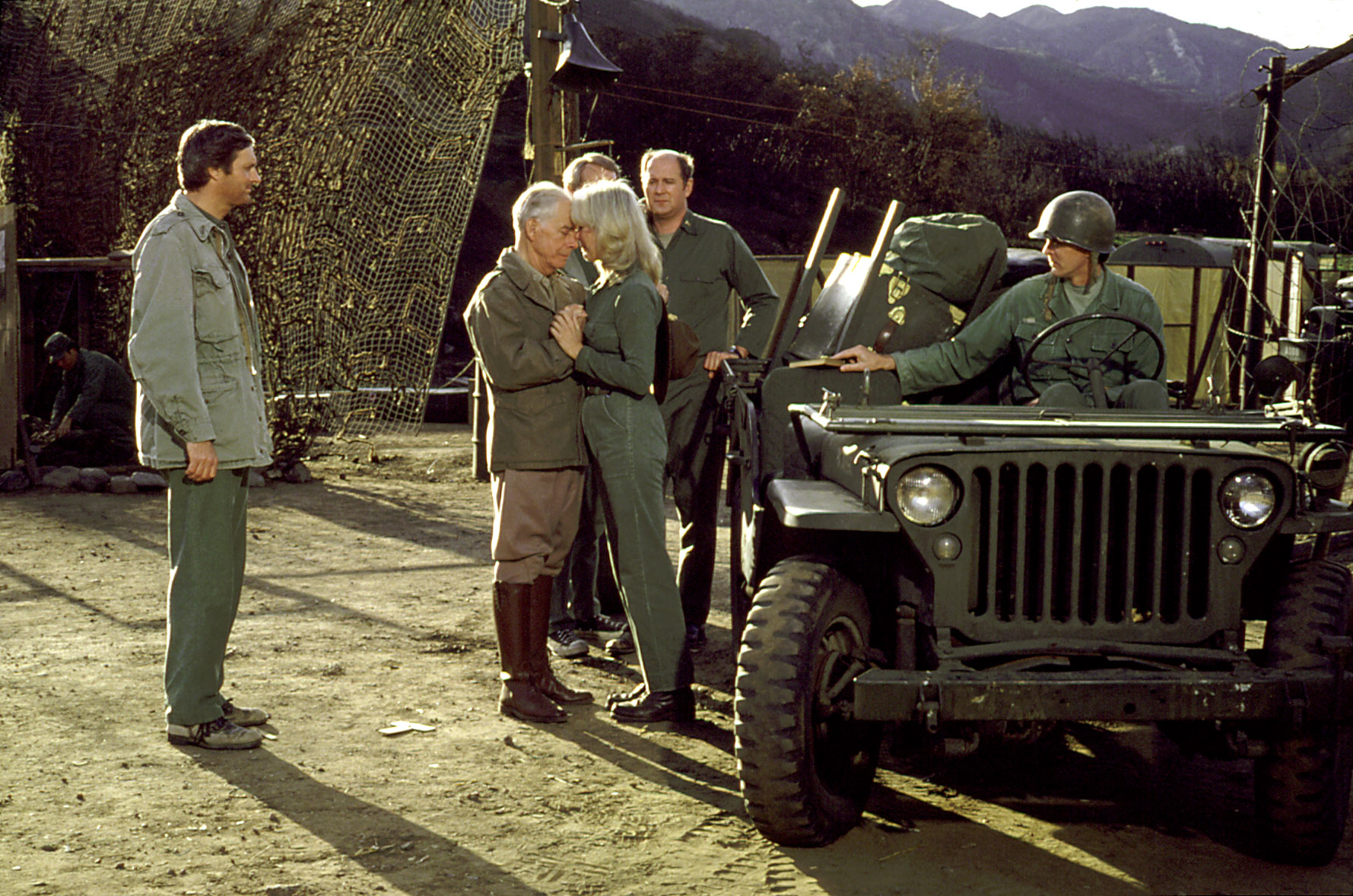
After 11 Emmy-encrusted seasons, the three-year-long Korean War finally came to an end with an abbreviated order of 16 episodes that saw the staff’s Halloween interrupted by the injured, an evacuation of nurses that left the docs to pull double duty and Klinger falling in love with a South Korean refugee. But even though the 1982-83 run was its shortest, it was also the show’s most epic: The emotional two-and-a-half-hour series finale, “Goodbye, Farewell and Amen,” which sent the members of the 4077th home to their postwar lives, became the most-watched show in American television history with 106 million viewers and held on to that record until the 2010 Super Bowl.
This content originally ran in the TV Guide’s Puzzler Magazine, M*A*S*H edition. The full issue can be purchased at the link below.

 Remind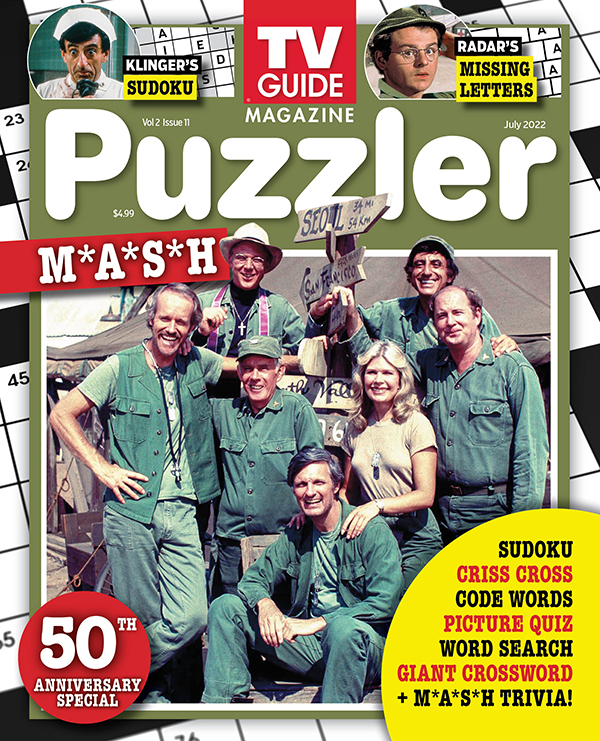
PUZZLER: M*A*S*H
Vol. 2, Issue 11
Celebrate everything about the series, great for fans and newbies!
Buy This Issue