

TV and Movie Idols We Adored in the ’70s: Farrah Fawcett, John Travolta, Henry Winkler & More





What To Know
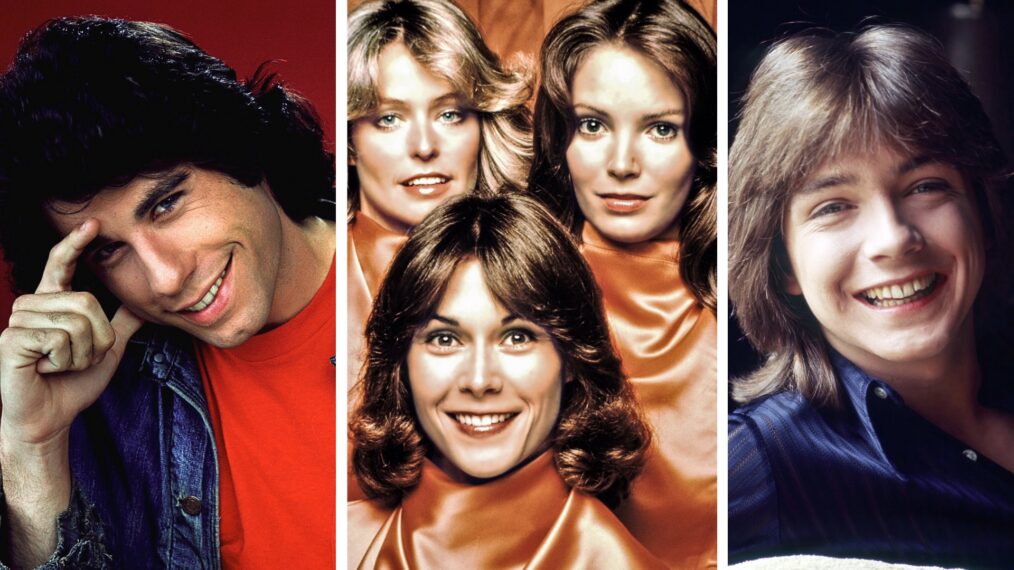
- The 1970s saw an intense cultural obsession with TV and movie idols like Farrah Fawcett, John Travolta, and Henry Winkler, whose popularity was fueled by hit shows and movies of the era.
- Shows like Charlie’s Angels, Happy Days, CHiPs, and Three’s Company, along with films such as Smokey and the Bandit and Saturday Night Fever, defined the decade’s entertainment landscape and celebrity culture.
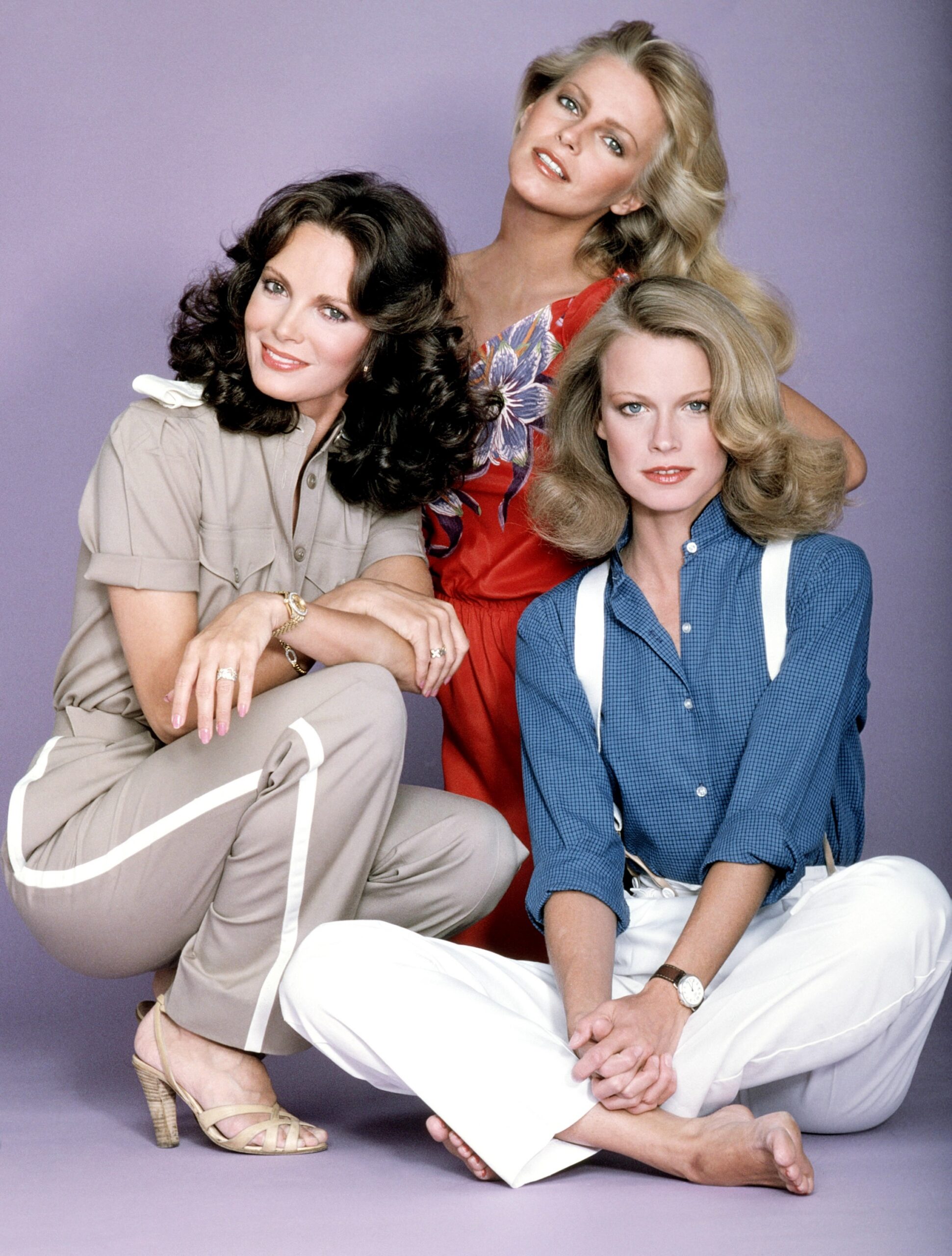
In 1979, Shelley Hack joined the cast of Charlie’s Angels, replacing Kate Jackson, an original star of the mega-popular ABC series. A top 10 show in its first two seasons, it had bowed big in 1976, with fans adoring the offbeat plots (think roller rinks and racecars) and beautiful locks of the blonde Farrah Fawcett-Majors and brunettes Jackson and Jaclyn Smith. By Season 4, the ratings were down, but the worship remained off the charts.
As Hack recalled to TV Guide Magazine, one episode was to be shot in St. Thomas, and “when I got off the plane, there were maybe eight million paparazzi. I looked around for Sophia Loren — but it was for me. I couldn’t believe it.”
ABC/courtesy Everett Collection
She should have. The stars of Charlie’s Angels were always in the sweet spot of America’s obsession with TV and movie idols, a fever that was never higher than in the 1970s. That period wasn’t called the “Me” Decade for nothing; the words perfectly fit the joyous celebration of what we each wanted, and one thing we really wanted was to fawn over the young and beautiful stars we loved — each with their megawatt smiles — adorning the covers of Tiger Beat and more major mainstream magazines.
TV was so different then; you waited each week for the next appearance of Fonzie (Henry Winkler) bumping his closed fist on the jukebox to get it going on Happy Days, Ponch (Erik Estrada) and Jon’s (Larry Wilcox) newest high-speed highway chase on CHiPs, and every bit of banter among Jack (John Ritter), Chrissy (Suzanne Somers) and Janet (Joyce DeWitt) on Three’s Company. And you longed for every inevitable “Baa-baa-baah, baa-Barbarino!” sung and danced by John Travolta on Welcome Back, Kot,ter and squealed with joyous laughter when it came anyway.
Universal/Everett Collection
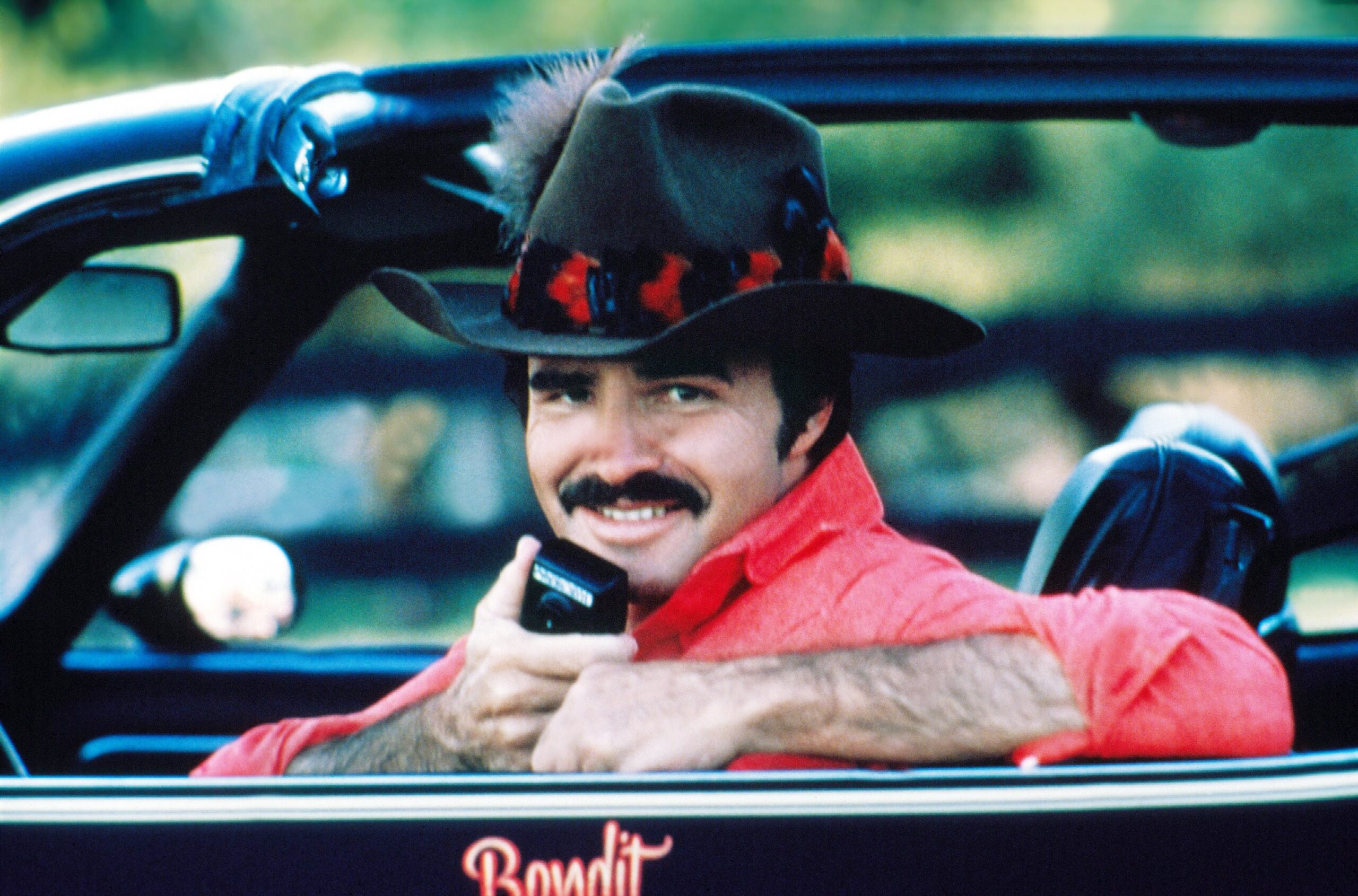
Movies were different, too — you couldn’t access them on a whim. So you’d sit in the theater in thrilling anticipation, waiting for whatever Burt Reynolds and Sally Field might do together when they were “eastbound and down,” being chased by Sheriff Buford T. Justice in Smokey and the Bandit. And swooned for every second of romance between Robert Redford and Barbra Streisand in The Way We Were. And counted the disco beats to that street walk by Travolta that powered the opening moments of Saturday Night Fever.
Defining A Decade
Don Ornitz/TV Guide/courtesy Everett Collection
There was something very different about the times as well. The “Me” Decade was a period of self-indulgence that came after the all-too-serious ’60s. In a sense, we needed a rest from the tightly wound dark days of war and assassination, a chance to break free. Our idols were the brash and creative, vulnerable and beautiful symbols of that age.
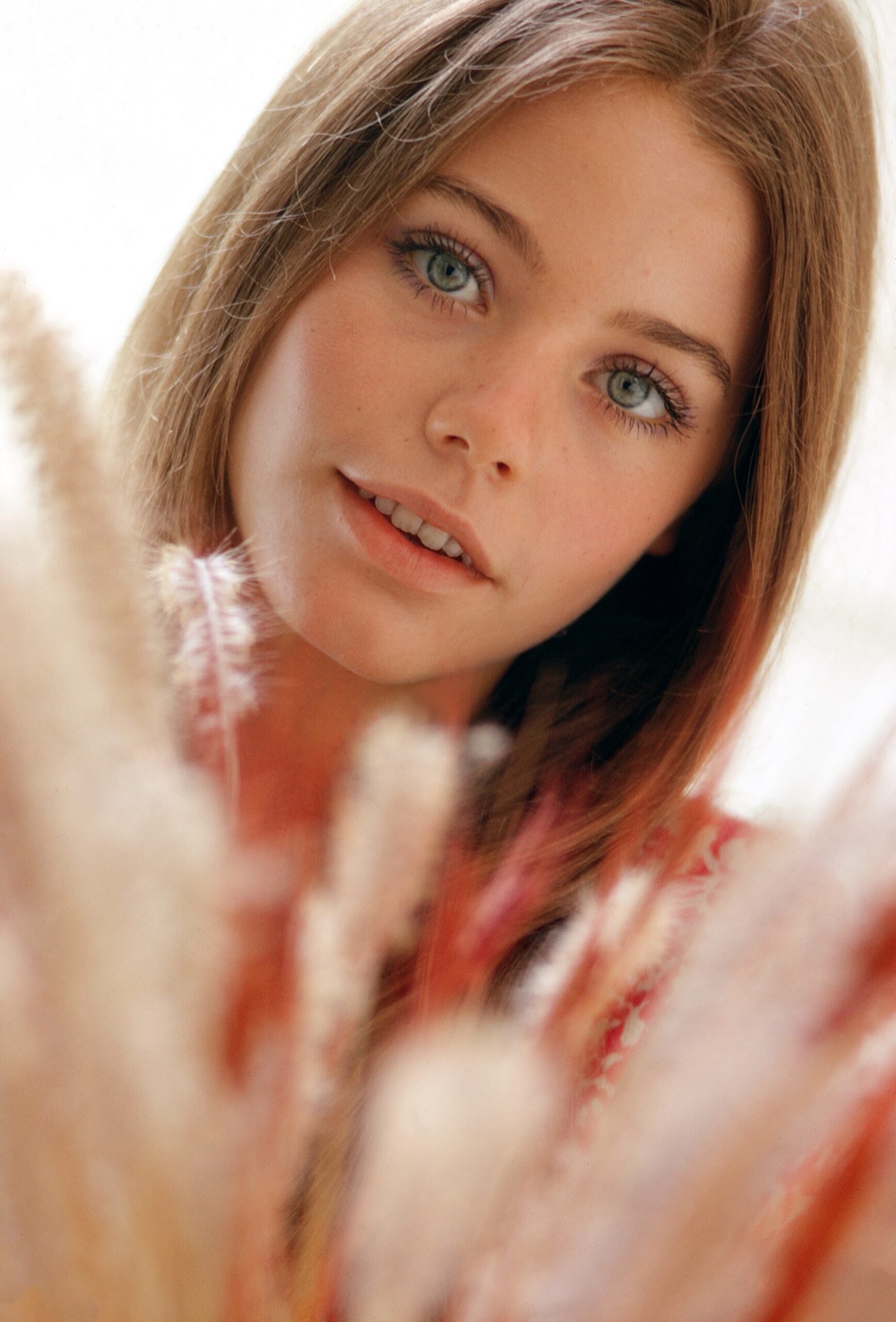
Perhaps no one summed up the look and style better than David Cassidy, encouraging us all to “Get Happy” with his toothy smile and center-part, blown-out hair. You could almost tell, watching him — and his beautiful sister on The Partridge Family, played by Susan Dey — along with the criminally gorgeous crime-fighters on Charlie’s Angels, that the limelight was only going to last for a short while, but that it would burn so brightly we’d never forget it. It’s decades later, and we never have.
This article originally appeared in the January 2023 ’70s Idols issue of ReMIND Magazine.

 Remind
LIMITED ISSUE: CHARLIE's ANGELS
TV Guide Puzzler
Charlie’s Angels 50th Anniversary Collector’s Issue – a trivia and puzzle magazine featuring rare photos and fascinating interviews!
Buy This Issue