

CBS’ Rural Purge Explained: Why ‘The Beverly Hillbillies,’ ‘Green Acres’ & More Were Canceled






What To Know
- In the early 1970s, CBS canceled a slate of highly rated rural-themed shows in what became known as the “rural purge.”
- The network’s decision was driven by a desire to update its image and respond to changing social moods.
- After the purge, CBS introduced groundbreaking shows that shifted television toward more contemporary and socially relevant themes.
The dreaded “rural purge.” If you’re reading this article, you were probably just a kid when it happened. It was really quite an audacious move if you think about it. You’ve got to hand it to CBS for having the sheer wherewithal to follow through with their decision. Some say that the network was just playing catch-up and had to do it. Truthfully, the exact motivations remain debatable.
For those who don’t know what the “rural purge” is, it was a series of cancellations of still very popular rural-themed TV shows, the majority of which occurred at the end of the 1970–71 television season. In addition to shows such as Mayberry R.F.D., The Beverly Hillbillies, and Green Acres, the cancellations also ended several highly rated variety shows that had been on CBS since the beginning of television broadcasting.
According to Ed Gross, writing for Woman’s World magazine, “CBS launched one of the most dramatic shakeups in television history. Practically overnight, the network canceled a slate of hit programs — shows that still ranked among the most popular in the ratings — because executives decided they no longer fit the image they wanted to project.”
Mayberry R.F.D., one of the purge’s first victims, was an extension of The Andy Griffith Show. Griffith himself appeared on it, and other Mayberry favorites such as Goober Pyle and Howard Sprague were major characters on this spin-off. Sure, it wasn’t as good, but it was still solid, entertaining programming and a proven ratings winner for CBS.
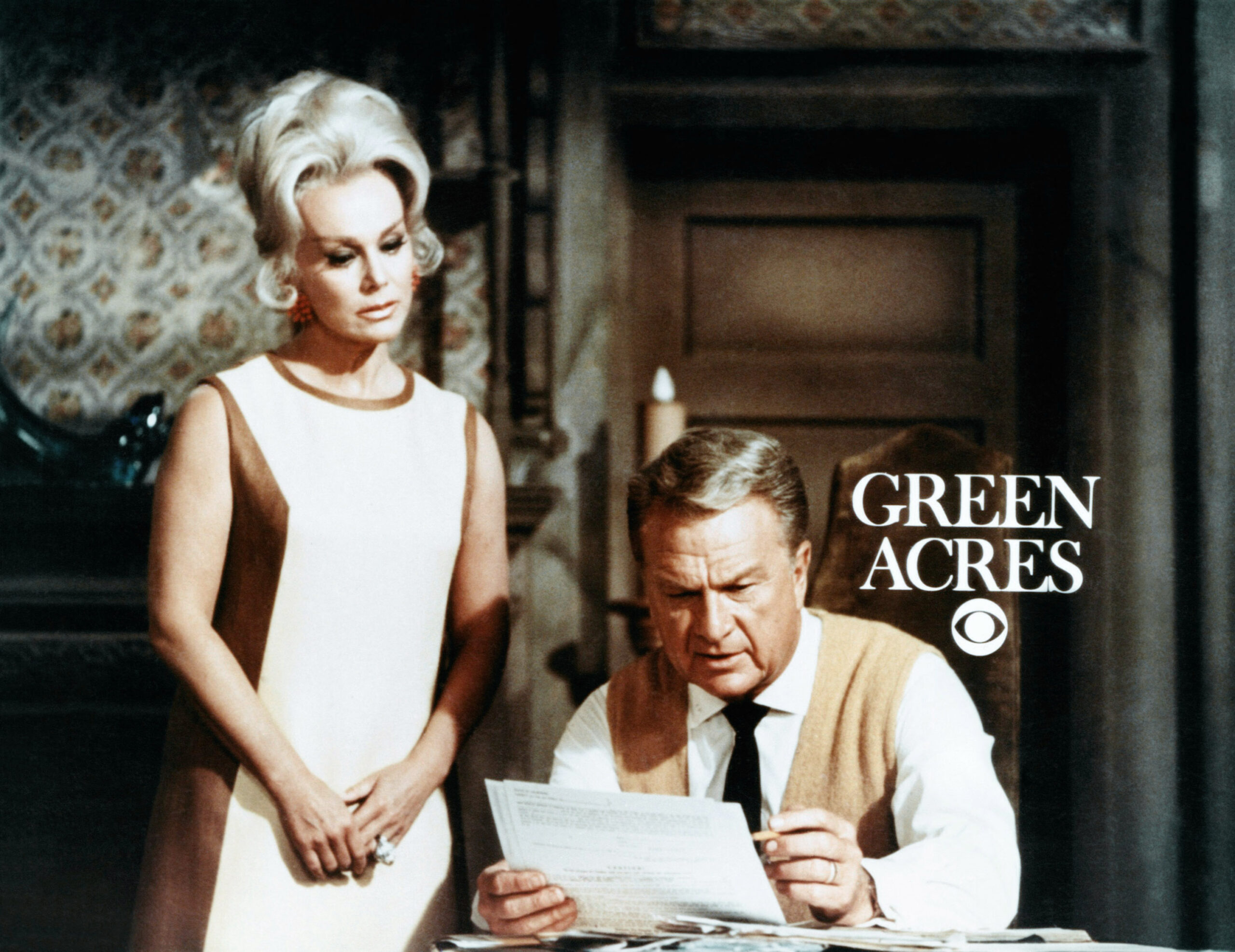
The same holds true for other shows that were victims of the purge. The Beverly Hillbillies, Green Acres and Petticoat Junction were all a ton of fun. Aside from their rural themes, these shows, simply put, were a way to escape from all of the craziness going on in the world back then.
So, the picture is clear, right? Rural-themed shows, still very highly rated, were given their walking papers by CBS. Since that time, television historians have looked back and analyzed that decision. Why did CBS do it? Was it the right thing to do? Was it bold, or was it a cowardly act?
In the October 2013 issue of The Socionomist magazine, writer Robert Folsom explained that the rural purge was an inevitability. He believed that it had to happen. The deeply negative social mood within the United States could not be contained or ignored, and CBS’s lighthearted rural programming, as popular as it was, just seemed out of place. As such, in a Television Academy Foundation interview, Mayberry R.F.D. star Ken Berry remembers actor Pat Buttram, the guy who played Mr. Haney on Green Acres, describing 1971 as the year that “CBS killed everything with a tree in it.”
Perhaps there is reason to think that maybe, just maybe, CBS was onto something. Those were hectic, volatile times. For good or bad, a lot of the network’s programming existed in a world that was blissfully unaware of what was happening in the real world. It was part of those shows’ charm. But looking back, it was arguably also a curse.

Everett Collection
So, what did viewers get from CBS after the purge? Well, it wasn’t all bad. In their places, we got Norman Lear-produced sitcoms like All in the Family, Maude and The Jeffersons. Additionally, no one can argue that The Mary Tyler Moore Show wasn’t a great addition to the network. And it wasn’t long before CBS added M*A*S*H to their line-up as well. Sure, that final episode wasn’t the greatest, but for 11 seasons, the antics of the 4077th made for fantastic, thought-provoking television that probably wouldn’t have happened if not for the rural purge.
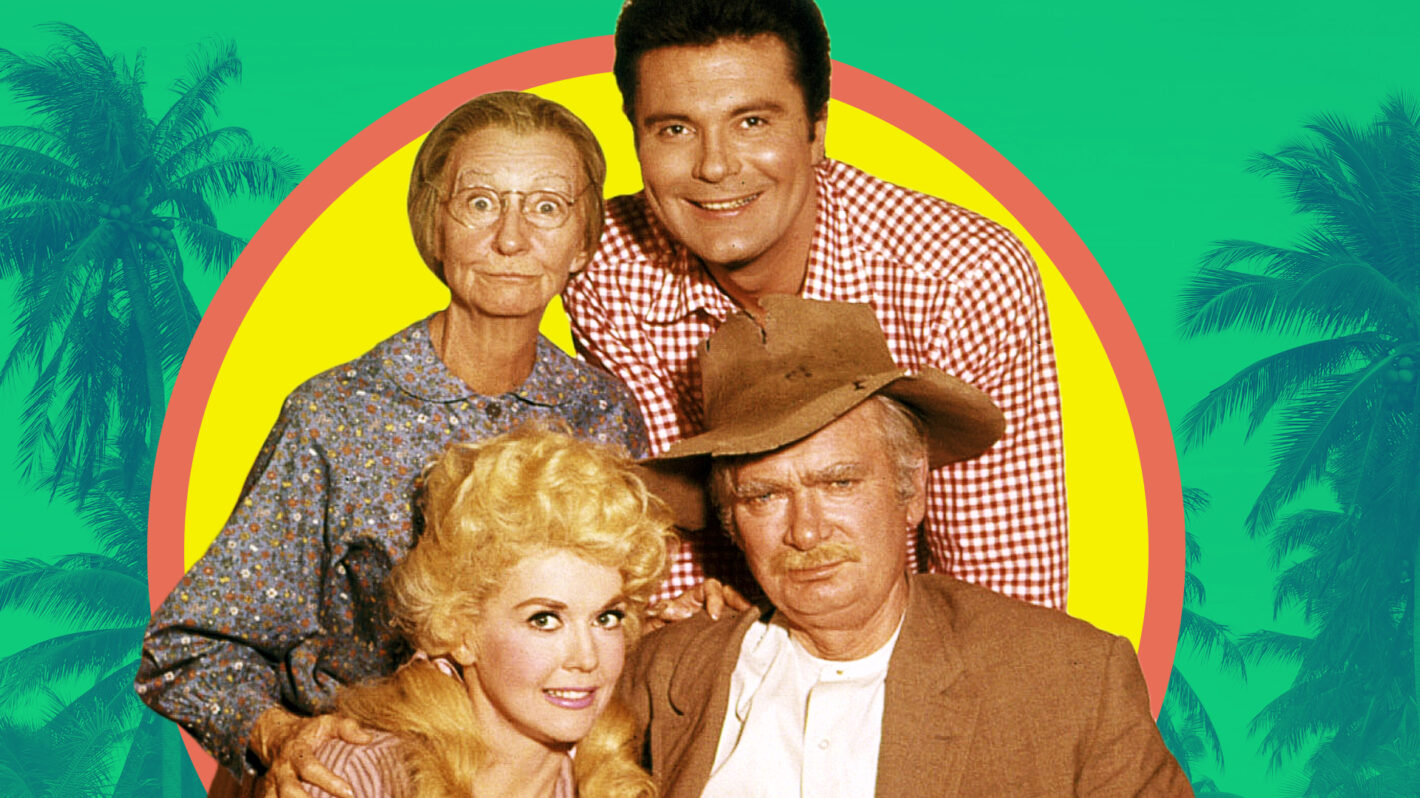
That said, you can’t beat those darn hillbillies: Buddy Ebsen, Irene Ryan, Donna Douglas, and Max Baer Jr.; they were just the best. It’s just something of a noggin’ scratcher that the network believed the two types of programming simply couldn’t coexist. Why couldn’t there have been a couple more seasons of hillbilly shenanigans and maybe even a little more Mayberry R.F.D. along with All in the Family and eventually M*A*S*H?
It is just hard to understand. It really is.
 Remind
Classic TV Shows of the ’50s & ’60s
September 2020
Test your knowledge, from Bonanza and Gunsmoke to I Love Lucy, I Dream of Jeannie, Star Trek and more fun TV of the 1950s and 1960s.
Buy This Issue