

15 American Folk Heroes & Historical Icons Who Defined a Nation





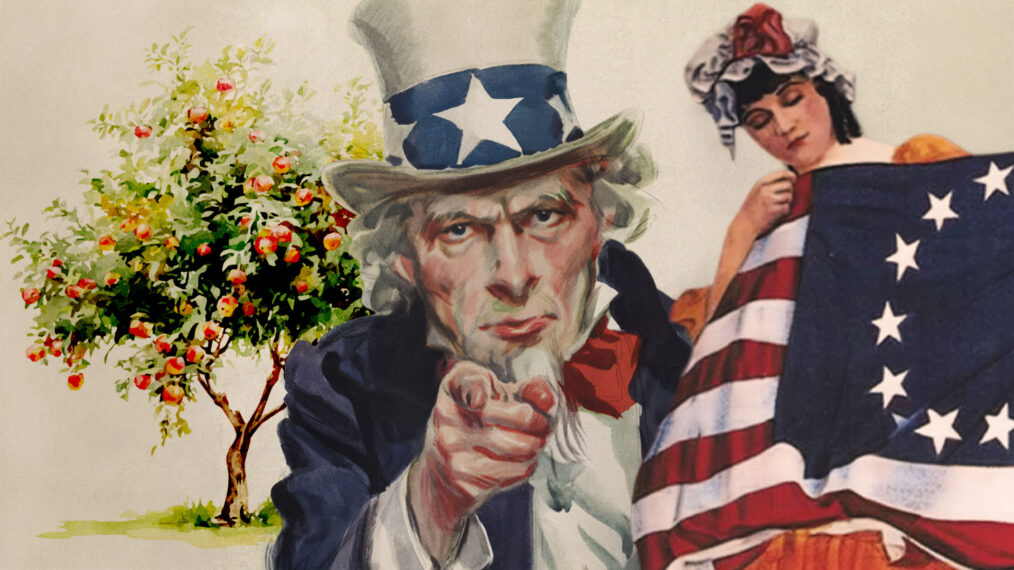
At only the tender age of 250, the United States of America is nowhere near as ancient as Greece, but we have been around long enough to develop our mythology of heroes, legends, and symbols. The deeds of the men and women who shaped this country have grown with every telling of their stories, transforming them into icons of Americana.
Here’s a look at the lives and legacies of some of our greatest explorers, trailblazers and folk heroes, both real and imagined.
1 Betsy Ross
Everett Collection
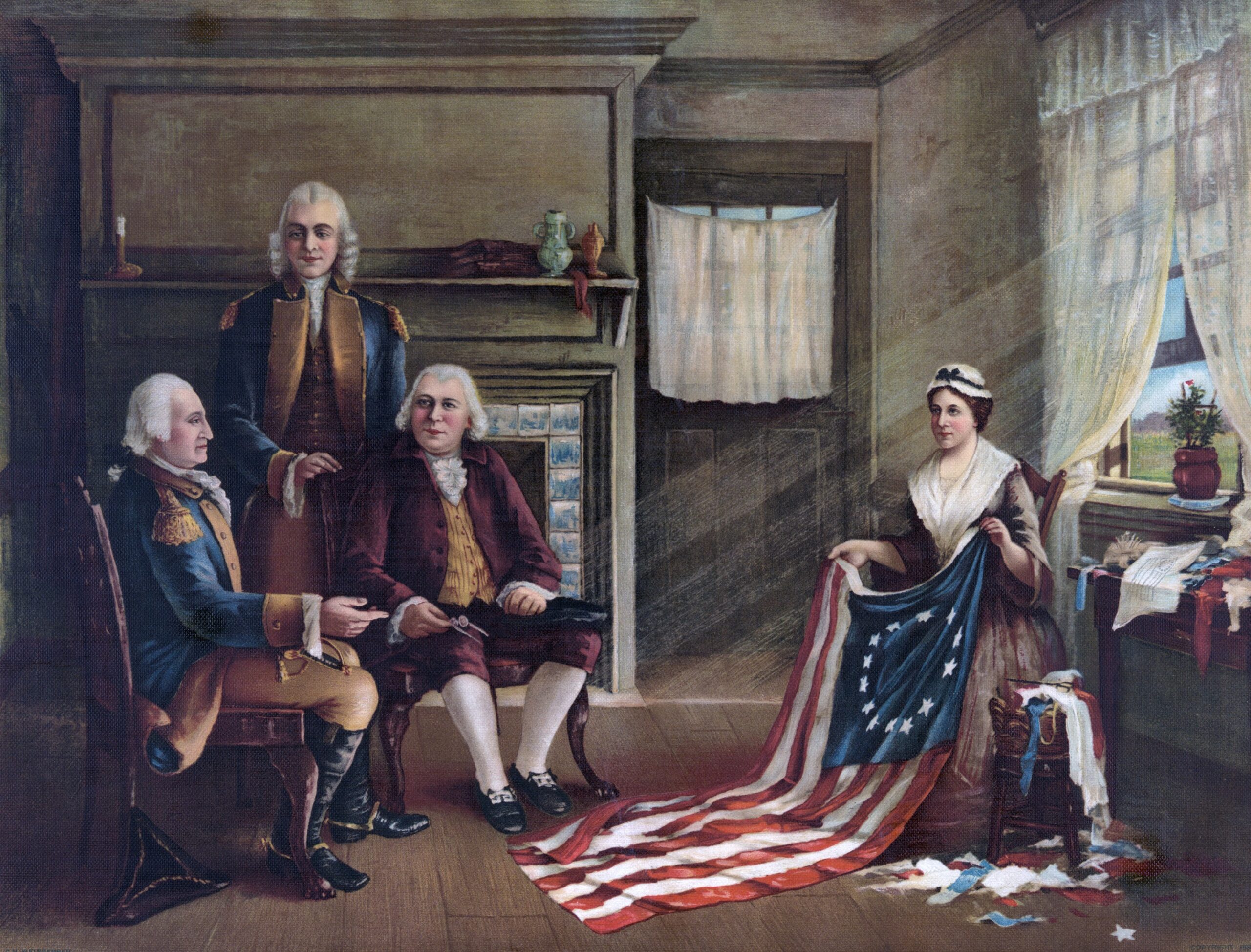
The Philadelphia upholsterer is said to have helped design the first American flag at the personal request of Gen. George Washington himself. While there’s no solid historical evidence that Ross was the first to sew the Stars and Stripes (the tale surfaced a century later in writings by her grandson), she did sew flags and uniforms for the Pennsylvania Navy during the Revolution, and for 50 years thereafter. Whatever the reality, Ross (1752-1836) herself endures, like the flag, as a symbol representing the innumerable unsung heroic women of the Revolutionary War.
2 Davy Crockett
Copyright by James Herring/Library of Congress
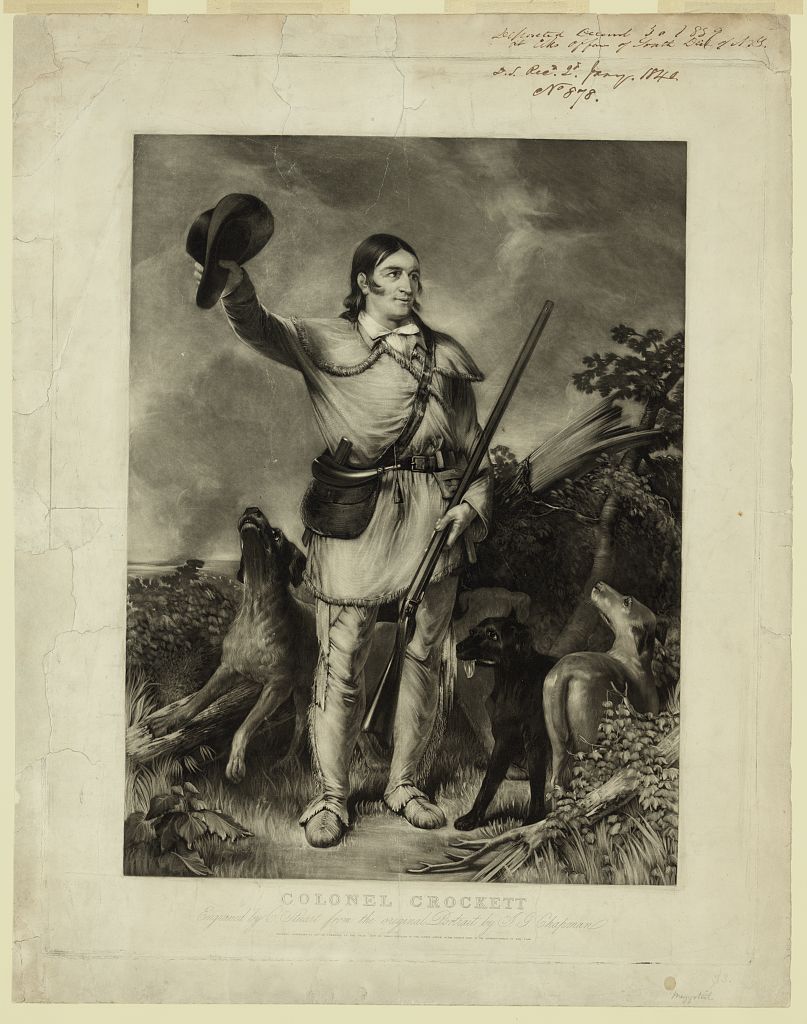
Was Davy Crockett (1786-1836) truly the “King of the Wild Frontier”? If the coonskin cap fits, wear it! Crockett’s time as a scout in the Creek War granted him the keen tracking and survival skills that would become the stuff of folklore. Elected three times to the U.S. Congress, he championed for poor homesteaders and broke with President Jackson on the horrific Indian Removal Act of 1830 that spawned the Trail of Tears. When this cost him his seat, he declared, “You may all go to hell, and I will go to Texas.” He did just that, dying at the Alamo in the fight for the territory’s independence from Mexico.
3 Clara Barton
Everett Collection
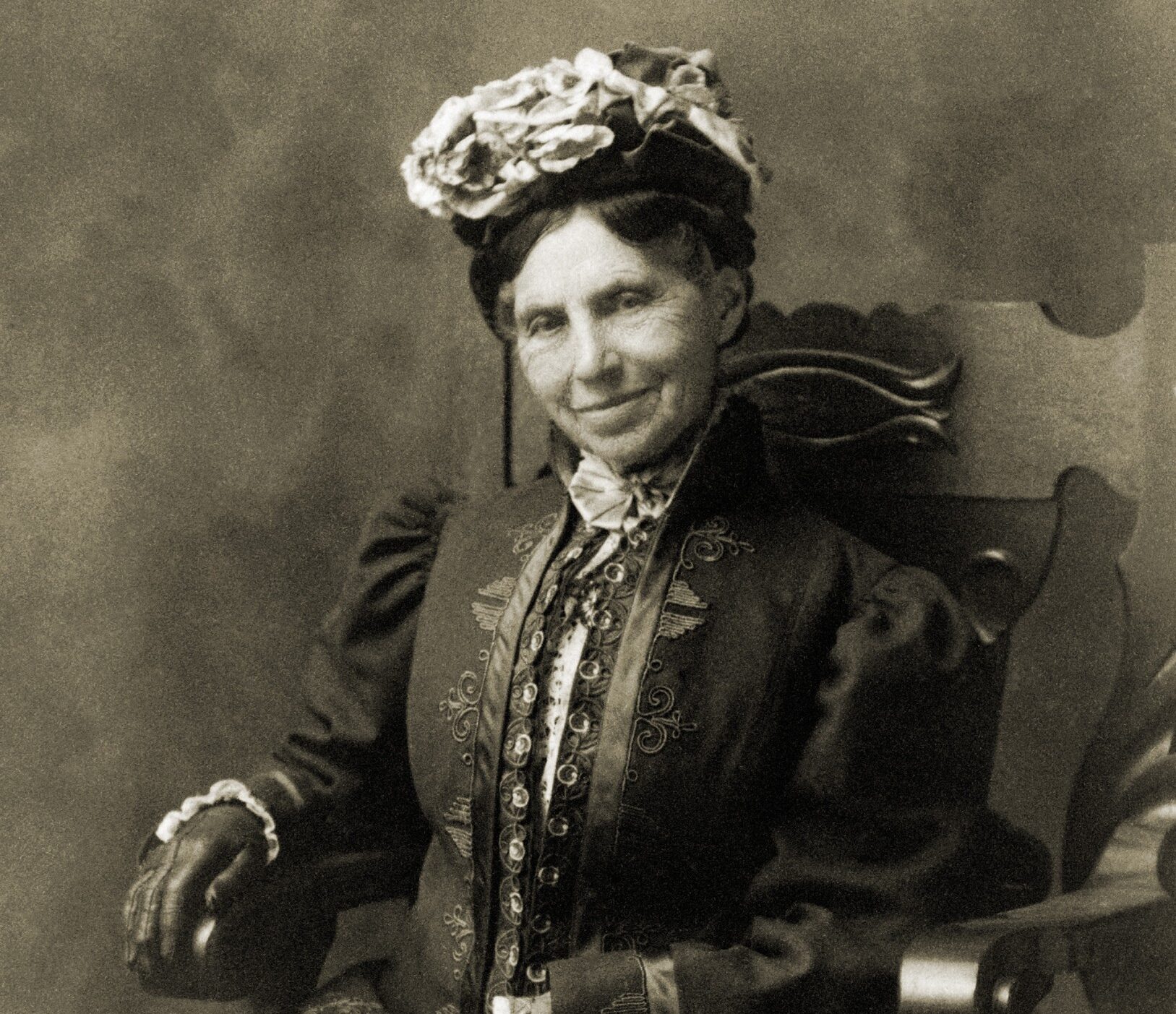
After establishing New Jersey’s first free public school, Barton (1821-1912) resigned in protest of gender pay inequality. She became a patent clerk and one of the first women in federal government … and she received equal pay! During the Civil War, the 40-year-old “Angel of the Battlefield” served as a front-line nurse with only self-taught medical training. Then, she coordinated correspondence with families of missing soldiers, helping to identify roughly 22,000 of the missing. With still more to give, she founded and led the American Red Cross for nearly 25 years.
4 Pocahontas
Everett Collection
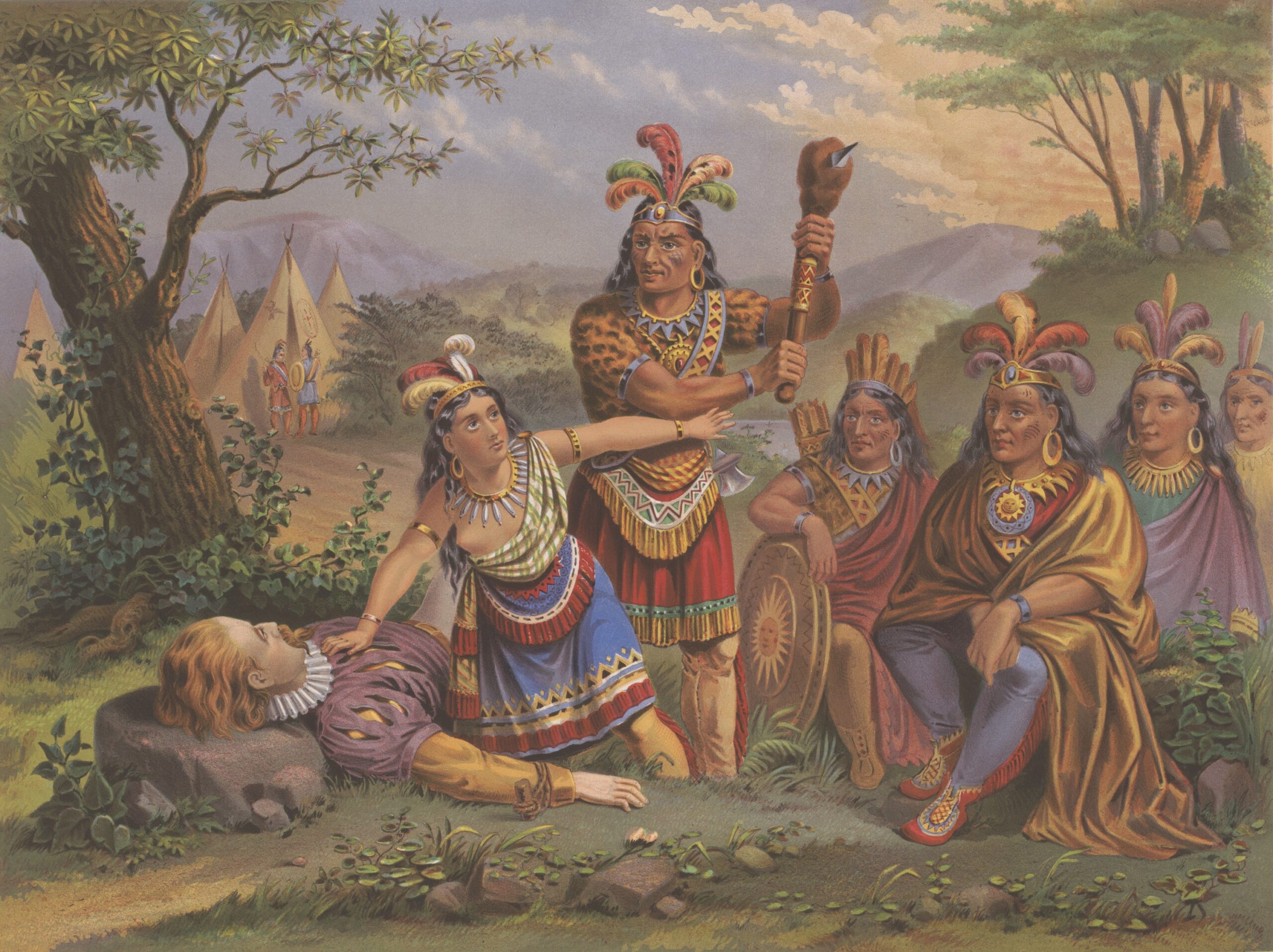
Pocahontas — birth name Amonute (1596-1617) — was the daughter of the Powhatan people’s chief in early 17th century Virginia. As something of a diplomatic envoy to the Jamestown colony, she’s said to have defended Capt. John Smith from execution. After her kidnapping intensified conflict between their peoples, her marriage to John Rolfe (likely under duress) helped usher in a period of peace. Brought to England to prove that Native Americans could be “civilized,” she sadly died at age 21 on the return trip before seeing home again, but lives on as a symbol of Native American strength and pride.
5 Paul Bunyan
John Margolies Roadside America photograph archive (1972-2008), Library of Congress, Prints and Photographs Division.
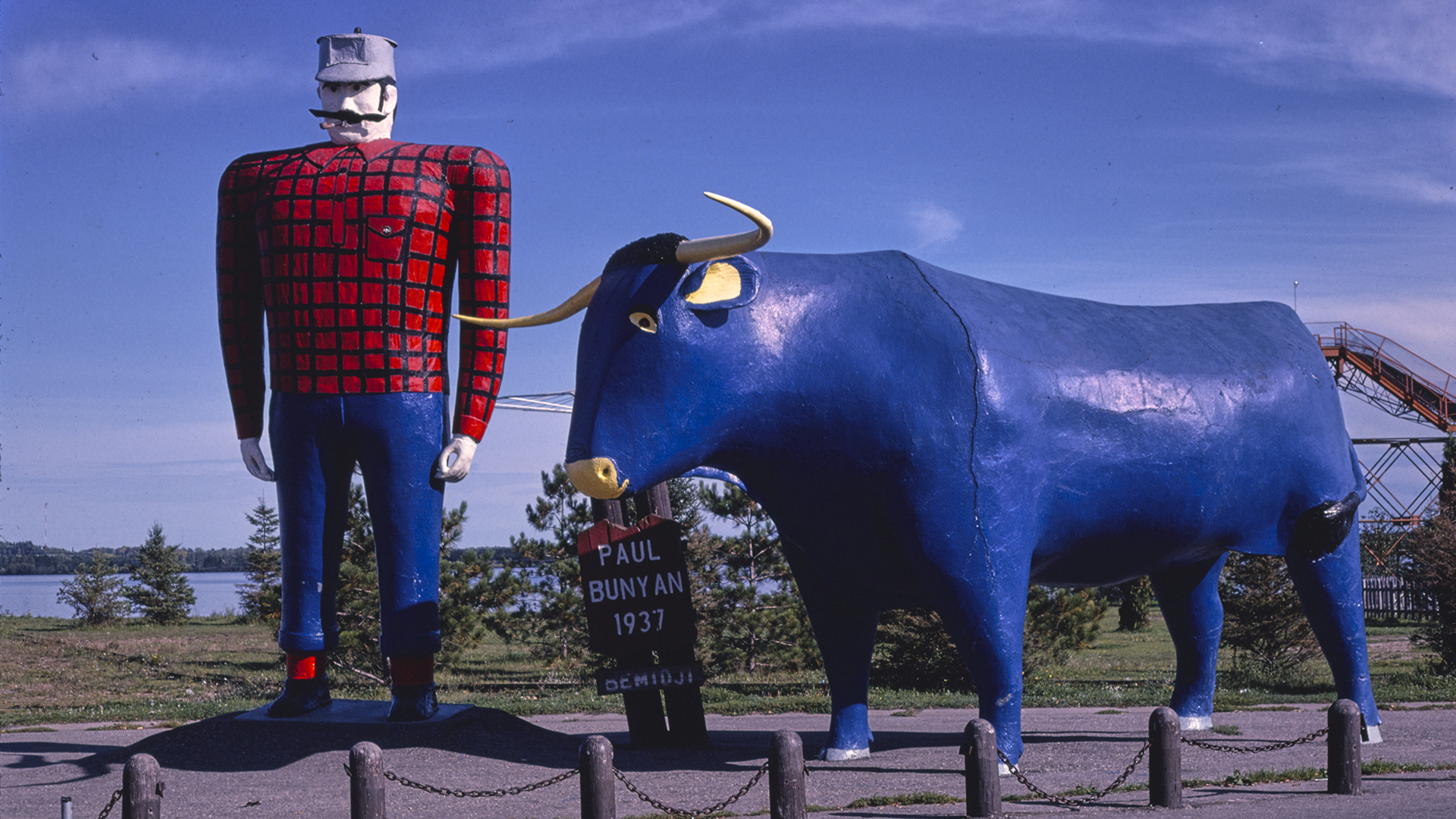
The tallest tale on our list has to be that of Bunyan, the giant lumberjack who, along with his mountain-sized companion Babe the Blue Ox, is said to have created some of America’s greatest natural features. Able to chop down a lot of trees with a single swing of his mighty ax, Bunyan’s superhuman labors include digging the Great Lakes, carving out the Grand Canyon and clearing all the trees of the Dakotas. Arising from lumberjack oral tradition, Bunyan’s story was popularized by marketing for the Red River Lumber Company beginning in 1916.
6 Pecos Bill
Everett Collection
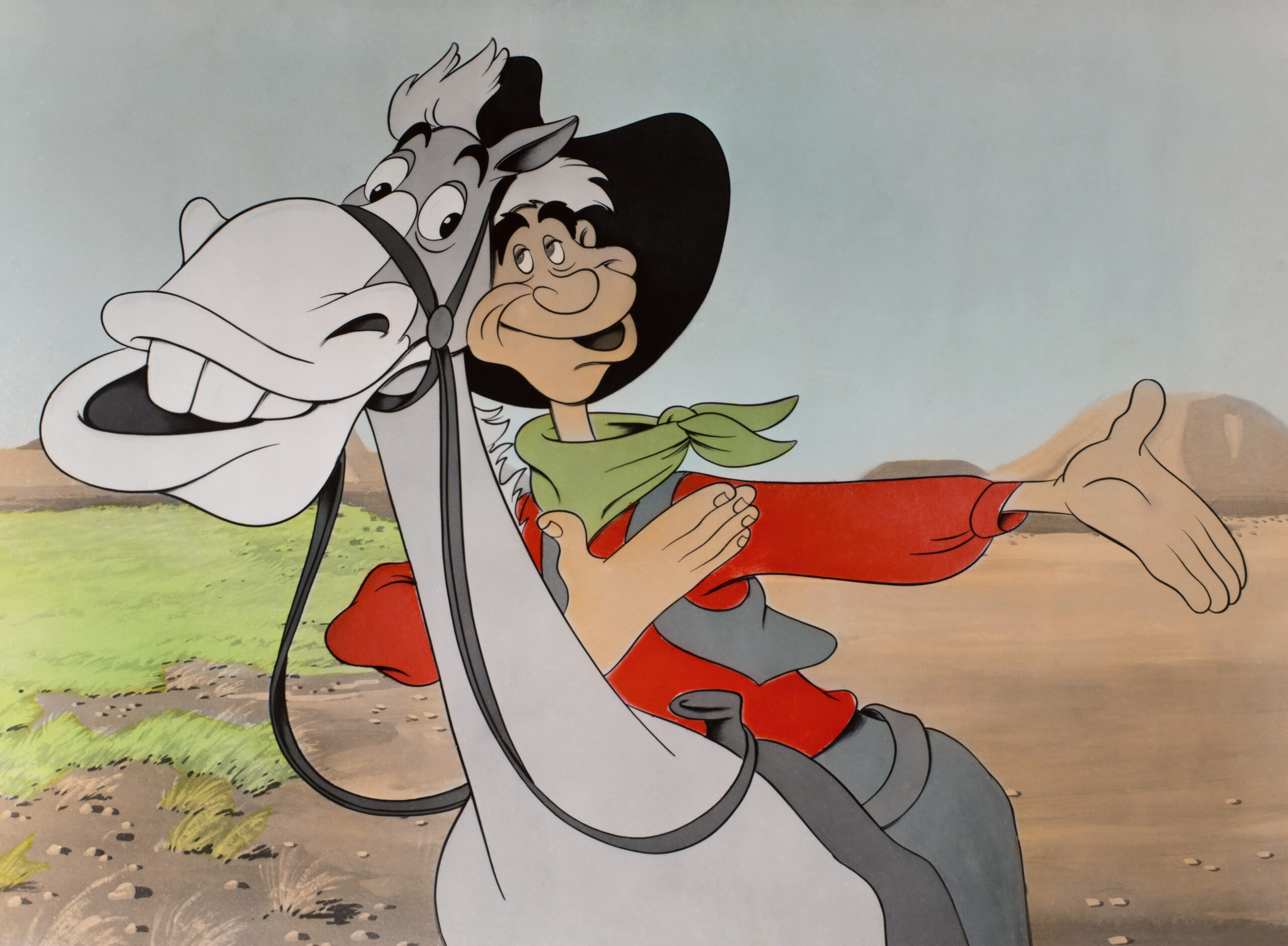
Raised by a pack of coyotes, Pecos Bill was the rootinest, tootinest cowboy the Wild West had ever seen. He rode a cyclone like a bucking bronco, tied the first lasso out of a 15-foot rattlesnake, and his stallion, Widow-Maker, once bucked his wife Slue-Foot Sue so hard she hit her head on the moon. Sounds authentic, right? The best Western folk heroes arose from the harsh realities of the frontier, their epic deeds growing each time cowboys talked around a campfire. Not Pecos Bill! He was 100% “fakelore,” made up by magazine writer Edward O’Reilly in 1917 and passed off successfully as a product of genuine oral tradition.
7 Calamity Jane
Everett Collection
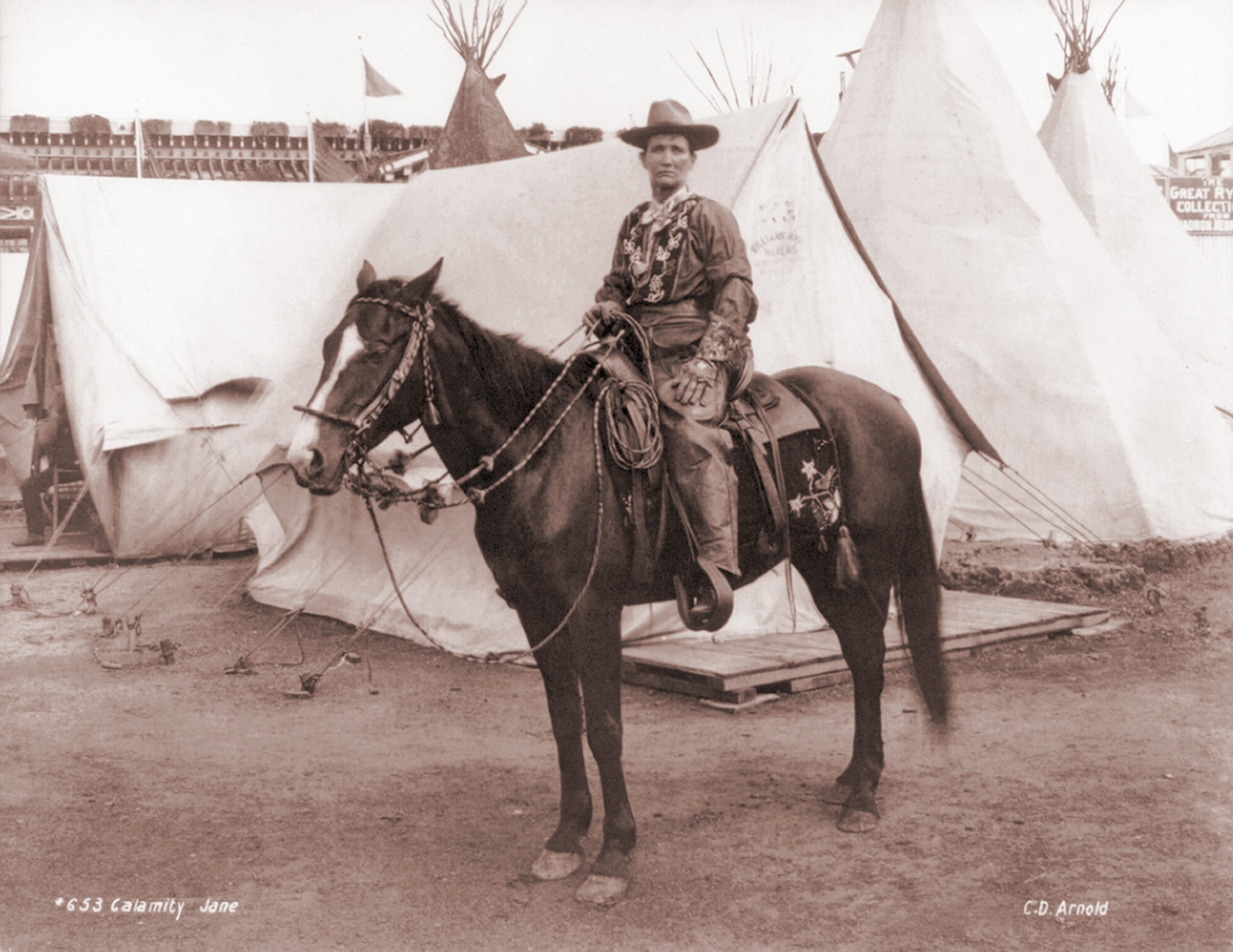
Wherever Martha Jane Canary (1852-1903) went, calamity followed! That is, if you believe half the stories she spun of her own adventures. The rugged frontierswoman grew up — and raised her five siblings — on the harsh, male-dominated frontier. She took to wearing men’s clothing, riding horses, drinking hard and shooting harder. Jane traveled to the gold rush town of Deadwood with gunslinger Wild Bill Hickok, where she reportedly cared for miners during a smallpox epidemic.
8 Annie Oakley
New York World-Telegram and the Sun Newspaper Photograph Collection (Library of Congress)
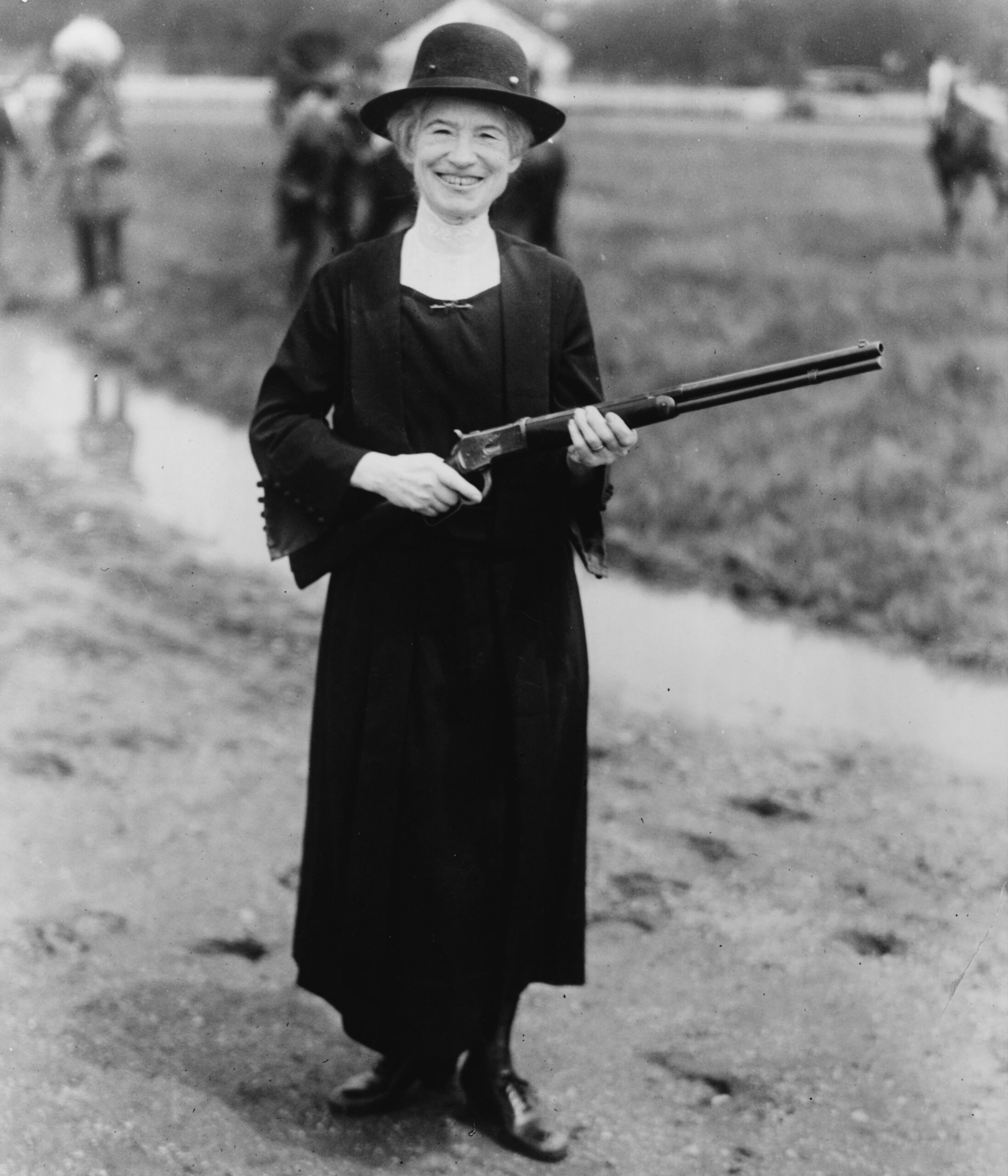
Buffalo Bill’s star attraction was “Little Sure Shot” Annie Oakley, whose aim was so precise she could split a playing card edge-on at 30 paces, or shoot a cigarette from between a man’s lips. Oakley learned to shoot to provide for her family at age 8, and by 15 outshot gunslinger Frank E. Butler, who would become her husband. She maintained a conservative “proper” image of a Victorian lady but remained a trailblazer, advocating for equal pay and teaching over 15,000 women to shoot for self-defense.
9 Francis Scott Key
Hulton Archive/Getty Images
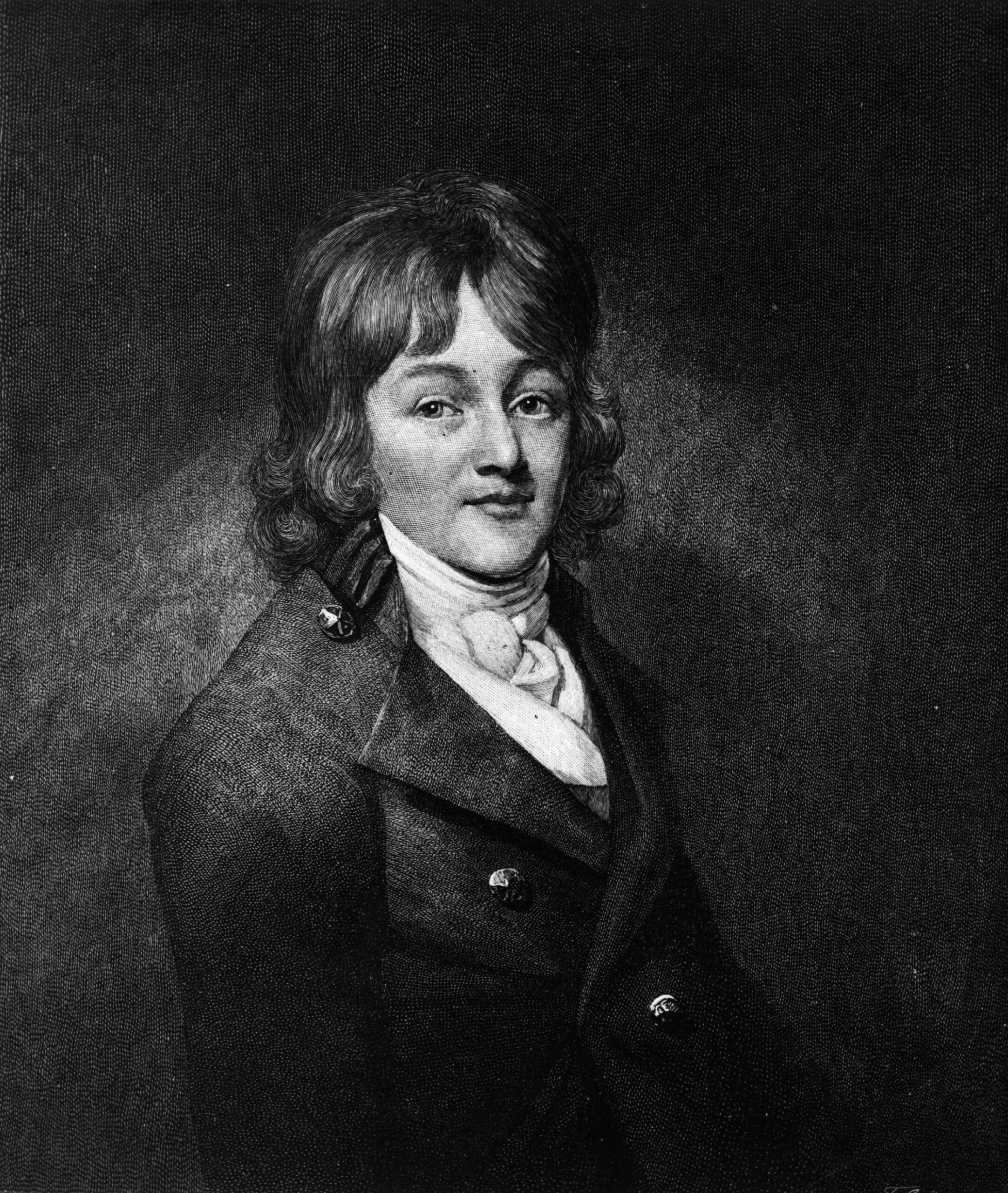
An elite D.C. lawyer and amateur poet, Key (1779-1843) was detained while negotiating the release of a prisoner during the War of 1812. From a British ship, he watched the bombardment of Fort McHenry. When the smoke cleared and dawn arrived, he saw the American flag was still flying. Immediately inspired, he penned the poem that would one day provide the lyrics for our national anthem. Key went on to serve Andrew Jackson as the U.S. Attorney for D.C.
10 Daniel Boone
Public Domain/Missouri History Museum Photograph and Prints collection.
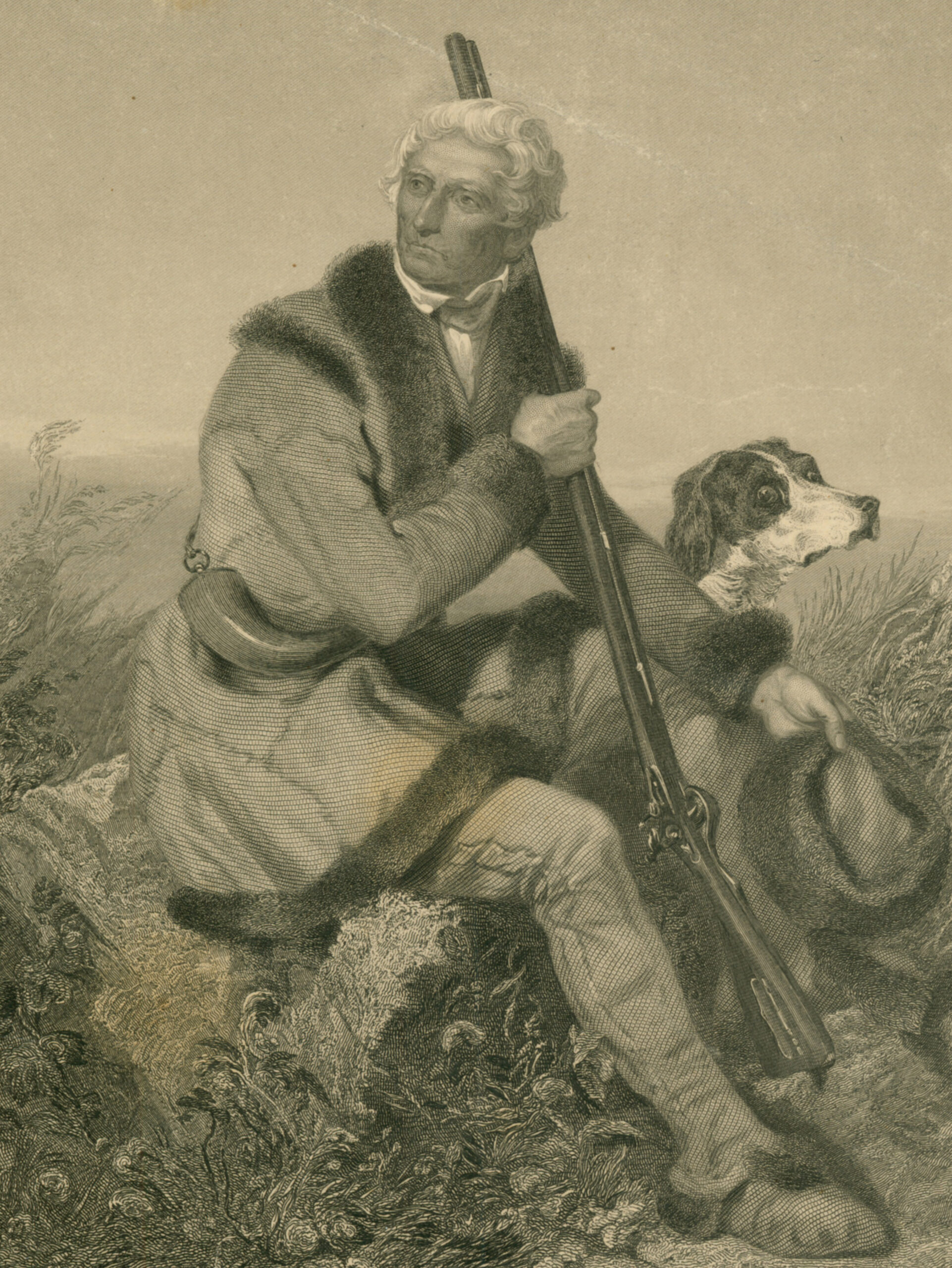
After serving in the French and Indian War, Boone (1734-1820), an explorer, led American westward expansion, blazing the Wilderness Road through the Cumberland Gap and founding one of the first colonial settlements west of the Appalachians in Kentucky. During the Revolution, he fought against British-allied Native Americans on the Western frontier, launching a daring rescue when his daughter was captured by raiders, and surviving his own five-month captivity. Boone’s very real but highly embellished exploits provided a heroic figure for the fledgling U.S. to rally behind.
11 Uncle Sam
Everett Collection
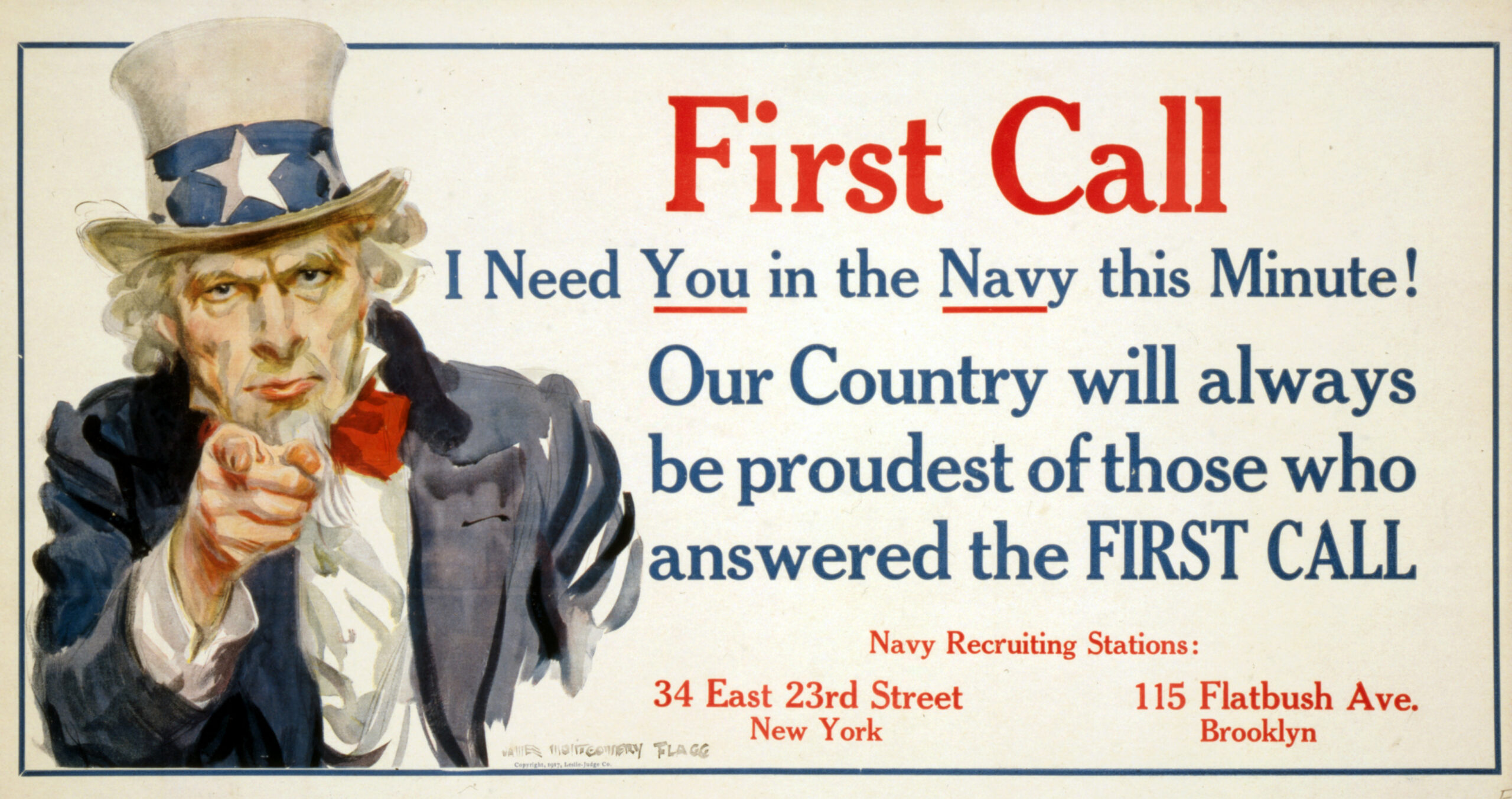
A patriotic symbol of the United States, Uncle Sam came to be during the War of 1812, when New York meatpacker Samuel Wilson stamped barrels of food “U.S.,” which soldiers joked stood for “Uncle Sam’s.” The white beard and stars-and-stripes suit arrived later in the 1860s and ’70s, courtesy of cartoonist Thomas Nast. But it was the famous “I Want You” World War I recruitment poster designed by the aptly named James Montgomery Flagg that forever cemented Uncle Sam as the personification of the federal government.
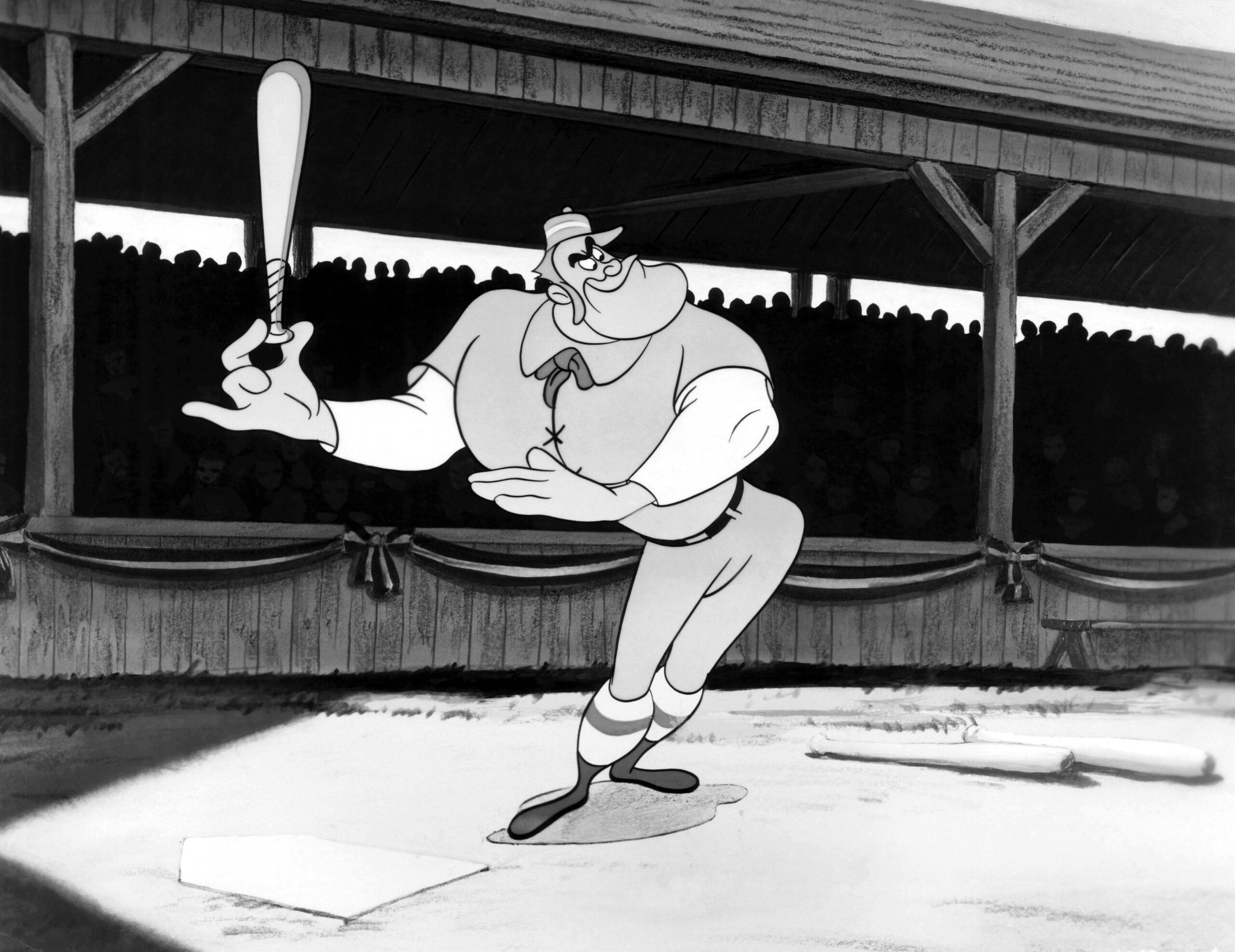
12 The Mighty Casey
Everett Collection
“Casey at the Bat” was a wildly popular 1888 comedic poem by Ernest Lawyer Thayer that depicted — and helped shape — early American baseball culture. Thirteen melodramatic rhyming stanzas tell the story of Mudville’s baseball team, down by two in the final inning when town hero Casey steps up to the plate. Arrogant, he lets two strikes pass him by, waiting to clobber the third pitch. But, alas, there was “no joy in Mudville — mighty Casey has struck out.” Though Thayer always maintained Casey was entirely fictional, it’s possible he was based on cocky Boston Beaneaters superstar Mike “King” Kelly.
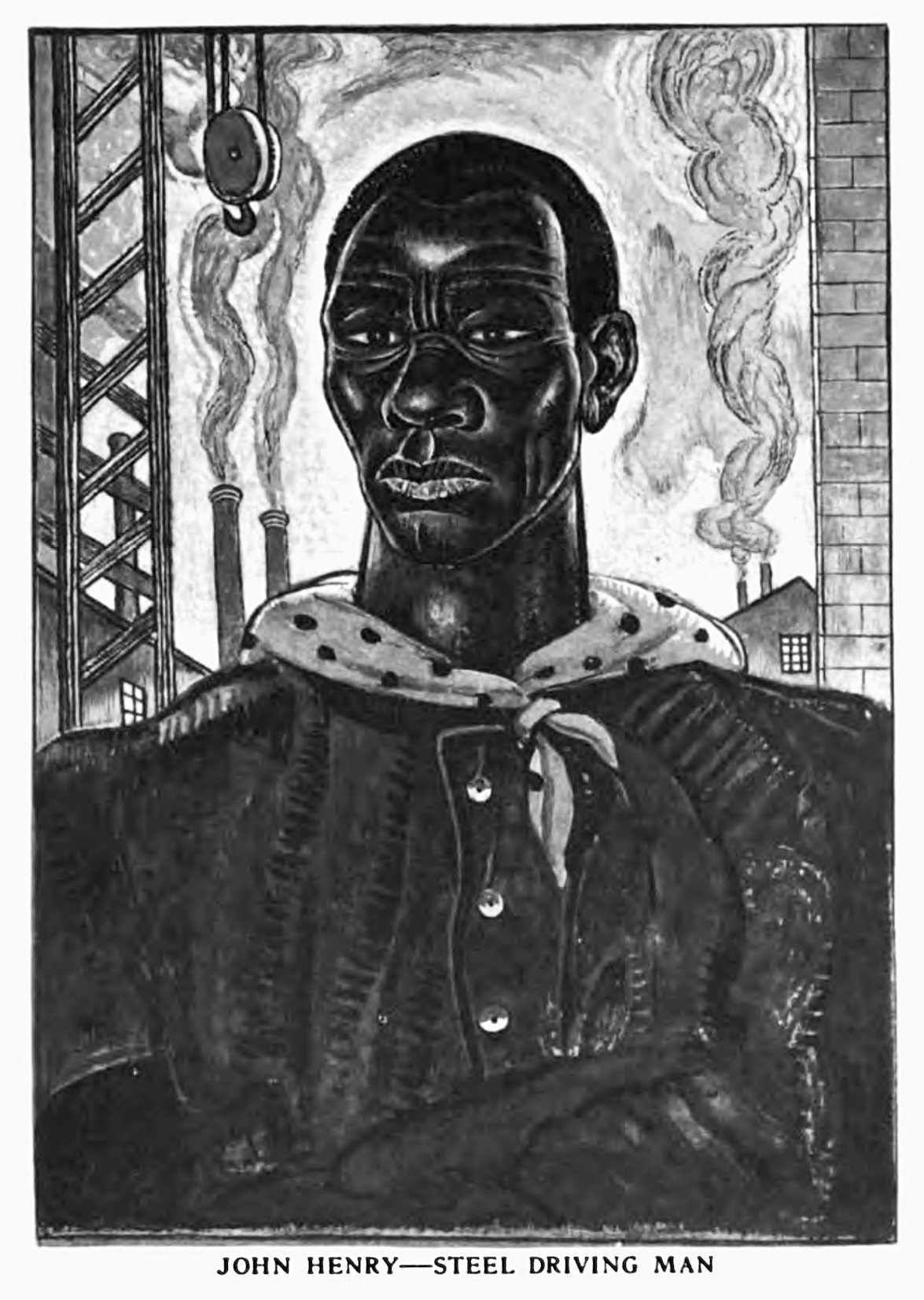
13 John Henry
Wikipedia/Public Domain
The “steel-driving man” of Reconstruction-era Black folklore and song, John Henry was a freedman who challenged a steam-powered drill in a race to carve out a railroad tunnel, heroically defeating the machine before succumbing to a heart attack. Once thought to be entirely fictional, historians now believe the character may have been based on 19-year-old John William Henry — a convict who, like thousands of other Black workers, was forced to labor and died in the building of America’s railways. John Henry’s legendary victory is one of human labor over technology, and Black strength in the face of oppression.
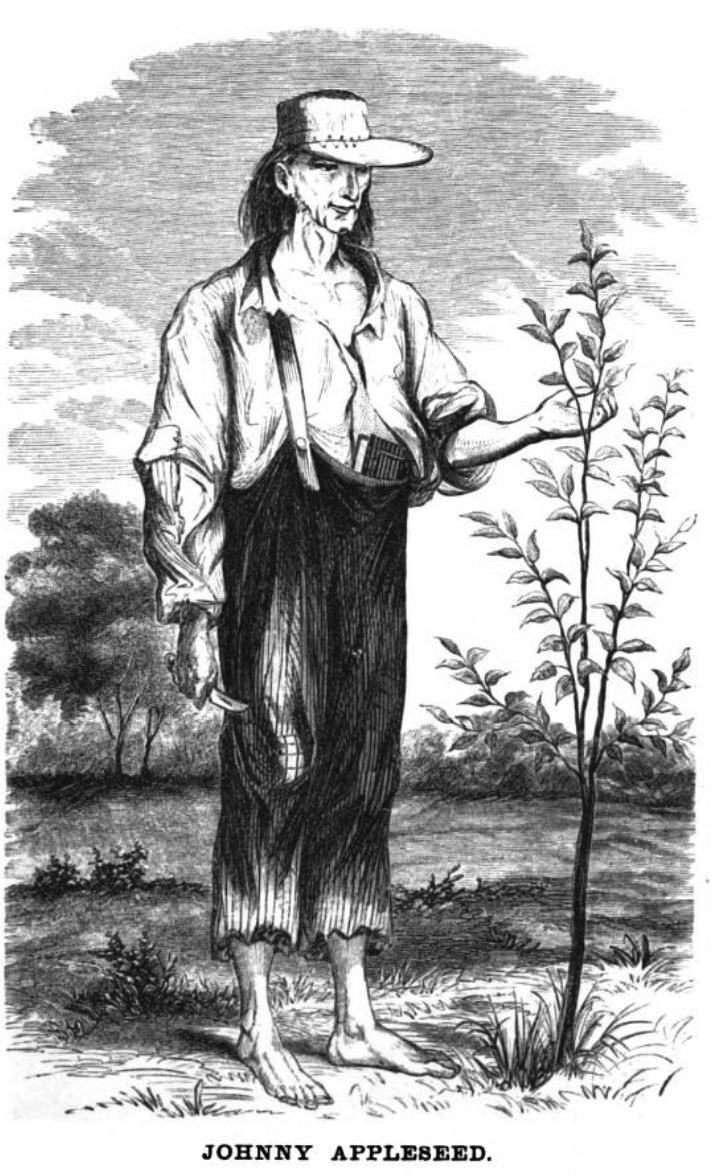
14 Johnny Appleseed
Wikipedia/Public Domain
In folktales, eccentric Johnny Appleseed wandered penniless and barefoot across the American frontier in a burlap sack and tin cooking pot hat, randomly scattering seeds and leaving behind orchards of sweet red apples for future settlers to eat. In reality, John Chapman (1774–1845) was a businessman who used a loophole to claim dozens of 100-acre tracts of land by planting orchards (of sour apples used for hard cider) that he’d then sell to pioneers. Deeply devout, his travels doubled as missionary work, and he did indeed live extremely humbly, wearing ragged clothes and reportedly walking barefoot even in the snow, behavior said to have caused his death from pneumonia at 70.
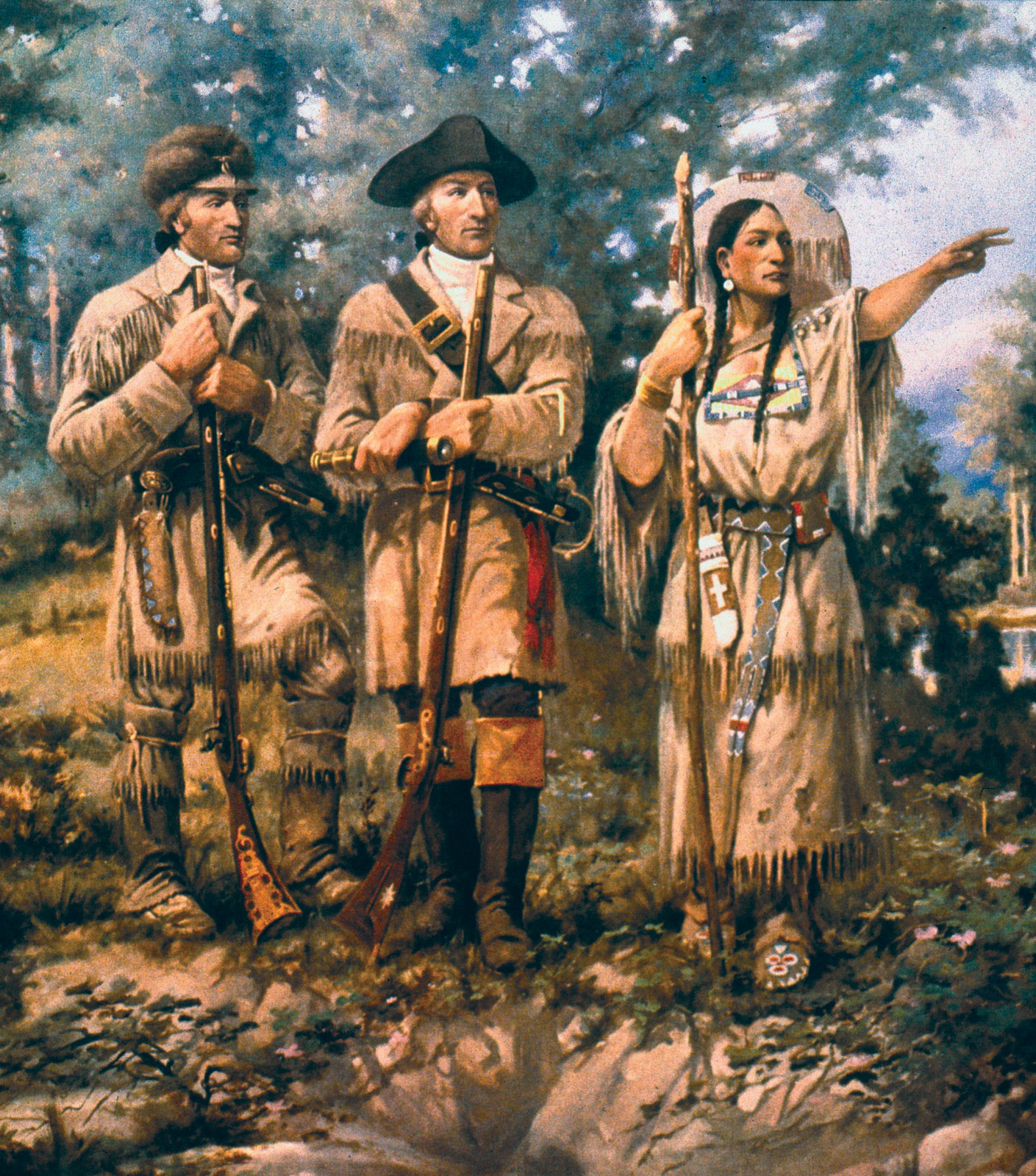
15 Sacagawea
Wikipedia
Lewis and Clark are celebrated for exploring the Louisiana Purchase, but it was Shoshone tribeswoman Sacagawea (1788-1812) who helped guide them safely through Native territories. At 12, Sacagawea was kidnapped, sold and forced to marry French trapper Toussaint Charbonneau. Lewis and Clark hired him as an interpreter specifically because Sacagawea spoke Shoshone. She carried her newborn child on their long journey to the Pacific, securing supplies, keeping the peace with other tribes, navigating the wilderness, and saving the expedition’s maps and journals when their boat capsized.
This article appears in the July/August 2026 Americana Issue of ReMIND Magazine. You can purchase the full issue at the link below.
 Remind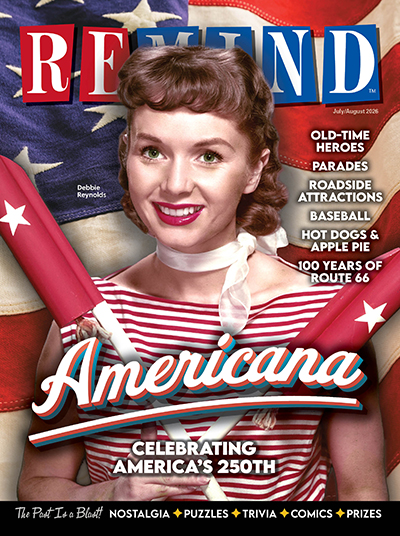
Americana
July/August 2026
Celebrate 250 years of Americas best nostalgic & kitschy fun!
Buy This Issue