

How World War II Changed Baseball Forever and Revived America’s Pastime





What To Know
- During World War II, many star baseball players leading to a diminished quality of play during the war years.
- The return of these veterans symbolized a restoration of normalcy and boosted national morale in postwar America.
- Baseball attendance soared after the war.
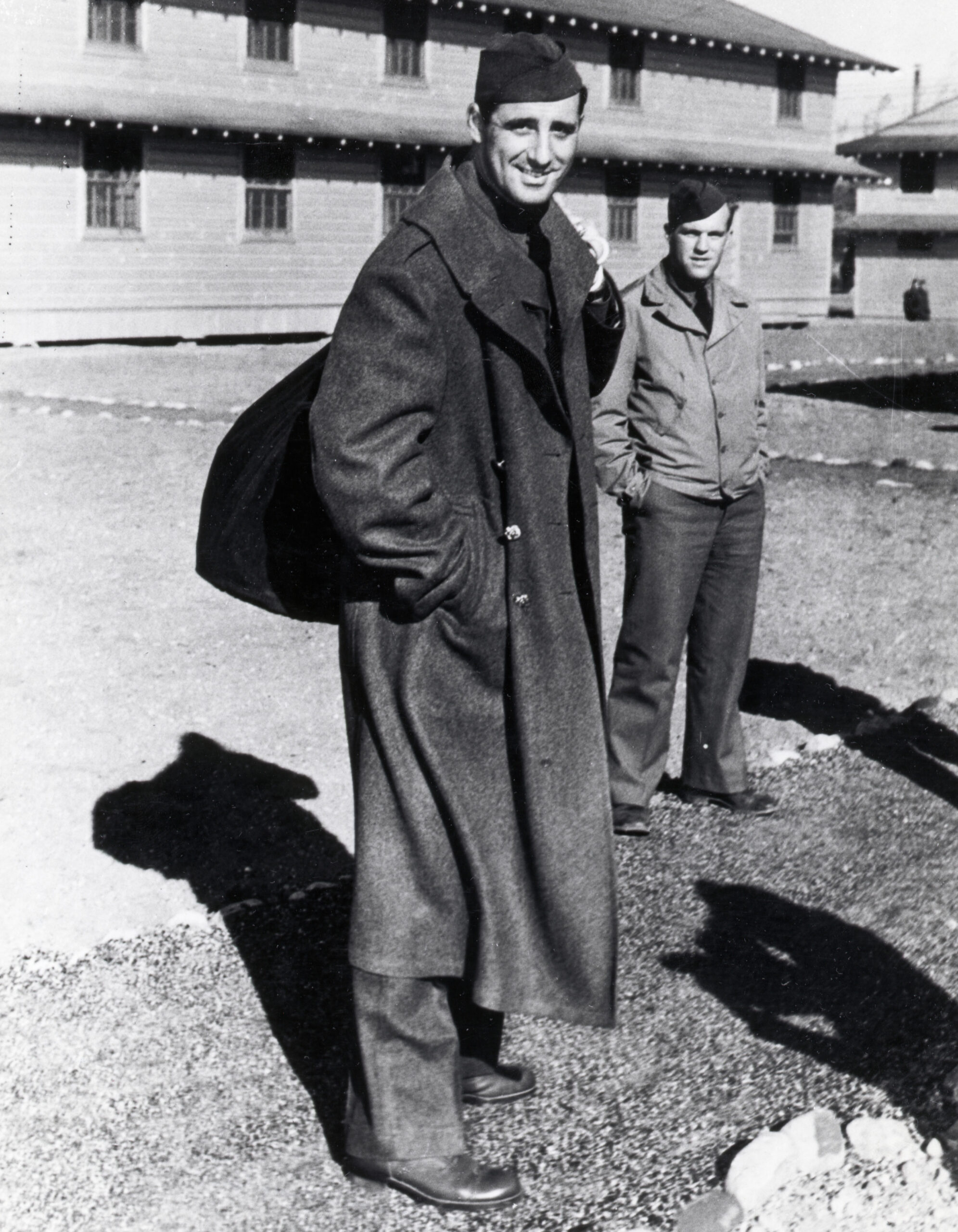
On Feb. 1, 1942, Hank Greenberg — Detroit Tigers slugger and two-time American League Most Valuable Player — took his place in line at Fort Dix, New Jersey, two months after his honorable discharge from the Army, reenlisted and ready to volunteer for service in the U.S. Army Air Corps.
Japan’s attack on Pearl Harbor months earlier had brought the United States into World War II, and Greenberg was ready to heed the call. “We are in trouble,” he told The Sporting News, outlining the gravity of the war effort, before adding the obvious: “This doubtless means I am finished with baseball, and it would be silly for me to say I do not leave it without a pang.”
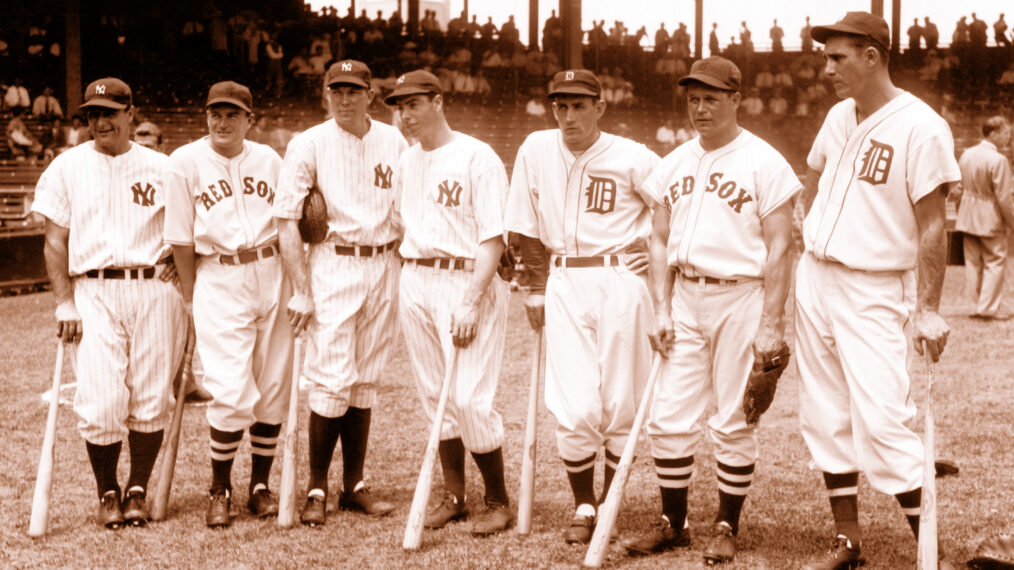
That pang was felt nationwide, as many of the game’s greatest players — from Joe DiMaggio and Ted Williams to Bob Feller and Warren Spahn — would also soon enlist in the service. Yes, baseball continued to be played throughout the conflict, but journeyman ballplayers and lesser competitors manned the bases.
Greenberg rose from sergeant to captain and served 47 months in total. He was discharged from the Army in June 1945 in the waning days of the war; he then shed his American serviceman uniform and donned his more familiar one, returning to America’s Pastime.
Bettmann /Getty Images
And that’s when the Tigers stalwart became the first baseball player to experience one of the most exciting and enriching events in the history of sports in the U.S. — the homecoming of Major League players from World War II. On July 1, 1945, Greenberg was a Tiger once again and was greeted by 47,729 screaming fans. In a moment straight out of Hollywood, in the eighth inning, Greenberg hit a home run to help Detroit secure a 9-5 win over the Philadelphia A’s. World War II was over, and baseball — the version of it we knew and loved — was back.
It is impossible to overstate the lift these returning veterans gave to the national consciousness. As David Halberstam wrote in his bestseller Summer of ’49, “Baseball, more than almost anything else, seemed to symbolize normalcy,” and the joys of life before death and destruction dominated the news. Two months after Greenberg came home, Feller, the Cleveland Indians’ prized pitcher and Navy veteran who’d been the first professional athlete to enlist, was back, and a local newspaper ran the headline, “This Is What We’ve Been Waiting For.”
Army vet Spahn, who’d earned a Purple Heart and saw action at the Battle of the Bulge, suited up again for the Boston Braves at the start of the 1946 season. “After what I went through overseas,” he later said, “I never thought of anything I was told to do in baseball as hard work.” Indeed, the hard work was over; it was time now to play and be cheered by growing, adoring, relieved crowds in a grateful nation.
The Binding National Myth
Everett Collection
“Baseball was rooted not just in the past but in the culture of the country; it was celebrated in the nation’s literature and songs,” Halberstam also wrote in Summer of ’49. “When a poor American boy dreamed of escaping his grim life, his fantasy probably involved becoming a professional baseball player. It was not so much the national sport as the binding national myth.”
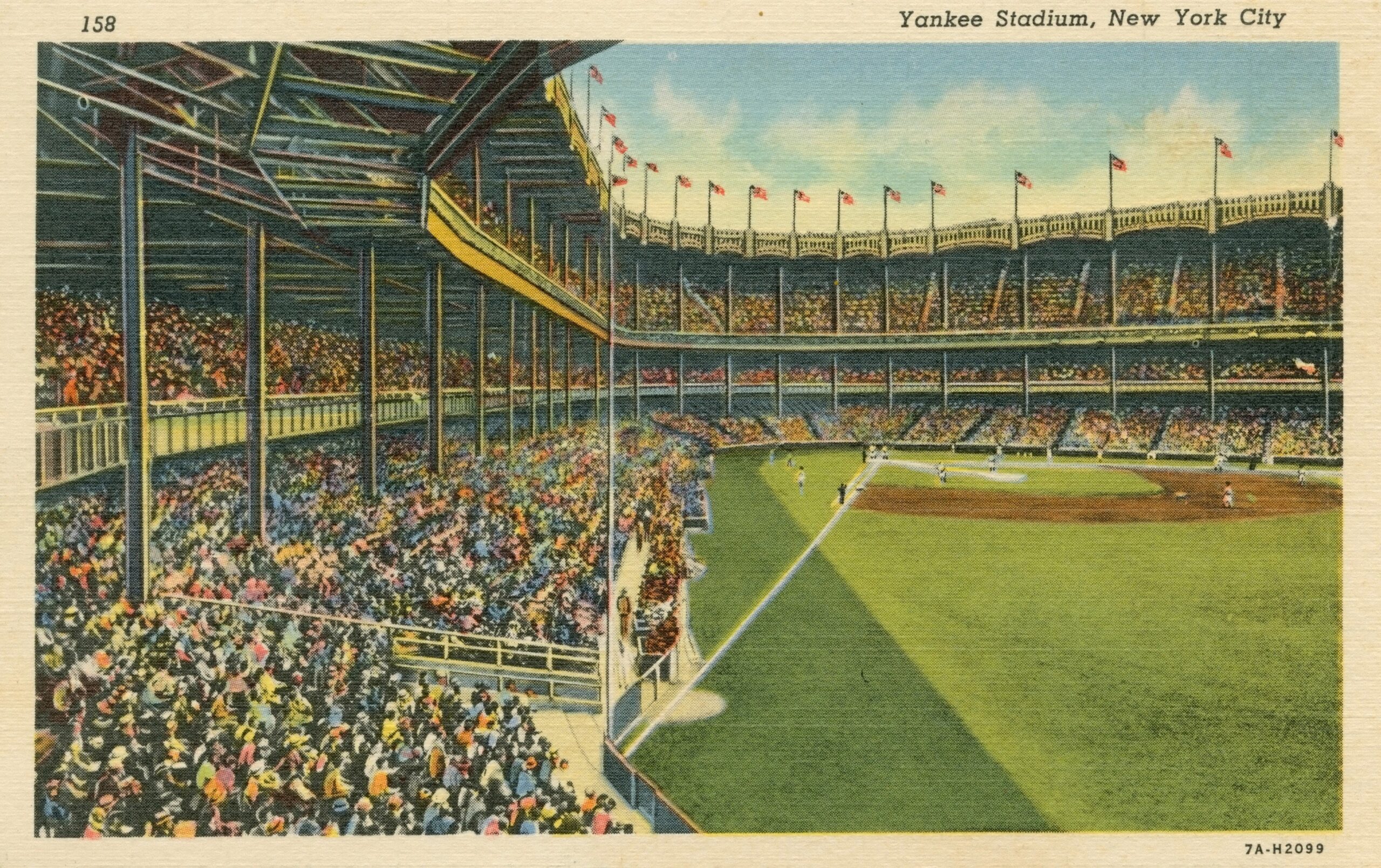
In fact, the U.S. came together to enjoy the national game in the postwar era as they never had before. In 1940 and ’41, total game attendance for all ballparks combined hit a hair under 10 million per season. During the war years of 1942-44, it never reached 9 million. But by 1946, it had jumped to 18.5 million, breaking records the following three seasons. Of course, not everybody was happy; a return to full-roster baseball meant the New York Yankees were, once again, rising to the top, as they would soon enjoy an even richer dynasty, winning six out of seven championships from 1947-53.
Crosstown rivals the Brooklyn Dodgers lost four of those World Series, but the Dodgers famously initiated a different “first” that helped bring in more fans when Army veteran Jackie Robinson became the first African American player to suit up in the majors. The war had proved that people of all backgrounds could work together toward a common goal. In time, that would be true of the game as well.
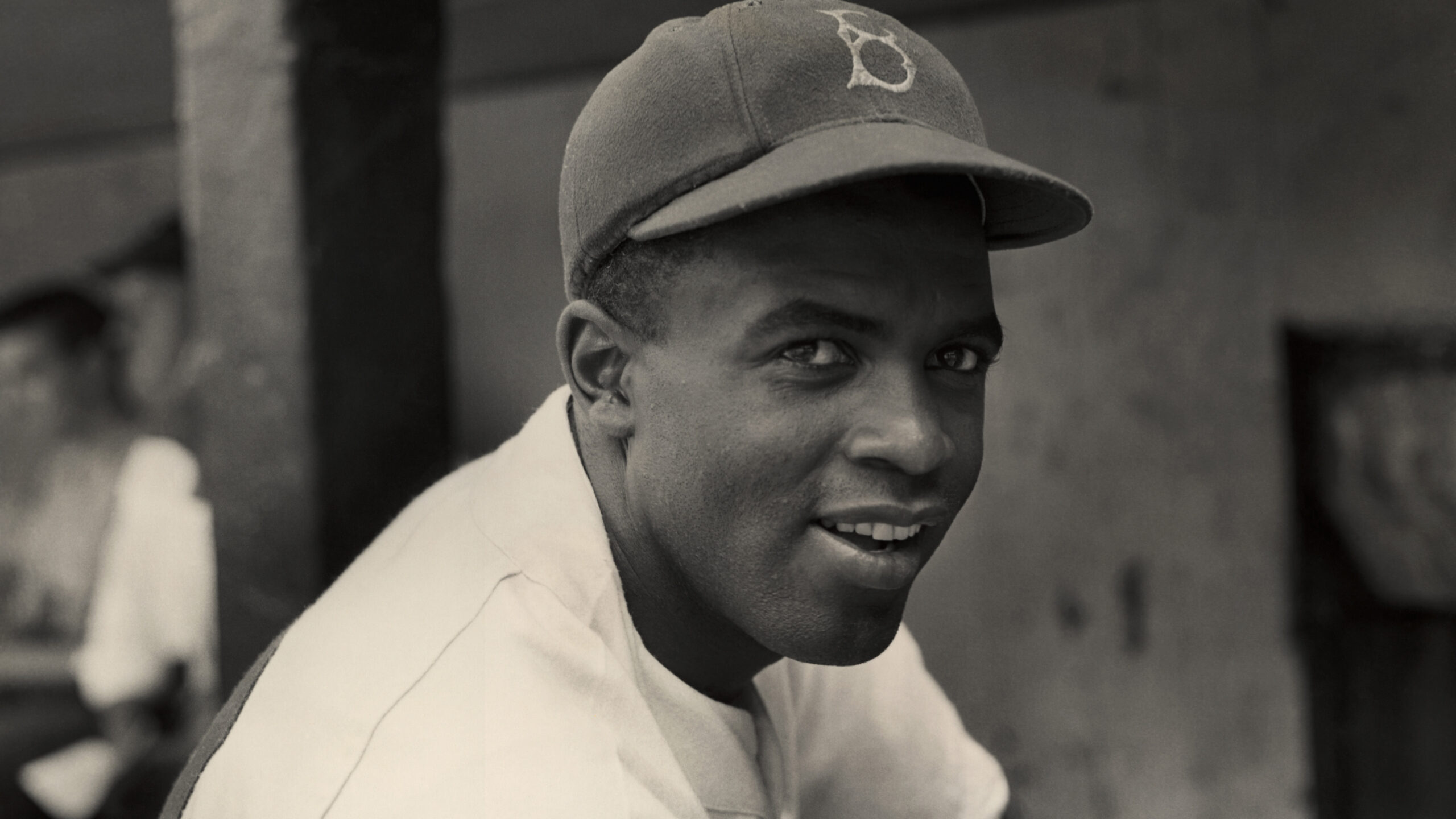
Photo by Hulton Archive/Getty Images
Baseball had experienced a postwar surge before. In the years after World War I, the leagues adopted rules that essentially helped put an end to the “deadball era,” as different ball construction and an outlawing of certain pitches turned baseball into more of a hitter’s game; home run totals rose, and excited fans were enchanted. Until the Depression, fans continued to come in droves. But those fallow years after the stock market crash were hard on baseball … until life after World War II made the great game a symbol of the American dream all over again.
The 1946 season itself certainly didn’t disappoint. Many cities held “welcome back” days as popular and favorite players came back. The idea that, suddenly, Ted Williams might be back at the plate in Boston, with Bob Feller on the mound in Cleveland, couldn’t help but lift spirits all over the country. Feller, who, when honored by the city, told the crowd, “The real heroes didn’t come home,” went on to notch another banner season in 1946, tossing a no-hitter and leading the league in strikeouts. But he’d later say he was prouder of his Navy service than anything he’d done holding a baseball. As he also said, “I would never have been able to face anybody and talk about my baseball record if I hadn’t spent time in the service.”
Playing Cards
Everett Collection
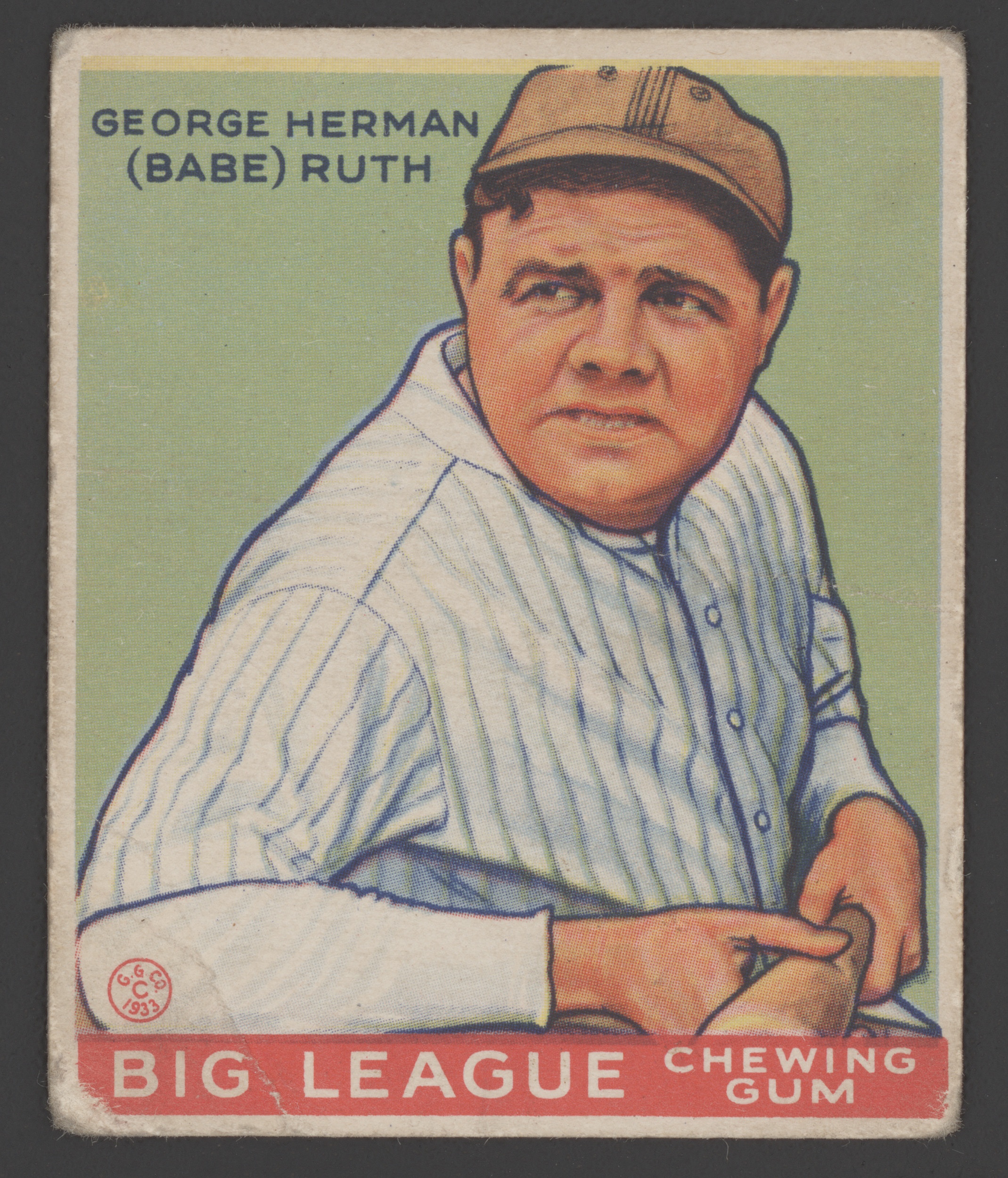
The end of the war led to shifts in manufacturing and invention from being combat-related to a peacetime process, with resources now being devoted to leisure pursuits as the baby boom began. Among other things, baseball cards, which had gained popularity in the 1930s once a stick of chewing gum was put into each pack, were hardly produced during the war years.
Once wartime production ended and consumer goods became the goal, companies again released the packs of cards that kids could collect, trade, and flip. What started up again by 1948 would become a craze a few years later, especially after the Topps gum company came on the scene. In the decades since, the 1952 rookie Mickey Mantle card has become a rare, sought-after treasure.
Another postwar plus: Air travel increased, which helped pave the way for the eventual move of teams out west a few years into the future. The growth in television manufacturing meant TV could become the way more fans enjoyed the game. And, as the international thaw slowly became a reality, U.S.-Japan relations continued to improve, leading eventually to powerful Asian players that would, decades later, populate some teams in the states.
But it was that first reappearance of players that truly changed the character of the game and the country. Some 500 Major League Baseball players joined the service after the U.S. entered the war, and as those heroes came back, the celebrations were understandably joyous. Perhaps nothing sums it all up better than the 1946 World Series between the St. Louis Cardinals and the Boston Red Sox. The Cards and Sox traded wins for the first six games, with Boston’s best, Ted Williams, ailing but playing through with an aching elbow.
In Game 7, the score tied in the bottom of the eighth, Cardinals’ right fielder and Army Air Corps veteran Enos Slaughter was on first base with two outs when a fly ball to left-center sent him racing around the bases. Ignoring the calls to stop from the third base coach, “Slaughter’s Mad Dash” led to him scoring what would be the series-winning run on the play. It was a fitting moment. Much like the U.S. in World War II, Slaughter refused to slow down or stop. After all, there was a world to be won.
This article appears in the July/August 2026 Americana Issue of ReMIND Magazine. You can purchase the full issue at the link below.
 Remind
Americana
July/August 2026
Celebrate 250 years of Americas best nostalgic & kitschy fun!
Buy This Issue