

Ed Sullivan & Dick Clark: The TV Music Pioneers Who Broke Cultural Barriers





What To Know
- Ed Sullivan and Dick Clark were pioneering television hosts who brought popular music to mainstream audiences.
- The Ed Sullivan Show became a cultural institution by showcasing a wide range of talent and advancing diversity on TV.
- Dick Clark’s American Bandstand transformed a simple dance show into a national phenomenon.
A New York newspaper entertainment columnist with an uncharismatic on-camera presence, a stiff appearance, and a somewhat nasally delivery became one of the most influential figures in television and a tastemaker in show business at large.
Or, who would want to watch a bunch of teenagers dancing on television while a radio disc jockey hawked pimple cream? That, no doubt, is a question that dogged executives and critics alike.
This is what made Ed Sullivan and Dick Clark stand out as the top two TV pioneers who brought music to the masses of teenagers and made big names out of Elvis Presley, helped spread Beatlemania, and created a genre of television that helped breed many stars for years to come.
Ed Sullivan
SOFA Entertainment
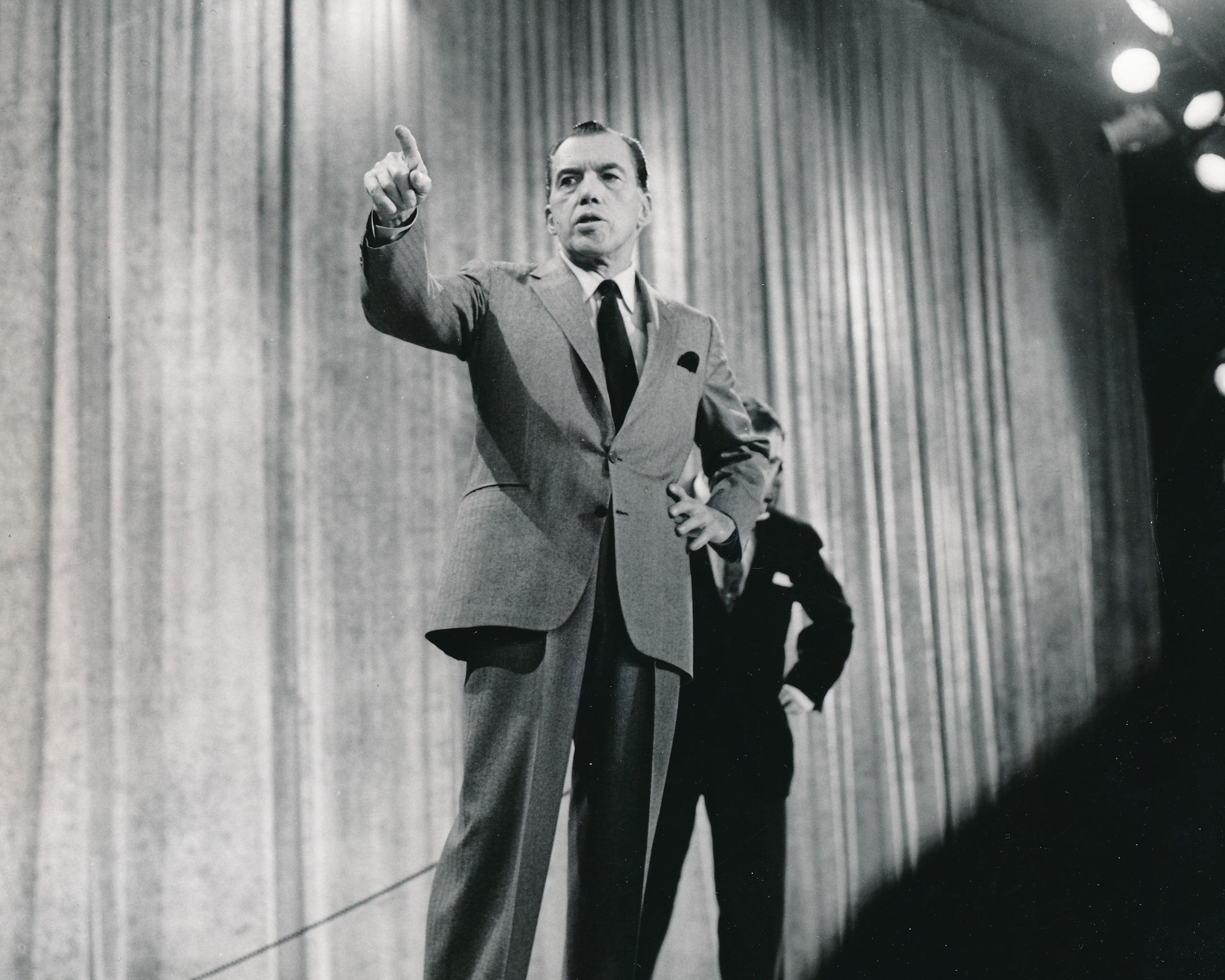
Ed Sullivan began as the host of a variety show that premiered on June 20, 1948, on CBS TV, then called Toast of the Town. It was renamed The Ed Sullivan Show in 1955. Sullivan possessed an uncanny eye for talent, and his stage welcomed a dizzying range of performers: comedians, Broadway stars, opera singers, acrobats, ventriloquists, and musicians who would soon become household names.
With huge audiences tuning in each Sunday, an appearance on The Ed Sullivan Show could launch a showbiz career overnight. Sullivan was aware of his status as a cultural gatekeeper, and his failure to book Elvis Presley before he became a huge star particularly stung. Though Elvis would go on to perform three times, Ed made sure not to repeat that error after witnessing huge crowds trying to catch a glimpse of the Beatles at London’s Heathrow Airport. Sullivan signed the Beatles to appear on the show, and on Feb. 9, 1964,
Beatlemania hit the U.S. as an estimated 73 million viewers tuned in to the performance. It was the largest TV audience in history at the time, and it demonstrated the medium’s unparalleled power to shape pop culture.
Sullivan is also credited with quietly advancing diversity on TV. He regularly featured Black entertainers, comedians, and musicians during the 1950s and ’60s, often insisting they be treated the same as any other act — an important step toward broader representation on the small screen. He vehemently pushed back against pressure from sponsors who complained that he had too many Black acts on the show. In the early 1970s, TV networks started drastically changing their programming in what became known as the “rural purge.” Westerns, variety shows, and sitcoms about country folks lost favor, and The Ed Sullivan Show was canceled in 1971 after 24 seasons and 1,068 episodes.
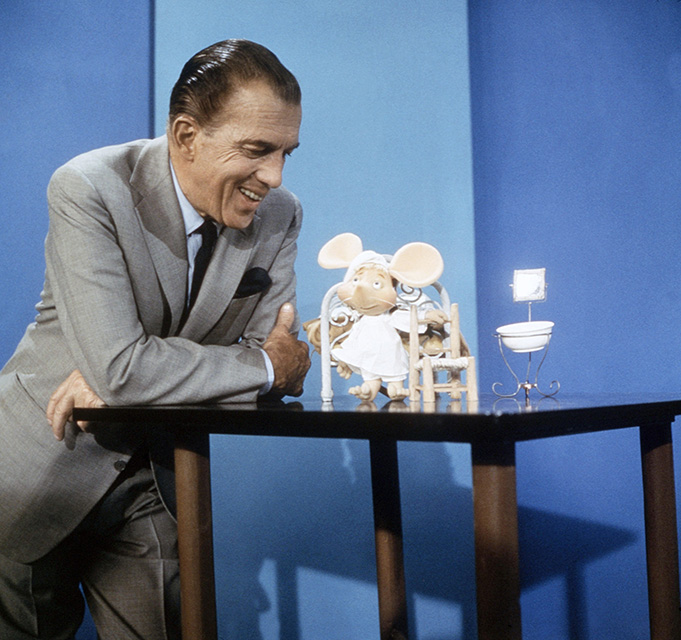
Ed Sullivan having some laughs with his famous “Little Italian Mouse” puppet sidekick, Topo Gigio, on an early 1960s episode of The Ed Sullivan Show
Sullivan did not live long after the show ended: He succumbed to esophageal cancer in 1974 at age 73. He remains revered as a pioneer in the golden age of television and one of the most culturally impactful people of the 20th century. You can watch many clips and full episodes here.
Dick Clark
Everett Collection
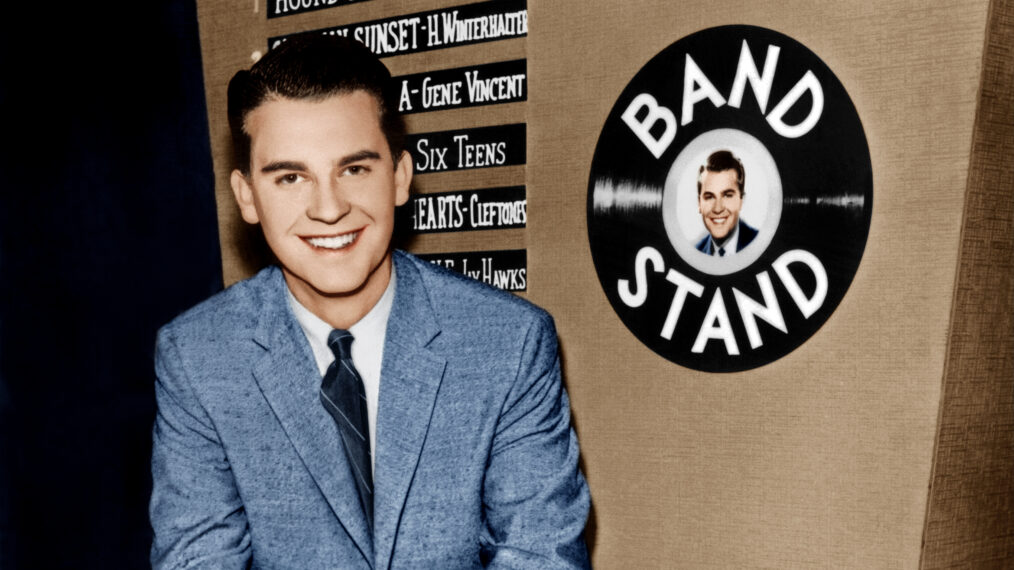
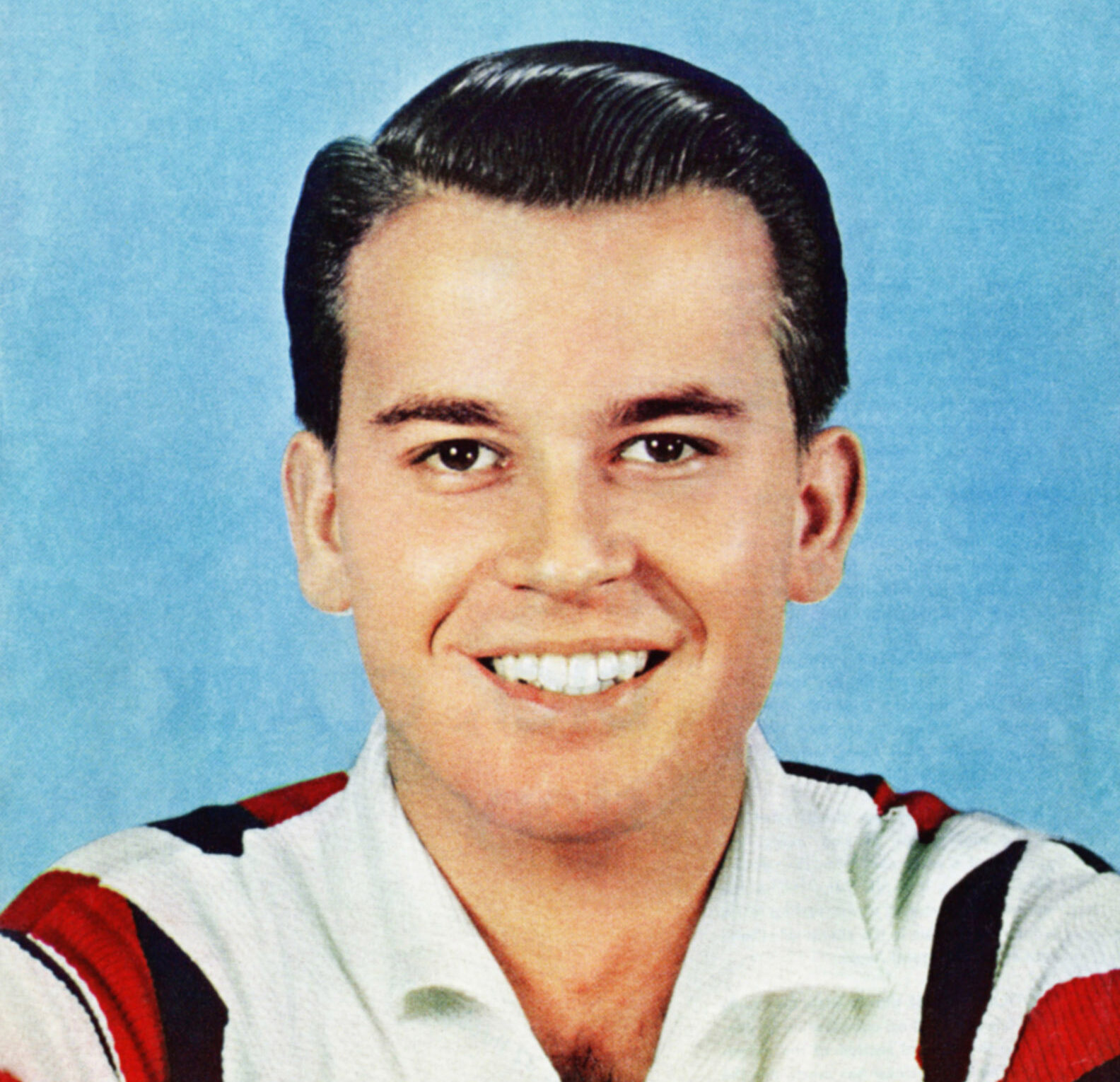
American Bandstand premiered on Philadelphia’s local ABC station in 1952 with Bob Horn hosting, but he had been replaced by young, clean-cut disc jockey Dick Clark by the time the show went national in 1957. Though originally conceived as little more than an inexpensive afternoon time-filler, it went on to become a phenomenon and the linchpin of Dick Clark’s massive production empire.
The premise of Bandstand was simple and changed little through the decades. Guest musicians would lip-sync to their hit records while teenagers danced onstage, and Clark oversaw the proceedings with his genial style and ever-youthful persona. The show ran until 1989, mostly on ABC but with syndicated and USA Network versions toward the end. Clark hosted all but the final year.
Bandstand wove its way into the fabric of Americana largely by reflecting and presenting the music that was popular at the time, but also in other subtle ways. It brought rock ‘n’ roll music into the mainstream and, in doing so, helped promote Black music and culture.
While Clark’s legacy will likely always include a reference to his being “the world’s oldest teenager,” his list of television hosting and producing credits is one of the longest and most impressive in the business. From the American Music Awards to TV’s Bloopers and Practical Jokes to numerous versions of his Pyramid game show to decades of ringing in the new year on Dick Clark’s New Year’s Rockin’ Eve, he was a ubiquitous presence and force in television from the 1950s through the turn of the century. At one time, he hosted shows on all three networks and in syndication. simultaneously.
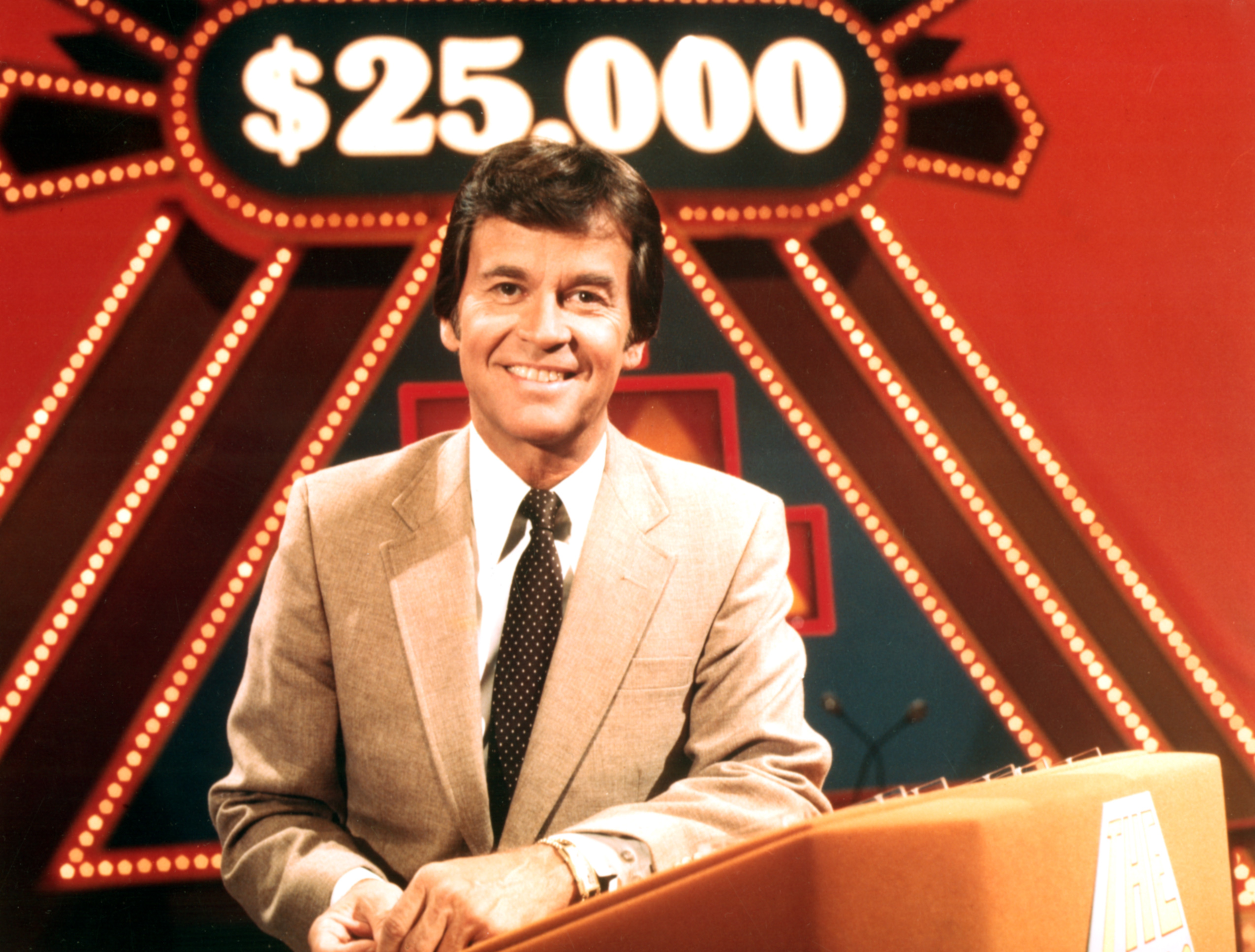
CBS Television/courtesy Everett Collection
Eventually handing the reins of his empire to none other than Ryan Secrest in 2005, Dick Clark died just months after his last co-hosting of the show on April 18, 2012, at the age of 82 from cardiac arrest.
This is an excerpt from the May 2026 Pioneers of TV Issue of ReMIND Magazine and was written by Ryan A. Berenz and Lou Orfanella. You can purchase the full issue at the link below.

From unknown dimensions to supernatural soaps, these writers, producers and creators broke the mold.
 Remind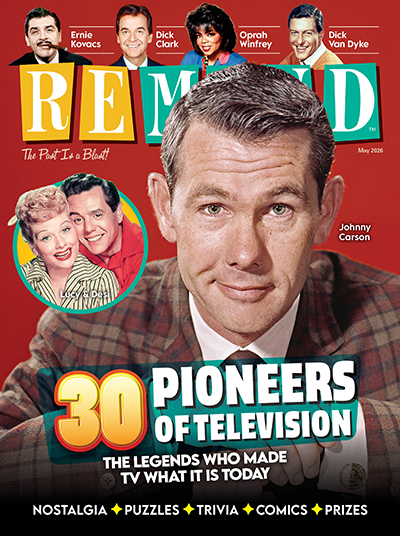
Pioneers of Television
May 2026
They were the innovators, the pioneers, the rebels. They dared to try something new and to push television to new limits.
Buy This Issue