

Betty Boop’s Secret Origin Story Is More Complicated Than Most Fans Realize





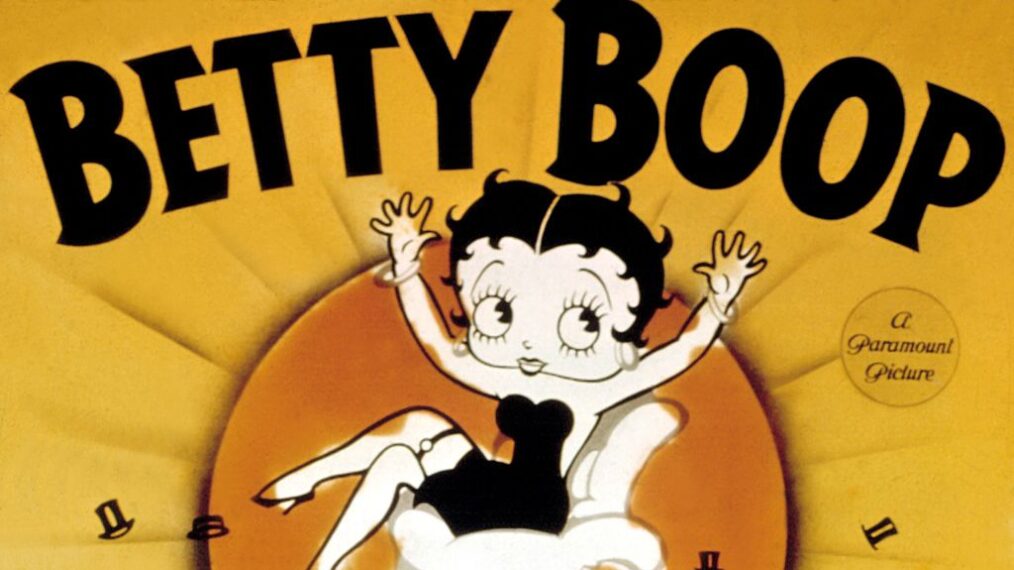
What To Know
- Betty Boop, created by Fleischer Studios in the 1930s, evolved over the years.
- The character’s signature voice and style sparked a lawsuit.
- Despite controversies over her origins, Betty Boop has remained popular through the decades.
Betty Boop is one of those characters almost everyone recognizes, even if they have never actually watched one of her old cartoons. With her short black curls, big eyes, a tiny dress, and her famous “boop-oop-a-doop” tagline, she became one of the most recognizable animated figures of the 1930s. She is still fairly popular and doing meet-and-greets at Universal theme parks, and now Betty is getting another turn in the spotlight, with Quinta Brunson set to develop and star in a new Betty Boop feature film.
The project comes from Brunson’s Fifth Chance Productions, Mark Fleischer, and Fleischer Studios. Mark Fleischer is the grandson of Max Fleischer, whose studio helped create Betty nearly a century ago. Putting Betty Boop back in the spotlight has made us realize that her history is more complicated than we thought.
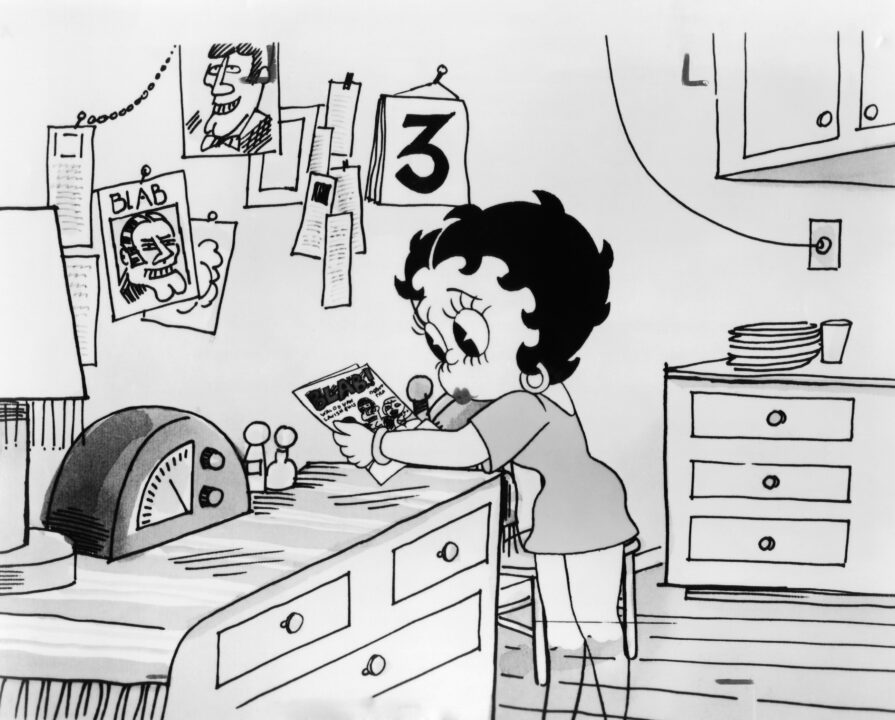
Everett Collection
Betty first appeared in the 1930 cartoon “Dizzy Dishes,” part of Fleischer Studios’ Talkartoon series. She was designed by Grim Natwick at Max Fleischer’s request, but she did not look exactly like the Betty most fans know today. In that first appearance, she was an anthropomorphic French poodle with floppy ears. Over time, those ears became hoop earrings, her doglike features disappeared, and Betty became the human flapper-inspired character who is still famous today.
By the early ’30s, Betty stood out from other female cartoon characters. Her early cartoons were strange and often aimed more at adults than children. That changed after the Production Code began being enforced in 1934, and Betty’s look became more modest. The original Betty Boop cartoon series ended in 1939, but the character never really went away.
The part of Betty’s history that still causes the most debate is not just her design. It is her voice, her singing style and that famous “boop” phrase. Singer Helen Kane had become famous in the late 1920s as the “Boop-Oop-a-Doop Girl,” and Betty’s high, babyish singing voice sounded close enough to Kane’s act that Kane took legal action. In 1932, Kane filed a $250,000 lawsuit against Fleischer Studios, Max Fleischer, and Paramount Publix Corporation. She claimed Betty Boop was an unfair copy of her look, image, voice, and signature phrase.

Michael Loccisano/Getty Images
But the lawsuit did not go the way Kane hoped. During the case, the court heard testimony about Baby Esther, also known as Esther Jones, a young Black performer who had appeared in Harlem clubs. Theatrical manager Lou Bolton testified that Kane had seen Baby Esther perform at the Everglades Restaurant in New York in 1928. According to that testimony, Baby Esther used a similar baby-voiced singing style and scat-like sounds before Kane became so closely associated with them. That testimony helped weaken Kane’s argument that the style belonged only to her. Kane lost the case, and the court ruled that she had not proven the baby-voiced singing technique was her original property.
Betty Boop, the cartoon character, was created by Fleischer Studios and was generally depicted as a white flapper, but parts of the performance style that helped make Betty famous, including the voice, jazz phrasing, and stage persona, connect to Black entertainment traditions and to Baby Esther’s story in particular. Black performers helped shape jazz, dance, comedy, slang, fashion, and stage performance throughout the early 20th century and unfortunately, many did not receive the same credit or money when those styles moved into mainstream white entertainment. Betty is an example of that.
Betty herself went on to have a long second life. She returned through television, merchandise, comic strips, collectibles and commercials. Mae Questel, one of Betty’s best-known voices, returned to voice her in Who Framed Roger Rabbit in 1988. In 2025, Boop! The Musical opened on Broadway with Jasmine Amy Rogers starring as Betty. On January 1, 2026, the earliest 1930 version of the character from “Dizzy Dishes” entered the public domain in the United States. Now, with a new Betty Boop project on the horizon, it’s been proven that she’s been going strong since the ’30s.
 Remind