

7 Classic Items That Every Teen Had in Their Bedrooms in the 1980s





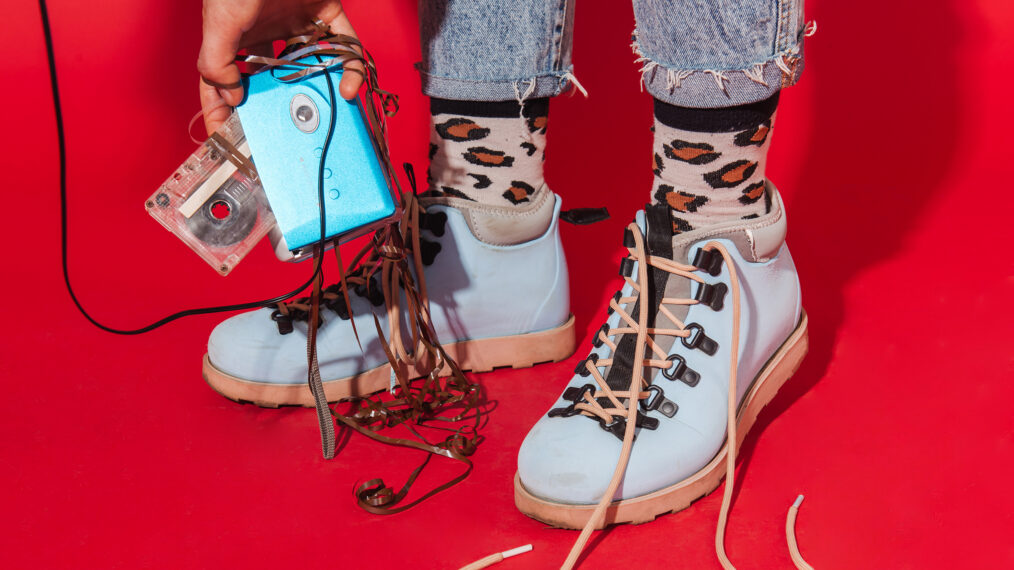
If you were a teenager in the 1980s, you can probably transport yourself back there in your mind. You may remember what you were most often wearing, what you were listening to, and the products you couldn’t live without. There were certain things everyone had in their homes, but almost no one keeps these things around anymore.
With things shifting online throughout the ’90s, 2000s, and beyond, some once-commonplace things are now very nostalgic. Let’s take a look at 7 products that every teenager probably had in the ’80s. Did you have all of them?
Trapper Keepers
If you were in school in the early ’80s, there’s a good chance your papers ended up in a Trapper Keeper. Mead introduced the design in the late ’70s after noticing that students’ papers were constantly falling out of traditional binders. The “Trapper” folders had flaps that tucked in from the sides, keeping papers secure, and the outer binder used a Velcro closure, which was still pretty novel at the time.
By the early part of the decade, they had become a standard school item, especially in middle schools. What truly made them popular was the designs, which gave students a new way to accessorize and express themselves. For a few years, they were so popular that some schools actually banned them because of the Velcro noise and its distraction.
These days, most students learn on computers, phones, and iPads, making things like Trapper Keepers less useful. Although their popularity has faded, Trapper Keepers still release new art every few years, keeping up with trendy characters and television shows.
Magic 8 Ball

Eric Liebowitz/Netflix/Everett Collection
The Magic 8 Ball dates back to 1950, when Albe Crafts first marketed it, and it remained relevant well into the ’80s when Mattel picked it up. It is basically a hollow plastic sphere filled with liquid and a 20-sided die that displays one of several preset answers. In the ’80s, it fit into a broader interest in novelty items and casual fortune telling, which showed up in everything from toys to teen magazines. It became a regular part of sleepovers and group hangouts, where people would ask questions about relationships or the future for fun.
As video games, handheld electronics, and eventually digital apps became more common, time spent with a Magic 8 Ball drifted away. Though still available today, they are not the must-have soothsaying tool teens used to predict the future at every sleepover.
View-Master
Adobe Stock
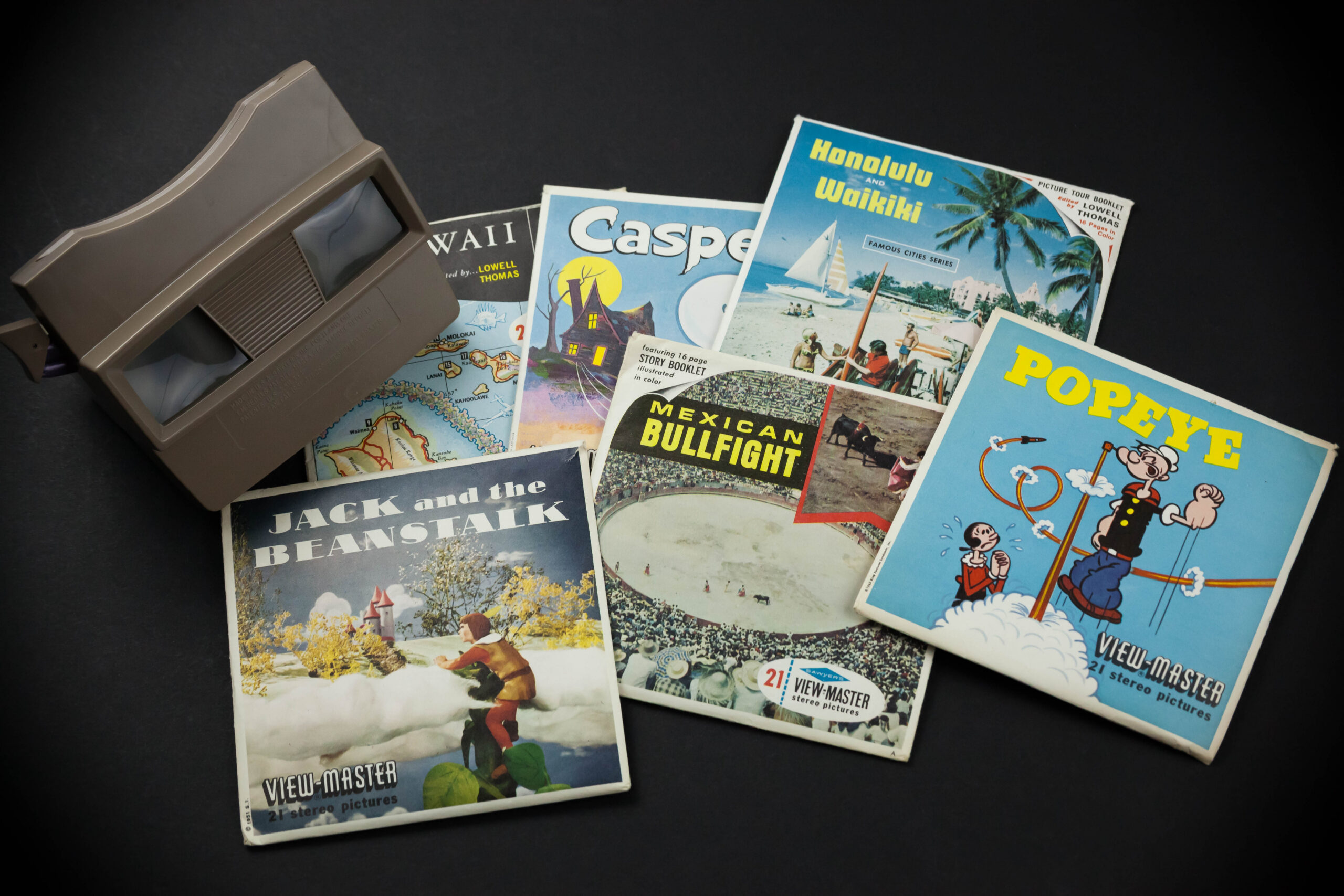
The View-Master actually dates back to 1939, when it was introduced at the New York World’s Fair as a way to view scenic photography in 3D. By the time the ’80s rolled around, it had already undergone several reinventions, including being acquired by GAF and later by Tyco. What kept it relevant was its shift from travel images to licensed entertainment.
By the ’70s and ’80s, you could find reels featuring movies, cartoons, and TV shows, which made it feel more like a toy. While the technology itself is quite simple, it still felt immersive and exciting to get a close-up glimpse into your favorite shows or movies. Often used as souvenirs from family trips or as Christmas stocking stuffers left over from their younger days, teens held on to them on a forgotten shelf long past their childhood years for nostalgia’s sake.
Once VHS tapes, cable TV, and later digital media stole the attention of kids, sales of the View-Master dropped.
Sony Walkman
ABC/Everett Collection
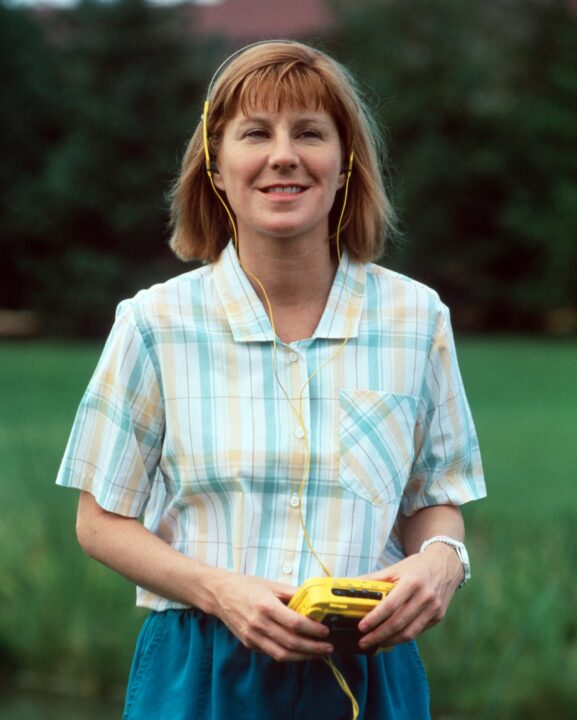
When the Sony Walkman was released in 1979, it marked a huge shift in how people listened to music. Before that, listening was mostly tied to a fixed location, like a home stereo or a car radio. The Walkman changed that by making music portable and private, using lightweight headphones and cassette tapes. By the early ’80s, it had become a very important accessory for teens, and many made mixtapes by recording songs off the radio or dubbing albums. The Walkman also allowed you to move through public spaces while listening to your own soundtrack, something unheard of before it came along.
As CDs replaced cassettes in the late ’80s and ’90s, the Discman replaced the Walkman, and eventually digital formats took over, then iPods, and later smartphones.
Address books
MGM/Everett Collection
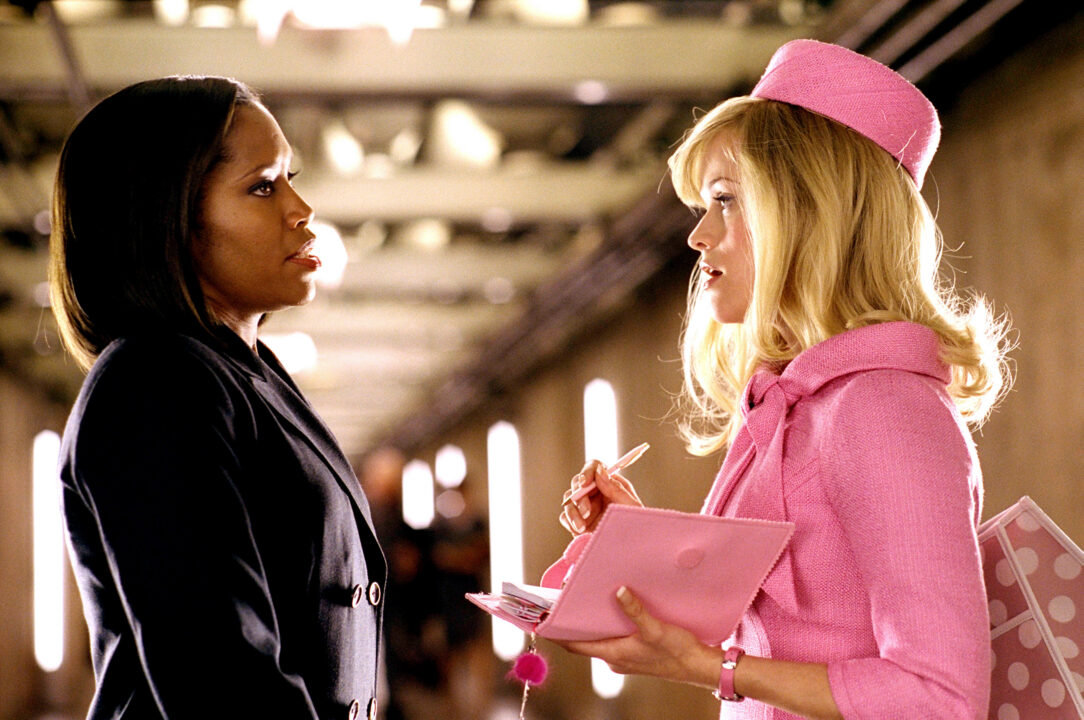
Before cell phones, keeping track of people meant writing things down, and for many teens, that meant having a personal address book to stay in touch with friends. These were usually small, alphabetized notebooks where you kept phone numbers, home addresses, and sometimes birthdays or notes. Landline phones were still the standard, and most calls were made from a central phone in the house, so having phone numbers or even addresses close by was important.
As digital contact lists became built into cell phones in the ’90s and later synced across devices, physical address books became unnecessary very quickly.
Wall-to-Wall Posters
Universal/Everett Collection
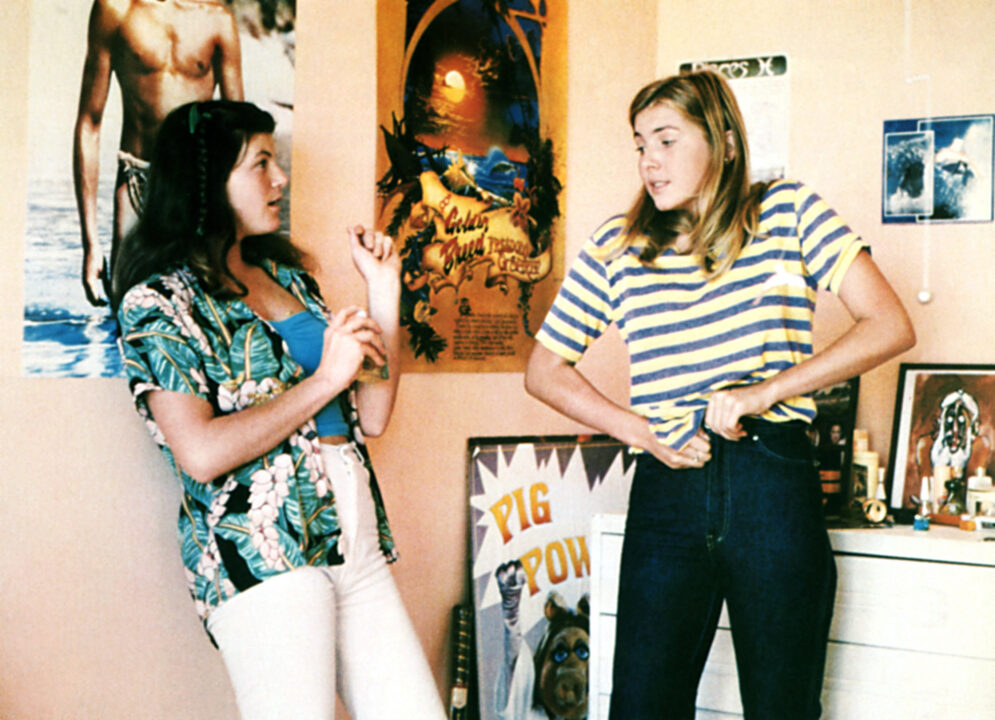
Posters were among the most common ways teens personalized their spaces in the ’80s. They were widely available in record stores, malls, and magazine inserts, featuring musicians, actors, athletes, and movies. The rise of MTV in 1981 also played a role, making musicians even more popular and increasing demand for their images as posters.
For many teens, covering their walls with posters was a very special way to express themselves. Posters were inexpensive and easy to swap out as interests changed, too. While posters are obviously still around, many teens don’t cover every inch of their bedroom with posters the way they used to, leaving little of the wall visible in favor of Alyssa Milano, River Phoenix, or New Kids on the Block, to name a few.
Aqua Net hairspray
If you were a teenager in the ’80s, there’s a good chance a can of Aqua Net was somewhere in your house, if not sitting right on your dresser or by your bathroom sink. First introduced in the 1950s by Gillette, the brand became especially popular in the late ’70s and throughout the ’80s as big hairstyles took over. Whether it was teased bangs or perms, holding everything in place required a strong aerosol spray, and Aqua Net was one of the most affordable and widely available options. It also became associated with specific subcultures, including glam metal and cheerleading.
By the early ’90s, styles shifted toward something more natural, and concerns about aerosol products, especially after the phase-out of chlorofluorocarbons (CFCs) due to environmental regulations, changed how these products were made and marketed. Hairspray, obviously, didn’t disappear, but the ’80s look eventually faded away.
What else would you add to this list? Let us know in the comments!

 Remind
’80s Where Are They Now
March 2023
Who can forget all the great TV shows, movies and music of the ‘80s? See what your favs are up to now!
Buy This Issue