

How Did Clint Eastwood Rise to Fame as a Spaghetti Western Antihero?





What To Know
- Clint Eastwood rose to fame as the iconic “Man With No Name” in Sergio Leone’s Spaghetti Western Dollars Trilogy.
- He redefined the Western antihero with his stoic, minimalist style.
- Eastwood’s portrayal of complex, morally ambiguous characters cemented his legacy as the genre’s leading star.
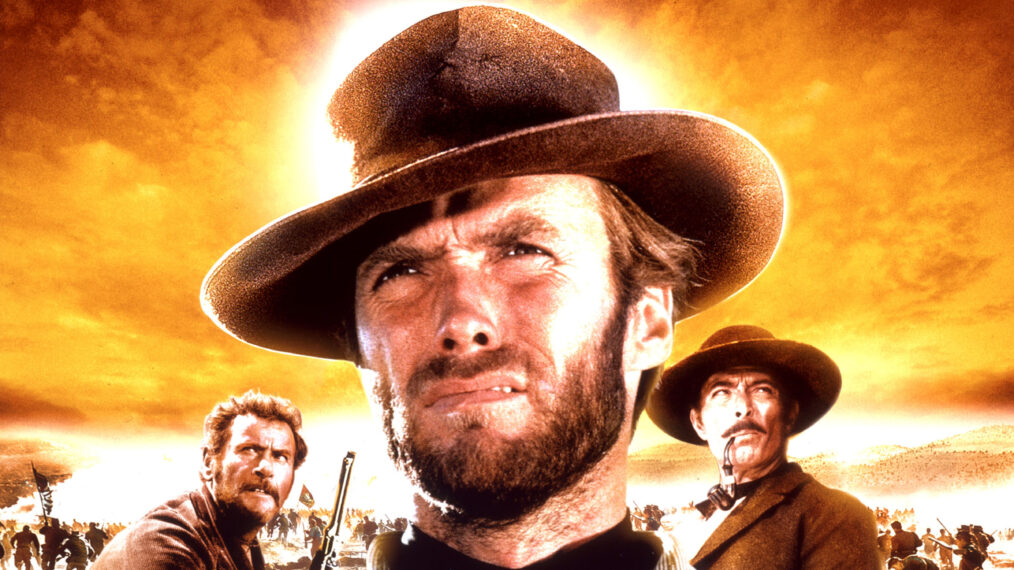
When the 1950s Eisenhower era turned to 1960s counterculture, John Wayne‘s frontier hero was replaced by the ultimate Western antihero: Clint Eastwood’s “Man With No Name,” who rode into town with a cheroot in his teeth, a poncho around his shoulders, and, when pushed, murder on his mind. He would take over as the genre’s top film star for decades.
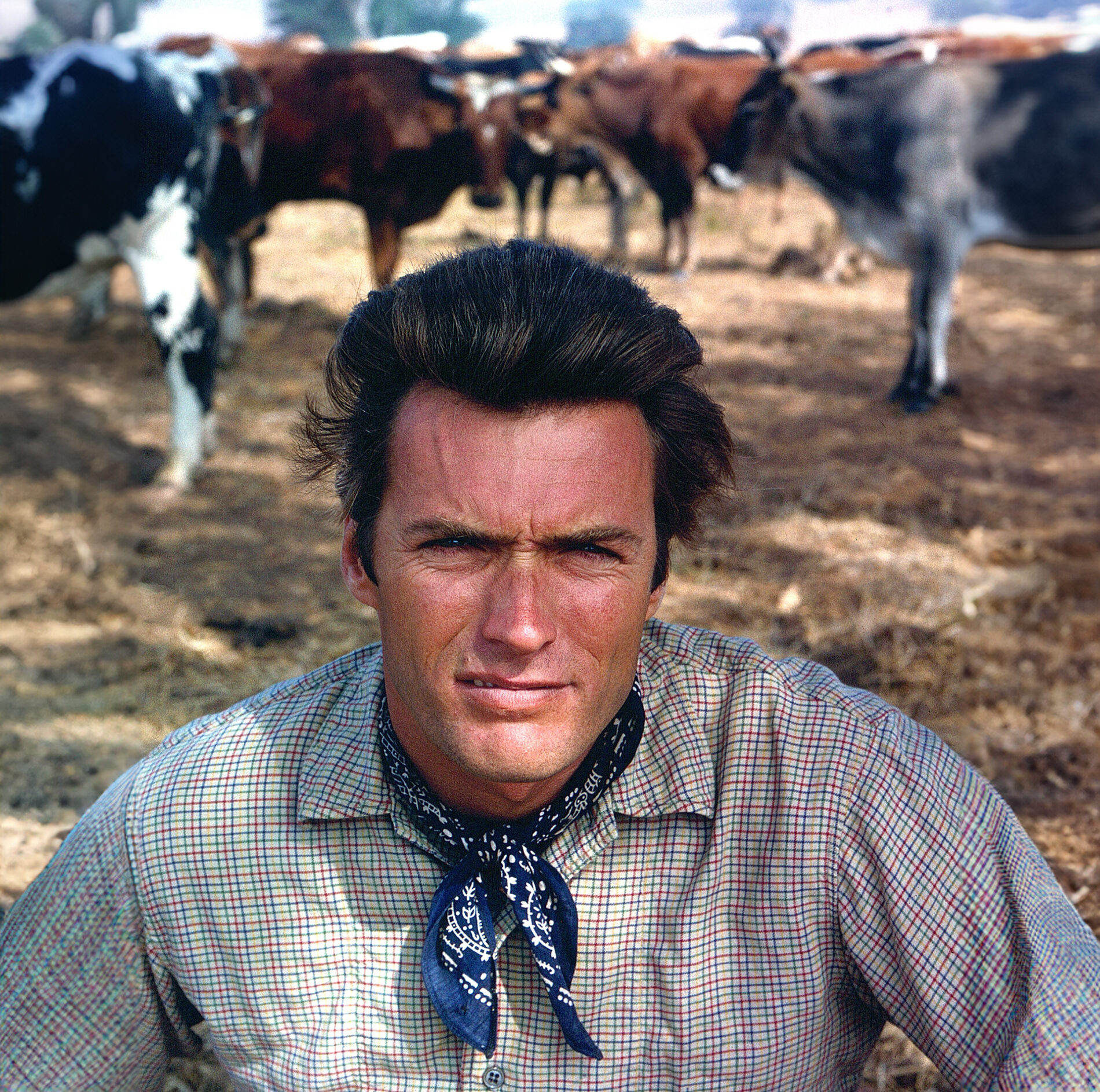
Initially, Eastwood found little onscreen success in the 1950s, until he was tapped to play Rowdy Yates in the TV drama Rawhide, about the challenges of a cattle drive.
The CBS series ran for seven seasons, from 1959 to 1965, with Eastwood starring in nearly all 217 black-and-white installments. Toward the end of the show’s run, Eastwood was cast by the little-known Italian director Sergio Leone to star.
Julian Wasser/TV Guide/courtesy Everett Collection
Leone, the director of the famed spaghetti Western Dollars Trilogy, shot his three films brilliantly, letting the camera linger plenty on its six-foot-four star Eastwood, with iconic close-ups of his squinting eyes whenever danger presented itself. When all three films were released in sequence in the United States, A Fistful of Dollars, For a Few Dollars More, and The Good, the Bad and the Ugly, Eastwood’s Man With No Name became a bona fide star, most notably due to that final film, now considered one of the greatest movies ever made.
“I wanted to play [the Man With No Name] with an economy of words and create this whole feeling through attitude and movement,” Eastwood said of his Dollars Trilogy leading man. “It was just the kind of character I had envisioned for a long time…. I felt the less he said, the stronger he became.
Everett Collection
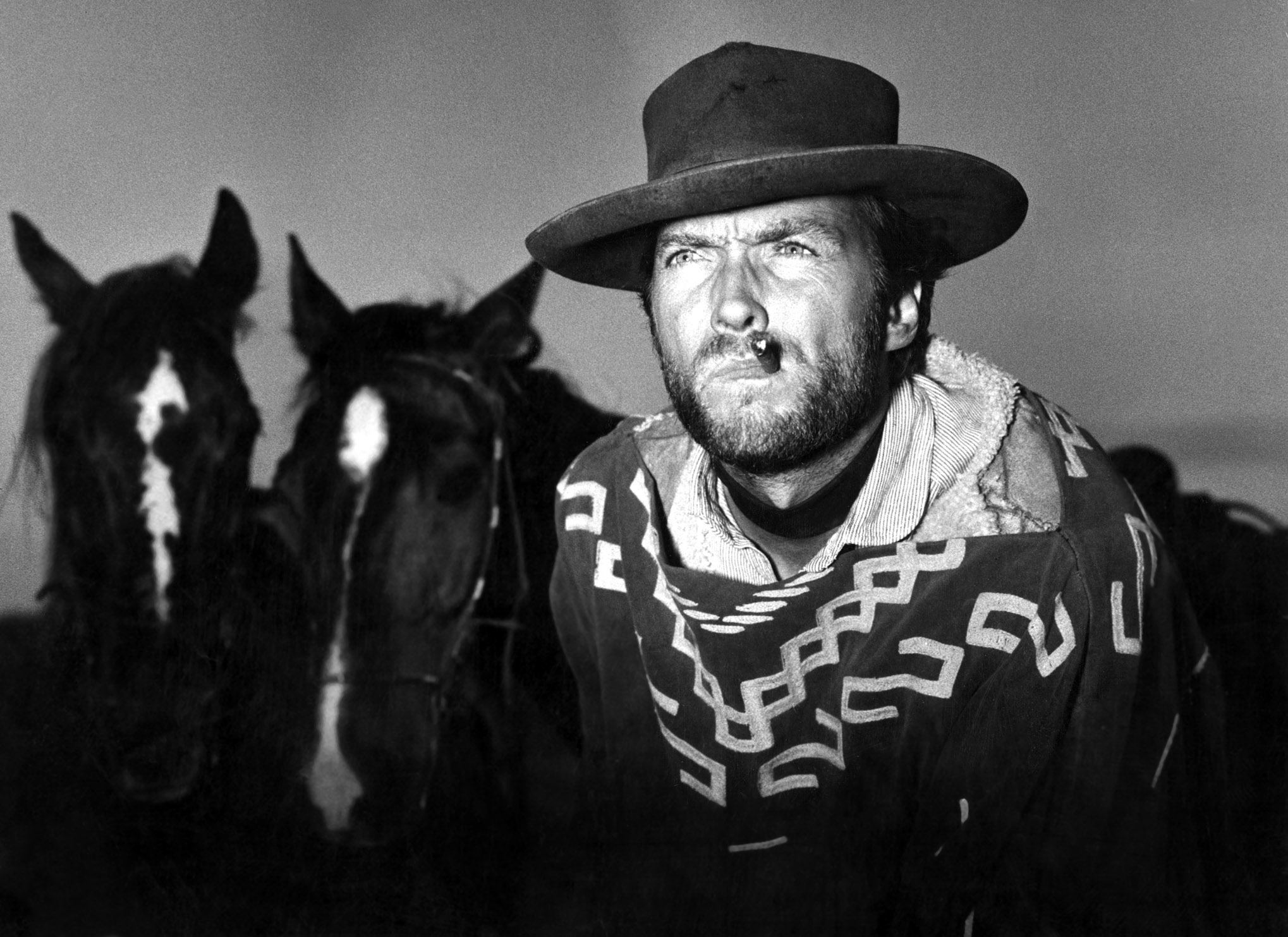
It takes a lot to build a mythical Hollywood legend. You need the right look, which came mainly courtesy of Eastwood, who got to the set of A Fistful of Dollars already equipped with most of the character’s trademark look: the hat, the gun, the Toscano Antico cigars. Leone supplied the poncho, and screenwriters gave him the spare, punchy dialogue.
And while he didn’t have a name, he had nicknames in all three films. For example, the Mexican bandit Tuco (aka “the Ugly”), played by Eli Wallach, called him “Blondie.” But United Artists marketed the films around his nameless Western figure, which the world embraced.
After Leone’s three films, Eastwood became “The Stranger” in 1972’s High Plains Drifter, where he rides into a corrupt mining town, metes out frontier justice, and leaves in a cloud of dust. Four years later, he directed and starred in The Outlaw Josie Wales as a Missouri man who seeks revenge after the post–Civil War murder of his family. In 1985, Eastwood took on the ghostly “Preacher,” who intervenes in favor of a prospecting village being bullied by a mining company in Pale Rider. And who could forget 1992’s Oscar-winning Unforgiven, which Eastwood directed, produced, and starred in as Will Munny, a onetime outlaw who struggles with his past as he heads into a Wyoming town to right an ugly wrong?
The mantle had finally been passed to Eastwood, his characters always with squinting eyes and the hint of a bitter smile, forever cementing the template for Hollywood’s darker Western action hero.

 Remind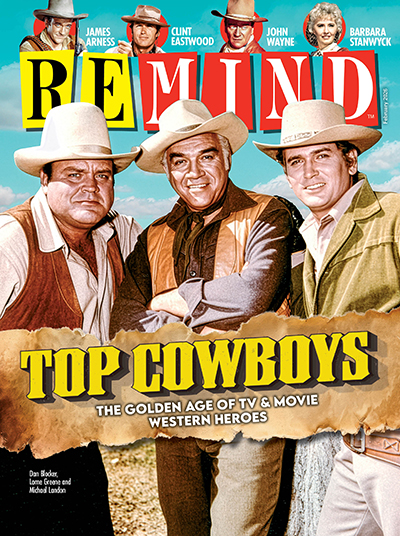
Top Cowboys
February 2026
Who were the best Top Cowboys of the past? Saddle up for our fond look back.
Buy This Issue