

Whatever Happened to Louise Lasser? Plus, See What She Looks Like Now!





What To Know
- Louise Lasser became a television icon in the 1970s for her groundbreaking role in Mary Hartman, Mary Hartman.
- Following her departure from the show, she continued acting in TV and film.
- Now in her late 80s, Lasser occasionally takes on acting roles and participates in reunion events.
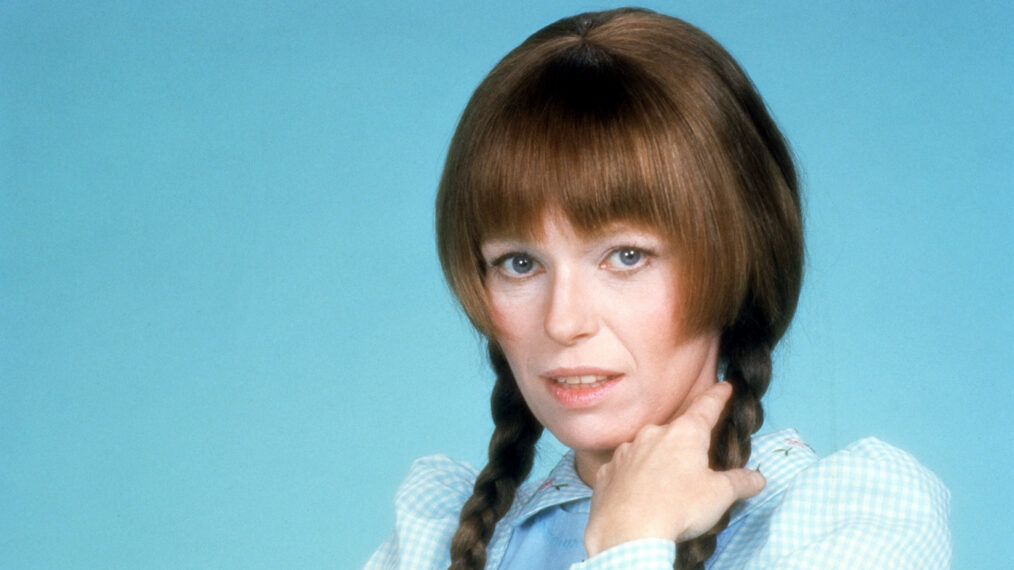
Louise Lasser turns 87 on April 11, 2026, and we recall a time when she was one of the most recognizable faces on television. She was best known for her work on Mary Hartman, Mary Hartman, and Lasser helped define a very specific kind of satirical comedy that felt unlike anything else on TV in the mid-’70s. On her birthday, let’s go over her impressive career and find out what she’s been up to more recently.
When Lasser took on the role of Mary Hartman in 1976, she had already built a résumé through collaborations with Woody Allen in films like Bananas and Take the Money and Run. Airing five nights a week, the series demanded an intense schedule, and Lasser appeared in hundreds of episodes in just two seasons, becoming a household name almost overnight.
At the height of its popularity, Mary Hartman, Mary Hartman made Lasser one of the most talked-about actors on television, landing her on magazine covers and an Emmy nomination. But the production pace took its toll, and she left the series in 1977 after over 300 episodes. The show continued without her under a new title, Forever Fernwood, but her absence marked a clear turning point.
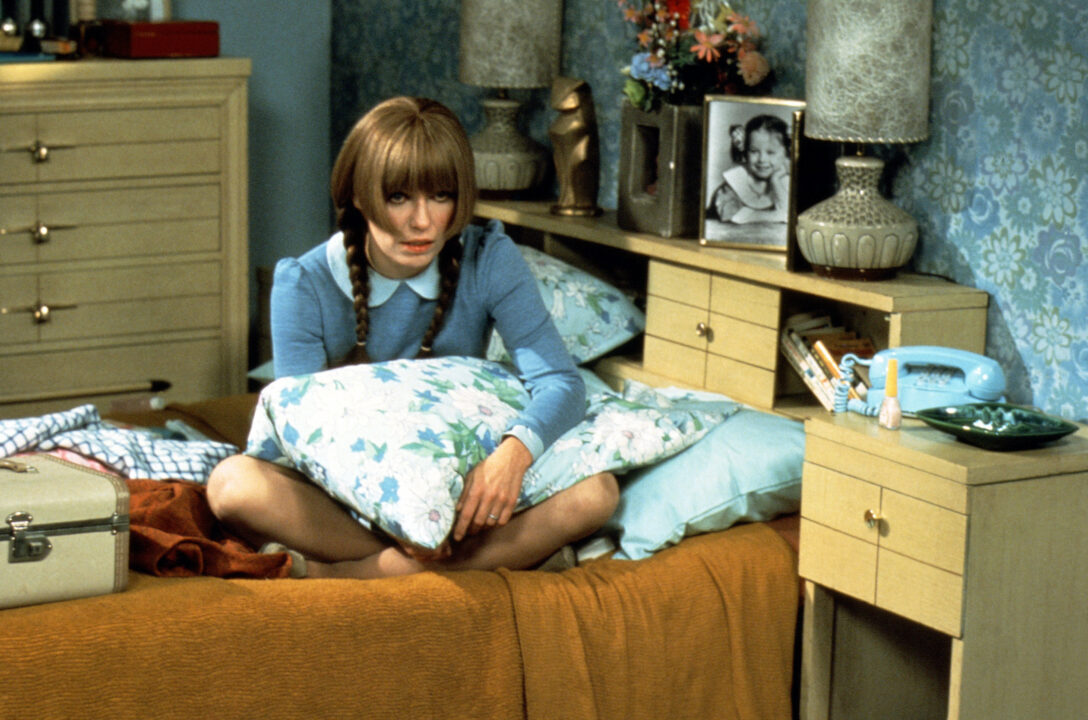
Following her departure, Lasser did not disappear entirely, but her career shifted. She continued working steadily through the late ’70s and ’80s, appearing in shows like Taxi and St. Elsewhere, and even headlined the sitcom It’s a Living for a season. She also wrote and starred in the 1978 TV movie Just Me and You.
Everett Collection
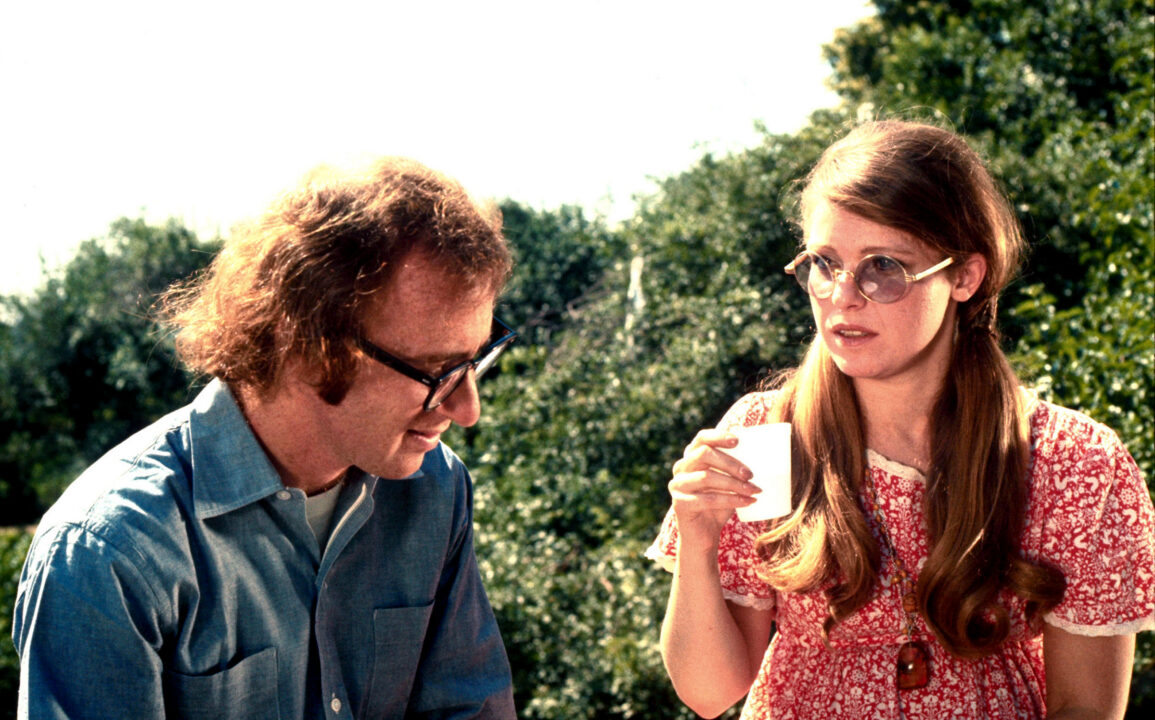
Around this time, Lasser was married to Woody Allen. The two were married from 1966 to 1970, during the period when she appeared in several of his early films, and she later described the relationship as deeply influential on her creative development. “I’ll forever be influenced by his work. A lot of my best work comes from his work. Some meaning and some not even meaning to.” Lasser told Interview Magazine. After their divorce, she never remarried, choosing instead to focus on her work. Things weren’t always easy. In 1976, during the height of her fame, she was also briefly arrested in Los Angeles after a small amount of cocaine was found in her possession, and she received counseling.
Everett Collection
Her film work became more sporadic as the decades continued, but she often leaned into independent and unconventional projects. She appeared in Happiness in 1998 and later had a small role in Requiem for a Dream in 2000, both films known for their darker tone. In the 2010s, she resurfaced for a new generation with a recurring role on Girls, playing an eccentric Manhattan artist. In more recent years, Lasser has focused much of her energy on teaching and mentoring. She has been affiliated with HB Studio in New York and later ran her own acting studio on the Upper East Side, working directly with students on performance technique.
Bobby Bank/Getty Images
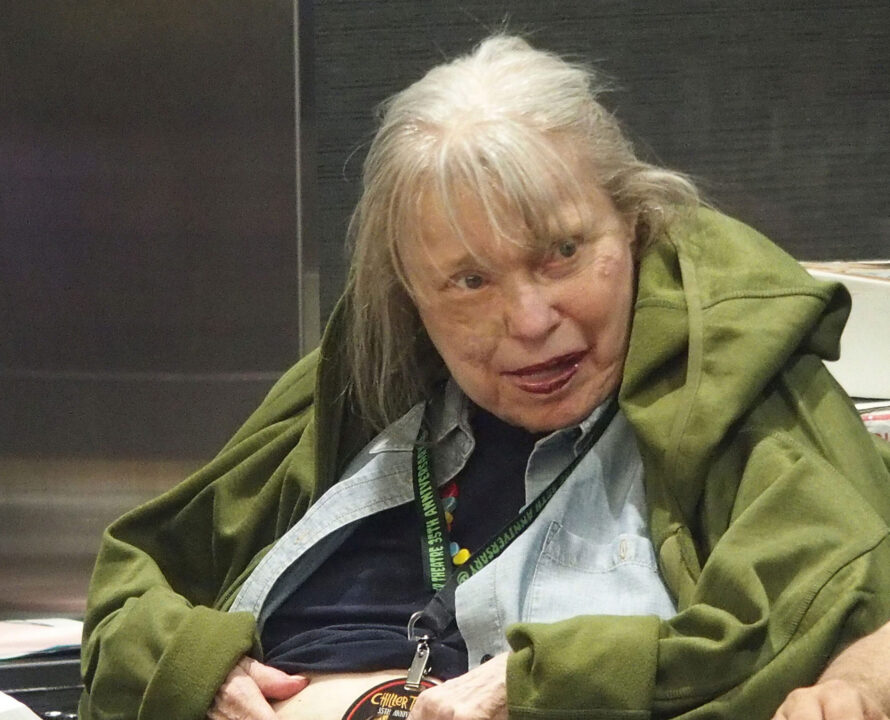
She has also continued to take occasional acting roles, including a part in the 2022 film Funny Pages, marking her return to a theatrical feature after a long gap. Even decades later, Lasser’s legacy is still closely tied to Mary Hartman, Mary Hartman, which remains a cult favorite and is often cited as ahead of its time. She has occasionally revisited that chapter of her life through interviews and reunion events, including a panel at the Paley Center for Media, and fan cons, but for the most part, she has lived a quieter life in her 80s.

 Remind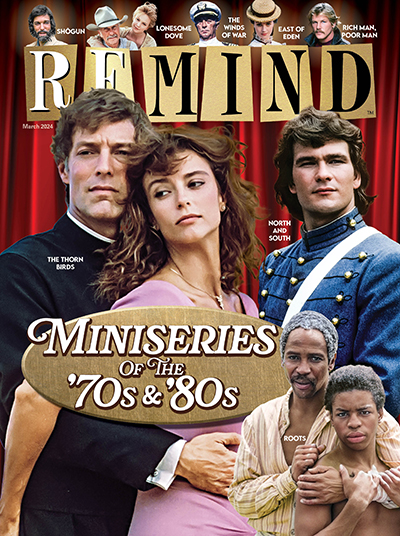
Miniseries of the 1970s & 1980s
March 2024
The 1970s and 1980s were the glory days of the TV miniseries. In this issue we ranked the most significant and beloved miniseries of those decades.
Buy This Issue