

11 Iconic ’80s Cartoons and Their Toys — Which Came First?





If you were a kid in the 1980s, you probably remember Saturday mornings the same way: pouring a huge bowl of your favorite cereal, plopping down in front of the TV in your Underoos or character pajamas, and diving into a lineup of unforgettable cartoons. But have you ever wondered — did the toys inspire the shows, or did the cartoons make the toys famous?
From action-packed adventures to colorful animated classics, many of the most iconic ’80s cartoons were deeply connected to the toy aisle. In this list, we’re counting down our Top 11 favorite ’80s cartoons and toy lines to uncover which came first — the toy or the show — and how they became a defining part of every kid’s Saturday morning routine.
1 The Smurfs
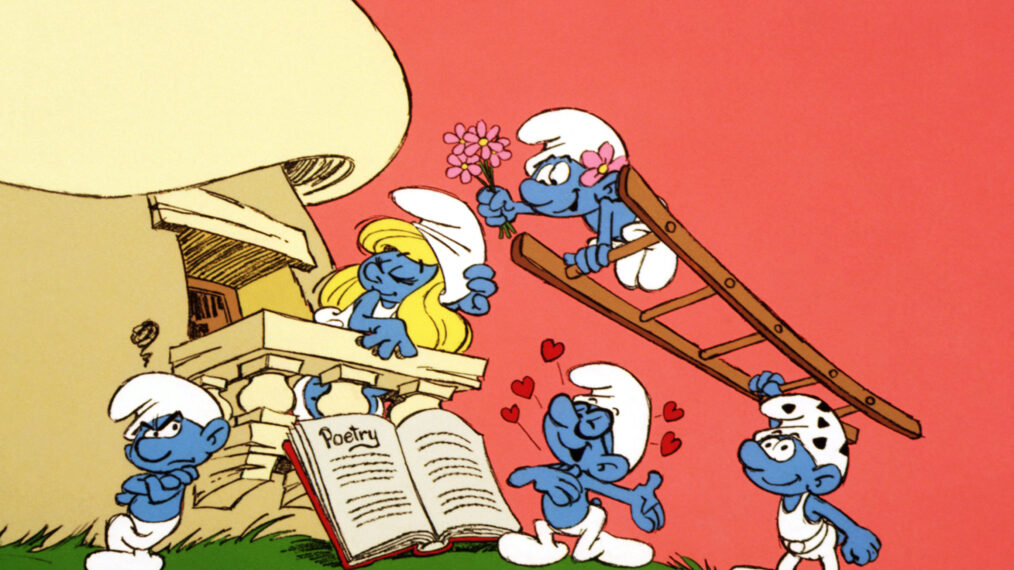
You couldn’t go any Smurfin’ place in the ’80s without seeing these tiny blue gnomes. The likes of Papa Smurf, Brainy, Clumsy, Vanity, Hefty, Handy, and Smurfette (the first, and for a long time only, female of the species) had magical adventures in their village.
Smurf figurines had been in Europe since the late 1950s, but a Saturday morning cartoon series made the franchise explode in the U.S. starting in 1981. Figurines soon gave rise to plush toys, video games, record albums, breakfast cereals and much more.
2 He-Man and the Masters of the Universe
Everett Collection
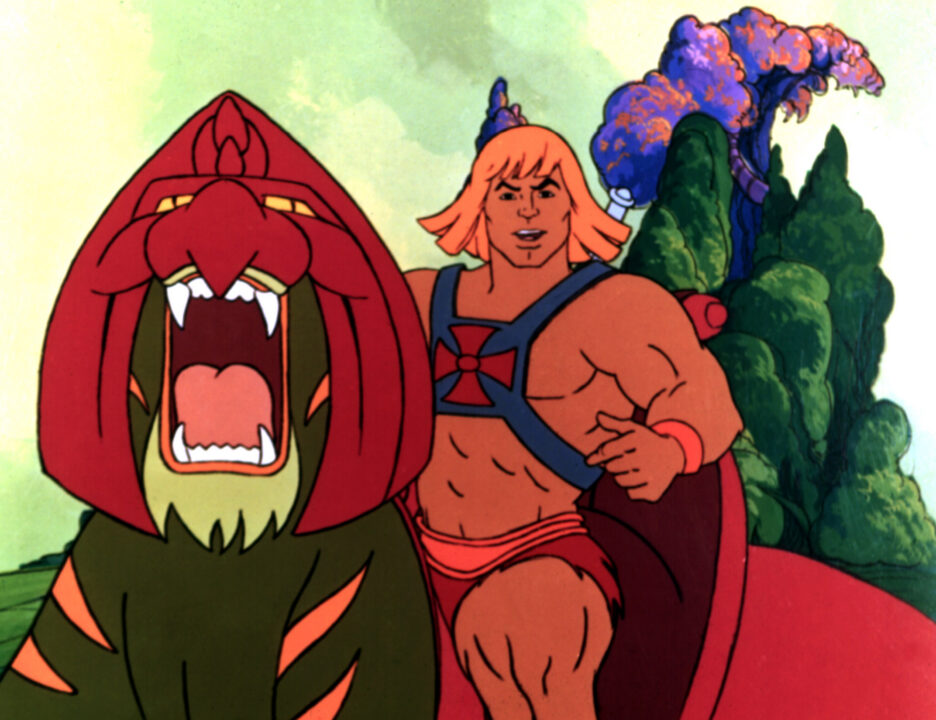
“By the power of Grayskull!” The heroic He-Man (the alter ego of Prince Adam) and the evil Skeletor battled for dominion of the planet Eternia in Mattel’s Masters of the Universe lineup of action figures released in 1982. With their bulging muscles, weapons and accessories, and spring-loaded waists, He-Man and his allies Man-At-Arms, Ram Man, Stratos, Teela, and Man-E-Faces fought with Skeletor and minions like Mer-Man, Beast Man, and Tri-Klops to control the magic hidden within the coveted Castle Grayskull.
A TV cartoon series premiered in September 1983, which helped sell the toys and expand the franchise, eventually turning Skeletor into one of the most beloved internet meme characters.
3 Teenage Mutant Ninja Turtles
Everett Collection
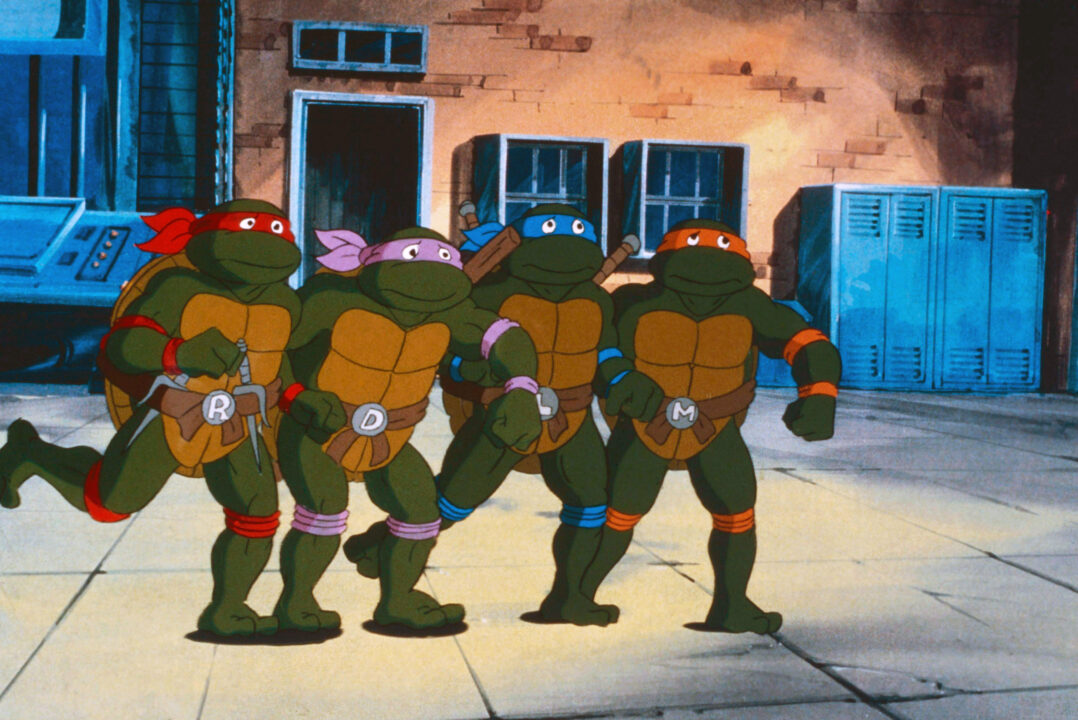
A few years after the debut to He-Man, the younger brothers of Grayskull devotees would find four sewer-dwelling turtles who talked like surfers, ate pizza, practiced martial arts and were named after Italian Renaissance artists.
The Teenage Mutant Ninja Turtles had humble beginnings in comic books before getting the TV cartoon treatment in 1987 and a line of action figures followed in 1988. Playmates Toys had TMNT sales of $1.1 billion in four years, making the franchise the third-best-selling figures ever, trailing G.I. Joe and Star Wars.
4 The Care Bears
DiC/Everett Collection
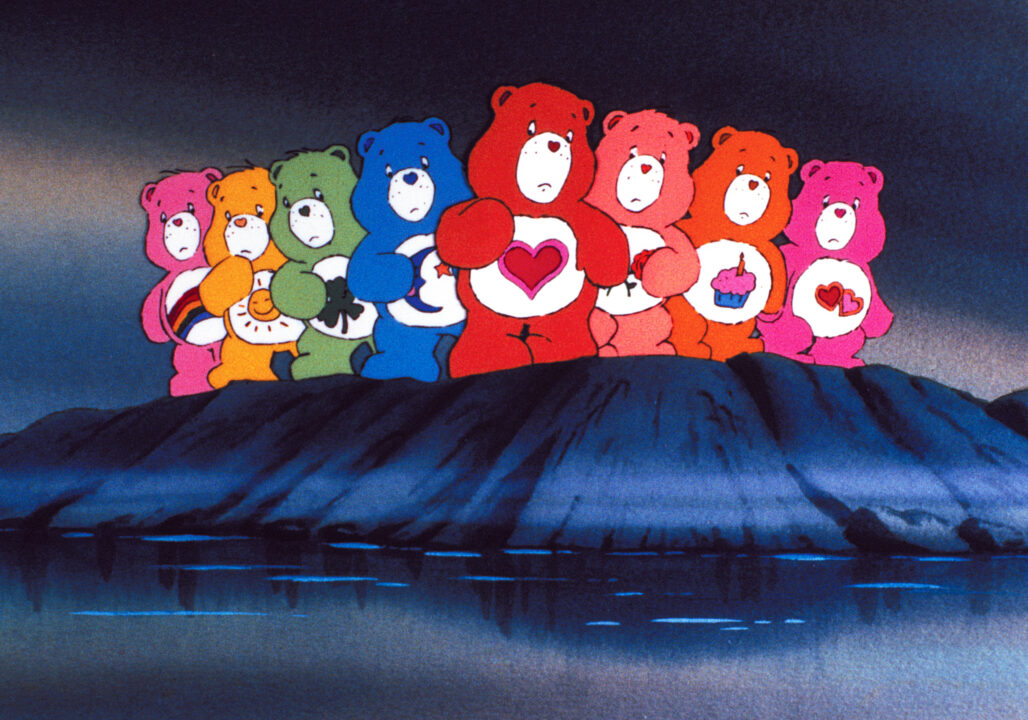
First created for American Greetings cards in 1981, the colorful Care Bears escaped the envelope and card crowd and became a cultural force of their own. The 10 original bears — Bedtime, Birthday, Cheer, Friend, Funshine, Good Luck, Grumpy, Love-a-Lot, Tenderheart, and Wish — were instant hits as plush toys and figurines, and were soon starring in movies and TV series. The Kingdom of Caring expanded in 1985 with the introduction of Care Bear Cousins, non-ursine animals with even more complex emotions.
5 Pound Puppies
Hanna-Barbera/Courtesy: Everett Collection
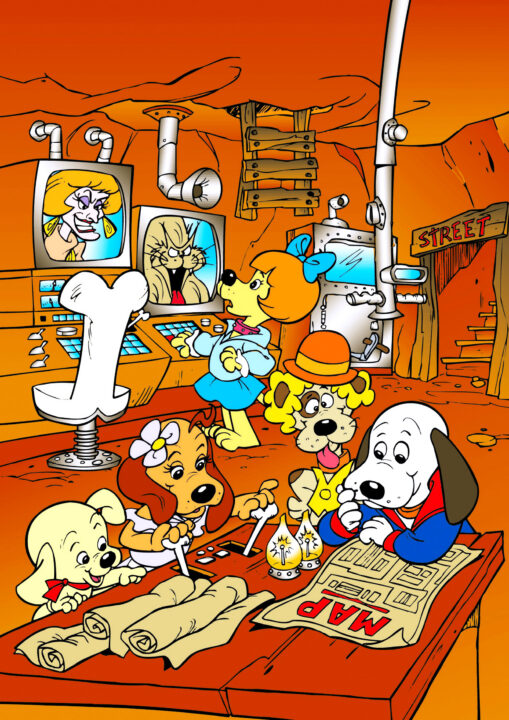
Mike Bowling, a Ford automobile assembly line worker in Ohio, came up with the idea of kids toting around man’s best friend — a dog — instead of a doll with his Pound Puppies. While his handmade plush inventions were rejected 14 times, Canada’s Irwin Toy would ultimately take a chance on his adorable sad-eyed plush pups and released them in 1984. It paid off. Tonka would take over the U.S. market a year later, and more than 2.5 million puppies were sold. They even got their own cartoon series and a full-length movie!
6 My Little Pony
Because your family had no room for a real equine, My Little Pony trotted onto toy shelves starting in 1982. Their brushable nylon tails and manes, characteristic designs on their flanks (Minty had shamrocks, for example), and wide-eyed charm made them irresistible. They weren’t just dolls, but rather instant fantasy fuel for kids who wanted to invent stories about friendship, rainbows and magical adventures.
The colorful ponies proved to be so popular that they got the cartoon treatment in 1986 with My Little Pony and Friends and are still around for today’s generation. Cute, colorful and endlessly collectible, the ponies galloped straight into toy legend.
7 Teddy Ruxpin
Parents in the ’80s who wanted to make storytime effortless and slightly creepy turned to Teddy Ruxpin, an animatronic bear who read cassette tapes and sang songs while moving his mechanical mouth and blinking his eyes. Teddy Ruxpin came out in 1985 and had many fun adventures and taught children several good life lessons, like always keep fresh batteries nearby to avoid nightmares.
The Adventures of Teddy Ruxpin cartoon came about in 1986 but only lasted 1 season.
8 Rainbow Brite
Hallmark Entertainment. Courtesy: Everett Collection.
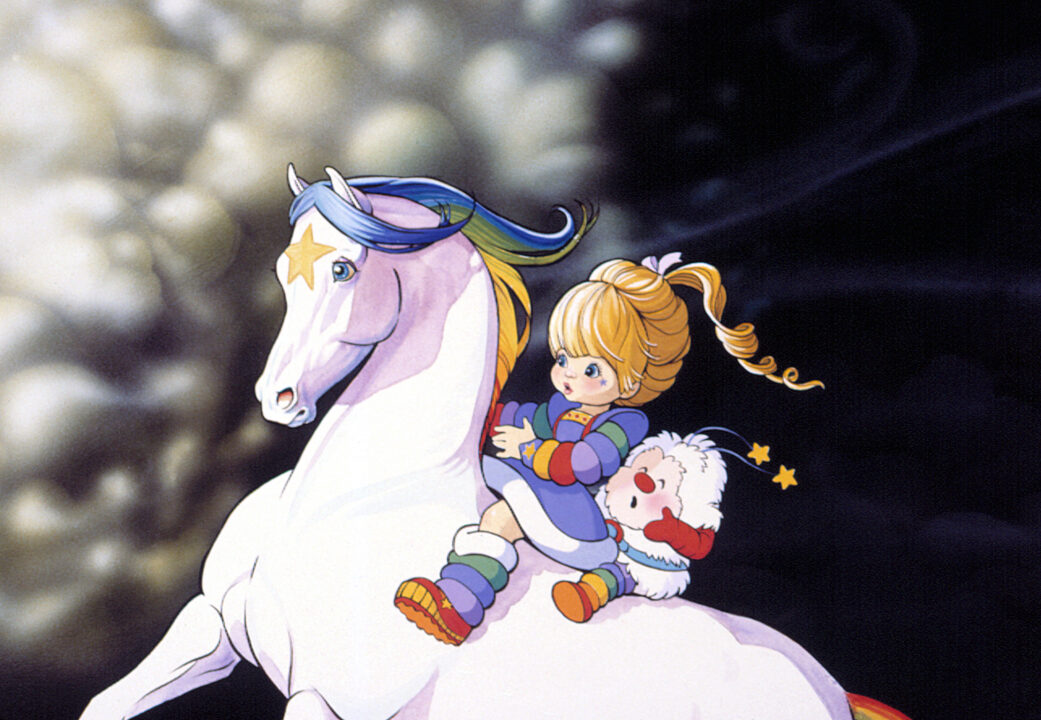
She has the power of the rainbow to make generations of kids happy! A creation of Hallmark Cards, the Rainbow Brite character was introduced in 1984, along with an animated TV series and plush, ragdoll-style dolls and playsets produced by Mattel. According to the TV series, Rainbow Brite was really a young girl named Wisp who, along with a fluffy sprite named Twink and a pony named Starlite, was tasked with freeing the Color Kids from the King of Shadows, restoring color and happiness to a desolate land — a storyline that promoted kindness, optimism and bravery.
Mattel stopped making Rainbow Brite toys in the late 1980s, but in 1996, the characters returned with a “Color Crew” storyline that focused on diversity and inclusion. In 2023, toymakers The Loyal Subjects acquired the license to produce a Rainbow Brite collection, which includes both plush dolls as well as ones that are plastic, posable and have interchangeable outfits.
9 Cabbage Patch Kids
These little soft-sculpture baby dolls by Appalachian artist Xavier Roberts caused quite the frenzy when they first debuted in 1982, as you couldn’t just buy the doll, you needed to adopt it. Unlike other dolls, each Cabbage Patch doll came with a birth certificate and adoption papers. Some avid consumers were trampled trying to buy one during that year’s holiday shopping season (now referred to as the Cabbage Patch Riots of 1983), and the demand was so high that people began making counterfeit dolls stuffed with industrial rags. Consumers were told to avoid Kids that smelled like kerosene.
Eventually, supply caught up to demand, and the dolls still remain a popular collectible today. Those who weren’t lucky enough to get their hands on one could at least enjoy the Christmas special, Cabbage Patch Kids: First Christmas, dedicated to them in 1986 and several other cartoon movies throughout the ’90s.
10 Transformers
Are they vehicles? Are they robots? One thing’s for sure: Transformers have always been “more than meets the eye.” Rumbling onto the toy scene in 1984, Transformers arrived with a triple punch — ingenious toys from Hasbro and Japanese partner Takara, plus a Saturday-morning cartoon and Marvel comics that gave each character a personality and a purpose.
Inspired by Japanese mecha (“mechanical” robots), Transformers look like typical toy cars, trucks and planes until a few clever twists and clicks turn them into formidable fighters. Divided into two alien factions, the heroic Autobots, led by Optimus Prime, and the bad-guy Decepticons, who took orders from Megatron, Transformers took creative play to a whole new level, allowing kids to wage intergalactic war right from their toy box. Hasbro continuously updates the franchise for new generations, but collectors pay hundreds of dollars for boxed originals.
11 G.I. Joe
Everett Collection
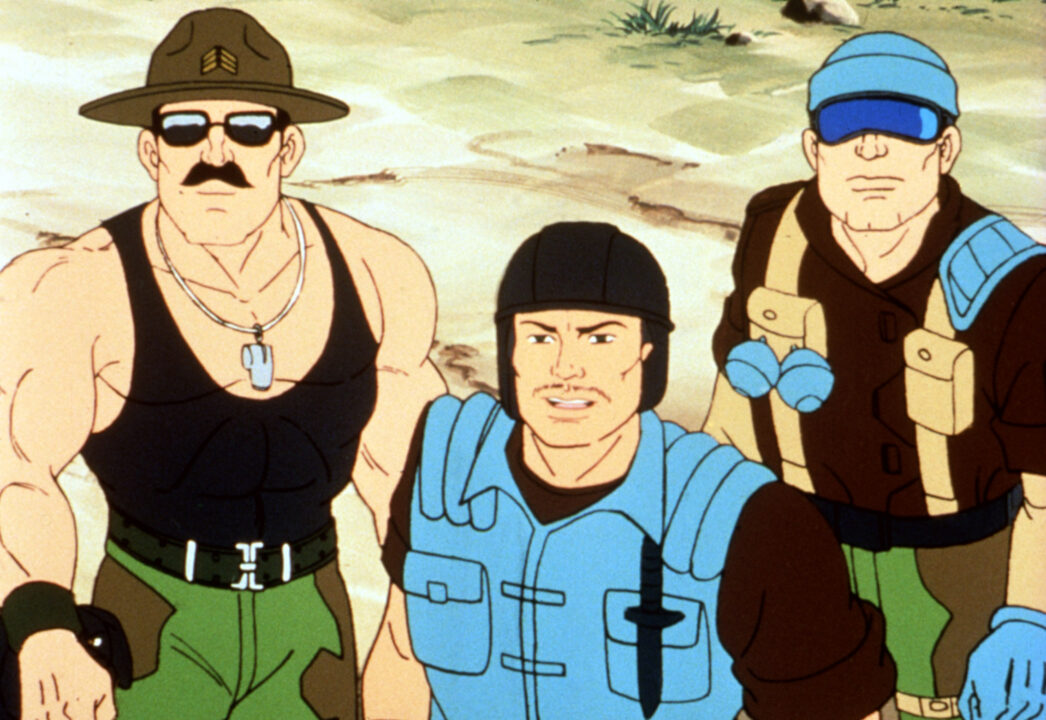
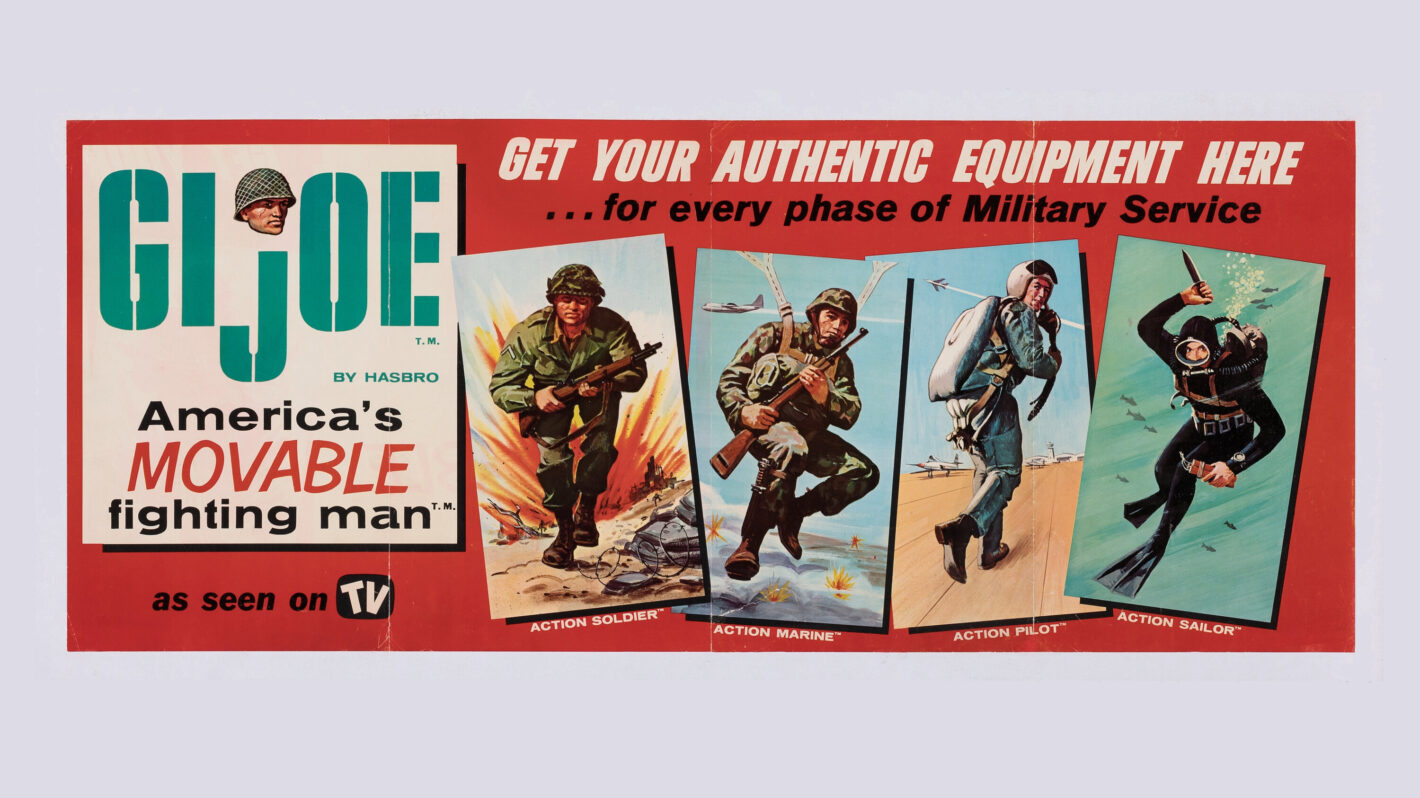
He was invented and marketed as a regular Joe from the military; however, he was anything but ordinary. Introduced by Hasbro in the Cold War year of 1964, Joe was 11.5 inches tall with 21 movable parts … and decidedly male, an attempt to open up a bigger market for boys. Thus, the term “action figure” was born to describe the toy, a reference that would catch on in a huge way to the tune of millions sold.
As America’s controversial involvement in Vietnam grew, Joe shrunk, first to eight inches (and marketed more as an adventurer), and then he was gone completely for a couple of years, reemerging in the early 1980s along with a cartoon series in 1983. In the toy’s history, hundreds of millions of Joes have been sold, and it has become among the culture’s most iconic figures of play.
Rob Edelstein, Ryan A. Berenz, Jeff Pfeiffer, Lori Acken, Zhanna Slor and Barb Oates were all contributing writers on this article.
 Remind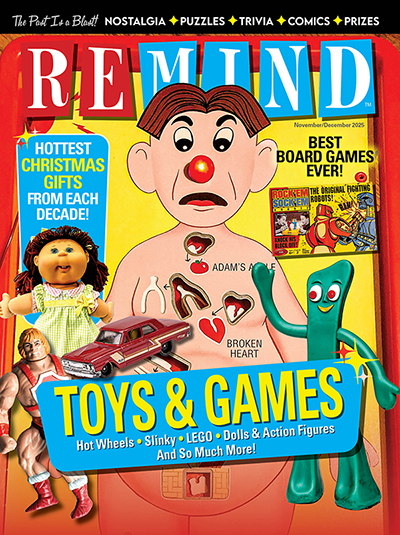
Toys & Games
November/December 2025
Fire up the Easy-Bake Oven, dust off that pogo stick, tickle that Elmo and get ready to blast back to a time when batteries were not included
Buy This Issue