

This Was the Only Classic Western to Win an Oscar for Best Picture





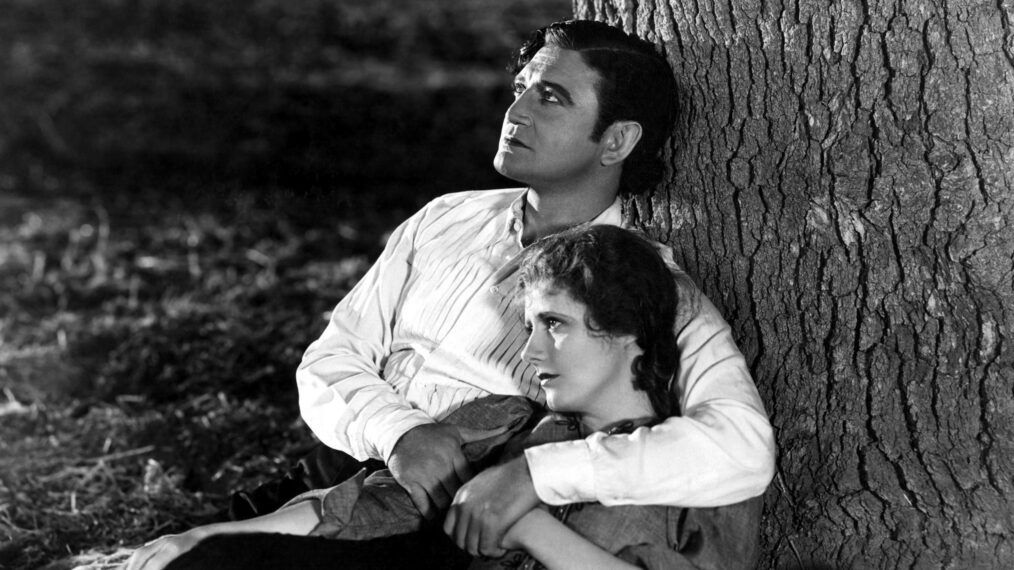
What To Know
- Cimarron (1931) is the only classic-era Western to win the Oscar for Best Picture, despite the genre’s popularity during Hollywood’s golden age.
- Several renowned Westerns like Stagecoach, The Ox-Bow Incident, High Noon, Shane, and Giant were nominated for Best Picture but did not win the top award.
- It wasn’t until the 1990s that Westerns such as Dances with Wolves and Unforgiven won Best Picture, signaling renewed Academy recognition for the genre.
If you grew up watching cowboy movies, you might assume the classic Western dominated the Academy Awards. After all, for decades, it was Hollywood’s signature genre, and one of the most popular at the box office.
But when it comes to the top prize at the Oscars, the truth is surprising: only one classic-era Western ever won Best Picture, and it was a movie released all the way back in 1931.
Cimarron (1931) was the only classic Western to win Best Picture
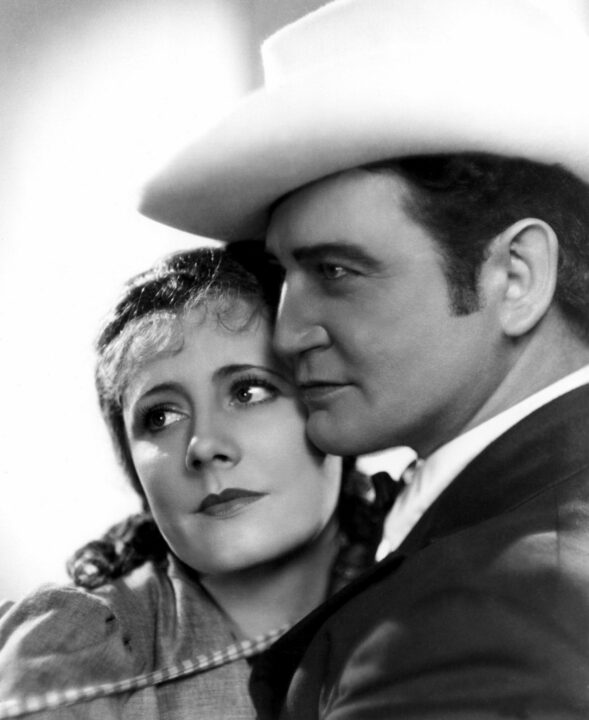
Everett Collection
Released in 1931 and produced by RKO, Cimarron remains the only traditional Western from Hollywood’s classic studio era to win the Academy Award for Best Picture. Directed by Wesley Ruggles and starring Richard Dix and Irene Dunne, the film is set during the Oklahoma Land Rush and follows an ambitious newspaper editor and his wife as they build a life on the frontier. At the 4th Academy Awards, Cimarron took home Best Picture along with awards for Best Adapted Screenplay and Best Art Direction.
Despite the genre’s popularity through the 1930s, 1940s and 1950s, no other Western from that classic period would repeat the feat. Several major Westerns were nominated for Best Picture during the so-called “classic era” but did not win.
Stagecoach (1939)
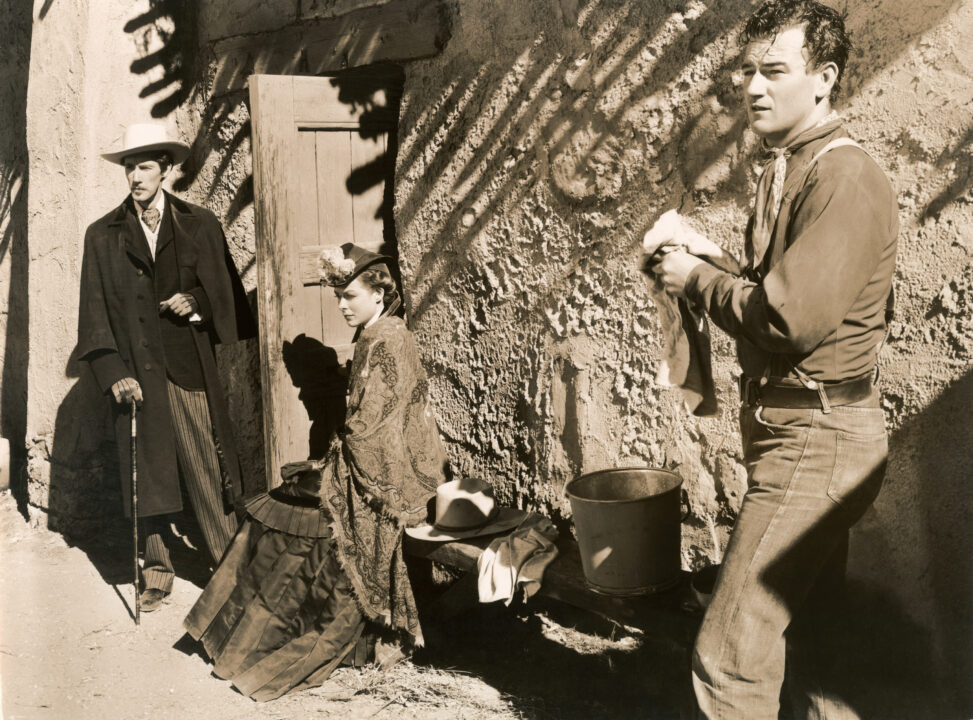
20th Century Fox Film Corp./Everett Collection
Directed by John Ford and starring John Wayne in his breakout role as the Ringo Kid, Stagecoach is widely credited with revitalizing the Western genre in 1939. The film earned a nomination for Best Picture at the 12th Academy Awards but lost to Gone with the Wind. It did win two Oscars, for Best Supporting Actor (Thomas Mitchell) and Best Music, but not the top prize.
The Ox-Bow Incident (1943)
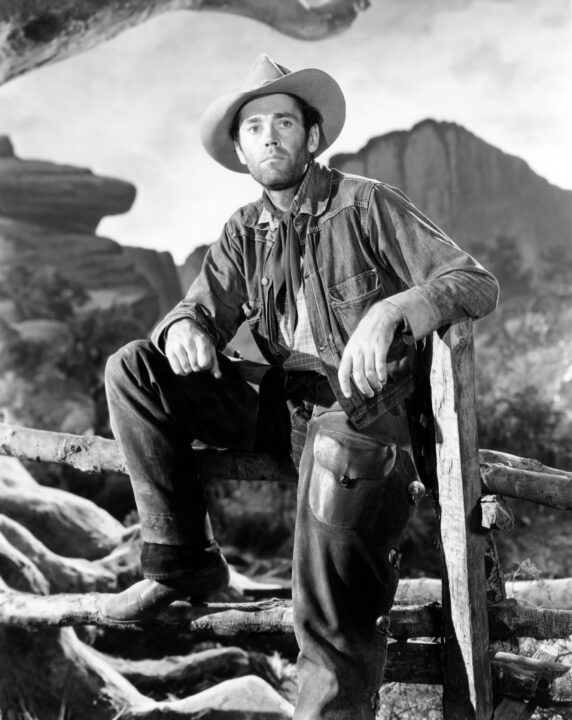
Everett Collection
This morally complex Western starring Henry Fonda was nominated for Best Picture at the 16th Academy Awards. Despite critical acclaim, it lost the top award to Casablanca. Today, it is often cited by film historians as one of the most important psychological Westerns ever made.
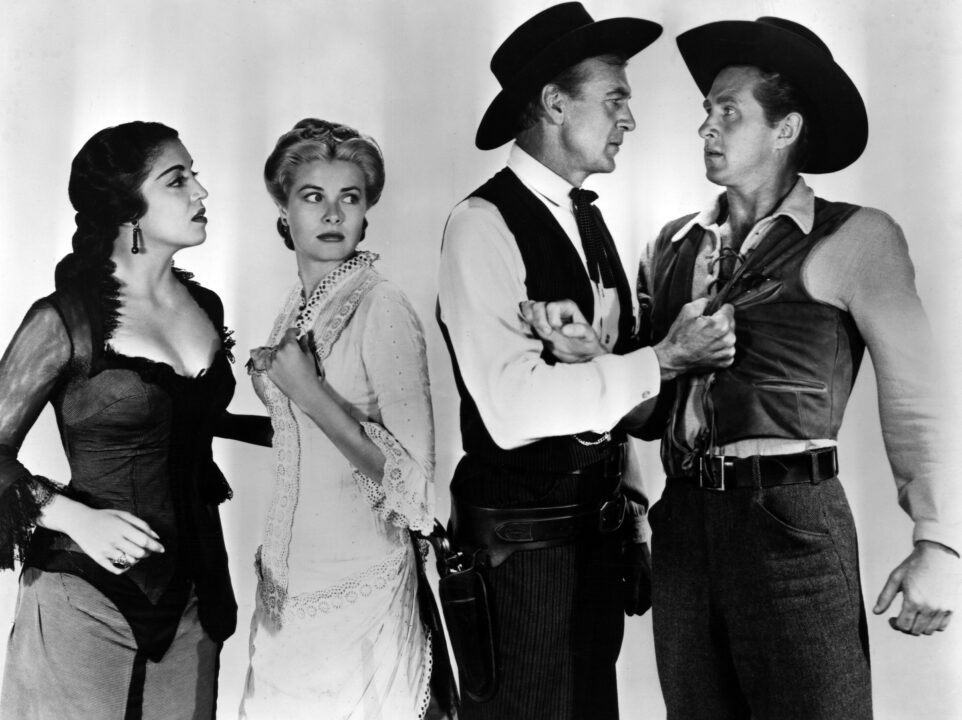
High Noon (1952)
Everett Collection
Fred Zinnemann‘s tense real-time Western earned a Best Picture nomination at the 25th Academy Awards. Gary Cooper won Best Actor for his role as Marshal Will Kane, and the film also took home awards for editing, music and song. But Best Picture went instead to The Greatest Show on Earth. Like The Ox-Bow Incident, High Noon has grown in stature over time, often ranking among the greatest Westerns ever made.
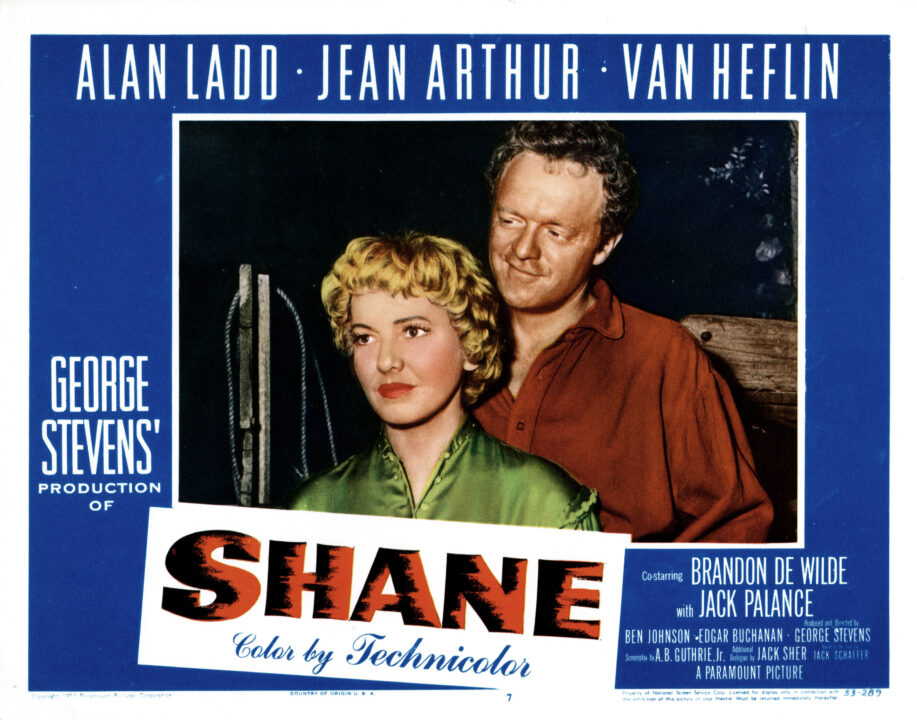
Shane (1953)
Everett Collection
George Stevens‘ Western starring Alan Ladd was nominated for Best Picture at the 26th Academy Awards. It lost to From Here to Eternity but won for Best Cinematography.
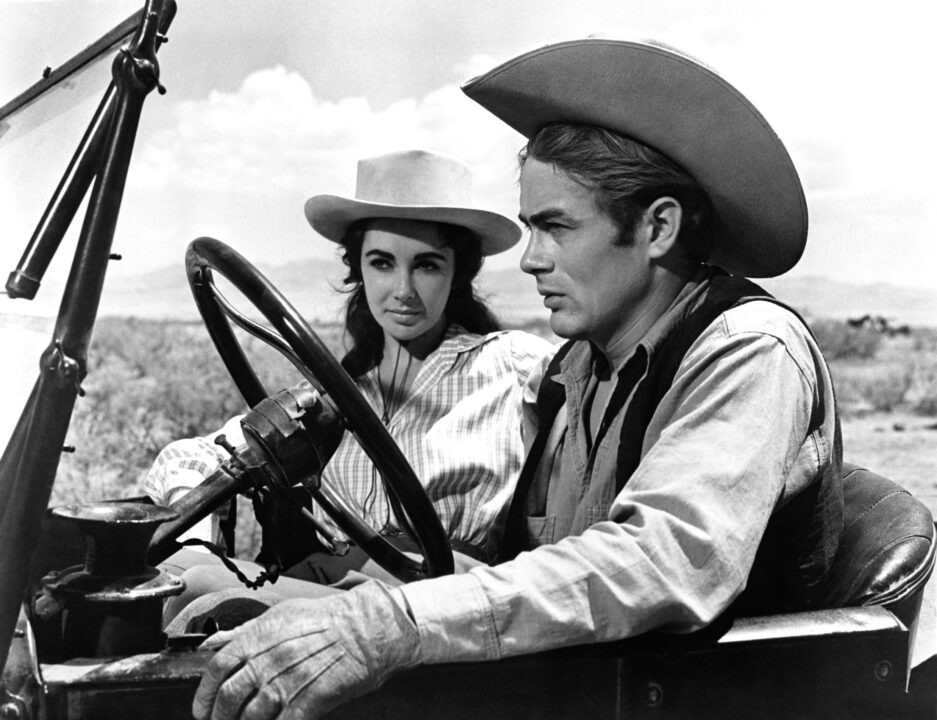
Giant (1956)
Everett Collection
Often categorized as a Western epic, Giant was nominated for Best Picture at the 29th Academy Awards. The sweeping Texas saga starring Rock Hudson, Elizabeth Taylor and James Dean lost the top prize to Around the World in 80 Days. George Stevens won Best Director.
Beginning in the 1990s, the Academy began to recognize Westerns more directly in the Best Picture category. Dances with Wolves won Best Picture in 1991, and Unforgiven followed in 1993. Much later, No Country for Old Men, often described as a neo-Western, also won the top prize.
 Remind
Top Cowboys
February 2026
Who were the best Top Cowboys of the past? Saddle up for our fond look back.
Buy This Issue