

‘Dracula’ Turns 95: These Surprising Actors Were Considered For The Vampire Count






What To Know
- Before Bela Lugosi was cast as Dracula in Universal’s 1931 film, the studio considered several other actors for the role, including horror legend Lon Chaney and dramatic actor Paul Muni.
- Lugosi, who had played Dracula on stage, lobbied intensely for the part and ultimately accepted a low salary, only securing the role after other options fell through.
- The film’s release was a major success for Universal, cementing Lugosi’s legacy but also leading to his typecasting and financial struggles despite the movie’s profitability.
When most think of Universal’s Dracula — the first and best-known adaptation of Bram Stoker’s novel, which was released on February 14, 1931 — they immediately picture Bela Lugosi. It is almost impossible to imagine anyone else in the role, and the actor already had a reputation for playing the role on stage.
But when Universal Pictures set out to make the film version of Bram Stoker’s novel, Lugosi was not immediately chosen as the star. In fact, several other actors were seriously considered before he ever stepped in front of the camera.
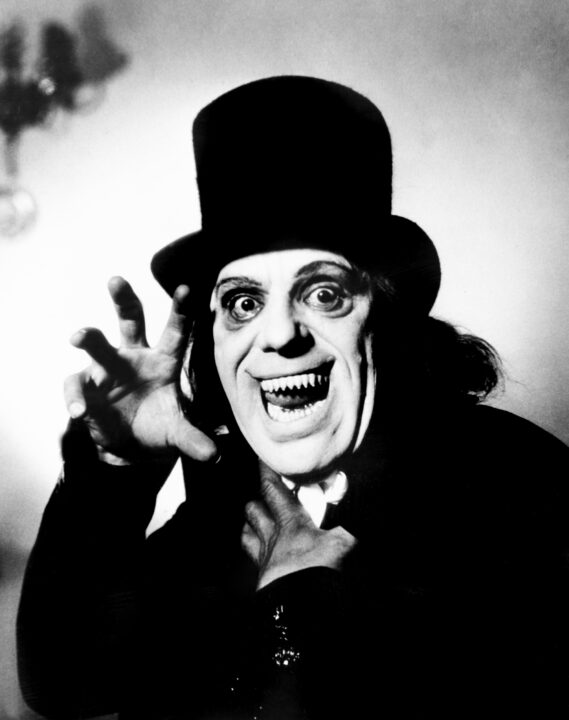
Lon Chaney
Everett Collection
Universal’s first big idea revolved around Lon Chaney, the undisputed king of silent horror. Chaney had already terrified audiences in films like The Phantom of the Opera and The Hunchback of Notre Dame, and he had a long working relationship with director Tod Browning. The studio hoped to reunite the two for Dracula, believing Chaney’s ability to transform himself physically would make him perfect for the part. That plan came to an abrupt end with Chaney’s death in 1930. Without him, the entire project had to be rethought.
Paul Muni

Courtesy Everett Collection
With Chaney no longer an option, the studio began looking at other possibilities. One of the names floated early on was Paul Muni, who would later become one of Hollywood’s most respected dramatic actors.
Trade publications at the time even reported that Lew Ayres had been cast in the film opposite actress Helen Chandler. The plan was then to present the story as both a thriller and a romance, suggesting a very different tone from what audiences eventually saw. By the time production actually began, Ayres had been replaced by David Manners and the romantic angle was largely dropped.
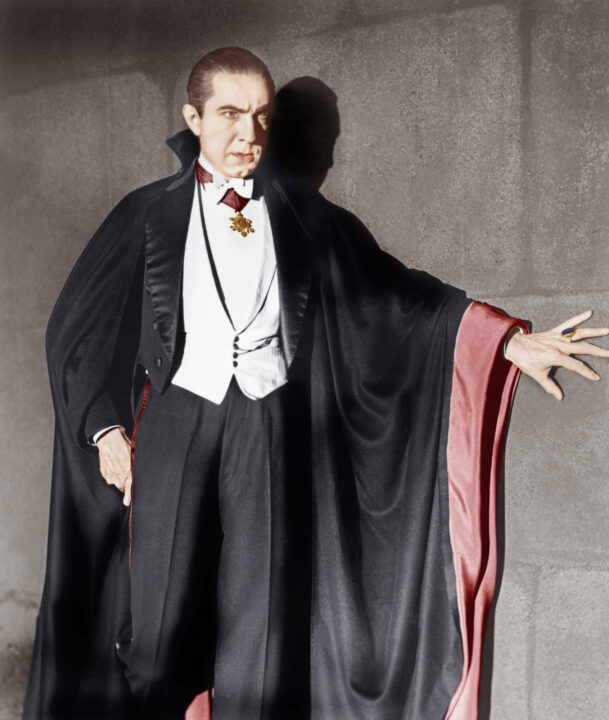
Meanwhile, Lugosi was quietly campaigning for the role of Dracula. He had already played Dracula on stage beginning in 1927 and enjoyed enormous success with it. Even after that triumph, the studio was not convinced he was the right choice for the screen version. Lugosi reportedly pleaded and lobbied for the part and even sought the help of Bram Stoker’s widow to strengthen his case. He was so eager to play Dracula on film that he agreed to do it for very little money. Only after all that effort did Universal finally decide to give him the job.
Everett Collection
Production itself was also a bit chaotic. Actor David Manners later described the experience as extremely disorganized, and he claimed that much of the actual directing was done by cinematographer Karl Freund rather than Browning. The sets were elaborate, including a massive Transylvanian castle that Universal continued to use in other films for years afterward. Technicians created giant spider webs out of rubber cement, and masons built a huge working fireplace that turned out to be too noisy for the microphones of that time period.
When Dracula was finally released in 1931, it became an enormous hit. The success of the film helped rescue Universal from financial trouble and launched the studio’s famous run of 1930s horror classics. Lugosi’s performance was the key. Because English was not his first language, he learned his lines phonetically, which gave his delivery a slow, deliberate quality that fit the character perfectly.
However, Lugosi quickly found himself typecast and struggled to escape the shadow of Dracula for the rest of his career. He later turned down the role of Frankenstein’s monster, a decision he regretted as Boris Karloff rose to greater fame and fortune. Lugosi was paid only $3,500 for Dracula and eventually faced bankruptcy, while the film itself made a fortune for the studio.

 Remind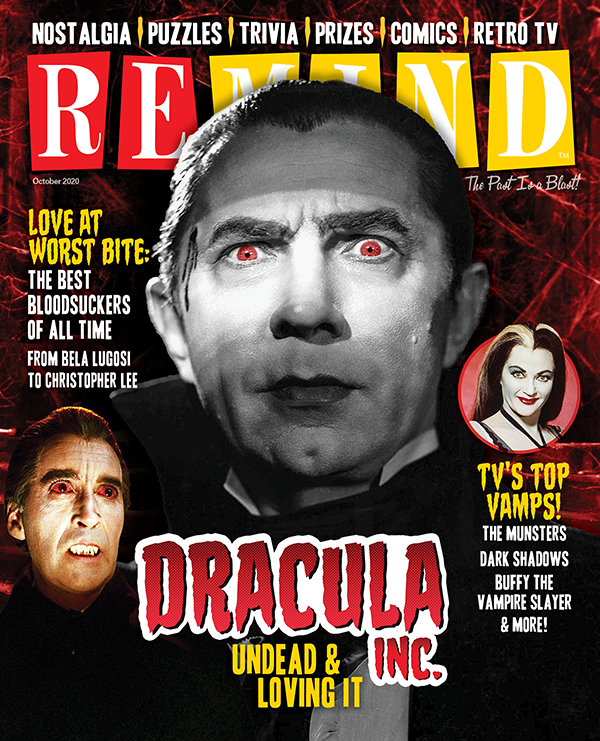
Dracula
October 2020
Drac is Back! Delve into some of the best vampire fare in TV, movies, radio and books.
Buy This Issue