

The Surprising Inspiration Behind ‘Laverne & Shirley’





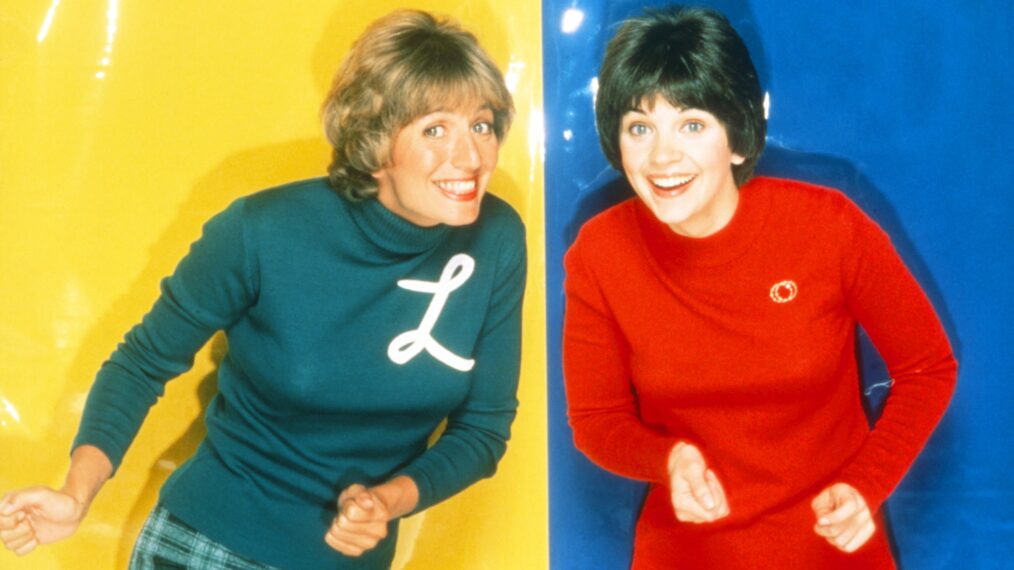
What To Know
- Garry Marshall created Laverne & Shirley in part to help his sister Penny Marshall find work, following persistent encouragement from their mother.
- The characters were inspired by Marshall’s New York upbringing and real-life experiences, aiming to portray authentic, blue-collar women unlike typical TV archetypes of the time.
- Laverne & Shirley became an instant hit after debuting as a Happy Days spinoff in 1976, resonating with audiences who appreciated its relatable and unconventional female leads.
Garry Marshall may have created one of the biggest shows of the ’70s with Laverne & Shirley, but his reasons for producing the first and most successful Happy Days spinoff were far personal than anyone knew at the time. As Marshall later explained in a filmed interview for the Television Academy Foundation, he created the roles of Laverne and Shirley because his mother kept reminding him that his sister, Penny Marshall, was between acting jobs and needed work. She insisted that he create a show for Penny to star in.
“My mother was driving me crazy,” Marshall recalled in the interview. “She said, ‘Penny’s not working, why isn’t she working? She worked on The Odd Couple; she was great.” Marshall laughed that he finally told her, “Well, we’ll get her a job.” That promise changed TV history, even if no one realized it at the time.
How Garry Marshall created Laverne & Shirley
At that point in the mid-’70s, Marshall was already riding high as part of the team that brought The Odd Couple to the small screen and as the creator of Happy Days, which had become one of the most reliable hits on television. When the writers Lowell Ganz and Mark Rothman mentioned a half-finished script they had once pitched to another show, Marshall remembered it at exactly the right moment, when Happy Days was suddenly short a script. He encouraged them to dust off the idea and reshape it for the show.

Walt Disney/Everett Collection
The episode centered on two tough, street-smart women from the “other side of the tracks,” a dynamic Marshall said was drawn from his own experiences growing up in New York and playing music in clubs. He even shared a wild real-life memory that helped shape the characters’ energy, recalling a late-night diner incident in which his date got into a full-blown fight with another woman. “Years later I said, that’s what we should do,” he said. “We’ll get two girls like that.” Those rough-and-tumble personalities eventually became Laverne DeFazio and Shirley Feeney.
Everett Collection
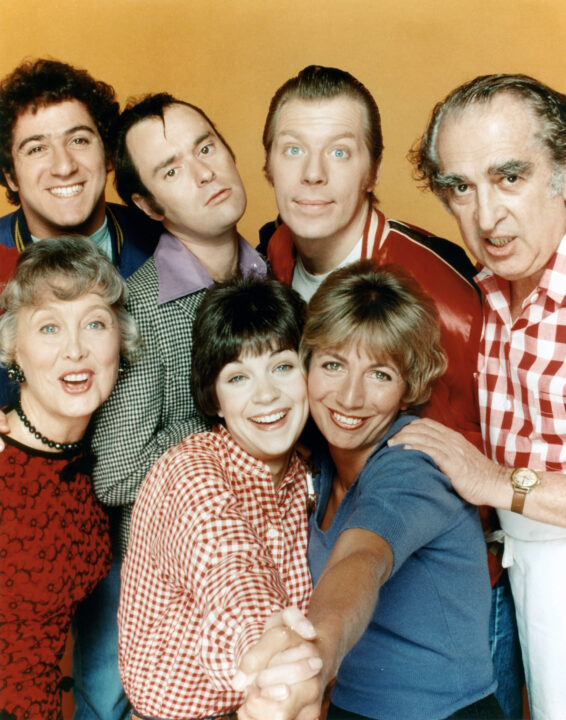
When Penny Marshall and Cindy Williams appeared as the characters on Happy Days, audiences responded immediately. The pair had a chemistry that felt loose, funny, and refreshingly unpolished, especially compared to the sitcom women viewers were used to seeing. Marshall noticed that the characters stood out because they felt like real working women rather than idealized TV archetypes. As he put it, television at the time didn’t show many blue-collar girls living ordinary lives.
Bob D’Amico/ABC/Everett Collection
The real turning point came when producer Fred Silverman heard Marshall casually mention the characters during a conversation. Silverman quickly recognized spinoff potential and greenlit the concept with remarkable speed, even before seeing a full script. A short pilot was shot almost as an add-on to Happy Days, and network executives moved fast once they saw how well the characters translated on their own.
The gamble paid off almost immediately. When Laverne & Shirley debuted in 1976, it shot straight to the top of the ratings. Marshall believed the success had everything to do with how relatable the characters felt. “They were dying for somebody who didn’t look like Mary Tyler Moore or all the pretty girls on TV,” he said. “They wanted somebody who looked like a regular person.”
 Remind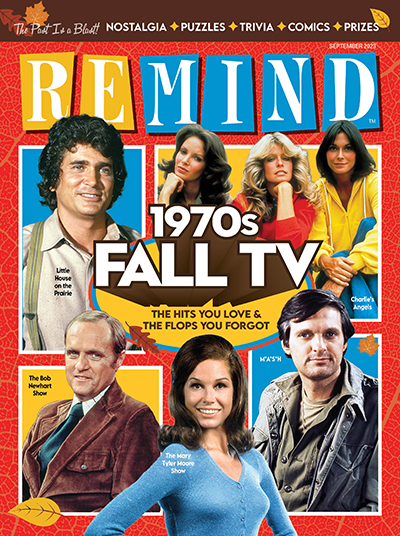
1970s Fall TV
September 2023
Take a trip back to the ’70s by looking at the TV Guide Magazine Fall Preview primetime lineups.
Buy This Issue