

The Bizarre Forgotten New Year’s Tradition Where Anyone Could Meet the President






What To Know
- From 1801 to 1932, ordinary Americans could visit the White House on New Year’s Day to shake the President’s hand during the annual New Year’s Reception.
- The event drew thousands of people, including dignitaries and the general public, and was notable for moments such as Abraham Lincoln greeting guests before signing the Emancipation Proclamation.
- The tradition ended after Herbert Hoover’s presidency due to security concerns and Franklin Roosevelt’s desire for privacy regarding his disability.
For more than a century, New Year’s Day in America came with a tradition that feels almost impossible to imagine now: Ordinary citizens were allowed to visit the White House and shake the President’s hand. They didn’t need an invitation, and anyone could come. For a few hours every January 1, the President of the United States became remarkably accessible — and though it feels like it must be a relic of the distant past, this tradition actually lasted until 1932.
Why citizens could once meet the President on New Year’s Day
Known as the White House New Year’s Reception, the event began in 1801 under President John Adams, the first person to live in the White House. From that point forward, the ritual became an annual fixture of the holiday. Members of the general public stood shoulder to shoulder with diplomats, senators, military officers, and cabinet members, all waiting their turn to greet the President and, often, the First Lady. The president was expected to shake every hand, no matter how long the line stretched or how sore his arm became.

Hulton Archive/Getty Images
As the years went by, the crowds grew exponentially; they regularly numbered in the thousands, with lines that could extend for blocks. People arrived in formal dress, bundled against winter weather, prepared to wait hours for a moment that might last only a few seconds. The First Lady typically stood beside the President, greeting guests as well, although she was permitted to step away early if fatigue set in.

Hulton Archive/Getty Images
Abraham Lincoln held the event even during the Civil War, and on January 1, 1863, he greeted visitors before signing the Emancipation Proclamation later that day. The following year, African American guests were welcomed to the reception, believed to be the first time they attended, although Andrew Johnson later restricted Black guests to a brief window after white visitors had passed through.
Hulton Archive/Getty Images
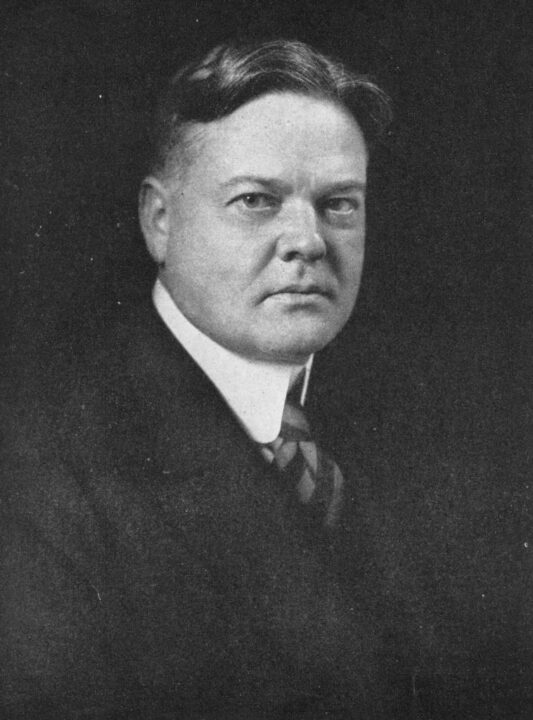
Not every President embraced the tradition. Woodrow Wilson never held a public New Year’s reception during his administration. Still, the event endured with remarkable consistency until it reached its final chapter in 1932, during the presidency of Herbert Hoover. Franklin Roosevelt did not continue it, widely believed to be due to the secrecy surrounding his disability and wheelchair use, along with growing concerns about security at large public gatherings.
By the early twentieth century, presidential appearances were already becoming more controlled, and the idea of allowing thousands of people to pass within arm’s reach of the President was increasingly risky. In hindsight, the end of the New Year’s Reception feels inevitable. But for more than 130 years, it stood as a rare moment when the highest office in the country opened its doors, quite literally, to anyone willing to stand in line on New Year’s Day.
Farewell 2025
January 2026
Celebrate the rich lives of the TV & Movie stars we lost in 2025 along with the music makers that created the soundtrack to our lives.
Buy This Issue