

What Was the Grand Ole Opry’s First Concert?






What To Know
- The Grand Ole Opry began as the WSM Barn Dance on November 28, 1925, with George D. Hay introducing fiddler Uncle Jimmy Thompson on a Nashville radio broadcast.
- Growing rapidly in popularity, the show moved through several venues before settling at the Ryman Auditorium in 1943, where it became a launching pad for country music legends.
- Now approaching its 100th anniversary, the Grand Ole Opry continues to broadcast from Nashville, remaining a cornerstone of country music and American cultural history.
The Grand Ole Opry is celebrating its 100th anniversary this year — and while it now stands as one of the most iconic stages in country music history, it all started with a small radio experiment in Nashville that changed country music forever. It began as something simple on November 28, 1925, when WSM announcer George D. Hay called himself “The Solemn Old Judge” and introduced championship fiddler Uncle Jimmy Thompson for what became the very first broadcast of the WSM Barn Dance. No one knew it at the time, but those early tunes set the groundwork for what would become the longest-running radio show in American history.
What happened during the first Grand Ole Opry concert?
Hay had come to WSM only weeks earlier, hired for his popularity and his natural showmanship. He had already built a barn dance program in Chicago, so he understood the magic of old-time music played live. That first night, Thompson reportedly played for hours, filling the airwaves with spirited fiddle music. By the end of the broadcast, the WSM Barn Dance had its identity. By 1927, Hay officially renamed it the Grand Ole Opry, a playful nod to the more formal program that aired immediately before it. The name stuck, and the audience grew faster than anyone could have imagined.
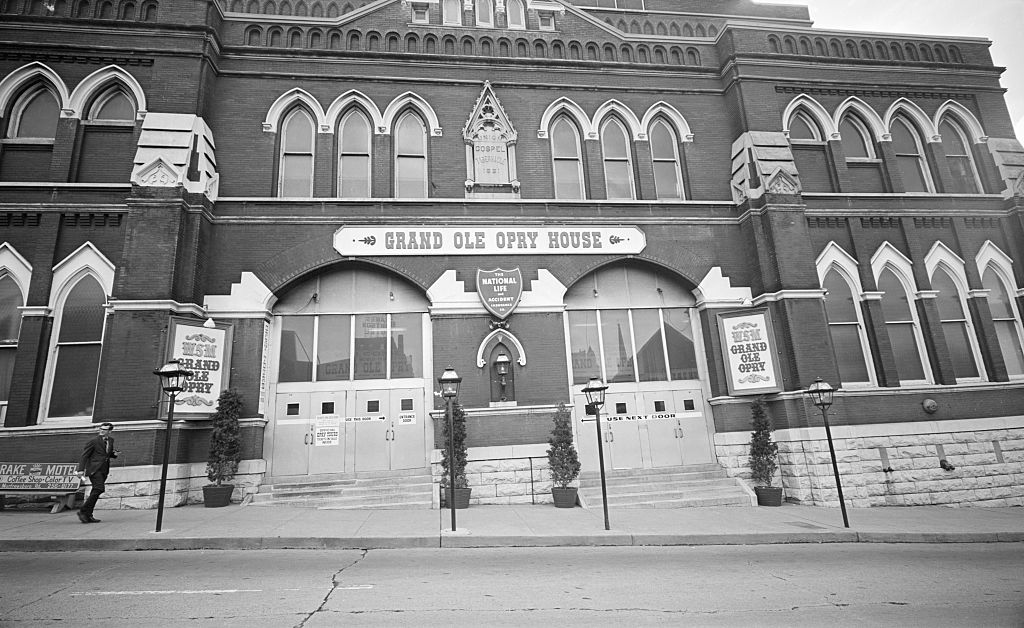
Getty Images
In those first few years, curious fans began showing up in person to watch the show, crowding the hallways of WSM’s fifth-floor studios in downtown Nashville. A 500-seat auditorium was eventually built inside the building to contain the crowds, but even that became too small. In 1934, the show moved to the Hillsboro Theatre, then to the Dixie Tabernacle in 1936, where fans sat on wooden benches. The Tabernacle held more than 3,000 people, which gave the show room to grow, but by 1939, the Opry needed another move. This time, it took over the War Memorial, which had about 2,200 seats. The shows began charging admission, roughly 25 cents.
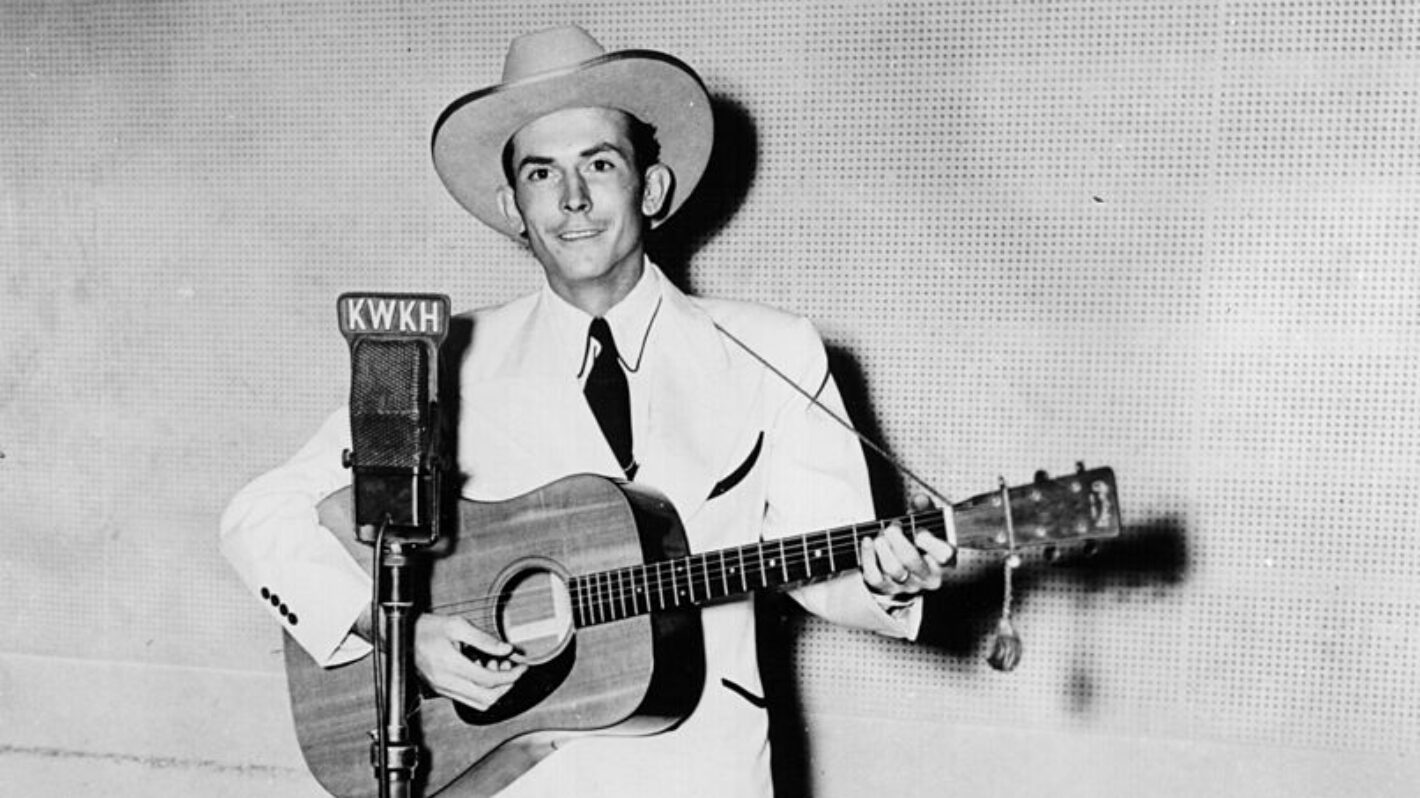
The move that changed everything arrived on June 5, 1943, when the Opry took the stage at the Ryman Auditorium. Those next 31 years would shape the history of country music. The Ryman became the place where careers were launched. In December 1945, Earl Scruggs made his debut with Bill Monroe’s Blue Grass Boys, completing the lineup that created the signature sound of bluegrass. In 1949, a young Hank Williams stepped on the Ryman stage and performed “Lovesick Blues,” earning six encores. Icons Patsy Cline, Johnny Cash, June Carter, and even Elvis Presley all stood under those Ryman lights during those decades.
By March 15, 1974, the Opry had one final night at the Ryman before moving to its new custom-built Grand Ole Opry House at Opryland. When the Opry House suffered major damage in the May 2010 Nashville flood, the show temporarily returned to both the War Memorial and the Ryman, while repairs continued. When the Opry House reopened on September 28, 2010, it entered a new era while carrying every bit of its history.
Today, the Grand Ole Opry continues to broadcast on 650 AM WSM, inviting new generations to listen the same way families did in 1925. As the Opry celebrates its 100th anniversary, it is impossible not to think about that very first show. The WSM Barn Dance was small, but it grew into something that shaped Nashville and country music forever.
 Remind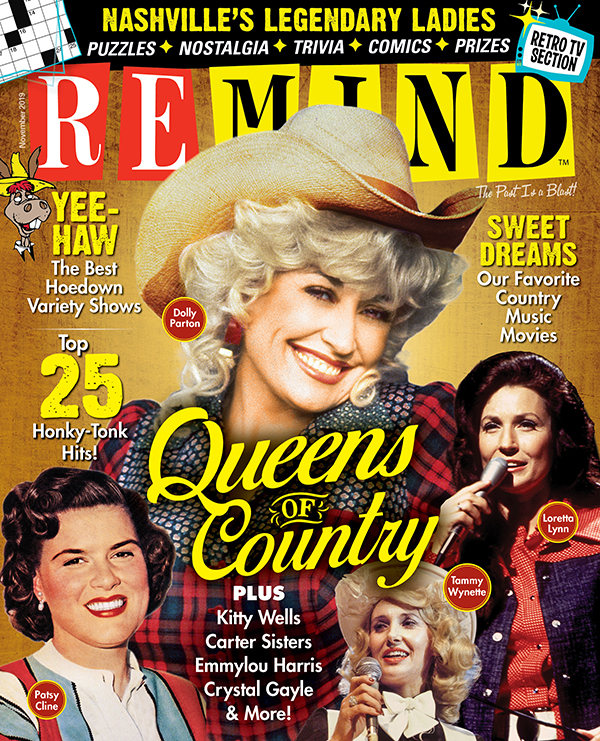
Queens of Country
November 2019
Get your toes-tapping as we give a nod to the queens of classic country music.
Buy This Issue