

Does ‘SNL’ Have a History of Misogyny? A Look at the Complaints From Female Cast Members & Stars





What To Know
- Several actresses and former female cast members, including Jennifer Aniston, Janeane Garofalo, Jenny Slate, Carol Burnett, and Nora Dunn, have described Saturday Night Live as a sometimes toxic work environment.
- Complaints from these women include feeling marginalized, dealing with sexist material, and experiencing emotional distress during their time on the show.
- While SNL has become more inclusive in recent years, the experiences of past female cast members highlight the challenges women have faced on the show.
Was Saturday Night Live a nightmare to work for? According to these former cast members and actresses, the toxic atmosphere was an issue.
In a recent interview with Dax Shepard, Jennifer Aniston revealed that she was offered a chance to join Saturday Night Live during its ’90s heyday, which featured Adam Sandler, Chris Farley, David Spade, Phil Hartman, and Chris Rock, among others. However, according to the former Friend, behind the scenes was a slightly different story than the good-time vibes the cast seemed to project from their comedy.
“The story of that is all very confusing, honestly,” said Aniston. “I don’t know why I had this self-righteous attitude of, ‘I don’t know if women are treated the way they should be treated on this show. It’s very male-dominated. I would love to be here if it was in the Gilda Radner days.’ This is from a brain that semi-remembers things that are back that far. It was something like that.”
“I just remember that then Friends happened. And that’s where I went,” said the actress. “It all works out, ultimately. Everything is sort of meant to be.”
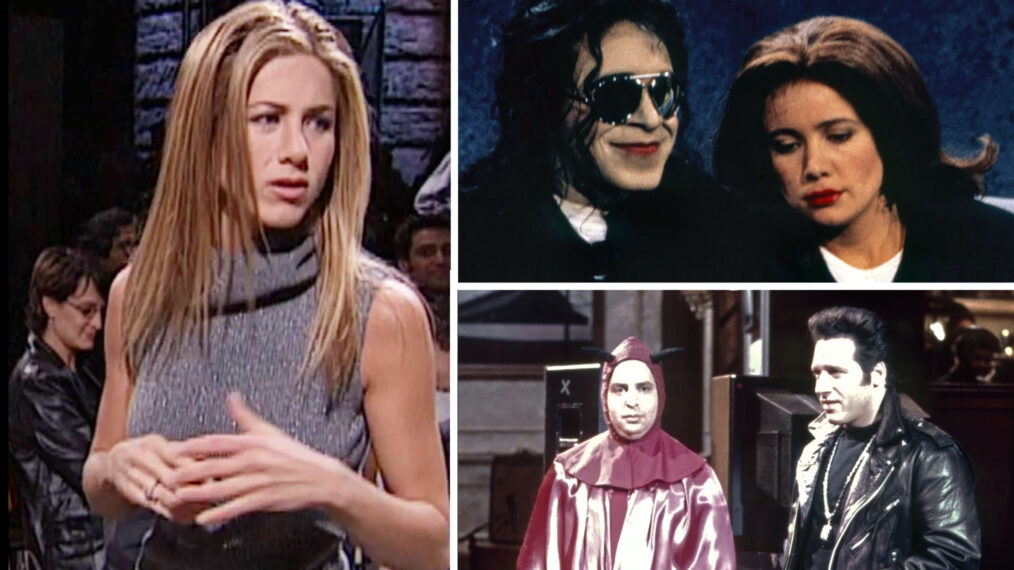
Aniston’s hesitancy to join the Not-Ready-For-Primetime Players was not the first time accusations against the late-night variety show emerged. In 1994, Janeane Garofalo became a repertory player on Saturday Night Live, but even before she could find her footing, she was gone. Garofalo said the show was “the most miserable experience of my life.”
In an article with New York magazine, she details her hardships working with the male-dominated cast, including fighting over her ability to memorize lines versus reading the cue cards, and her objections to the writers over sexist material.
“It’s affected my ego greatly. It’s affected me in ways I never anticipated. A lot of it for the good, and a lot of it has made me gun-shy. Definitely gun-shy. It’s always like you’re kind of wondering, Okay, who’s mad at me today?,” said Garofalo. “I think the show is better, and I’m not just saying that ’cause I’m here. I truly do. But it doesn’t mean I haven’t cried a lot.”

NBC / courtesy Everett Collection
Jenny Slate was only on SNL for one season when she said the “F” word, which caused a kerfuffle on the show, but according to the comedienne, that was not the way she was fired.
“Everyone always thinks I got fired for saying ‘f**k’: I didn’t, that’s not why I got fired. I just didn’t belong there,” she clarifies. “I didn’t do a good job, I didn’t click. I have no idea how [SNL creator] Lorne [Michaels] felt about me. All I know is, it didn’t work for me, and I got fired,” Slate told InStyle.
Nora Dunn was a featured player from 1985 to 1990, and was one of its most vocal critics. Best known for her roles as one of the Sweeney Sisters and her Liza Minnelli impression, she received a lot of pushback when he publicly refused to appear in an episode with stand-up comedian Andrew “Dice” Clay due to his misogynistic attitudes.

NBC / courtesy Everett Collection
“SNL is a traumatic experience. You don’t go camping once a year with your cast. It’s kind of something you have to survive and you really have to learn,” Dunn told Salon.
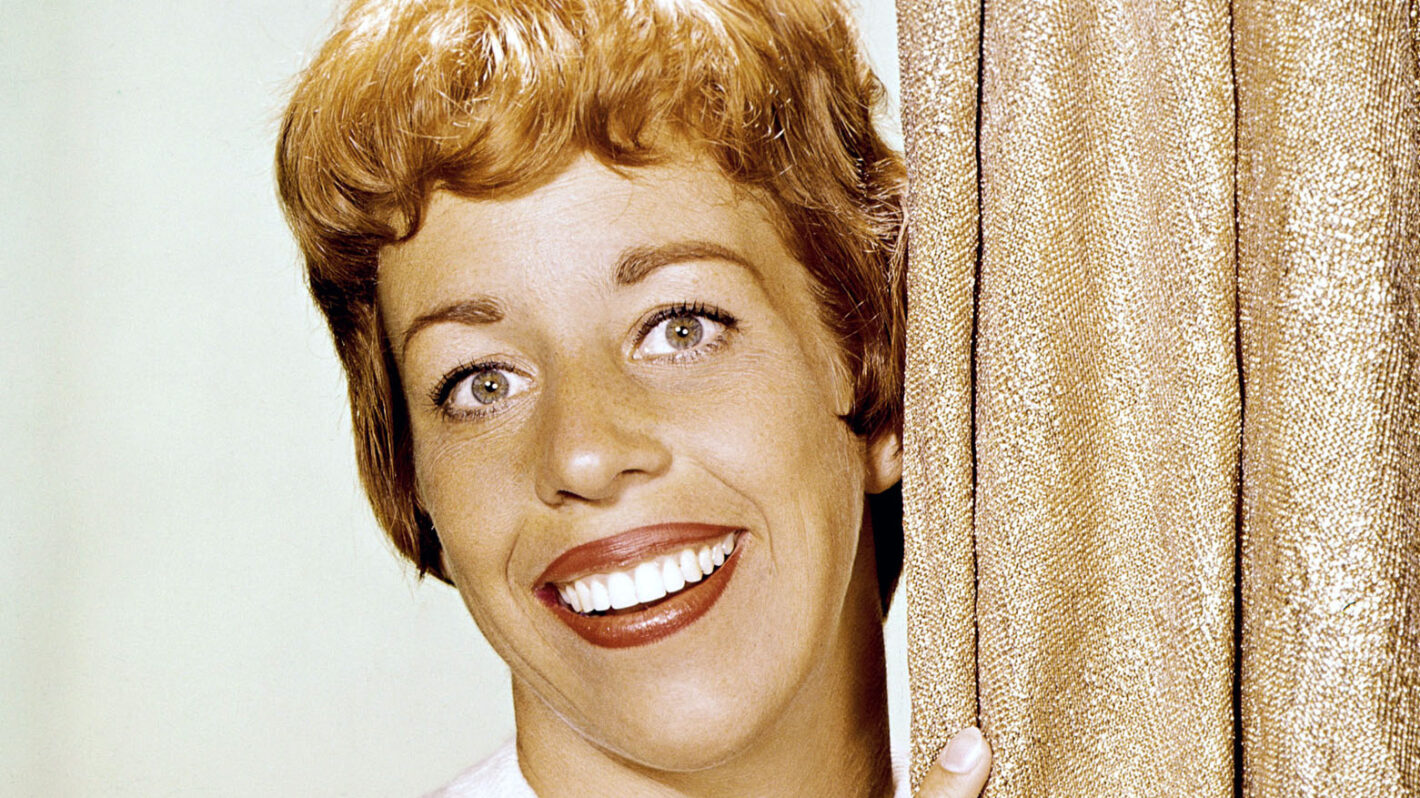
Comedy legend Carol Burnett opened up about never being invited to host SNL. Burnett believed that it had something to do with Lorne Michaels and wondered out loud if she had ever done anything to upset him.
In an interview with The New Yorker, Burnett wondered: “I don’t know what I did to upset that man. Do you think it’s misogynistic?” Though not invited to host, she did appear briefly in 1985, after getting a shout-out by host Harry Anderson.
Though the cast and crew seem to be far more inclusive now, the stories shared by women who came before serve as a reminder that progress sometimes comes at a price.
 Remind