

The Terrifying ‘All in the Family’ Episode That Changed Television





Warning: The following post contains discussions of sexual assault.
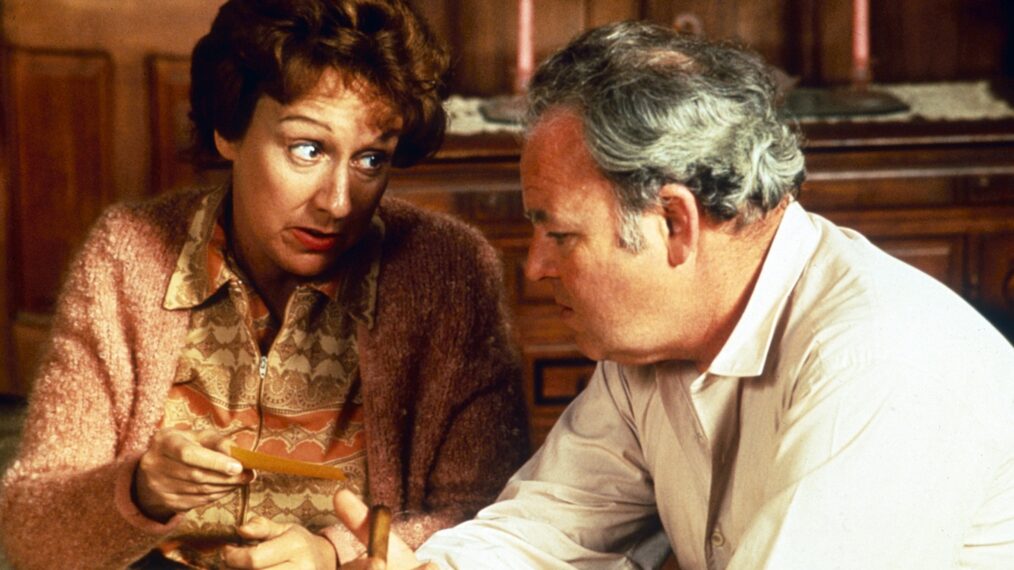
All in the Family, the groundbreaking Norman Lear sitcom that redefined American television in the 1970s, was never afraid to push boundaries. The show was known for tackling social issues head-on, using humor to balance out debates about politics, race, gender, and generational divides. But sometimes, Lear’s creation went even further by shedding the laughs entirely and delivering raw, gut-wrenching drama — as it did in the iconic season 8 episode “Edith’s 50th Birthday,” which was the first episode of network television to deal in-depth with the topic of sexual assault.
Premiering in 1971, the series followed the life of Archie Bunker (played by Carroll O’Connor), a blue-collar Queens resident whose gruff personality, blunt opinions, and outdated values often clashed with those around him. At the heart of the family was Archie’s loving and gentle wife, Edith (Jean Stapleton), his daughter Gloria (Sally Struthers), and her progressive husband Mike “Meathead” Stivic (Rob Reiner).
But in this episode, which aired on October 16, 1977, Lear and crew pushed the show’s mission to new heights, working to change social attitudes in the process.
> Jean Stapleton Was Ready for ‘All in the Family’s Edith Bunker to Die — But Norman Lear Wasn’t
What happened in “Edith’s 50th Birthday”?
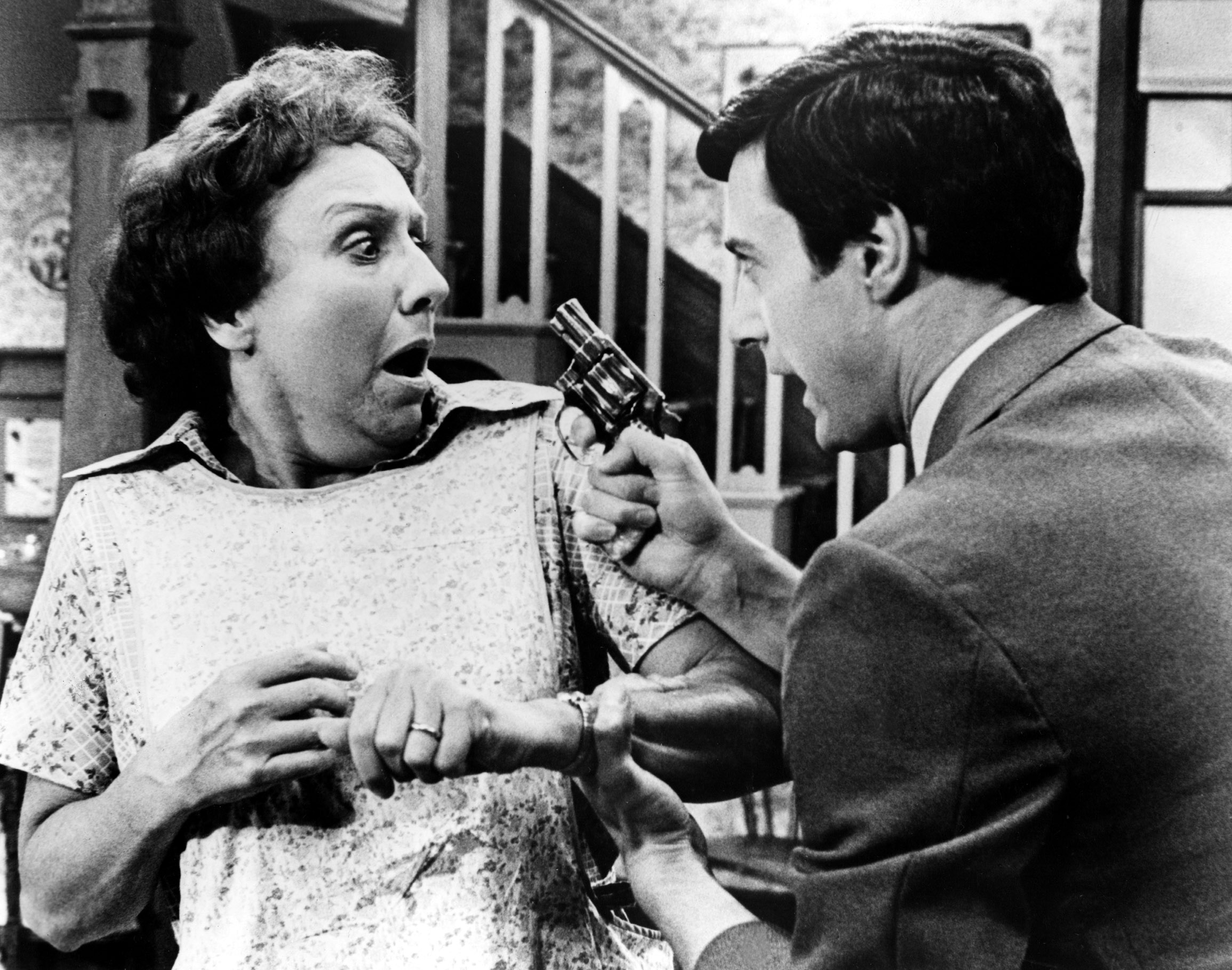
At first, the episode seems like a typical Bunker household celebration. Archie, Gloria, and Mike are preparing to surprise Edith with a party for her milestone 50th birthday. However, things quickly turn sour when Edith is left home alone to get ready while baking a cake. All alone in the house, she’s visited by a detective who is searching for a rapist on the loose, only for him to soon reveal that he is actually the criminal in question.
Everett Collection
What follows is one of the most shocking moments in sitcom history, as the would-be attacker corners Edith in her own home, holding her at knifepoint. In an unflinching and terrifying series of events, the rapist keeps Edith at bay, even hiding in the closet while an unknowing Archie pops into the kitchen (but not before threatening Edith’s life if she warns Archie of his presence).
Edith struggles desperately, trying to talk her way out of danger, but seems poised to be overpowered and victimized. Only the smoky smell of her burnt cake in the oven gives her the momentary distraction she needs to shove the hot pan into her attacker’s face, push him out the door, and dash to her escape through the living room (resulting in what was reportedly the loudest cheers ever heard from the All in the Family studio audience — Lear said “I never heard a bigger sound on television than when Edith got away from the guy who was attempting to rape her. That was an explosion.”).
The second half of this super-long episode (split into two parts for syndication) is equally morose, as Edith grapples with lingering fear, depression, and trauma from this life-changing incident. In a 2017 interview with the Hollywood Reporter, Lear recalled that “For the episode that dealt with Edith’s attempted rape, we consulted a woman who specialized in that area,” Gail Abarbanel, to make sure that Edith’s emotional reaction was true to what someone in her shoes might experience in real life. In a 2015 UCLA interview, Abarbanel recalled Lear calling her and asking, “If you could talk to 40-million people about rape, what would you want to say?”
At first unwilling to cooperate with the police to report the incident, Edith eventually is persuaded to identify her perpetrator after discovering that he’d assaulted another victim, but not before an uncharacteristically ugly argument with Gloria results in a slap to the face of her daughter.
It was a rock-bottom moment for the usually sweet mother that made her realize that she needed to go to the police station and confront the memories she’d been running from for weeks.
The Aftermath of ‘Edith’s 50th Birthday’
Everett Collection
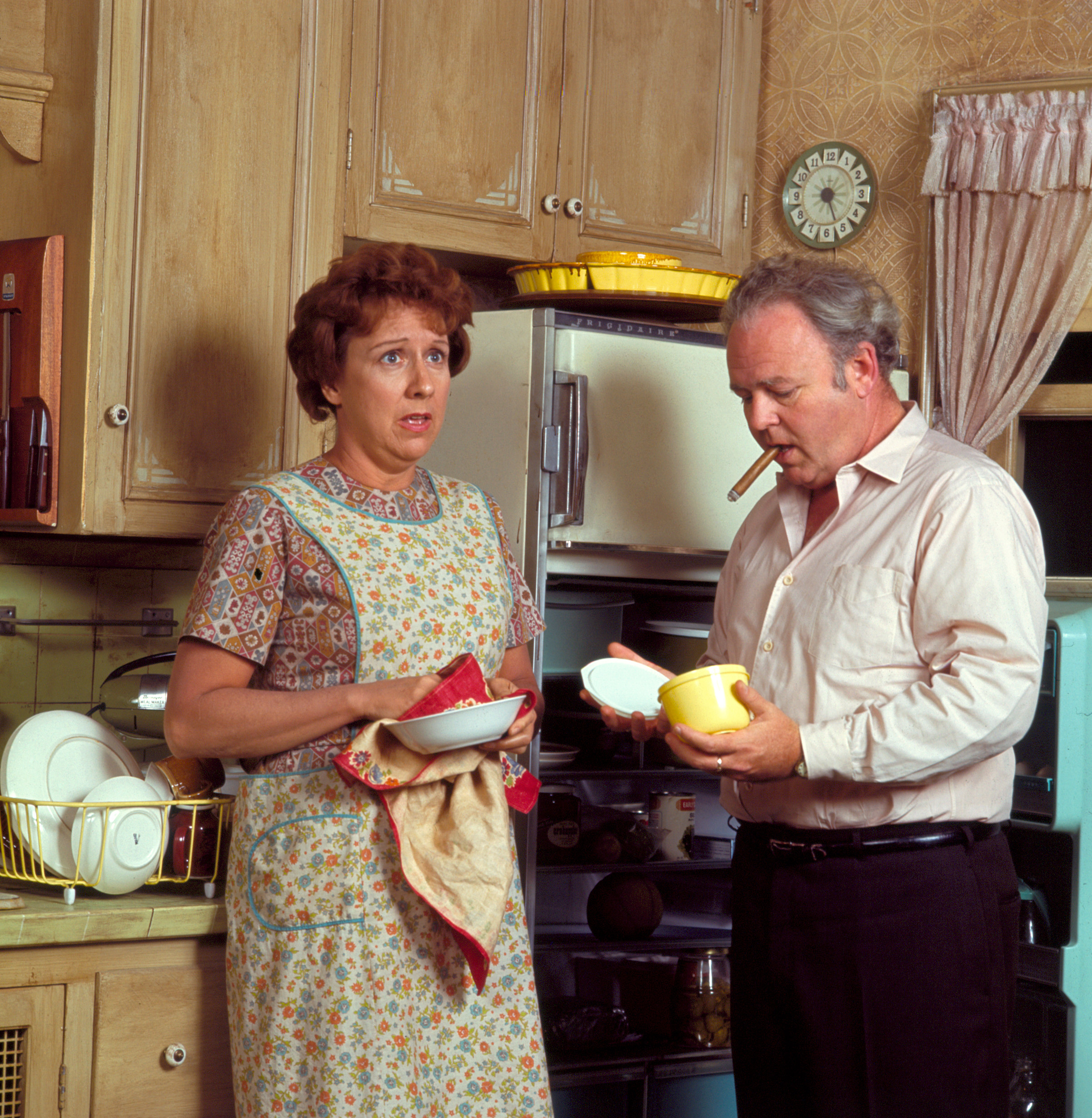
This episode stunned viewers who had grown used to a show heavy on laughs. Instead of a family squabble over politics or dinner table antics, the audience was forced to confront a harsh and very real threat that women face every day.
The power of the episode came not just from the assault itself, but from the unprecedented way that Edith’s trauma was depicted. Though this wasn’t even the first time sexual assault had been mentioned on the show — previously, Edith recalled her own experience with date rape as a young woman, and in another episode, Gloria is nearly attacked outside. But it was the first to go so deeply into the aftermath. Her shaken demeanor, her attempt to mask her pain, and the weight of what she narrowly avoided made it clear that this was no ordinary sitcom episode. Jean Stapleton’s performance remains one of the most powerful in television history, elevating Edith from Archie’s ditzy wife to a fully-realized character whose vulnerability and strength resonated with millions.
By tackling such a serious subject on a prime-time sitcom, All in the Family shattered expectations of what “comedy” could be. It reminded viewers that these characters weren’t just archetypes—they were people we cared about deeply, and seeing them in danger hit painfully close to home.
The Legacy of “Edith’s 50th Birthday”
While All in the Family was never short on controversy or cultural commentary, “Edith’s 50th Birthday” proved just how far the sitcom format could stretch. The episode pushed All in the Family beyond the boundaries of sitcom convention and cemented the series as much more than just a hit comedy. Instead, it was a cultural touchstone that forced America to confront uncomfortable truths.
It also had some immediate real-world impact; Lear reported that due to the media sensation around the episode, Gail Abarbanel, the consultant hired to ensure the accuracy of Edith’s experience “started the Rape Treatment Center in Santa Monica, which has had a huge influence on the issue across the country.” In a 2015 interview, Abarbanel said the episode “really raised the nation’s consciousness.” She also reported that the experience caused Lear to become directly involved in her cause: “He was so moved that he became a founding member of the board and helped us raise money and break the silence about rape to build community support.”
Lear also screened the episode for law enforcement professionals and medical workers across the country, to help counteract stereotypes about what kind of people get assaulted, or how they might behave after being attacked. This was a crime that didn’t just happen to young women alone on the street late at night; it could happen to a sweet matriarch like Edith Bunker, too.
In the end, “Edith’s 50th Birthday” stands not only as one of the most unforgettable episodes in sitcom history, but also as a reminder that television, even in its most familiar and comfortable form, has the power to shock, to provoke, and to raise awareness about the issues and dangers we face every day. It blurred the line between comedy and drama, between entertainment and social commentary, and between laughter and fear.
If you or someone you know is the victim of sexual assault, contact the Rape, Abuse & Incest National Network‘s National Helpline at 1-800-656-HOPE (4673). If you or a loved one is in immediate danger, call 911.
 Remind

TV's Family Dinners
November 2023
Celebrate Family dinner traditions on your favorite feel good TV shows.
Buy This Issue