

Do You Know the True Story Behind Linda Ronstadt’s Hit “Poor Poor Pitiful Me”?





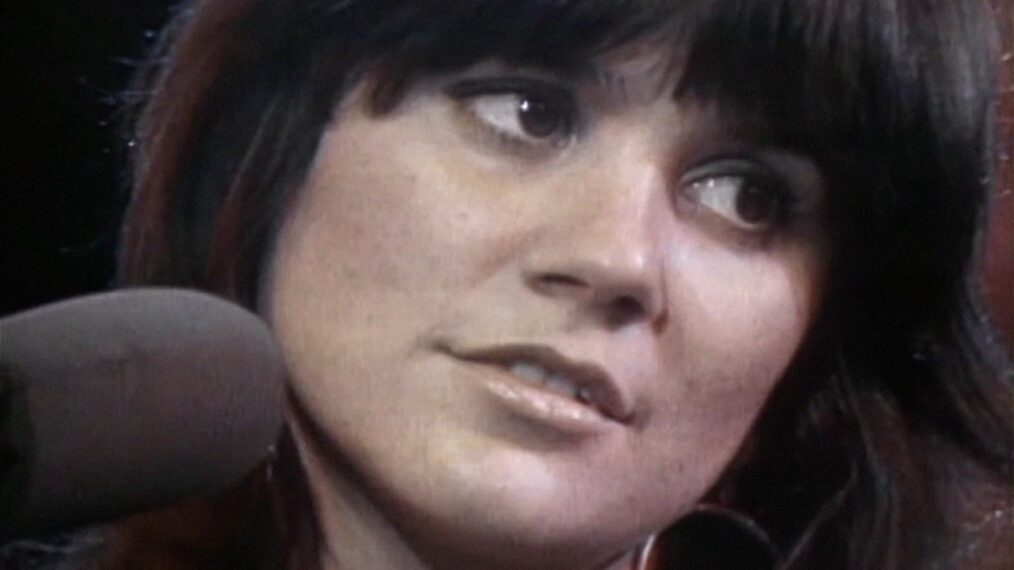
It’s no secret that, though she was one of few women in a mostly male field, Linda Ronstadt — who turns 79 on July 15, 2025 — more than held her own in the West Coast folk rock scene of the’60s and ’70s. A petite, Arizona-born beauty with a powerhouse voice, Ronstadt first grabbed the spotlight as the lead singer of the folk-rock trio Stone Poneys (“Different Drum”) before striking out on her own, ready to bloom wherever she decided to plant herself.
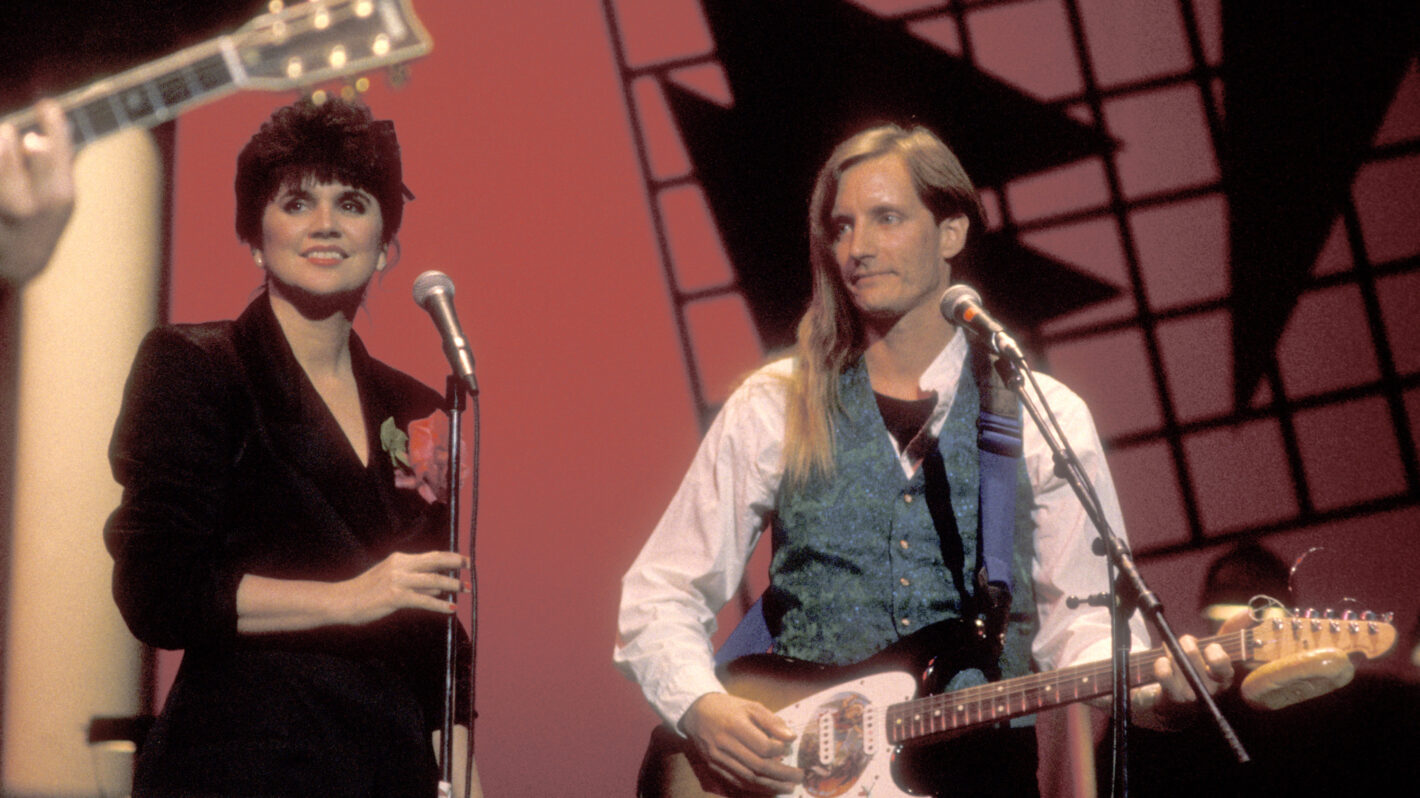
Ronstadt scored her first Top 40 solo hit and a Grammy nomination with 1970’s aching “Long Long Time,” backed by Don Henley, Glenn Frey, Randy Meisner, and Bernie Leadon, who would soon form the Eagles. She and James Taylor harmonized on Neil Young‘s 1972 classic “Heart of Gold.” And she toured with everyone from Young and Taylor to Springsteen, Alice Cooper, and the Doors.
Making her mark in a man’s world
While the 11-time Grammy winner proved she could command respect from her male counterparts without having to shade her sunny nature, that didn’t mean she suffered machismo gladly. When the Eagles — particularly Henley and Frey — publicly dismissed her fame and the major role she played in launching their careers, she held her tongue, but had the men blocked from her shows.
Punk pop icon Elvis Costello learned the hard way, too. Costello ultimately acknowledged that Ronstadt brought his unique brand of songwriting into the mainstream and that Ronstadt’s version of his lovelorn ballad “Alison” “kept petrol in our tour bus at a time when we were sharing double bill with everyone from Talking Heads to Eddie Money for a $1.99 ticket.” But at the time, he called her album Mad Love — on which she covered three more of Costello’s tunes — “a total waste of vinyl.”
Again, Ronstadt publicly laughed off his criticism — and laughed all the way to the bank. Mad Love debuted at No. 5 on the Billboard, climbed to No. 3 and went platinum. The disc also featured three Top 40 singles — “How Do I Make You,” “I Can’t Let Go,” and “Hurt So Bad” — none of which were Costello’s work.
“In very different times, my reaction to having my songs recorded by other singers was downright suspicious, territorial and, at times even a little hostile,” Costello would eventually admit. “To say the least, I lacked grace.”
But not all of Ronstadt’s disputes resulted in discord.
Won’t these boys just let her be
A fine example is her 1977 revamp of Warren Zevon’s “Poor Poor Pitiful Me,” a supposed jab at their fellow singer/songwriter Jackson Browne‘s navel-gazing songwriting style. Ronstadt admired Zevon and even made his work the title track of her 1976 album Hasten Down the Wind. When Browne himself suggested she also cover “Poor Poor Pitiful Me,” Ronstadt took a closer look at the lyrics and had some thoughts.
“To me that song seemed like the purest expression of male vanity,” she said in an interview with the U.K. music magazine Sounds. “[They] step on you, be insensitive, be unkind and give you a hard time, saying ‘Can’t ya take it?! ‘Can’t ya take it?!’ Then if you tease men in the slightest bit, they’ll just walk off with their feelings hurt, stomp off in a corner and pout. That’s the way men are, I swear.”
The song didn’t sound like anything Ronstadt would sing, at least not as is, and she thought her fans would say so.
With Zevon’s blessing, Ronstadt made the song’s hapless narrator female, gave her some guts and, especially, changed a verse — the original version, the fellow had previously been roughed up by a gal and didn’t want to discuss it; in Ronstadt’s version, the singer’s prospective paramour instead begs, “Please don’t hurt me, mama.”
“I thought the verse turned around to a female point of view was just perfect,” Ronstadt said. “The gender change works perfectly.”
Zevon’s version never charted, but Ronstadt’s take marked the highest debut on the Billboard Hot 100 chart for the week of January 28, 1978, coming in at No. 31. Best of all, she and Zevon stayed lifelong friends.
“We were always so connected,” Ronstadt told Dig in a 2023 interview. “In LA, I moved into his apartment and took it over. I knew him by reputation, because he was at the Troubadour club a lot. He wrote such beautiful songs.”
Which take on “Poor Poor Pitiful Me” is your favorite? Have any other treasured Ronstadt covers? Let us know in the comments below!
 Remind
Where Are They Now? Music Legends
July/August 2025
They rocked and rolled us, they shredded, they head-slammed and they crooned, but what happened to them and where are they now?
Buy This Issue