

How to Celebrate Festivus … the Holiday for The Rest Of Us!





What To Know
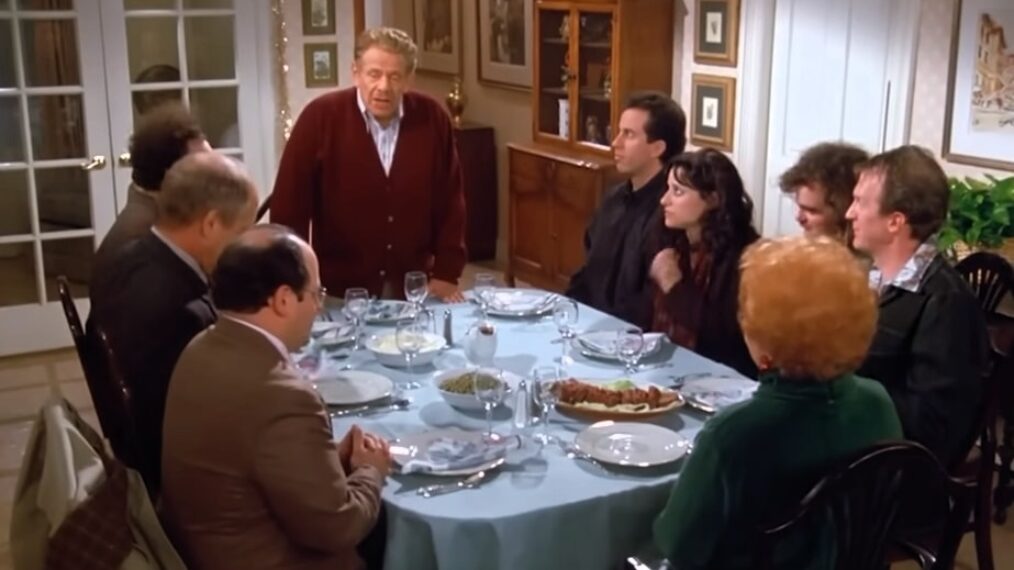
- Festivus, popularized by a 1997 Seinfeld episode, was originally invented by writer Dan O’Keefe’s father as a quirky family tradition with unique rituals.
- The O’Keefe family’s version of Festivus included mysterious symbols like a “clock in a bag” and unusual activities, differing from the Seinfeld portrayal.
- To celebrate Festivus in the Seinfeld style, set up an aluminum pole, serve meatloaf on lettuce, air grievances, and finish with the Feats of Strength, all on December 23.
The pressure over the holiday season can be overwhelming — too many gifts to buy, dinners to prepare, annoying family members that you’re pressured to mingle with. This year, why not air your grievances and see who is the strongest family member instead, as you celebrate Festivus on December 23.
Read on to find out how the famous Seinfeld–related holiday was created, and how you can celebrate it in peak Costanza style.
When was Festivus invented?
The holiday of Festivus was made popular by the Season 9 Seinfeld episode “The Strike,” which aired on December 18, 1997. Seinfeld writer Dan O’Keefe brought the holiday to our sitcom screens, inspired by his own life. O’Keefe’s father invented the holiday — but the version his family celebrated was quite different from the version the Costanzas celebrated, with many odd twists.
“It was designed originally to commemorate his first date with my mom, I believe the story goes,” O’Keefe revealed in a 2021 episode of the Venture Voice podcast. “And then it sort of metastasized into this weird thing he celebrated with his family through the ’70s and ’80s.”
According to O’Keefe, his father’s oddball personality was prominently on display when it came to how the family celebrated Festivus: “His personal quirks of being an overeducated alcoholic from a very working-class background who was out of his mind and obsessed with Samuel Beckett led the actual original holiday to have some very odd quirks — like using an ancient cassette recorder he had liberated from the Reader’s Digest, where he worked, to tape record all of us talking about the previous year, and then playing them the next year, and then playing the tapes of us listening to it, as in the [Samuel Beckett] play Krapp’s Last Tape. It would be very strange.”
On Seinfeld, Festivus is celebrated each year on December 23 but O’Keefe said his family would treat it as a floating holiday tradition.
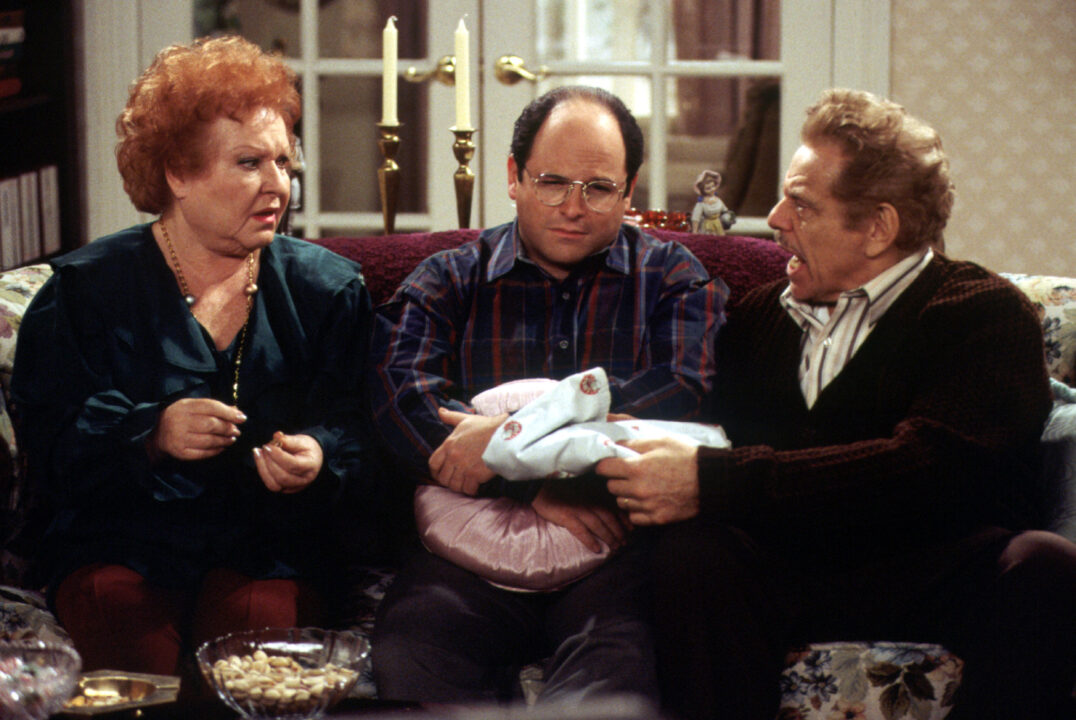
Columbia TriStar Television/Everett Collection
According to the 2015 book Festivus: The Book, “The O’Keefe Festivus had symbols and props which weren’t in the Seinfeld version of the holiday. For example, one of the main symbols of the holiday was a ‘clock and a bag,’ and sometimes a clock ‘in’ a bag. The significance of the bag and the clock was unknown. Apparently, when the O’Keefe siblings would ask about the meaning, Daniel O’Keefe Sr. would simply reply, ‘That’s not for you to know!’ How mysterious!”
The phrase, “A Festivus for the Rest of Us,” actually has quite a sad backstory. It was a motto that the family used after the death of the older O’Keefe’s mother, to signify a party for the living.

Everett Collection
At first, O’Keefe fought against using the made-up holiday on the show but the writers and Jerry Seinfeld thought it would be hilarious. Turns out, they were right!
How do you celebrate Festivus?
If you want to celebrate Festivus this year by the Seinfeld rules for the holiday, you’ll want to set up an aluminum pole in place of a tree, prepare a Festivus dinner of meatloaf served over lettuce, engage in the traditional Airing of Grievances, and then participate in the Feats of Strength, in which a guest must pin the host.
Happy Festivus! And if you need a little reminder, check out the clip below.
Home For The Holidays
November 2021
Celebrate the holidays with your favorite classic stars!
Buy This Issue