

Whatever Happened to the Big Wheel, the Iconic Toy of the 1970s?


What To Know
- The Big Wheel became a massive toy sensation in the 1970s due to its unique design and affordability.
- Despite its disappearance from the market, the Big Wheel remains a nostalgic icon and was inducted into the National Toy Hall of Fame in 2009.
If you were a kid during the 1970s, it’s likely that you or, if you weren’t so lucky, one of your friends had a Big Wheel.
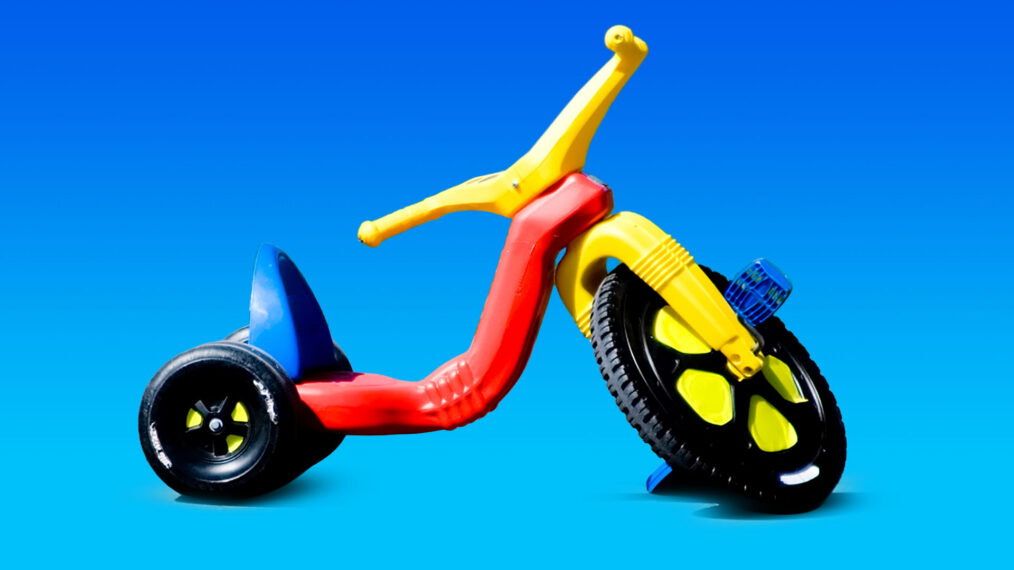
Introduced in 1969 by the Marx toy company, the Big Wheel did something that many kids (and grown-ups) thought impossible. It took the humble tricycle and somehow made it cool. How did they do it? By redesigning it into a low-riding, bright red, blue, and yellow, durable, all-plastic dragster that even older kids looked at enviously.
Writing on his Go Carlife blog, auto enthusiast Mo Maruf said this about the classic toy: “Its simple design made it cheap to produce and easy to ride, and the plastic construction meant it could take a beating.”
The Big Wheel sat barely four inches off the ground. Riders did not sit on it; they sat in it. The bucket seat braced against the rider’s lower back with legs stretched straight out toward the large 16-inch front tire, which meant that tipping a Big Wheel over was nearly impossible. Later on, a handbrake was added. Pulling the brake locked the right rear wheel, sending the entire rig into a wild 180-degree spin on the pavement. So much fun!
During the ’70s, Big Wheels were everywhere. They topped holiday wish lists, sold millions of units, and inspired countless imitators. It truly was a massive toy triumph. So, what happened to it? Why aren’t youngsters still riding around in these things today?
Well, the answer comes down to a number of factors. First came the oil crisis of 1973. As previously mentioned, Big Wheels were composed almost entirely of plastic. When petroleum prices quadrupled, the cost of manufacturing these large, hollow-body toys went through the roof as well. So, in 1972, Marx sold its toy company to Quaker Oats for around $54 million.
While Quaker Oats understood breakfast cereal, it’s probably fair to say that they didn’t know much about toys. Their toy division lost a bunch of money for the next few years, and in 1976, they threw in the towel and sold Marx to a British company.
The new owners inherited crushing debt, high inflation, and stiff competition from rival toymakers, which released their own knockoffs like the Power Cycle. By the winter of 1979, the new owners could not meet their loan obligations and production of the Big Wheel halted.
These days, former Big Wheel owners, now much older, think back fondly on the amazing toy that made their summers an absolute blast.
In 2025, writing for The Guthrie County Times Vedette, publisher Shane Goodman said this: “I am hoping they will create a full-size model for adults. Admit it. That would be fun. Just don’t get tempted by the Evel Knievel ramp.”
The National Toy Hall of Fame inducted the Big Wheel into its permanent collection in 2009, cementing its place in childhood history alongside the Frisbee and the Yo-Yo.
 Remind
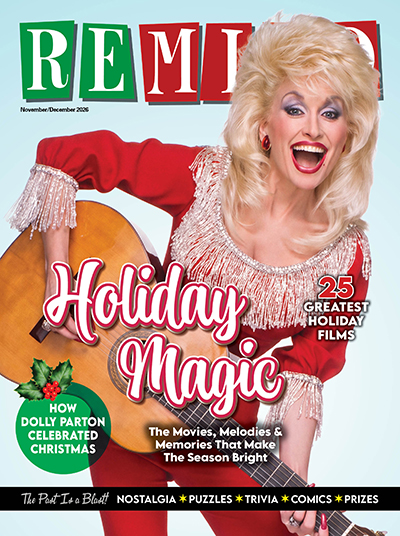
Holiday Magic
November/December 2026
Celebrate some joyous traditions of the holidays with a look back at fun catalog fashions, heart-tugging movies and more.
Buy This Issue