

The History of ‘The Skeleton Dance,’ Disney’s First ‘Silly Symphony’





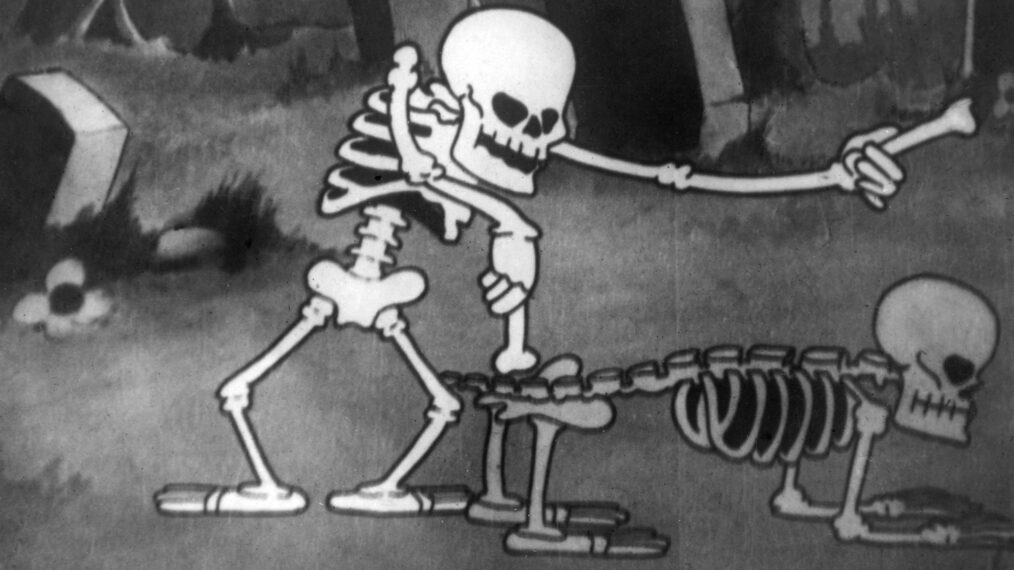
In 1929, Walt Disney released a cartoon about four skeletons who rose from their graves to dance. They pulled off their own bones, played music, and hurried back underground when morning arrived. The Skeleton Dance was the first entry in Disney’s Silly Symphonies series, which would later produce some of the studio’s most memorable early animated shorts. Released in August 1929, the black-and-white cartoon was unlike anything else at the time.
It became an experiment that helped Disney explore what animation could do beyond its usual cartoon stars.
How did Disney come up with The Skeleton Dance?
Everett Collection
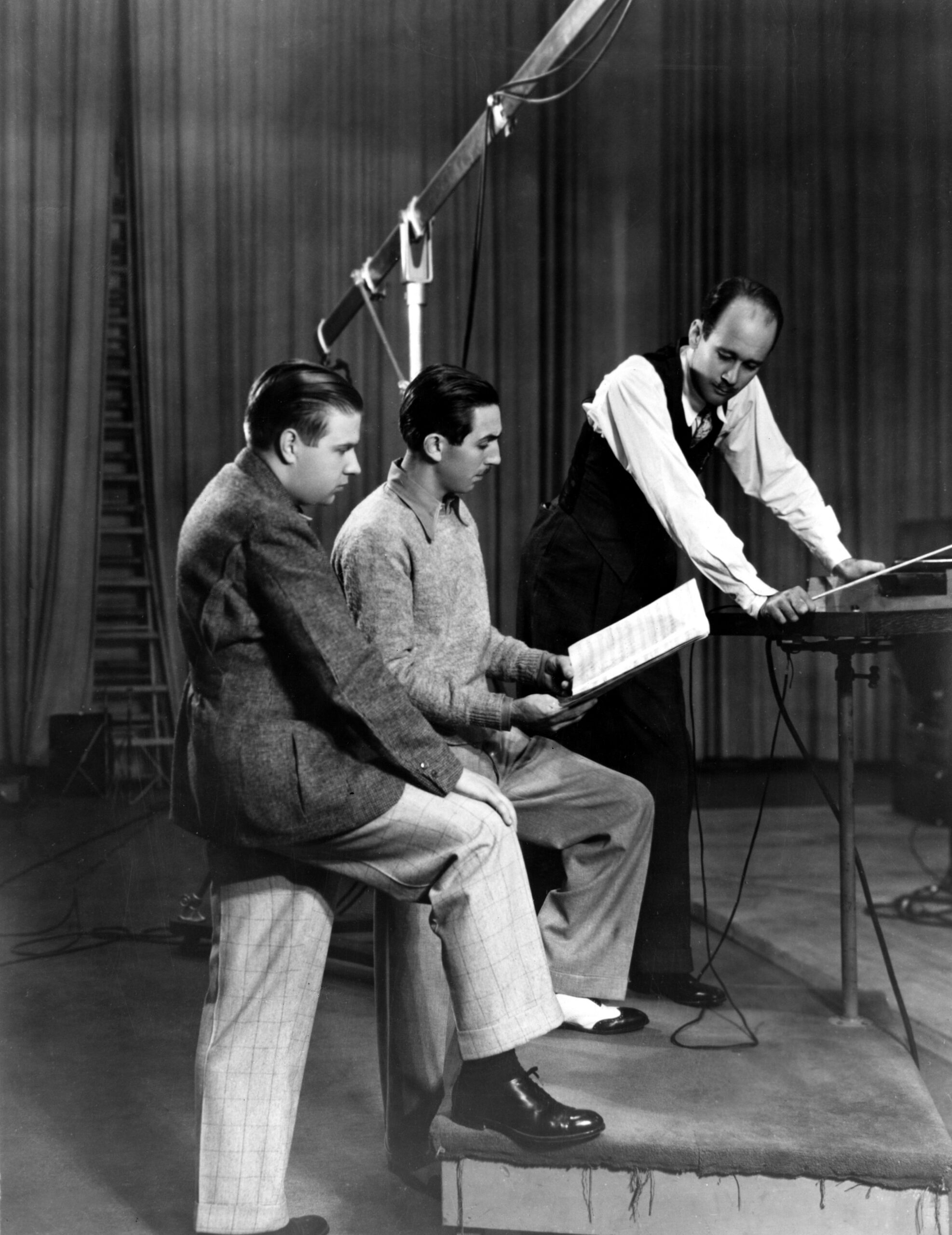
The idea actually came from composer Carl Stalling, who suggested making a series of cartoons built around music. Each short would have its own characters rather than using Mickey Mouse or another recurring star.
According to The Walt Disney Family Museum, the idea was already being discussed in September 1928, before Steamboat Willie made its theatrical debut. In a letter to animator Ub Iwerks, Disney wrote, “Carl’s idea of the Skeleton Dance for a Musical Novelty has been growing on me. I think it has dandy possibilities.” Iwerks ended up doing almost all the animation himself, spending roughly six weeks bringing the skeletons to life. Walt Disney directed the short, while Stalling handled the music.
Camille Saint-Saëns’ Danse Macabre originally inspired the score, although none of that composition made it into the finished cartoon. Instead, Stalling used music from Edvard Grieg’s March of the Dwarfs along with his own original material, according to the museum’s history of Disney’s early music.
What happens in The Skeleton Dance?
The cartoon opens in a cemetery at night, with an owl, bats and a howling dog helping set the mood. Two cats also get into a fight before the skeletons make their appearance. One skeleton emerges from a grave and soon has three companions. The four begin dancing together, twisting their bodies and pulling off bones as the music plays.
In one of the cartoon’s most memorable scenes, a skeleton uses another skeleton’s spine as a xylophone. When a rooster announces the arrival of morning, the four scramble to get back into their grave. Although it only runs about five and a half minutes, the cartoon took months to reach audiences. Disney had trouble finding a theater willing to show it, according to the Walt Disney Family Museum. It eventually played at the Carthay Circle Theatre in Los Angeles before receiving wider distribution later that summer. Disney’s official D23 history dates its release to August 22, 1929.
Why was The Skeleton Dance important to Disney?
Everett Collection
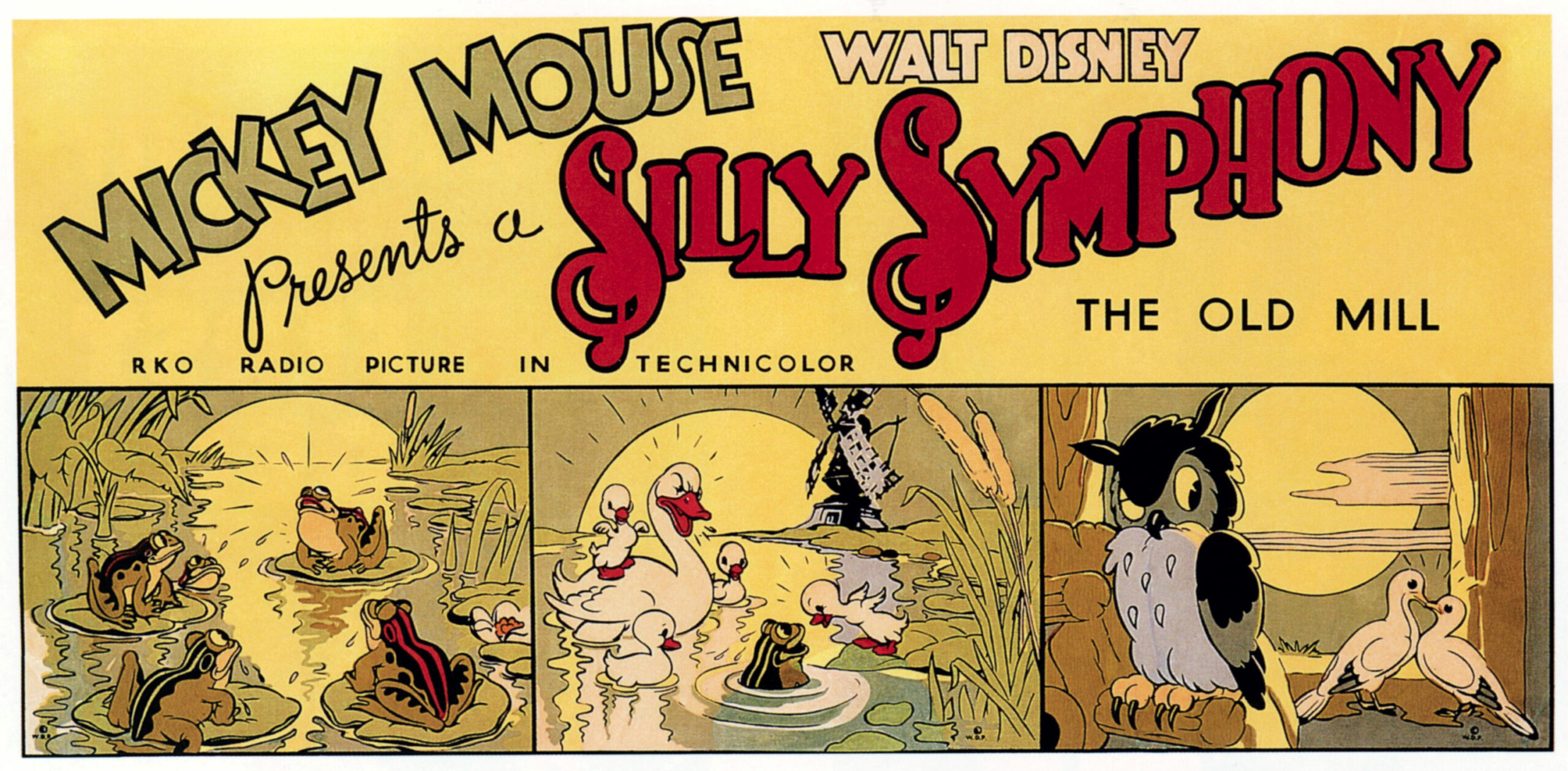
The cartoon launched a series that would eventually include 75 Silly Symphonies released between 1929 and 1939. The shorts gave Disney’s animators a chance to try different stories, characters and techniques without having to build every cartoon around Mickey Mouse.
Among the later entries was 1932’s Flowers and Trees which helped introduce Disney audiences to the studio’s color animation. It also won the first Academy Award for Best Short Subject, Cartoon. Another Silly Symphony, 1937’s The Old Mill, used Disney’s multiplane camera to create a greater sense of depth in its animation.
In fact, Disney’s official history of the series credits the cartoons with helping prepare the studio’s artists for feature-length animated films. Seven Silly Symphonies won Academy Awards during the series’ run. The Skeleton Dance has also remained available to new audiences. In 2023, Disney included the short in a collection of restored classic cartoons released on Disney+.
 Remind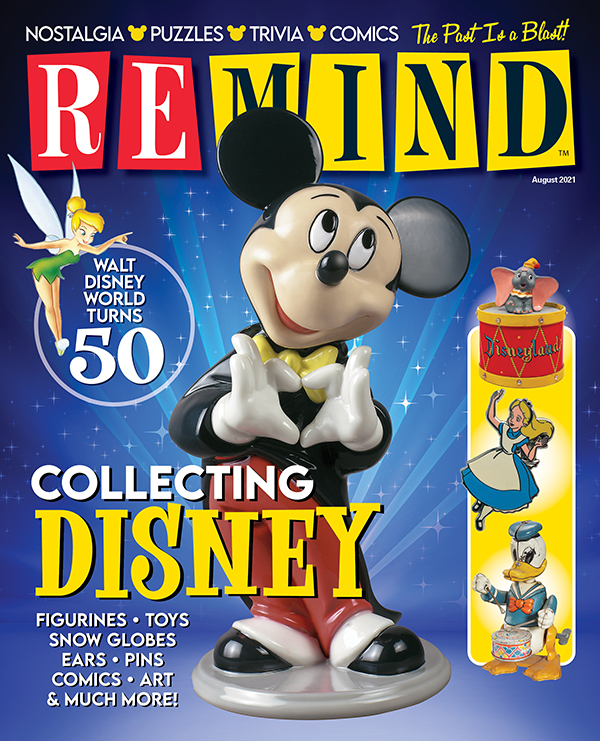
Collecting Disney
August 2021
Celebrate the magical world of Disney collectibles
Buy This Issue