

8 Things You Probably Didn’t Know About The Bee Gees (But Should)


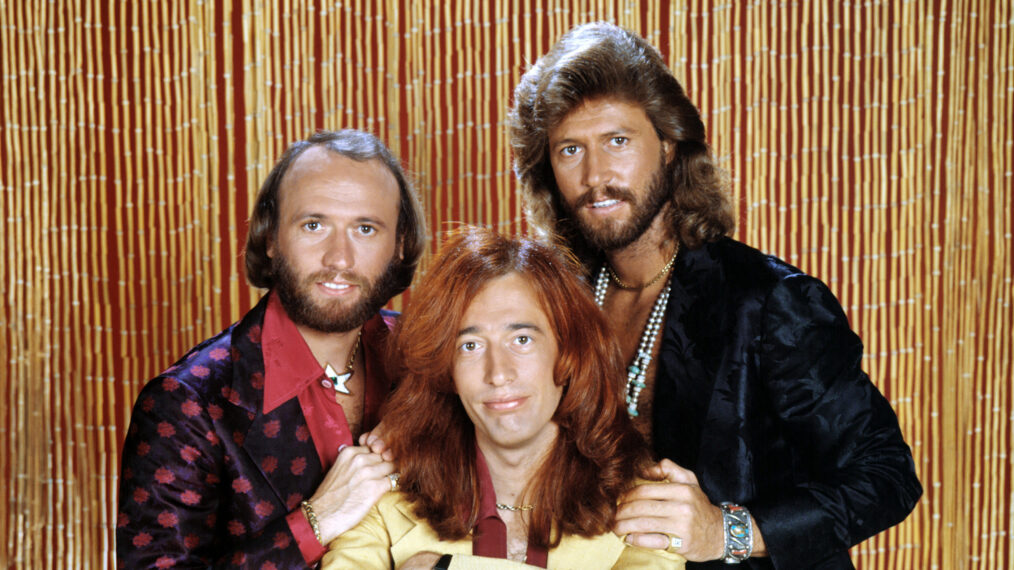
In the late 1970s, much of the nation was enraptured by every chord and syllable that the Bee Gees produced thanks to the Saturday Night Fever soundtrack, which dominated the U.S. album chart for the first half of 1978 for 24 weeks at No. 1.
Though the brothers Gibb — Australian imports born into a poor but musical family on Britain’s Isle of Man — will eternally be the crown princes of the disco era, true fans know they were also genius songwriters whose musical hearts beat loudest for the raw emotion and complex rhythms of R&B and soul, and who provided chart-topping hits for everyone from Diana Ross to Dionne Warwick to Dolly Parton.
With the last remaining member, Barry, just turning 80 on September 1, here are 8 more things you (probably) didn’t know about Barry, Maurice, and Robin Gibb.
1 Where did their name come from?
Everett Collection
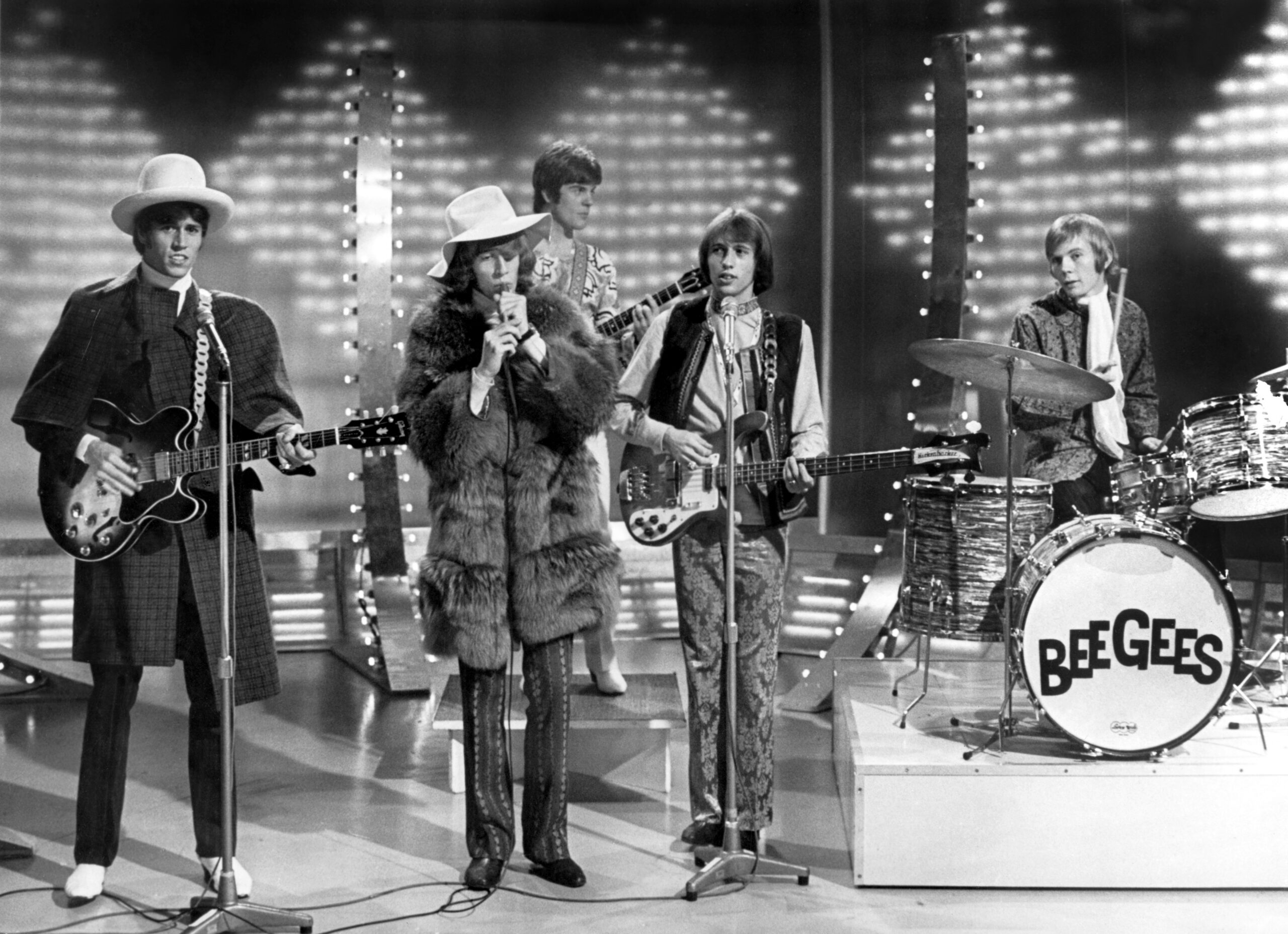
Contrary to what you might think, “Bee Gees” isn’t short for “Brothers Gibb.” Instead, B and G are the shared initials of Australian speedway promoter Bill Goode, who let the preteen Gibb boys serenade race fans for spending money, and disc jockey Bill Gates, who first recorded and broadcast the boys.
The pair became the brothers’ first managers and promoters, courtesy of a handcrafted contract signed on their parents’ kitchen table in Redcliffe, Australia, where the family had moved from England for dad Hugh’s career … well, and little Robin Gibb’s very bad habit.
2 Their creativity started at a very young age
Newspix/Getty Images
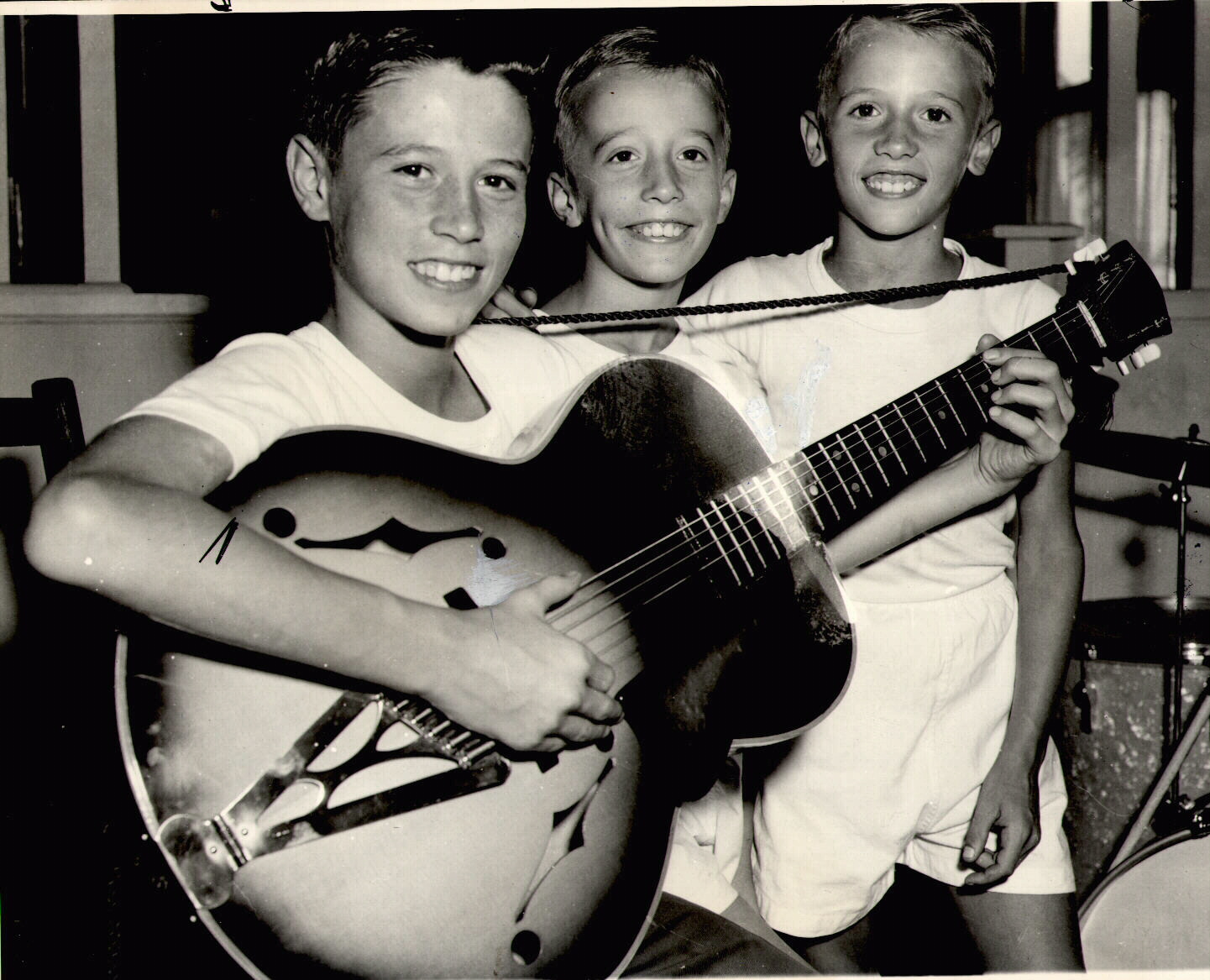
Though he seemed like the most introverted of the brothers, Robin (who was twins with Maurice) had a lively youth. Nicknamed “firebug” by his (arguably under-alarmed) mother, a very young Robin liked to set stuff like construction site barriers and his pajamas aflame. This prompted the police in Manchester, where the family lived at the time, to suggest they leave the country.
An underage Robin also plotted a screenplay called “Family Tree” about a fellow named John Family whose grandpa tries to blow up Trafalgar Square with a bomb wrapped in underpants. And the elder Gibb twin, Maurice, convinced a local music magazine that he would lead a 97-piece orchestra and 60-piece choir in the creation of music inspired by the Apollo 11 moon landing.
3 They had a thing for animals in band names
Among the brothers’ previous band names: the Rattlesnakes and the Blue Cats, as well as Wee Johnny Hays.
4 They often got confused with the Beatles
In their early days, radio disc jockeys and music fans often mistook the Bee Gees for the Beatles, which the band’s manager, Robert Stigwood — who would eventually make them superstars via Saturday Night Fever — used to their collective advantage. He sent one of the band’s first singles, “New York Mining Disaster 1941,” to stations trusting in a plain white label and let the music make his act a hit.
5 Sometimes breaking up is the best thing to do

Sydney O’Meara/Getty Images
As egos raged and tensions boiled, the Bee Gees broke up briefly in 1969 — but the split led to two of their best-loved hits. While you might think that “Lonely Days” and “How Can You Mend a Broken Heart” were the result of romantic heartache, according to Maurice Gibb, the former summed up the brothers’ doldrums and depression during their estrangement, and the latter captured their wistful relief at reuniting.
6 One of their hits was intended for Otis Redding
Nonetheless, the Gibbs first offered “Broken Heart” to popular crooner Andy Williams, who eventually did record the song after the Bee Gees made it a hit. The brothers also penned their 1967 hit “To Love Somebody” for Otis Redding, but the soul icon died in a plane crash before he could record it.
7 Eric Clapton played career advisor to them
You can credit gritty-voiced rocker Eric Clapton for the Bee Gees’ signature falsetto sound. In the 2020 HBO documentary How Can You Mend a Broken Heart, Barry Gibb reveals that Clapton urged the brothers to go to sunny Miami and tap into the American music scene. The band watched Soul Train, leaned into their R&B roots, and, when the producer of their 1975 smash “Nights on Broadway” asked for screaming as a little something extra, Barry tested the upper register of his voice and ushered in a new era of Bee Gees music.
8 They almost passed on their biggest hit album
The Bee Gees were in a career slump, working on their 1975 album Main Course, and not the least bit interested in scoring a movie when Stigwood came to them about a low-budget flick he was making. Then called Saturday Night, the film was culled from a New York magazine piece called “Tribal Rites of the New Saturday Night” about the burgeoning disco and club scene in New York City.
Without reading the script, the Bee Gees offered Stigwood three songs from their fledgling album — “Stayin’ Alive,” “How Deep Is Your Love” and “Night Fever” (“More Than a Woman,” “You Should Be Dancing,” “Jive Talkin’” and Yvonne Elliman’s “If I Can’t Have You” would come later) — and cemented the band, film and soundtrack deep in pop culture history.
This article appeared in the July 2023 Disco Issue of ReMIND Magazine. You can purchase the full issue at the link below.

 Remind

Disco
July 2023
Return to the days when we boogie-oogie-oogied till we just couldn’t boogie no more!
Buy This Issue