

From ‘Charlie’s Angels’ to ‘Wonder Woman’: Why 1976 Was a Huge Year for Women on TV





What To Know
- The fall of 1976 marked a turning point in television, with women taking center stage.
- Charlie’s Angels became an instant cultural phenomenon despite criticism for its focus on glamour.
- This period also saw the rise of more nuanced and socially conscious programming.
Happy days, quite literally, were here again for a nation watching TV in the banner year of 1976.
The dark shadows of Watergate and the Vietnam War were fading, and America celebrated its 200th birthday all year long with “Bicentennial Minutes” among other patriotic offerings. Yearning for simpler, if not always more joyous, times prevailed in popular series including the Depression-era drama The Waltons and the pioneer-era Little House on the Prairie. Viewers merrily escaped into nostalgia from a more recent past generation as they embraced the 1950s sitcom shenanigans of Happy Days and its brash new spinoff, Laverne & Shirley.
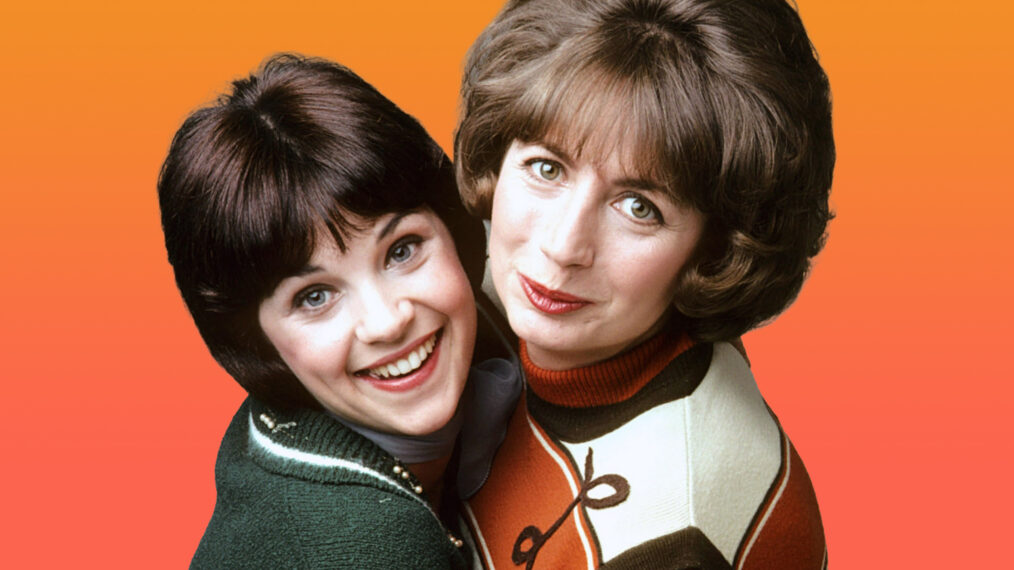
With the nation heading into its third century, its most popular medium had advanced far beyond the rigid stereotypes of its earliest ’50s programming — and nowhere was this more evident than in TV’s depiction of women. It’s no accident that the catchy theme song for Laverne & Shirley, featuring those spunky Milwaukee roommates (played by Penny Marshall and Cindy Williams), beginning with the words, “We’re gonna do it,” echoed the “You’re gonna make it after all” anthem of The Mary Tyler Moore Show, which was the year’s undisputed Emmy champion entering its final season.
Everett Collection
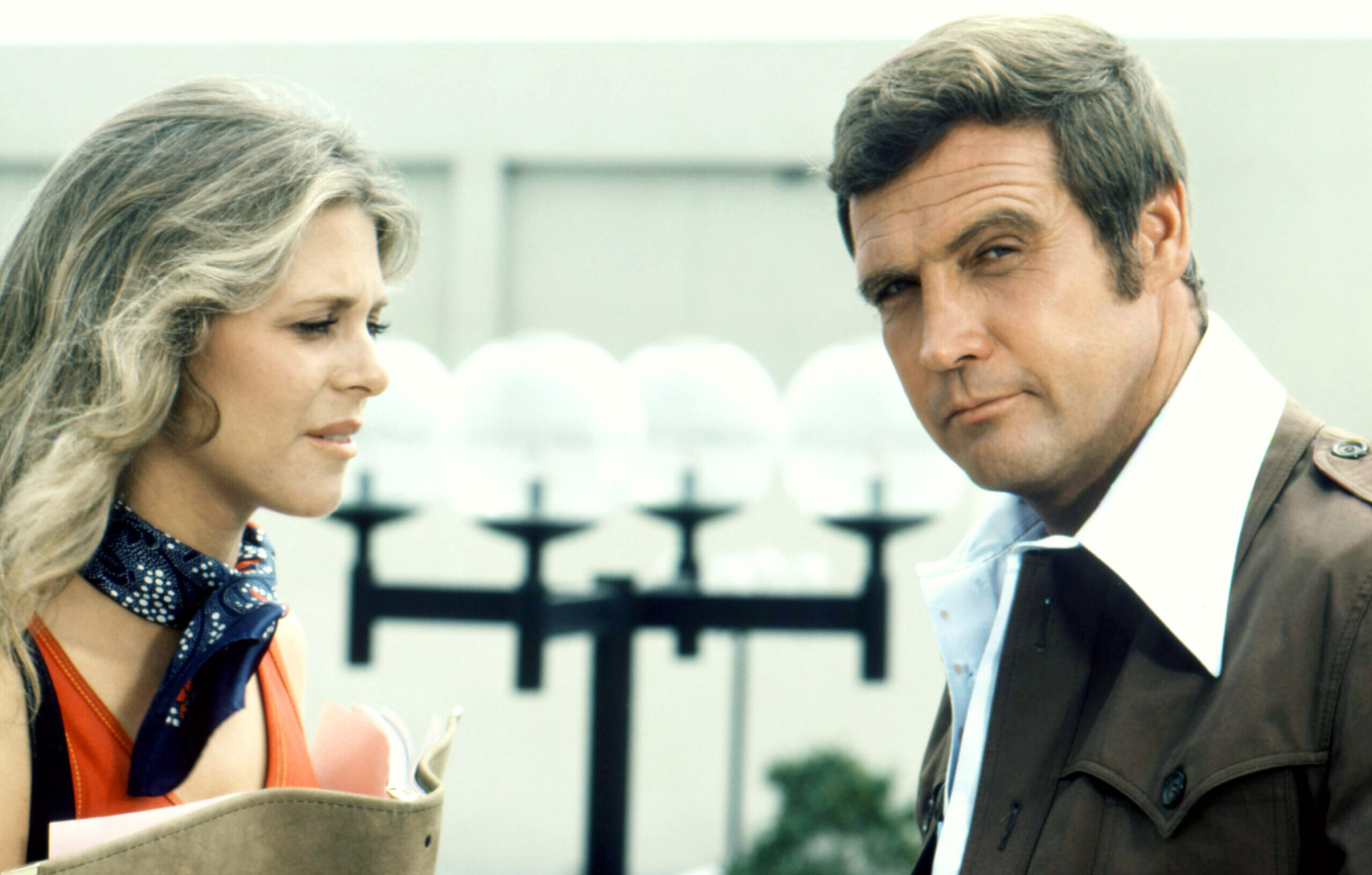
Women of all sorts had already made their mark in primetime: Mary Tyler Moore’s career gal Mary Richards, Bea Arthur‘s outspoken Maude, Angie Dickinson‘s intrepid Police Woman Pepper Anderson. Lindsay Wagner‘s soulful The Bionic Woman successfully spun off from The Six Million Dollar Man in January, and by December, after several false starts, Lynda Carter‘s sexily superpowered Wonder Woman was airing weekly.
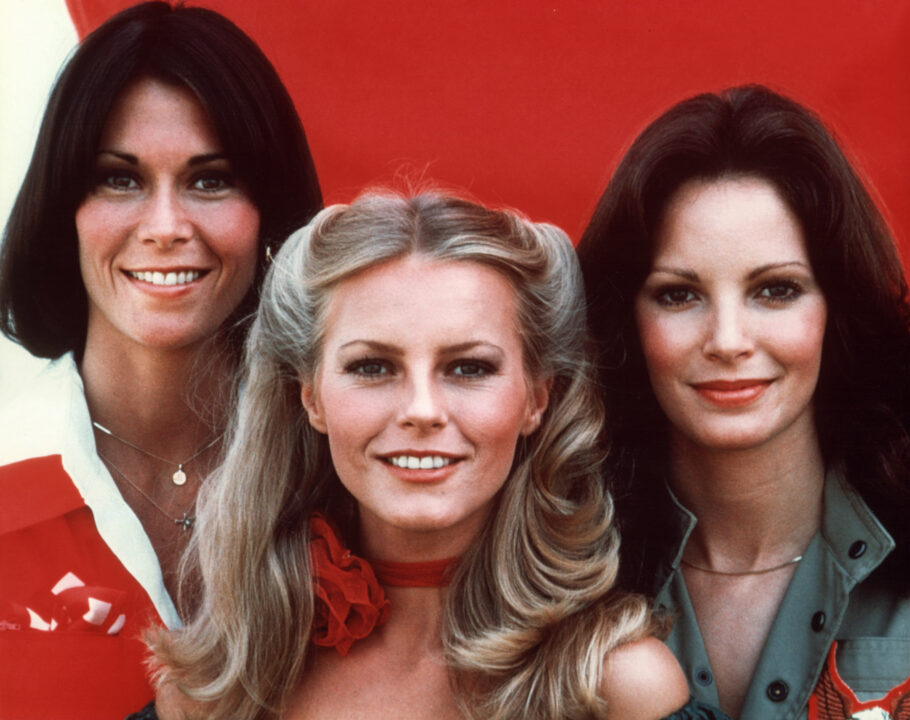
But no one was prepared for the phenom that exploded in the fall of 1976 when three gorgeous private investigators burst on the scene. These were Charlie’s Angels: the earthy Kate Jackson as Sabrina Duncan, the ethereal Jaclyn Smith as Kelly Garrett, and the blond bombshell Farrah Fawcett as Jill Munroe, whose carefully tousled hair and blinding smile soon became the pinup sensation of the decade. (Fawcett’s iconic poster, which reportedly sold 6 million copies in its first year, adorned this future TV critic’s high school bedroom wall. See more about the poster on page 61.)
Everett Collection
The show was mocked in some circles for its “jiggle” content — a wardrobe mistress confirmed that ABC let them go braless “because the girls are so lovely” — and derided by many critics. (TV Guide Magazine‘s reviewer sniped, “No wonder [John] Forsythe never shows his face,” of the actor playing their never-seen boss, Charlie.) Still, Charlie’s Angels was an instant hit, making no apologies for its giddy, bouncy improbability.
“Anyone who thinks these girls are really private detectives is nuts,” executive producer Aaron Spelling freely admitted. “On this show we’re more concerned with hairdos and gowns than the twists and turns of the plot.”
Not all of the year’s TV hits were quite so one-dimensional.
ABC’s multi-week presentation of Rich Man, Poor Man, with nuanced performances from a cast led by Peter Strauss and Nick Nolte, paved the way for a golden age of miniseries based on bestsellers. (The groundbreaking blockbuster Roots was filmed in 1976 for airing in January 1977.)
NBC’s gritty L.A. anthology Police Story, created by Joseph Wambaugh, won the 1976 Emmy for Outstanding Drama Series and was a precursor to the adult procedurals of Hill Street Blues‘s Steven Bochco and Law & Order guru Dick Wolf. ABC’s poignant Family, also from Aaron Spelling, premiered that spring, elevating a genre once dismissed as soap opera with a social conscience addressing serious contemporary issues.
ABC/Courtesy: Everett Collection
Norman Lear‘s hits, including the top-rated All in the Family and spinoffs Maude, The Jeffersons and Good Times, and the anti-war M*A*S*H, were reminders that comedy could also be relevant. Lear subverted expectations yet again when he bypassed the networks and syndicated his soap opera parody Mary Hartman, Mary Hartman, a ruthless putdown of consumerism and suburbia.
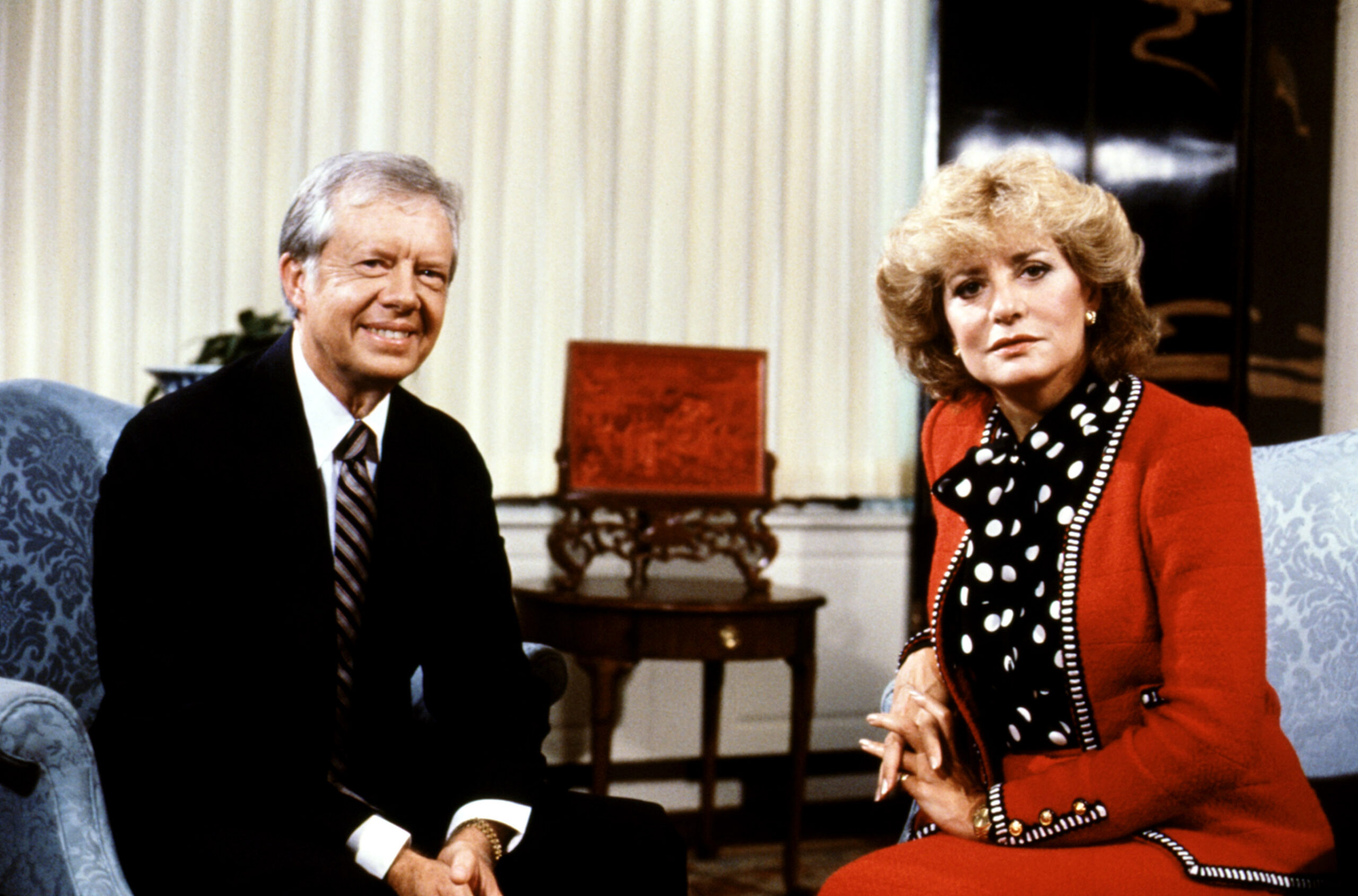
And in this year of notable women, no one commanded more headlines, or criticism, than Barbara Walters, who left daytime TV and Today show stardom after accepting a $5 million, five-year offer to coanchor ABC’s evening news with a famously disgruntled Harry Reasoner. This so-called “million-dollar baby” would get the last laugh. Though the coanchoring gig never jelled, Walters’ first primetime celebrity interview special, airing in December 1976 with new president Jimmy Carter and Barbra Streisand as guests, was a huge hit. The rest, as they say, is TV history.
This article appears in the September 2026 issue of ReMIND Magazine. You can purchase the full issue at the link below.
 Remind
1976 Top TV Moments
September 2026
Look back 50 years ago celebrating all the stars, musicians, TV shows and athletes who made 1976 memorable.
Buy This Issue