

Svengoolie Pays Tribute to Longtime Friend Freddy ‘Boom Boom’ Cannon, Dead at 89





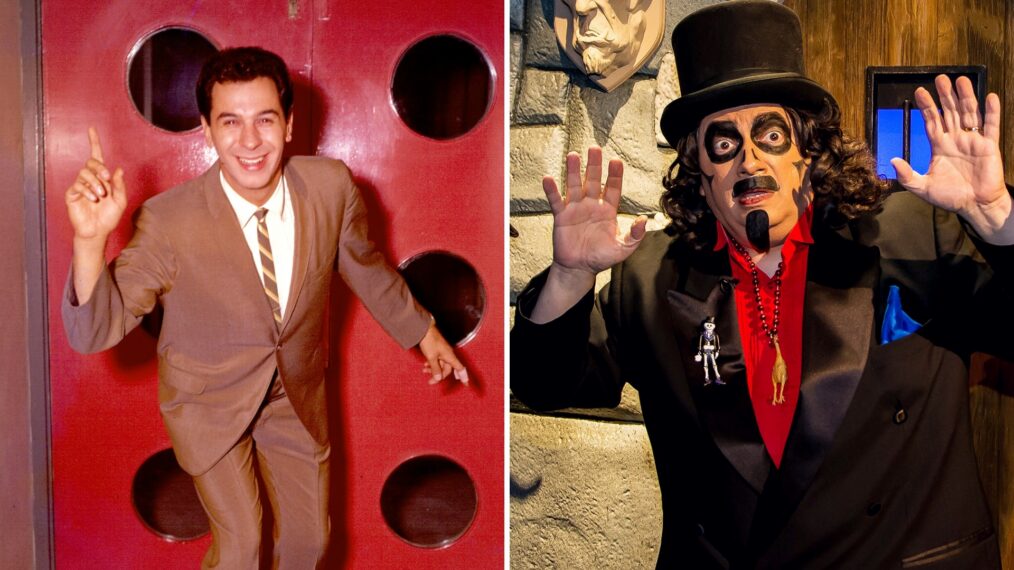
What To Know
- Freddy “Boom Boom” Cannon, the rock and roll singer known for hits like “Tallahassee Lassie” and “Palisades Park,” died at age 89 after a recent cancer diagnosis.
- Cannon and horror host Svengoolie (Rich Koz) shared a close friendship, collaborating on songs like “Svengoolie Stomp” (2016) and “Hey Svengoolie!” (2024), which celebrated Svengoolie’s legacy.
- Cannon’s music career included over 20 Billboard-charting songs and memorable performances in both music and film, leaving a lasting impact on rock and roll history.
Rich Koz, otherwise known as Svengoolie, is mourning his longtime friend Freddy “Boom Boom” Cannon, who died on July 17, 2026, at the age of 89. Cannon died at a hospice facility in California after recently being diagnosed with cancer, according to Variety.
“This is a sad day. Our friend Freddy ‘Boom Boom’ Cannon has passed away,” Svengoolie shared on social media. “I am honored that it all began with him calling me, telling me he was a fan, and that he had actually written a song about me, and moved on to a great friendship. His enthusiasm, sense of humor, and countless stories of his rock and roll world made knowing him a wonderful experience. I will miss him.”
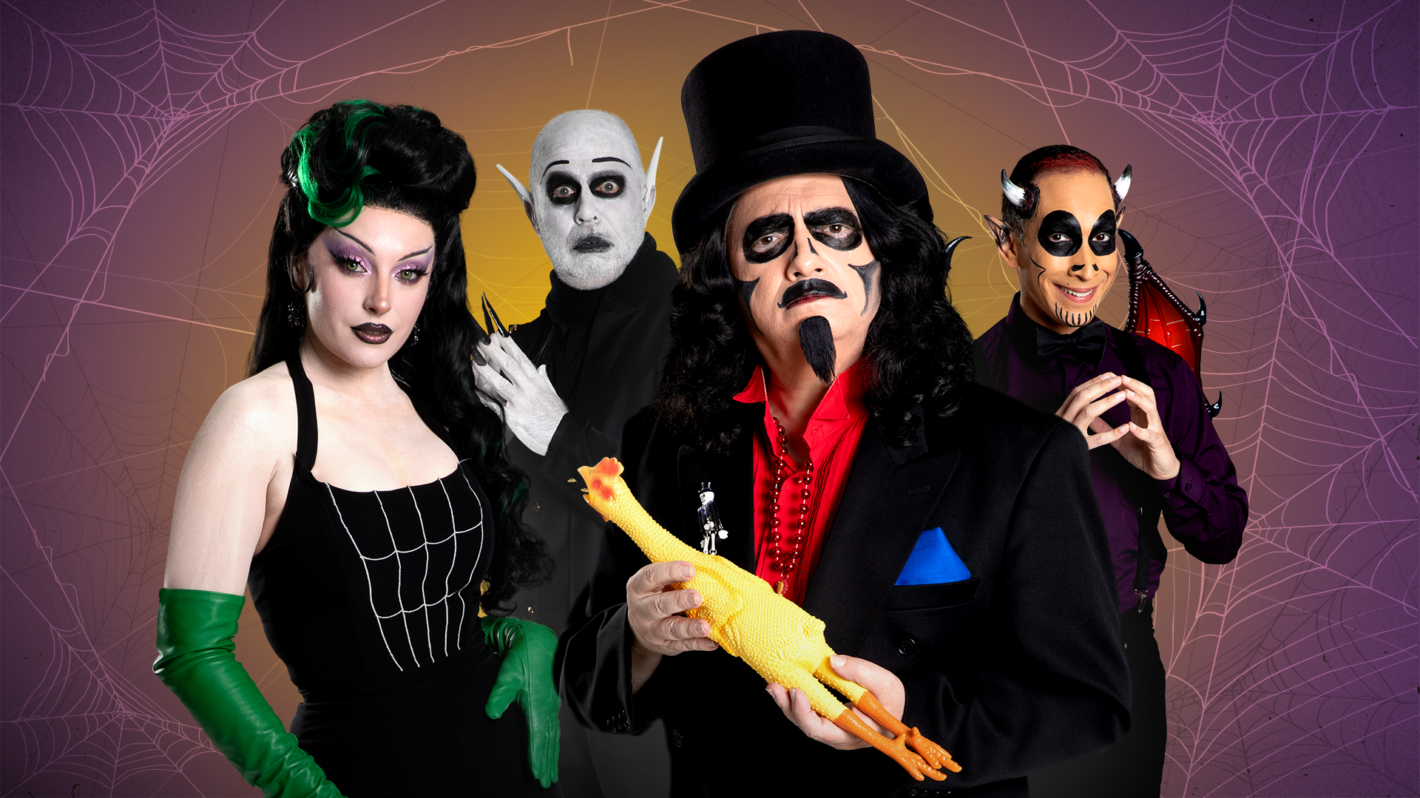
Koz shared another tribute on his personal Facebook page, calling Cannon “a terrific talent and a warm and wonderful human being.” Their friendship began after Cannon contacted Koz and revealed that he was a Svengoolie fan. He had even written a song about the horror host, “Svengoolie Stomp,” which was released in 2016. The accompanying music video featured Cannon and Svengoolie alongside several familiar faces, and the song quickly became popular with Sven fans.
Cannon returned in 2024 with “Hey Svengoolie!,” a new song celebrating the horror host’s 45th anniversary. Its star-filled video featured Joe Mantegna, George Thorogood, Michael McKean, Annette O’Toole, Bill Mumy and David Dastmalchian, among others. “Having rock and roll icon Freddy Cannon write the ‘Svengoolie Stomp’ for me was a thrill,” Svengoolie said when the second collaboration was released, according to MeTV.
Cannon’s passing came less than a week after Svengoolie presented the singer’s 1965 film Village of the Giants on MeTV. Cannon appeared in the sci-fi comedy as himself, performing for the residents of a small town threatened by a group of enormous teenagers. During the July 11 broadcast, Svengoolie also revisited a past live performance with Cannon and played his follow-up Sven song.
Born Frederick Anthony Picariello Jr. on Dec. 4, 1936, Cannon was raised in Lynn, Massachusetts. His father worked as a truck driver but also played trumpet and sang with local groups. Cannon grew up listening to rhythm and blues performers including Big Joe Turner and Buddy Johnson and learned to play guitar. While still a teenager, he played lead guitar on the G-Clefs’ 1956 single “Ka-Ding Dong,” which reached No. 24 on the Billboard chart.
Cannon sang and played rhythm guitar on the Spindrifts’ 1958 single “Cha Cha Do” before forming Freddy Karmon & the Hurricanes. The group became popular around Boston, and Cannon was a regular on the local dance program Boston Ballroom. He eventually began working with Boston disc jockey Jack McDermott, who helped bring one of Cannon’s original songs to producers Bob Crewe and Frank Slay.
That song began as “Rock and Roll Baby,” with lyrics written by Cannon’s mother, Mimi Picariello. After Crewe and Slay reworked it, the song became “Tallahassee Lassie.” Several record companies rejected the recording before it reached Dick Clark, who was a part-owner of Swan Records. Clark reportedly suggested emphasizing the pounding bass drum and Cannon’s enthusiastic cries of “whoo,” which became one of the singer’s trademarks. Swan Records president Bernie Binnick then suggested changing his stage name to Freddy Cannon.
Released in 1959, “Tallahassee Lassie” reached No. 6 on the Billboard Hot 100 and became the first of more than 20 Cannon songs to appear on the chart. Later that year, his lively version of “Way Down Yonder in New Orleans” climbed to No. 3. His debut album, The Explosive! Freddy Cannon, reached No. 1 in the United Kingdom in 1960 and spent 11 weeks on the chart.
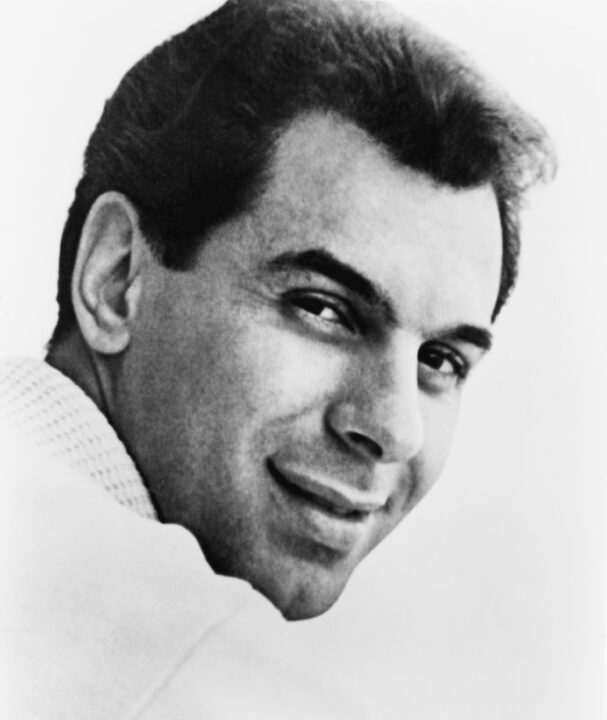
Warner Bros/Everett Collection
His other signature hit arrived in 1962 with “Palisades Park,” written by future The Gong Show host Chuck Barris. Complete with amusement park sound effects, the song reached No. 3 on the Billboard Hot 100. Cannon followed it with the Top 20 singles “Abigail Beecher” in 1964 and “Action” in 1965. The latter served as the theme song for Dick Clark’s television series Where the Action Is.
Cannon became one of the most familiar musical faces on television. His representative said he held the record for the most appearances on American Bandstand with 110. He also appeared on Shindig!, Hullabaloo, The Midnight Special and Where the Action Is. His film credits included Just for Fun (1963), Village of the Giants (1965) and The Junkman (1982), and he appeared as himself on the teen soap opera Never Too Young in 1966.
Although Cannon was sometimes grouped with the teen idols of his era, he never believed the description fit him. In an interview with ClassicBands.com, Cannon said, “What mattered to me was to sing real, raw rock ‘n’ roll records.” He continued performing around the world and working with Clark at American Bandstand reunion concerts long after his biggest chart successes. In 1981, Cannon and the Belmonts returned to the Billboard Hot 100 with “Let’s Put the Fun Back in Rock N Roll.” He later recounted his career in the 2011 memoir Where the Action Is!
Cannon continued recording during the final years of his life. Along with his songs for Svengoolie, he was reportedly working on new music shortly before his hospitalization. He is survived by his children Conny and Billy, his sister Mary Lou, five grandchildren and seven great-grandchildren. His wife and high school sweetheart, Jeanette, died in September 2024, and their son John died in April 2026.
Tell us in the comments — which one of his songs is your favorite?
 Remind
Birth of Rock 'n' Roll
February 2024
"Long live rock," we like to say, but how did it come to life? Revisit the memorable moments, music and movies that made teens go beat crazy back in the 1950s.
Buy This Issue