

Jimmy Stewart Was a Hero Both On & Off the Screen as Hollywood’s First Major Star to Fight in World War II





What To Know
- James Stewart rose from a shy small-town boy to Hollywood stardom.
- He became the first major American movie star to enlist in World War II.
- After the war, Stewart resumed his acting career independently.
Born on May 20, 1908, James “Jimmy” Stewart started as a shy small-town boy from Indiana, Pa. He studied architecture at Princeton, joined a summer theater troupe in Cape Cod, befriended Henry Fonda, and honed his acting skills on Broadway before signing with MGM.
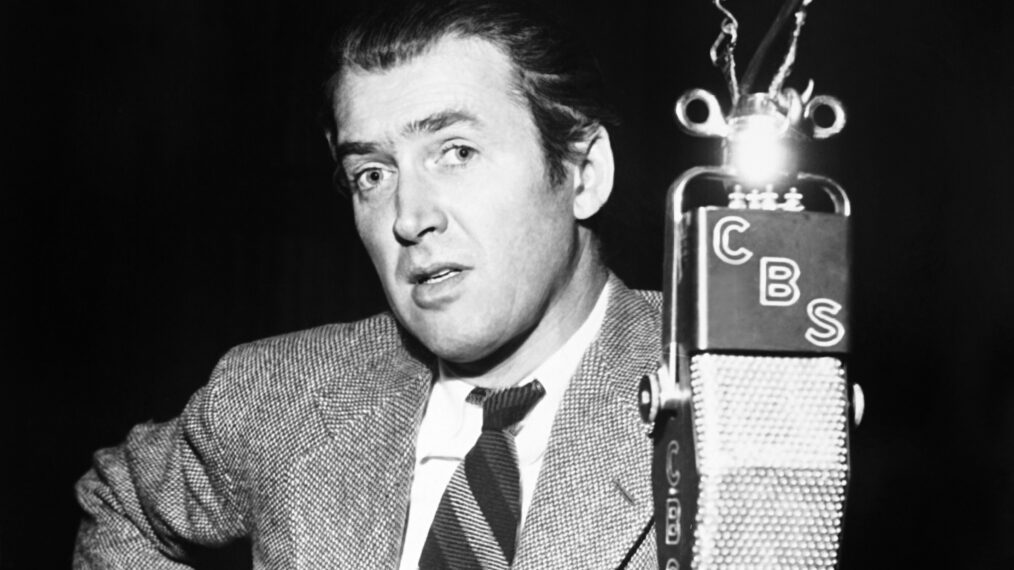
While Stewart’s stardom launched with the films You Can’t Take It With You (1938), Mr. Smith Goes to Washington (1939), and The Philadelphia Story (1940), he also stood before the radio microphones many times. He starred in the radio adaptation of The Philadelphia Story alongside Cary Grant and Katharine Hepburn, and often carried the lead role on prestige programs, such as The Lux Radio Theater.
Shortly after the attack on Pearl Harbor, he performed with Orson Welles, Edward G. Robinson, Walter Huston and Lionel Barrymore in the all-network radio program We Hold These Truths, dedicated to the 150th anniversary of the Bill of Rights. By this point, Stewart was no longer just an actor — he took a special leave from the military for this broadcast.
Bettmann/Getty
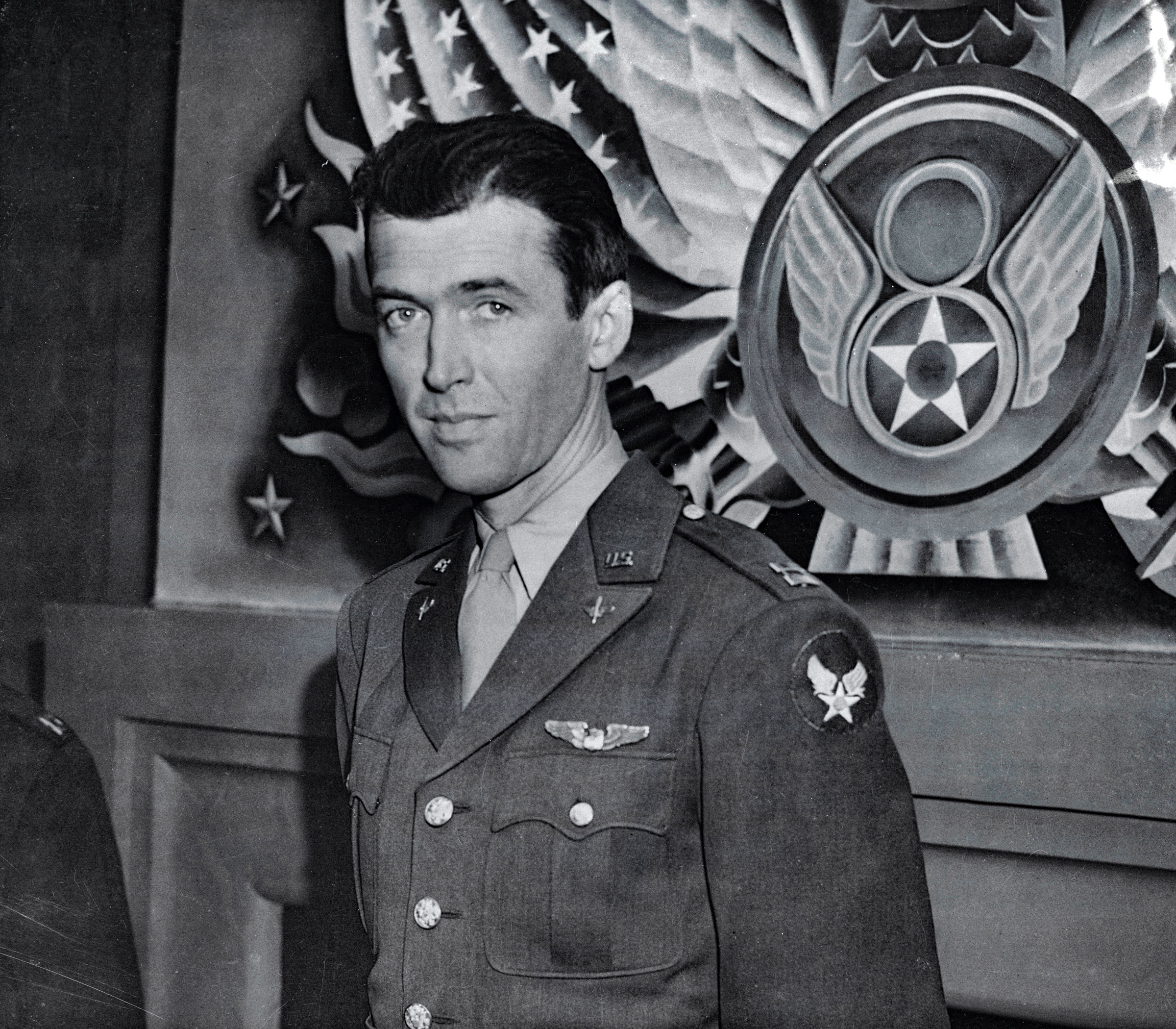
Stewart, an accomplished pilot, hadn’t met the weight requirements for the draft, but bulked up a bit to get to the minimum requirement and enlisted for service. He was inducted into the Army on March 22, 1941, six months before Pearl Harbor and the U.S. entry to the war, becoming the first major American movie star to wear a military uniform in World War II.
From 1941 to 1945, Stewart took a break from making movies as he was busy fighting the good fight. In the summer of 1943, he was promoted to captain and appointed a squadron commander; soon thereafter, Stewart was assigned to the 445th Bombardment Group as operations officer, and then captain, of the 703d Bombardment Squadron. He continued on numerous bombing missions and was awarded many medals for service.
Following the war, Stewart rarely spoke about his wartime service, even when prompted on the radio. In fact, on his return from the war, he had a clause inserted into most of his Hollywood contracts prohibiting production companies from mentioning his military service in any publicity.
Upon his return to Hollywood in 1945, Stewart was no longer under contract at MGM and became an independent film actor. His first postwar movie was Frank Capra‘s now-popular 1946 film It’s a Wonderful Life. Before restarting his film career, Stewart made his triumphant return to radio in an adaptation of Destry Rides Again with Joan Blondell on the evening of Nov. 5, 1945. A week later, Stewart made a guest appearance on the Cavalcade of America series in a military drama, “A Sailor Who Had to Have a Horse.” On Dec. 1, 1949, Stewart appeared on Suspense in a postwar drama focusing on the rehabilitation of war veterans, “Mission Completed.”
Everett Collection
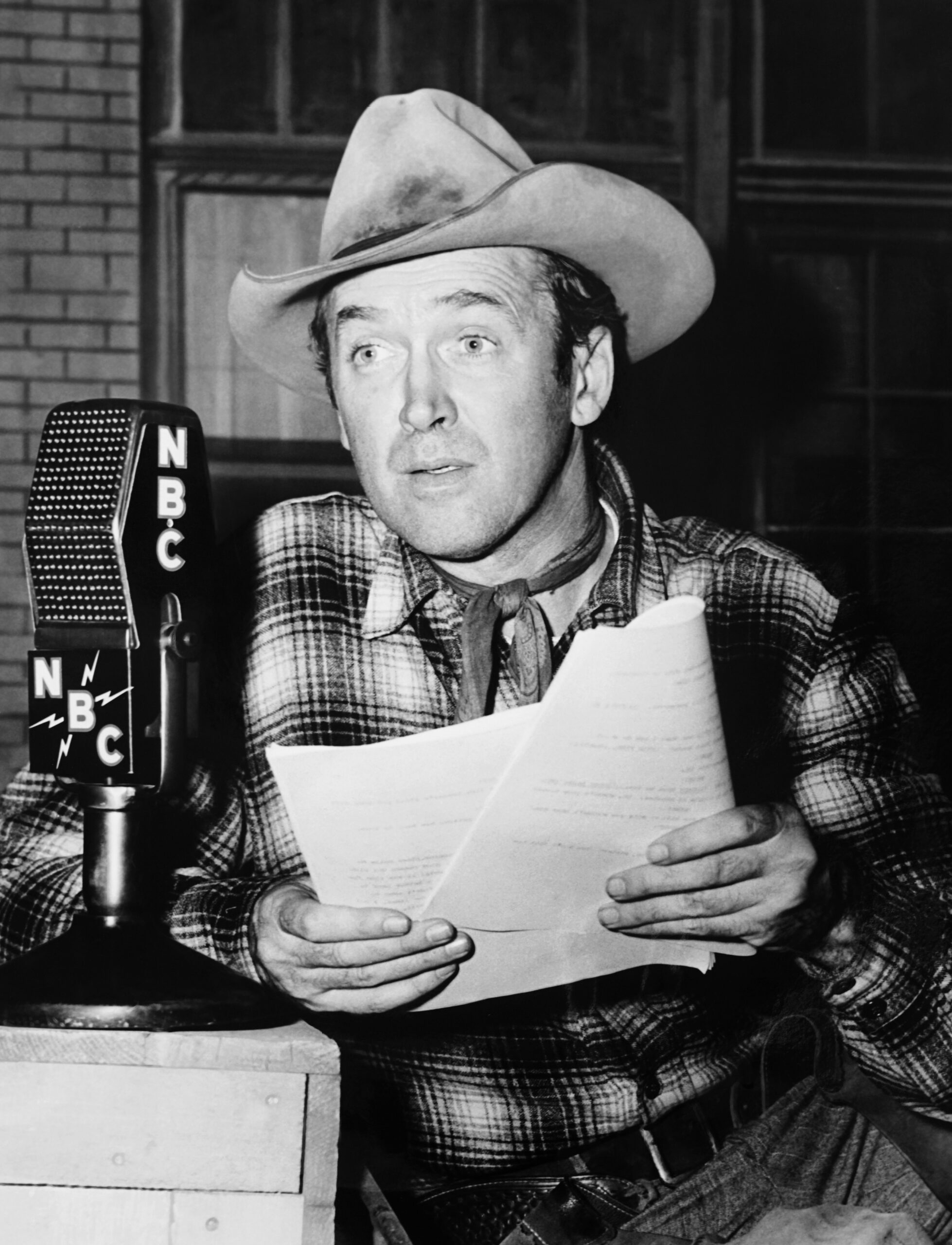
During the fall of 1953, NBC radio premiered The Six Shooter, a weekly Western starring Stewart as Britt Ponset, a drifting cowboy living out the final days of the Wild West. The Liggett & Myers Tobacco Company was interested in underwriting the radio program, but Stewart refused the firm’s participation, believing the habit of smoking cigarettes did not correspond with his clean public image. As a result, after the 39 half-hour episodes concluded, NBC dropped the program. Nonetheless, Stewart continued in radio, film, and TV for decades thereafter.
Presently, you can visit the Jimmy Stewart Museum located in his hometown. On display are several items from his long and storied radio career, film career, and military service.
This Article was written by Carl Amari, host of Radio 360, for the January 2017 issue of ReMIND featuring James Stewart. It is currently out of print.

 Remind
Hollywoods Golden Year
April 2024
Return with us to the year film fans acknowledge as the finest in Hollywood history, 1939.
Buy This Issue