

How Errol Flynn Became the Golden Age of Cinema’s Most Irresistible Swashbuckler





What To Know
- Errol Flynn became Hollywood’s iconic swashbuckler in the 1930s and 1940s.
- His breakout role was 1935’s Captain Blood, where his charisma and lighthearted style set the tone for the genre.
- Despite his cinematic success and charm, Flynn’s scandalous private life ultimately tarnished his legacy.
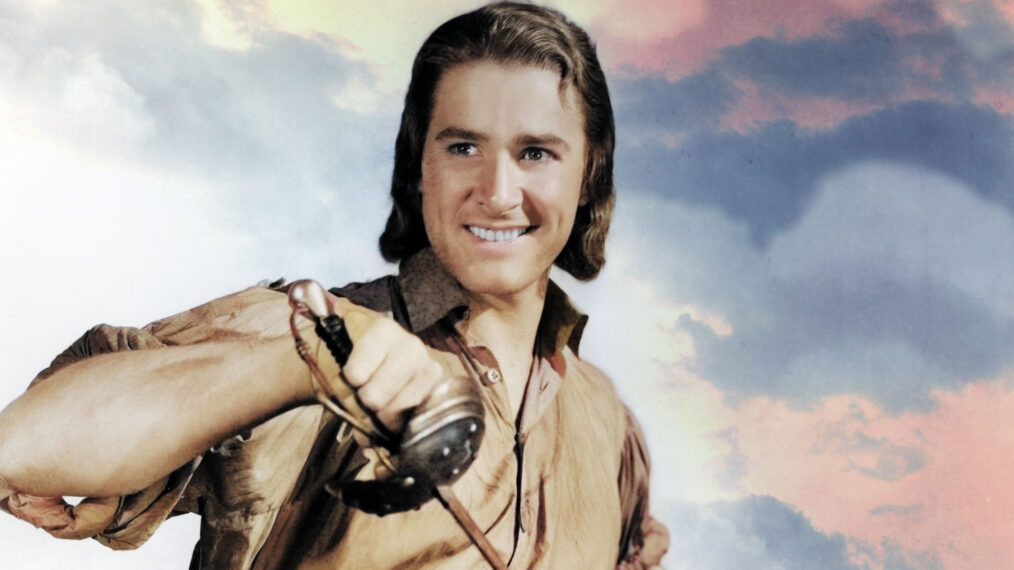
Unlike today’s angst-ridden superheroes and antiheroes, the swashbucklers of yore just wanted to have fun. That was certainly the attitude expressed by the dashing Errol Flynn, an Australian import who became the go-to sultan of swagger through much of Hollywood’s golden age. His breakthrough film was 1935’s rousing Captain Blood, from future Casablanca director Michael Curtiz, casting Flynn as a noble Irish doctor who becomes an accidental pirate after being wrongly conscripted into slavery in the West Indies.
Once his course is set on the high seas, Blood issues a mission statement that serves as a template for the genre: “We, the undersigned, are men without a country. Outlaws in our own land and homeless outcasts in any other. Desperate men, we go to seek a desperate fortune. Therefore, we do here and now band ourselves into a brotherhood of buccaneers to practice the trade of piracy on the high seas. We the hunted will now hunt. … We pledge ourselves to be bound together as brothers in a life-and-death friendship, sharing alike in fortune and in trouble. … It’s the world against us and us against the world.”
Sounds deadly solemn, but Flynn maintains a light touch throughout, including wearing a rascally grin during his pivotal swordfight with a rival pirate played by a pre-Sherlock Basil Rathbone. Their exhilaration, even in a battle to the death, falls short of parody but reminds us not to take any of these shenanigans terribly seriously.
Errol Flynn & Olivia de Havilland Had Incredible On and Offscreen Magic

Olivia de Havilland and Errol Flynn on-set and candid with each other in 1941. Everett Collection
Captain Blood also marked the first of eight pictures that paired Flynn with rising ingenue Olivia de Havilland, then 19, as Arabella, the spirited niece of the island’s cruel governor. Their flirtatious banter and undeniable chemistry would be seen to even greater effect three years later in what became Flynn’s most celebrated role in 1938’s Technicolor classic The Adventures of Robin Hood, codirected by Curtiz, with de Havilland as the resourceful Maid Marian. The chemistry wasn’t just onscreen either. Both stars have confessed they were in love with each other but never consummated this due to Errol being married. Olivia de Havilland told People before her death in 2020, “There are no words to describe my feelings for Errol Flynn.”
“Did I upset your plans?” Robin chirps at his nemesis, Sir Guy of Gisbourne (Rathbone again), as they clash swords for the final time. He’s a scamp in blinding green tights and a very proud provocateur — just watch him drop a dead stag on the corrupt Prince John’s (Claude Rains) banquet table — but he’s also a righteous defender and protector of the poor and oppressed.
Unfortunately, Flynn’s scandalous private life and alcoholism on and off the set — he was said to have injected vodka into oranges to sneak booze during filming — would take its toll, eventually tarnishing his legacy. (His autobiography was even titled My Wicked, Wicked Ways.) He died in 1959 at the age of 50.
This article originally ran in the April 2026 Swashbucklers Issue of ReMIND Magazine. You can purchase it at the link below.
 Remind
Swashbucklers
April 2026
Celebrating our favorite swashbucklers — brave and bold buccaneers on land and sea.
Buy This Issue