

Do You Remember MTV’s Museum Of UnNatural History?





What To Know
- MTV revolutionized music and pop culture starting in 1981.
- In 1988, MTV launched the Museum of UnNatural History, a 3,000-square-foot interactive exhibit that toured malls.
- The museum offered fans a unique, immersive MTV experience.
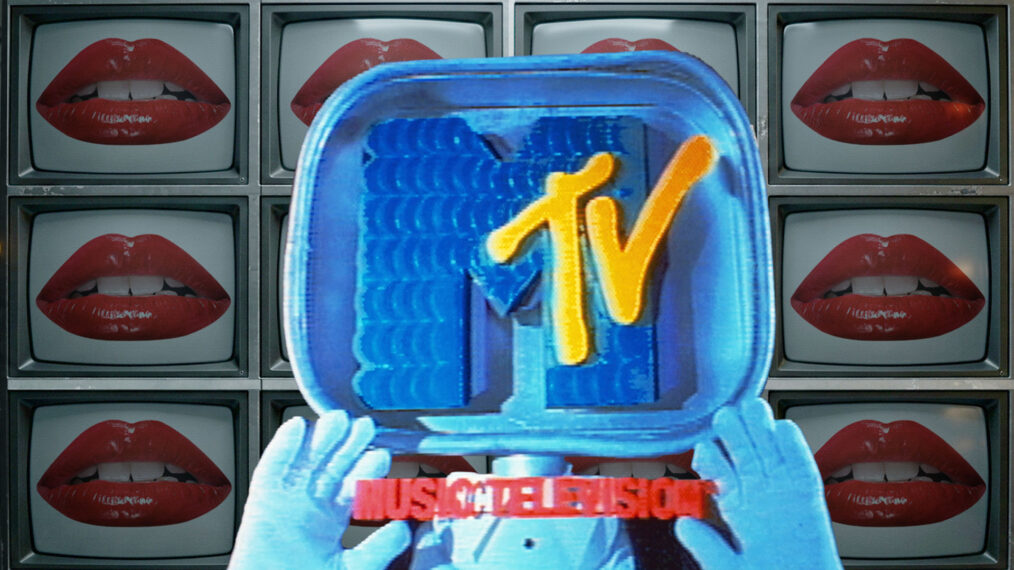
When MTV launched on Aug. 1, 1981, it forever changed the landscape of pop culture and the music industry. While the first “illustrated song” dates back to “The Little Lost Child” in 1894, what began as a series of slides projected to music evolved over the decades, culminating in the Buggles’ “Video Killed the Radio Star,” the first video MTV played on that fateful summer night. The world was ready for the network’s infusion of wild visuals paired with contemporary music, and by 1988 it had become an absolute phenomenon.
The late ’80s were a time of transition in music, and MTV’s top videos in 1987 illustrated that. The network’s rotation saw a mix of hair metal (Cinderella), pop rock (Bon Jovi, U2) and pop (Michael Jackson, Whitney Houston), while inventive approaches to the format were being explored by the likes of Peter Gabriel with his animated “Sledgehammer” video that garnered nine statues at that year’s MTV Video Music Awards.
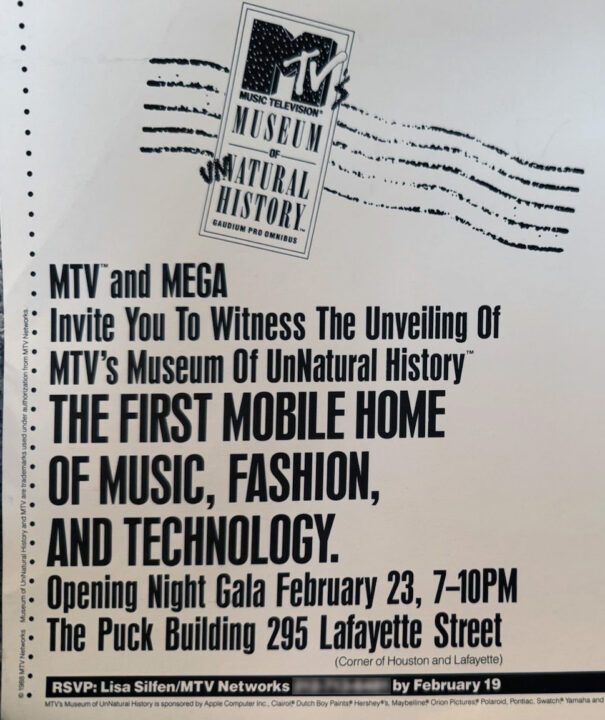
While music videos had become ingrained in American lives, so had shopping malls. Malls became a social hub for teenagers, and young people were perusing music stores like Sam Goody and Musicland in search of albums featuring the songs they discovered on MTV. In 1988, the brain trust at the network saw the obvious connection between the consumer and their product, and decided to offer viewers the opportunity to step into their world with MTV’s Museum of UnNatural History.
“A living, breathing slice of MTV has been let loose in the malls of America!” commercials trumpeted for the six-month, 27-city roadshow that began in March of 1988. The display was 3,000 square feet of memorabilia, interactive displays and live production that was broken up into four zones.
The “Long Live Rock” zone was packed with items on loan from the Hard Rock Cafe chain and included costumes, instruments and personal belongings relating to Jimi Hendrix, the Beatles, George Michael, Joan Jett, the Doors and the Rolling Stones. One of Elvis’ gold records took residence near the dress Madonna wore in her “True Blue” video, and Carl Perkins‘ blue suede shoes were on display in the vicinity of glasses worn by Stevie Wonder.
The “New Music” zone was a wall of televisions broadcasting the latest music videos. “Products for Better Living” offered a glimpse into the future and included “Robo Roc’s Body Shop,” the reimagining of an auto garage run by robots. “Addicted to Style” put a spotlight on the fashion and aesthetics associated with MTV and the rock culture of the era.
Throughout the display were mannequins topped with television sets, each sporting the talking heads of MTV VJs serving as guides. Patrons could get a rock ‘n’ roll makeover, snap photos with the Polaroid Cool Cam and consider how their pets watched the tube via “Pet-A-Vision,” offering a TV network aimed at dogs. The most popular attractions were the “Make Your Own Surf Video” booth sponsored by Sunkist soft drinks, and the MTV studio set where shoppers could create their own music videos using props and cameras helmed by MTV staff.
MTV’s Museum of UnNatural History hit the road again for a second, 25-city run in 1989. The Museum was as close to spending time in MTV’s New York City studio as one could get, and stands as a cultural mile marker for when malls and music were intrinsically tied to the televisions that had become central to American family life.

 Remind
1980s Music Videos
March 2026
The hair was big, the tunes were loud and video was king! Look back to when 1980s Music Videos Ruled!
Buy This Issue