

What Inspired the Creation of ‘VH1 Storytellers’?





What To Know
- VH1 Storytellers was inspired by Bill Flanagan’s interviews with songwriters and Ray Davies’ live storytelling performances, combining these concepts into a unique television format.
- The show, which debuted in 1996 with Davies as its first guest, became a VH1 signature by focusing on artists who could compellingly discuss the stories behind their songs.
- Over its 98-episode run, Storytellers featured major artists and memorable revelations, and its legacy continues with episodes now available for streaming on Paramount+.
For music lovers who truly loved to go deep with their favorite artists’ biographies and inspirations, there is nothing better than watching VH1 Storytellers. VH1 Storytellers is a long-running series that invites famous performers to sit down, play their songs, and talk about them, and when the show first premiered in February of 1996, it was revolutionary.
This month marks the 30th anniversary of the program’s debut, which makes it a perfect time to look back at how the idea was born and why it struck such a lasting chord with audiences.
What inspired VH1 Storytellers?
The inspiration behind VH1 Storytellers first came from Bill Flanagan, VH1’s editorial director in the mid ’90s. Flanagan had written a book called Written in My Soul, a collection of interviews in which songwriters explained the stories behind their work. He already knew that audiences were fascinated by the creative process, and he believed that curiosity could translate to television.
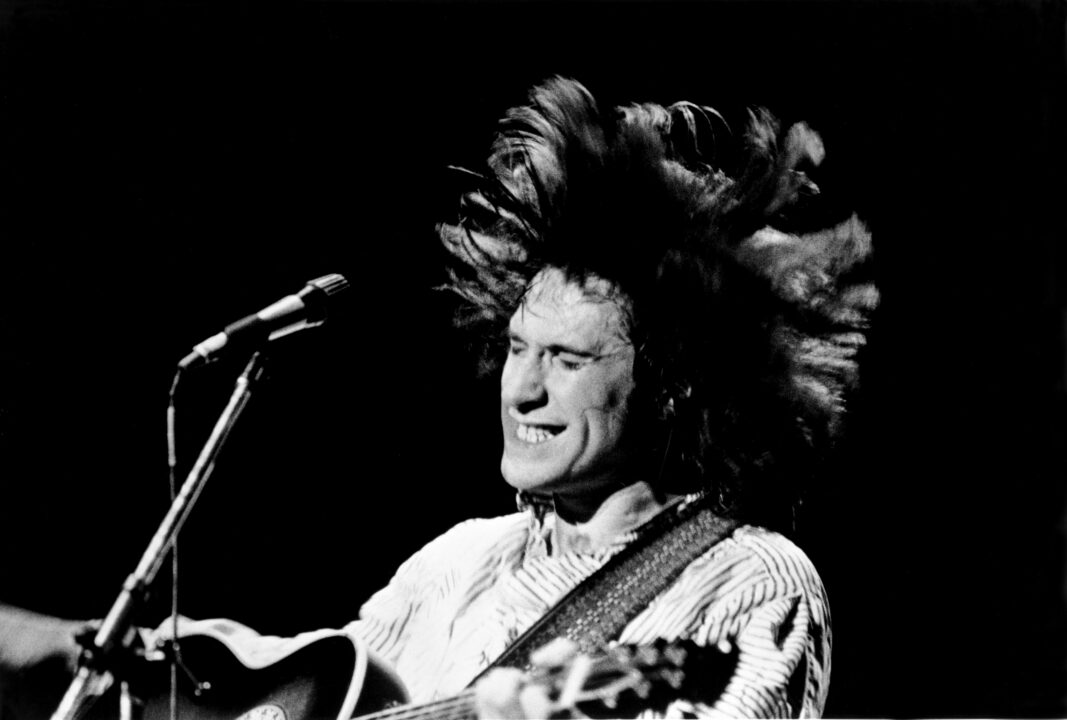
The second inspiration arrived courtesy of Ray Davies of The Kinks. In the early ’90s, Davies was touring with a one-man stage show in which he performed songs and told stories about how they were written. According to the program’s history, the idea and even the title originated in 1991 when music lawyer Jonathan Polk suggested to Davies’ manager that he create a show called Ray Davies: Storyteller. Davies performed the concept at New York City’s Bottom Line club, and fans loved it.
Everett Collection
When VH1 began looking for new music programming a few years later, those two influences came together. “It’s such a simple format–a singer-songwriter sits down, tells how they wrote the songs and plays them–but it took a long time,” Flanagan said at the time, according to the Los Angeles Times. “It went through all these permutations.”
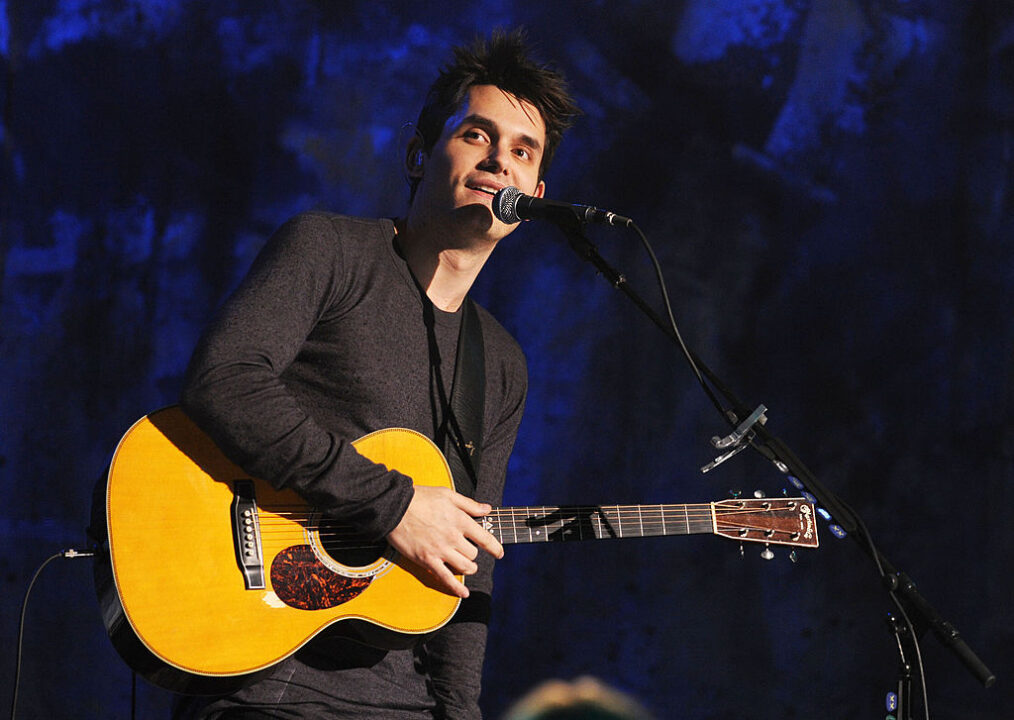
The first official episode aired in February 1996, featuring Davies himself, a fitting choice considering his role in inspiring the concept. From there, the series quickly became a signature program for VH1. Jackson Browne, Elvis Costello, Sting and Lyle Lovett all appeared during that first year, helping establish the tone.
Theo Wargo/Getty Images For Vh1
What made Storytellers different from other music shows was the emphasis on personality. Popularity alone wasn’t enough to land an episode. According to Flanagan, artists had to be able to talk comfortably about their work. Some musicians turned out to be too shy or simply didn’t have much to say about their creative process, which meant they were passed over, no matter how many hits they had. Viewers got to see stars like Billy Joel explaining how an offhand comment from a waiter inspired the opening line of “Scenes From an Italian Restaurant.” They watched Elvis Costello reveal the real-life origins of “Alison,” and Natalie Merchant politely inform Flanagan that his own interpretation of one of her songs was completely wrong.
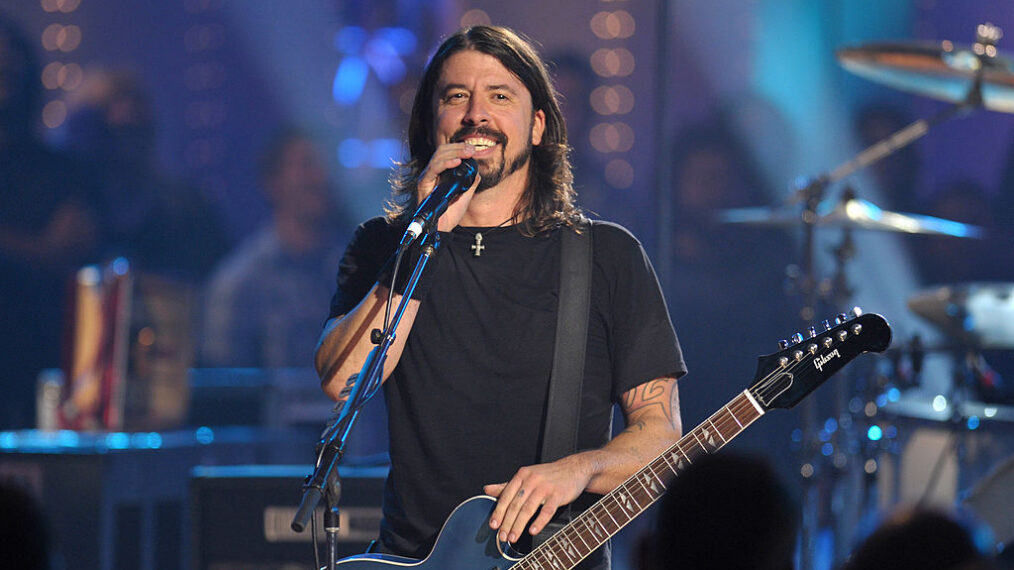
One of the most memorable episodes came in 1998 with R.E.M., whose singer, Michael Stipe, had long been known for his cryptic lyrics and reluctance to explain them. On Storytellers, he opened up about the meaning behind “Losing My Religion,” explaining that the phrase was Southern slang for losing faith in a person. Over the years, 98 episodes were produced, featuring everyone from Garth Brooks and Elton John to Foo Fighters and Taylor Swift. Many performances were later released on CD and DVD, and in 2025, a large number of episodes became available to stream on Paramount+, introducing the series to a new generation.
 Remind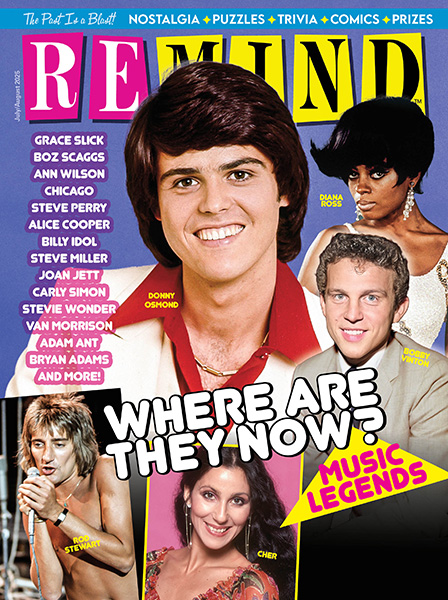
Where Are They Now? Music Legends
July/August 2025
They rocked and rolled us, they shredded, they head-slammed and they crooned, but what happened to them and where are they now?
Buy This Issue