

U.S. Olympic Hockey Legend Reveals How He Almost Missed 1980 ‘Miracle on Ice’





What To Know
- The 1980 U.S. Men’s Hockey Team’s “Miracle on Ice” victory over the Soviet Union became a defining moment in American sports and national pride during a turbulent era.
- Netflix’s new documentary, Miracle: The Boys of ’80, reunites team members in Lake Placid to reflect on their experiences and the lasting emotional impact of their Olympic journey.
- Defenseman Jack O’Callahan nearly missed the Olympics due to a knee injury, but his recovery and leadership, especially during the gold medal game, proved crucial to the team’s success.
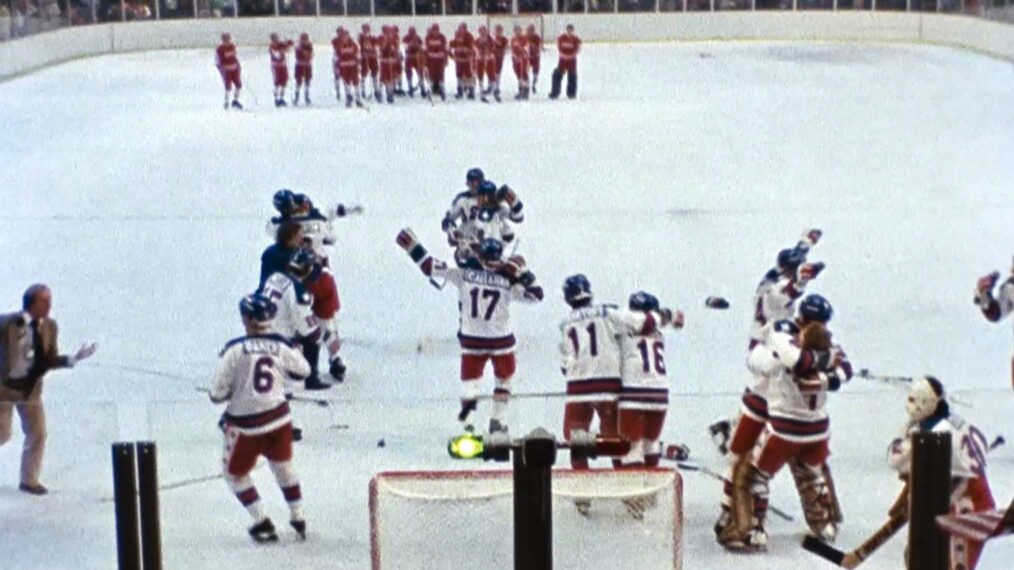
On February 22, 1980, the U.S. Men’s Hockey Team scored one of the biggest upsets in sports history, knocking off the heavily favored Soviet Union 4-3 in a medal round game at the Winter Olympics in Lake Placid, New York.
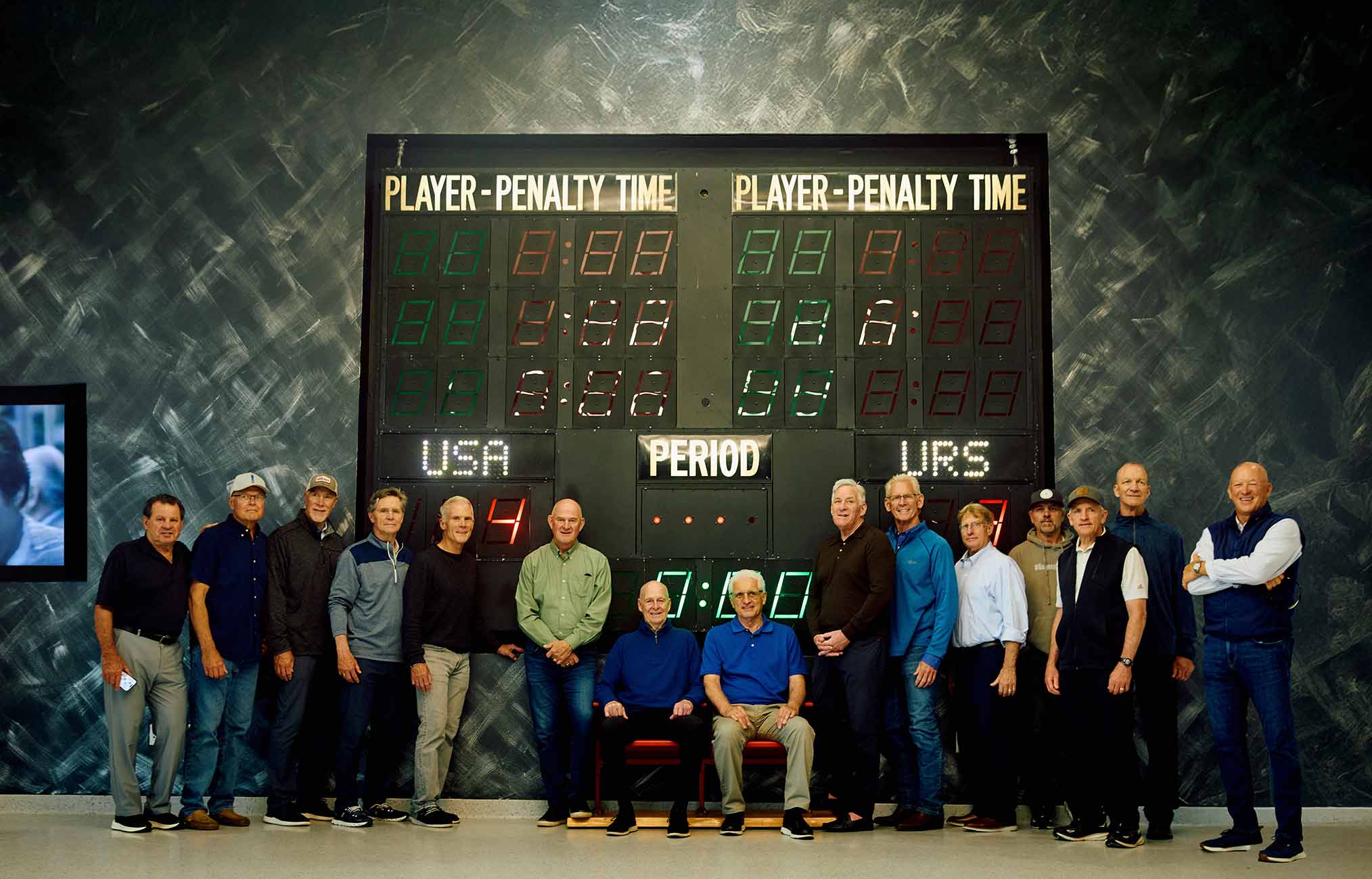
Netflix reunited several members of the team in Lake Placid to share their memories and look back on the significance of that Olympics for the new feature-length documentary Miracle: The Boys of ’80, premiering Friday, January 30. ReMIND spoke to one of those team members about what it felt like to go back, and the injury that almost kept him off the ice.
Looking back on “Miracle on Ice”
The “Miracle on Ice” exists not only in sports legend, but as a pivotal moment in the national psyche. Cold War tensions were high, the U.S. economy was slumping, the Iran hostage crisis continued and the mood of the country was generally sour.
But national pride swelled as a group of young amateur hockey players coached by fiery tactician Herb Brooks accomplished the unbelievable feat by shocking the Soviets and then triumphing over Finland to win the gold medal.
One of those players, defenseman Jack O’Callahan, relished the chance to join his teammates in the arena (now named after Brooks) and the town forever linked with that moment. “Being able to go up there with the Netflix people, with my teammates, and kind of walk around and experience it for a couple days was pretty exceptional,” he tells ReMIND.
Filmmakers gathered extensive news and archival footage, not only of the players, but also of their families and communities as they attended the games or watched at home gathered around the television. Several players, particularly goaltender Jim Craig, welled up with emotions upon seeing their loved ones on video.
IOC/John Huet/Courtesy of Netflix © 2026
O’Callahan’s father appears with beer in hand to declare his feelings of “pure exhilaration” following the gold medal win. “My dad passed away about six years ago, and to be able to like see him in that timeframe and his just genuine excitement and just this euphoria that he was having — he and my mom were having so much fun getting to be around the the other parents, to be in that world with them and to experience what we did. Oh my God, then to see the excitement, the whole thing was great,” he says.
The injury that almost changed everything
And the whole thing almost didn’t happen for O’Callahan, who suffered a knee injury in the team’s 10-3 blowout loss to the Soviets in an exhibition game at New York City’s Madison Square Garden two weeks before the Olympics. Sitting dejected in the locker room, O’Callahan figured his Olympic tournament was shot and his spot on the team gone.
Fortunately, the U.S. Olympic Team had the expertise of pioneering orthopedic surgeon Dr. Richard Steadman at its disposal, and O’Callahan credits him with saving his Olympic experience.
“He says he could give me something like 36 hours to prove to them that I could recover enough that I might be able to play,” O’Callahan says. “And then eventually I did all this work, and when I recovered so much they told Herbie where I was and that I’m going to miss a couple games.”
Brooks, who understood the emotions involved in hockey as much as the strategy, knew that O’Callahan was still needed on the team. “Herbie was like, ‘I want to keep you on the team. I need your help. I need your leadership.'”
That leadership was critical in the second intermission of the gold medal game against Finland. With the U.S. down a goal after two periods, O’Callahan stood up and gave an impassioned pep talk to the team, insisting that they’re not going to lose what’s theirs. “I think everybody felt the same way. I just was the one that started it,” he says. “I couldn’t sit down and I was just amped up.”
The team then returned to the ice and played what they all agree to this day was the best 20 minutes of hockey they’d ever played together, scoring three unanswered goals to beat Finland 4-2 and claim the gold medal.

Miniseries of the 1970s & 1980s
March 2024
The 1970s and 1980s were the glory days of the TV miniseries. In this issue we ranked the most significant and beloved miniseries of those decades.
Buy This Issue