

The Controversial ‘Mary Tyler Moore Show’ Storyline That Viewers Never Got to See





What To Know
- The creators of The Mary Tyler Moore Show originally wanted Mary Richards to be a divorcée, but CBS rejected the idea, fearing audiences would not accept a divorced lead character.
- Network executives insisted on maintaining Mary Tyler Moore’s “perfect” and wholesome image, preferring her character to be single rather than divorced or widowed.
- Moore herself said she would have “loved” to play a divorced character.
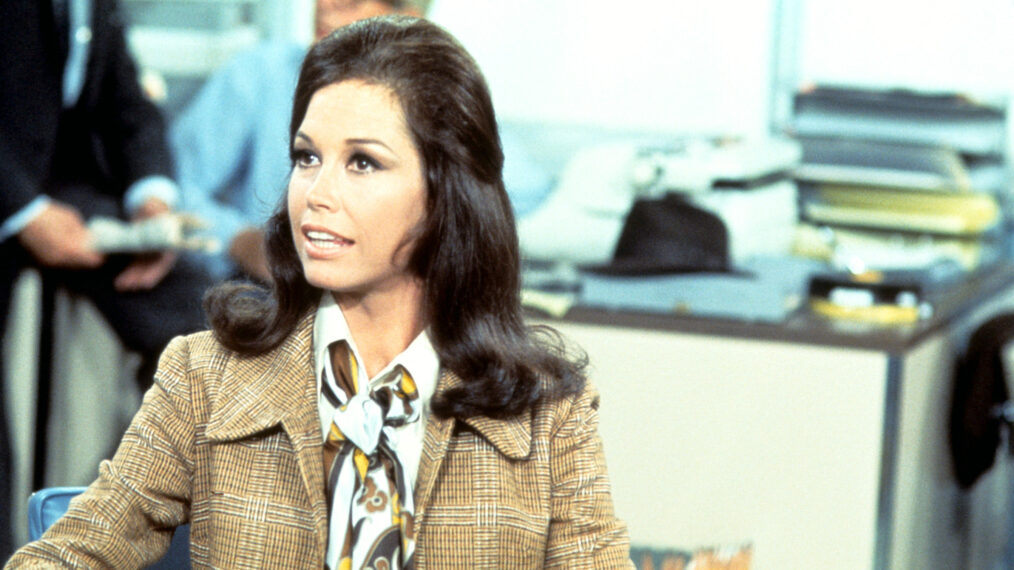
The Mary Tyler Moore Show, which aired on CBS from 1970 to 1977, broke ground for women on TV, with Mary Tyler Moore playing an unmarried woman more focused on her career in a Minneapolis newsroom than on her love life or a partner.
“Mary Richards was not TV’s first working woman, or its first woman on her own,” Linda Holmes, host of NPR’s Pop Culture Happy Hour, observed after Moore’s death on January 25, 2017. “But before Mary, if you saw a woman without a partner at the center of a TV comedy, she was probably a widow. … Mary didn’t have a living husband, a dead husband, an ex-husband, or even a permanent boyfriend like Marlo Thomas did on That Girl.”
But if Mary Tyler Moore Show creators Allan Burns and James L. Brooks had their way, Mary Richards would have been a divorcée. Moore loved the idea, but CBS wouldn’t have it, as Burns later recalled.
Why a divorced Mary was considered too controversial
Everett Collection
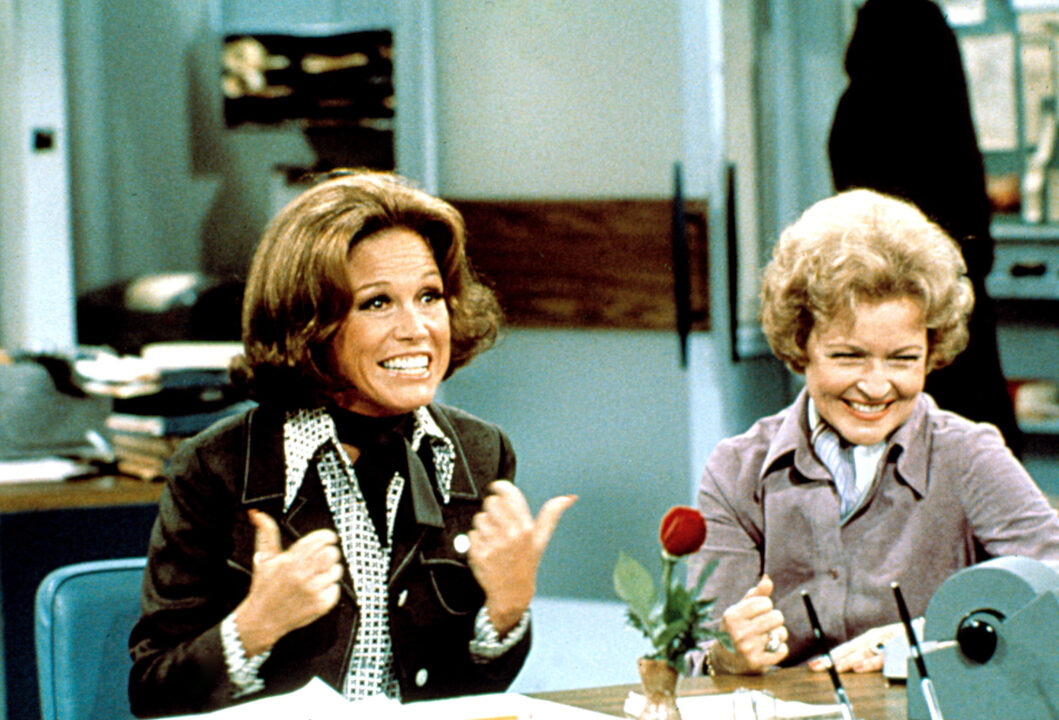
As Burns explained in a 2017 oral history of the project for The Hollywood Reporter, he and Brooks wanted to present the first divorcee on television — which was, as he noted, a controversial idea in 1970.
Plus, both Moore and Grant Tinker, her husband and the head of television for Fox at the time, loved the idea. “Both of them were divorced and understood it,” Burns said.
But CBS “had a sort of cardiac episode” about Moore playing a divorced character, Burns recalled. “We were summoned to New York, to the office of Mike Dann, who was then the head of programming for CBS. He was a long-termer, the entity you had to go to, hard-nosed. He did not like what we had proposed and in fact called upon a research guy who was in the meeting with us.”
That researcher told Burns and Brooks that American audiences “won’t tolerate divorce in a lead of a series any more than they will tolerate Jews, people with mustaches, and people who live in New York,” Jennifer Keishin Armstrong, author of the book Mary and Lou and Rhoda and Ted: And all the Brilliant Minds Who Made The Mary Tyler Moore Show a Classic, reported for Emmy Magazine.
(“By the way, [the researcher was] saying this in a room full of Jews,” Burns pointed out in a 2004 interview with the Television Academy.)
Why network exec worried about Moore’s image
Dann later told Armstrong, “I think you could classify me as a prude at that point. I was worried about keeping a perfect image of [Moore].”
He added, “You’re negotiating with [producers] for a major commitment of a couple million dollars. You never are too enthusiastic [about their show] when you’re dealing with them. As a consequence, the creative people think they know everything, but they don’t. While my career depends upon them, at the time they make the deal, they’re the opposition.”
In a 1998 interview with Television Academy, Dann recalled that fateful meeting with Burns and Brooks. “I said, ‘Mary’s been perfect all these lives. Let’s keep her in that role,’” he remembered. “We want to play her up as Miss Sweetness. Let her husband get killed in the Vietnam War or something else.”
And Dann literally and figuratively dismissed the two writers, Burns told THR: “We had gone to New York accompanied by Arthur Price, who was Mary’s manager and the vice president of [MTM Enterprises], and when the meeting was over and Jim and I were dismissed, [Dann] turned to Arthur and said, ‘Tell Grant to get rid of these clowns.’”
How Moore felt about the controversy
Everett Collection
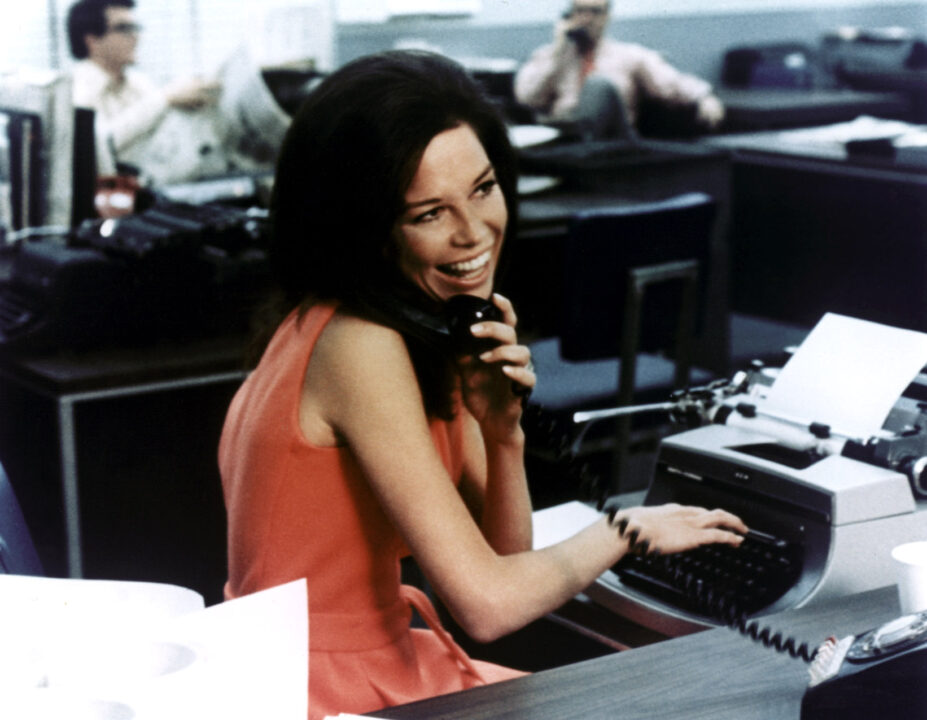
So Burns and Brooks flew back to Los Angeles, and in their CBS Studio Center office, they rebooted the premise. Now Mary Richards would be a single woman recently dumped by the man she supported through med school.
In their proposal for the show, the writers described Mary as “30, single, and female … the antithesis of the career woman [who finds herself] the only female in an all-male newsroom.”
And that premise satisfied all parties. “When Moore read it, she told the producers she loved it enough to take the risks involved,” Armstrong wrote. “‘This is what I wanted to do,’ they recall her saying. ‘I would have loved to have been divorced. But this is great.’”
Where can you watch The Mary Tyler Moore Show?
The series is streaming on Philo, available for purchase on most digital platforms, and airs in reruns regularly on UpTV and Catchy Comedy.
Farewell 2025
January 2026
Celebrate the rich lives of the TV & Movie stars we lost in 2025 along with the music makers that created the soundtrack to our lives.
Buy This Issue