

How Paul Newman’s First Film Nearly Ended His Career Before It Began





What To Know
- Paul Newman considered his film debut in 1954’s The Silver Chalice a personal disaster, even publicly apologizing for it and fearing it would end his acting career.
- Despite Newman’s harsh self-criticism, contemporary reviews were mixed rather than scathing, with critics noting both tedious moments and some commendable action and performances.
- Ironically, Newman’s negative comments about the film increased its television viewership, leading to multiple re-airings despite its lackluster reputation.
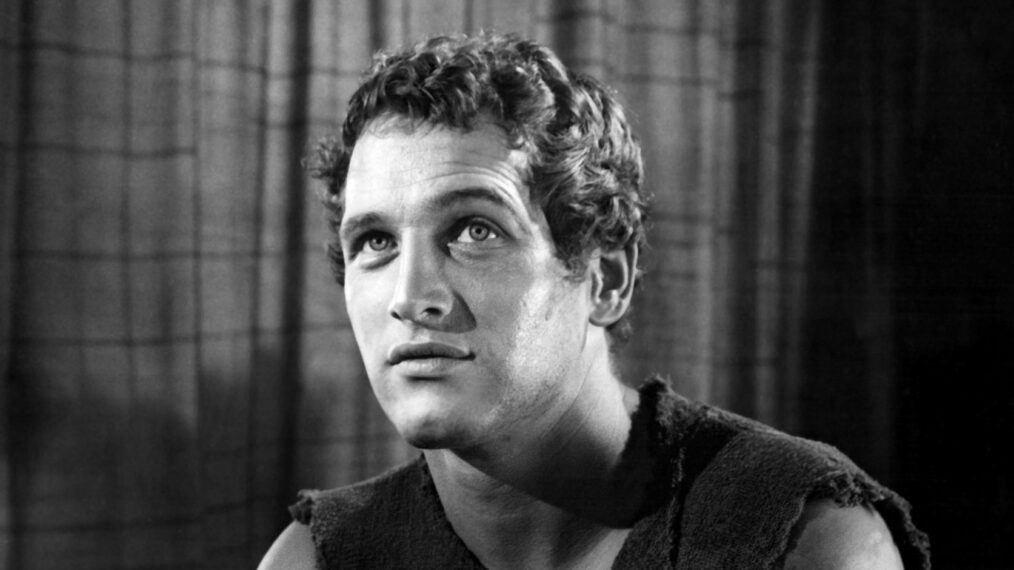
Paul Newman, who would have been 101 on January 26, turned heads in the 1953 Broadway production of the play Picnic. He won a Theatre World Award and, even more importantly, caught the attention of future wife Joanne Woodward, an understudy in the production. But then, the following year, came what Newman considered to be a disastrous film debut for the actor in the historical epic The Silver Chalice. Newman thought it was more than just the worst film he ever made — he believed it to be the worst of the decade, and spoke out against it whenever it was screened publicly. But while fans may have heard about how much Newman hated it, the reviews at the time weren’t quite so harsh.
What is The Silver Chalice about?
Everett Collection
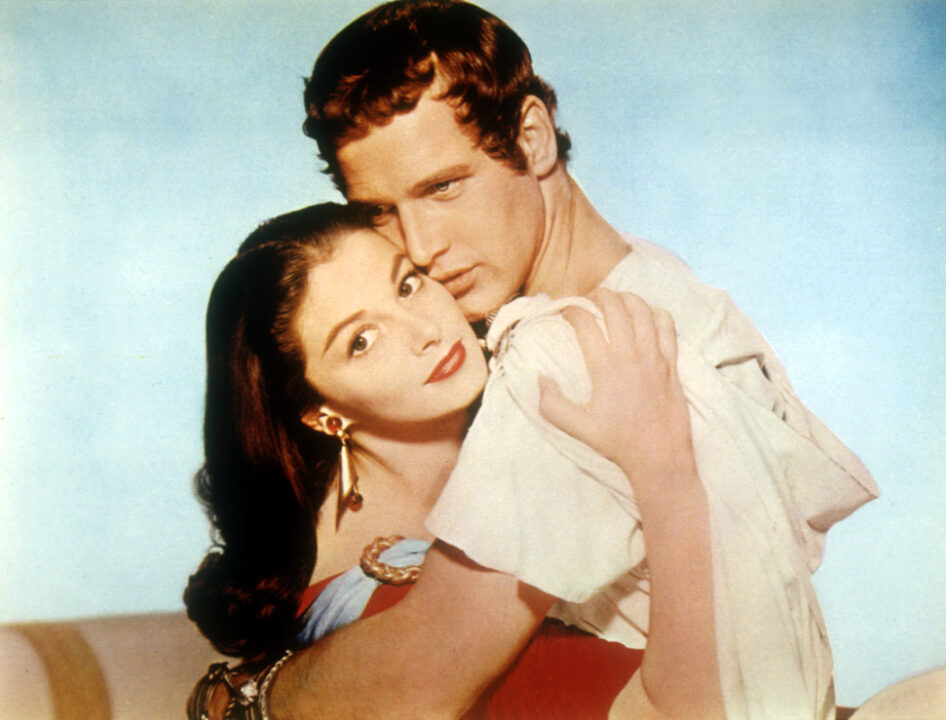
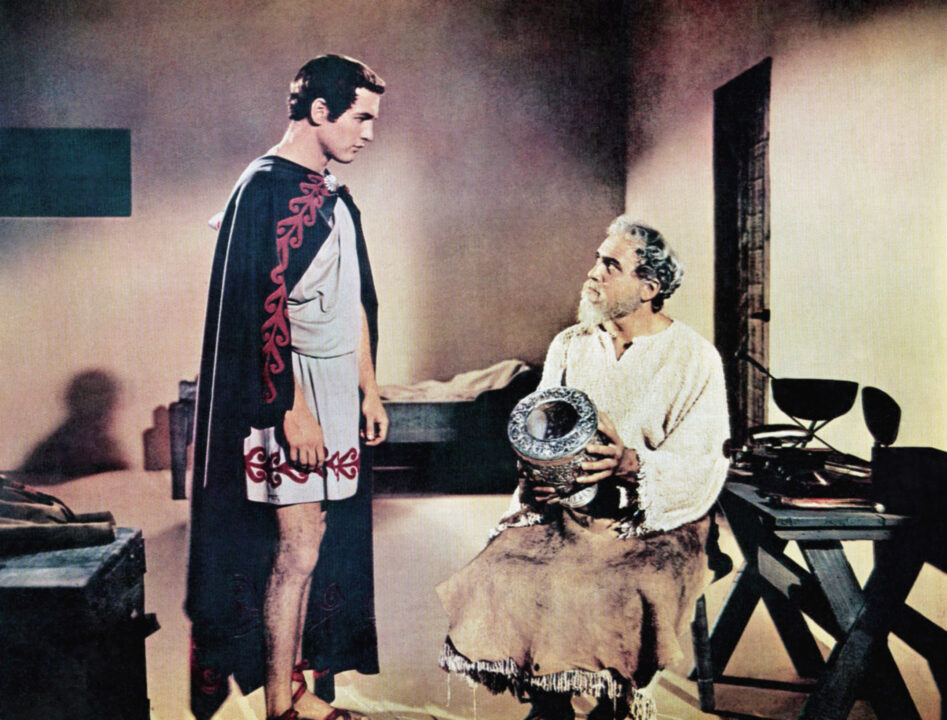
Directed by Victor Saville, scripted by Lesser Samuels, and based on the book of the same name by Thomas B. Costain, the film featured Newman as the sculptor Basil, who’s commissioned to create a chalice from the cup Jesus Christ used at the Last Supper. Pier Angeli, meanwhile, played Deborra, a love interest for Basil; Jack Palance portrayed Simon the Magician, a would-be messiah; and Virginia Mayo got top billing as Helena, Simon’s assistant.
Why did Paul Newman hate The Silver Chalice?
Everett Collection
Newman ended up getting a Golden Globe nomination for Most Promising Newcomer for The Silver Chalice, but in his memoir Paul Newman: A Life, he recalled feeling horrified and traumatized when he watched the picture. “I was sure my acting career had begun and ended with the same picture,” he said, per Far Out Magazine. “It’s kind of a distinction to say I was in the worst film to be made in the entirety of the 1950s.”
In fact, Newman even bought out newspaper ads in 1963 to apologize for The Silver Chalice ahead of airings of the film on TV. He even called it a “sin of youth,” according to El País. But his comments actually got more viewers to tune in when Los Angeles’ KCAL aired the film, so much so that channel execs scheduled four re-runs. But contemporaneous reviews of what’s been deemed “Paul Newman and the Holy Grail” were not so awful, as you’ll see below.
The Los Angeles Times: the film “is colorful at times, rather tedious in other portions.”
Newman could have consoled himself in the opinions of film critics like John L. Scott of the Los Angeles Times, who didn’t outright hate The Silver Chalice. “It is a lengthy production peopled with a multitude of characters; it is colorful at times, rather tedious in other portions,” he wrote.
Scott also said the film boasts “fine” action and romantic sequences, and that the “newcomer from Broadway, Paul Newman … conducts himself well in cinema debut.”
The review continued: “The Silver Chalice has enough occasional excitement to sustain fair interest. … Newman’s battles in Jerusalem, spectacular court sequences, and Palance’s thrilling leap spark the production. Of the feminine principals, Miss Angeli represents gentleness and Virginia Mayo, Simon’s assistant.” (He did add, however, that Mayo wears “some sensational costumes and bizarre makeup” in the film.)
The New York Times: “a cumbersome and sometimes creaking vehicle.”
In a review for The New York Times, A.H. Weiler called The Silver Chalice “a spectacle-filled adventure easily fitted to the lush hues of WarnerColor and the king-sized screen of CinemaScope.” But that’s about where the praise stops. Weiler said the film is big on extravaganza and small on excitement, and he deemed it “a cumbersome and sometimes creaking vehicle that takes too long to reach its go.”
Though Newman “bears a striking resemblance to Marion Brando” in the film, he offers a “hardly outstanding” performance, as he’s “given mainly to thoughtful posing and automatic speech-making,” Weiler added.
“Though it is lavish and sweeping in execution, The Silver Chalice, for all of its august and religious aspects, is not an imposing offering.”
Variety: the movie “is overdrawn and sometimes tedious” but gave faint praise to Newman.
Everett Collection
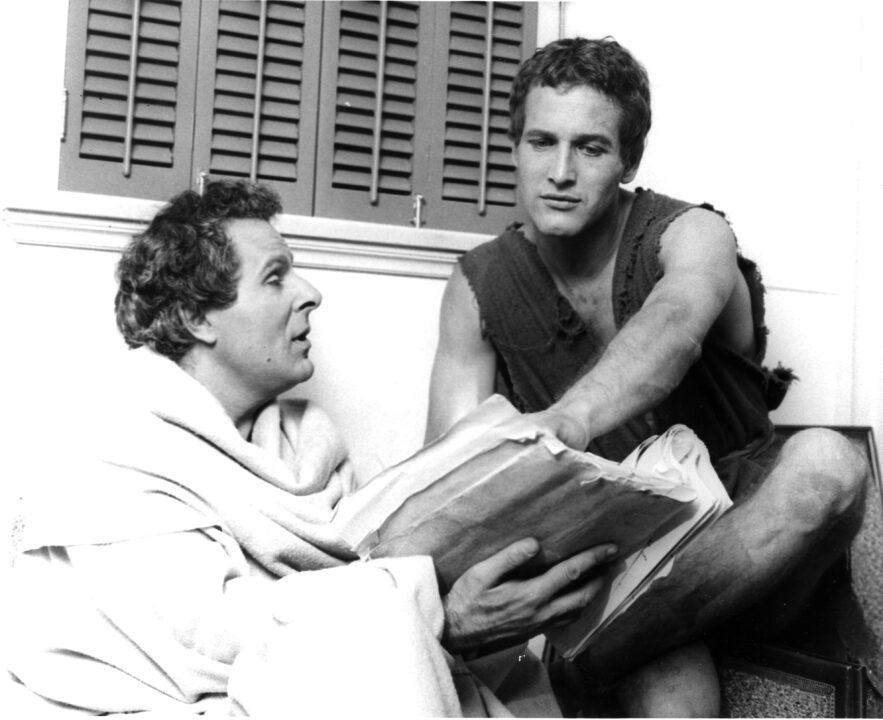
Variety’s lukewarm review of the film was a bit warmer than that of The New York Times. “Like the Thomas B. Costain book, the picture is overdrawn and sometimes tedious, but producer-director Victor Saville still manages to instill interest in what’s going on, and even hits a feeling of excitement occasionally,” an unattributed review for the magazine reads.
And Newman “handles himself well before the cameras,” the review adds. “Helping his pic debut is Pier Angeli, and it is their scenes together that add the warmth to what might otherwise have been a cold spectacle.”
Perhaps that appraisal was cold comfort!