

Why Did Steve Perry Leave Journey?






What To Know
- Steve Perry left Journey in the late 1980s due to emotional burnout, loss of passion for music, and unhealthy coping habits involving drugs and alcohol.
- After leaving, Perry distanced himself from music and processed personal losses, including his mother’s death. Despite a reunion in the ’90s, Journey eventually continued without him following his refusal of hip surgery needed for a reunion tour.
- A relationship with psychologist Kelly Nash inspired Perry to reconnect with music, leading to his return with the solo album Traces in 2018.
Steve Perry turns 77 on January 22, and while he hasn’t been a part of Journey for nearly 30 years after leaving for the second time, his voice will always be inseparable from the band and their greatest hits like “Don’t Stop Believin'” and “Open Arms.” When Perry walked away from the band for the first time in the late ’80s, it stunned fans who had assumed he would keep going until the band’s success ended.
Over the years, rumors swirled, but in his own words, the real reason Perry left Journey was far more personal. In a candid interview later in life with AXS TV, Perry explained, “It was a combination of the passion for music had left me. I could not find the honest passion for singing,” he admitted. He also acknowledged that frustration pushed him toward unhealthy coping habits, saying, “Certainly drugs and drinking were a part of it. Of course. Yeah. I mean that came with the times.”
Why Steve Perry really left Journey
Perry originally left Journey in 1987 after suffering burnout and dealing with the death of his mother, which led to the band’s hiatus. “When you finally get that dream you wanted when you were seven years old and you get it,” he said, “at some point a little bit of a luster starts to wear off if you keep touring and keep turning the same wheel over and over again.”
For Perry, the emotional burnout eventually affected his voice and his overall well-being. The realization became unavoidable. “The feeling just got very clear to me that I need to just stop,” he said. “I didn’t know what I was going to do or where I was going. All I knew is that I can’t keep doing what I’m doing.”
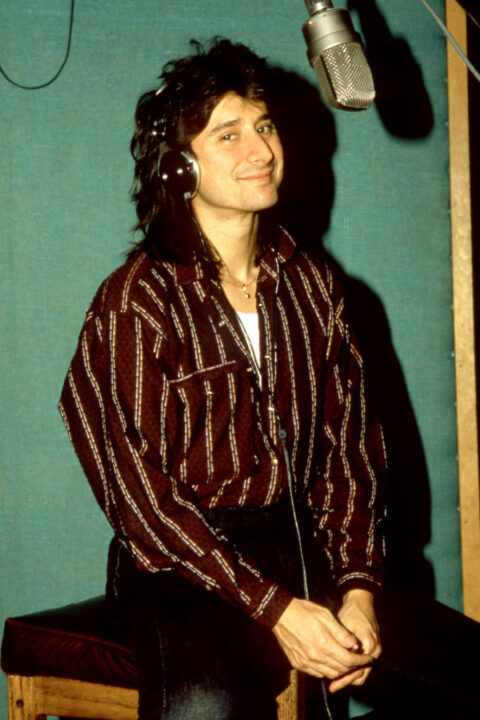
Randy Bachman/Getty Images
After stepping away from the spotlight, Perry bought a Harley-Davidson near his hometown in California and started riding through the Central Valley. Those rides also helped him process deeper losses, including the death of his mother. At the same time, Perry deliberately kept his distance from music altogether. He described the relationship as almost traumatic. “I couldn’t go near music because I had this PTSD thing with music still going on,” he said. “It was very uncomfortable for me and I was afraid that the passion for music would never come back.”
Meanwhile, Journey eventually reunited in the mid-’90s and released Trial by Fire in 1996, which earned strong sales and renewed fan excitement. Plans for a tour were halted when Perry suffered a hiking injury and declined the hip surgery that would have allowed him to tour. The band ultimately chose to move forward with a new lead singer rather than wait indefinitely. It marked the final break between Perry and the touring version of Journey.

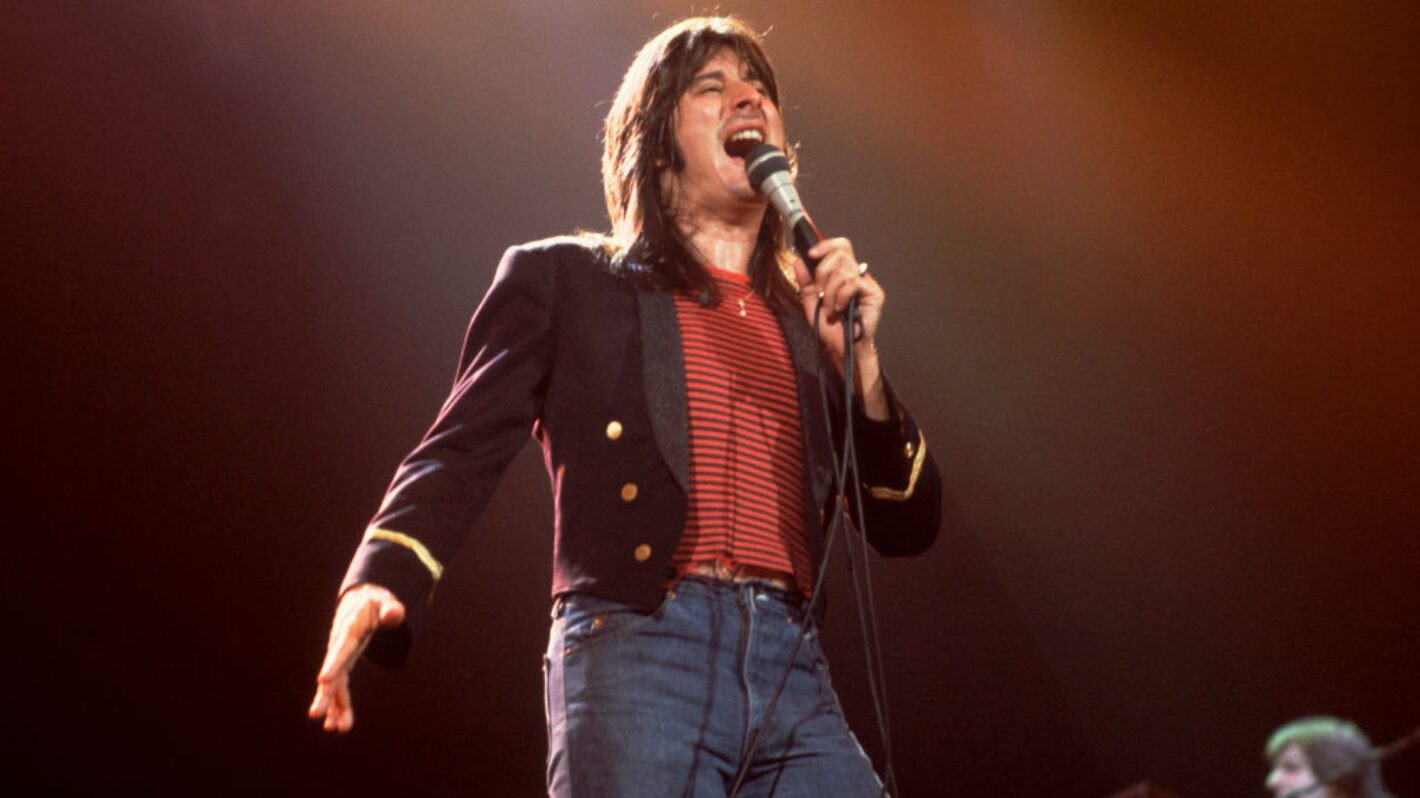
Dimitrios Kambouris/WireImage for Rock and Roll Hall of Fame
A profound personal turning point came later when Perry met psychologist Kelly Nash, a breast cancer survivor he encountered indirectly while watching footage for a documentary project. Perry described the connection as unlike anything he had ever experienced. “I used to tell her, ‘I loved you before I met you. I love you now, and I always will,” he said. Before her death, Nash asked Perry to promise that he would not retreat back into isolation. That promise ultimately helped motivate him to reconnect with music and complete his later solo work, including Traces in 2018.
 Remind
’80s Where Are They Now
March 2023
Who can forget all the great TV shows, movies and music of the ‘80s? See what your favs are up to now!
Buy This Issue