

Did You Know the Grinch Wasn’t Always Green?






What To Know
- The Grinch was originally depicted in black and white, with no specific color assigned to his fur in Dr. Seuss’s book.
- Animator Chuck Jones chose the Grinch’s now-iconic green color for the 1966 TV special, inspired by the color of his rental car.
- This creative decision made green an essential part of the Grinch’s identity, influencing all future adaptations and merchandise.
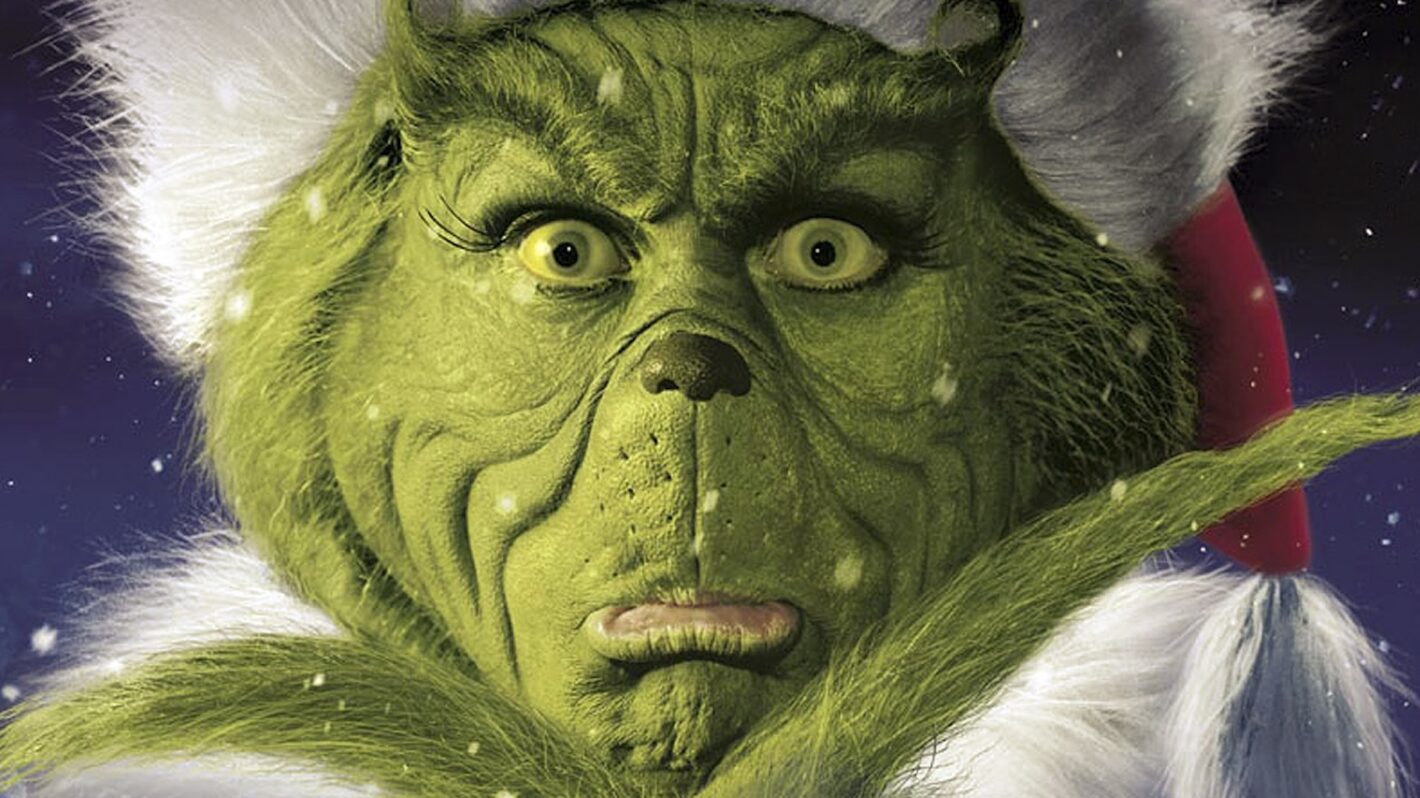
The Grinch’s green fur is one of the most instantly recognizable things about him — it contrasts sharply with his red Santa suit as he commits his dastardly deeds around Whoville, and seems to represent the rotten, greedy spirit of the character. But the Grinch’s coloring actually doesn’t have any deeper meaning — in fact, the beloved Christmas villain was originally drawn in black and white. When it was time to develop his animated special, a color had to be selected for the creature, but animator Chuck Jones chose green for a very unusual reason: it was the color of his rental car.
How the Grinch became green
Why the decision to colorize the Grinch? In Dr. Seuss’ original 1957 book How the Grinch Stole Christmas, the Grinch and his Whoville foes are all rendered in black and white. But once the character moved from page to screen, black and white no longer felt sufficient for a prime-time Christmas broadcast. Jones needed a color that instantly communicated unpleasantness without explanation.
The answer came from an unexpected source. Smithsonian Magazine writes, “Based on the color of Jones’ rental cars, the Grinch was now a sickly green one, and soon would be a mean one, as Seuss took all his rhyming talents to the songs necessary to flesh out the original source material.”

Everett Collection
That irritation turned into inspiration. Jones gave the Grinch that same sickly green hue, a color that felt faintly wrong and a little off-putting to give him that mean vibe. Visually, the green also worked perfectly against the warm reds, whites and soft pastels of Whoville — the Grinch looked like he did not belong there. His color marked him as an outsider before he ever spoke a word. Once the 1966 special aired, that version of the Grinch became definitive.
The character was no longer an abstract figure that readers imagined differently in their heads. He was now very specifically green. Every adaptation that followed, from books to films to merchandise, kept the color intact; it is difficult to picture the Grinch any other way now. Green has become as much a part of his identity as his crooked smile or his undersized heart. What started as a spur-of-the-moment creative decision, inspired by an ugly rental car, ended up shaping one of the most recognizable characters in Christmas history.
 Remind
PUZZLER: Holiday Movies
December 2022
Enjoy hours of fun as you puzzle along to all these holiday classics. The issue is packed with trivia, crosswords, word finds, Sudoku, scrambles, criss crosses and more!
Buy This Issue