

See Rob Reiner & Anthony Geary on ‘All in the Family’ Together Almost 55 Years Before They Died on the Same Day






What To Know
- Rob Reiner and Anthony Geary, both influential figures in entertainment, died on the same day.
- Decades before their careers diverged, Reiner and Geary appeared together in a 1971 episode of All in the Family.
- The episode was groundbreaking for its time and using humor to confront and dismantle societal biases.
Sunday, December 14, marked a devastating day for Hollywood, as the entertainment industry reeled from the loss of not one but two towering legends in a single, heartbreaking span of hours.
Filmmaker, producer, activist, and actor Rob Reiner and his wife, producer Michele Singer Reiner, were both murdered in the Brentwood, California, home on December 14. And thousands of miles away, in Amsterdam, Netherlands, actor Anthony Geary, best known for playing Luke Spencer on General Hospital, died from complications following a scheduled surgery, as confirmed by his husband, Claudio Gama.
CBS
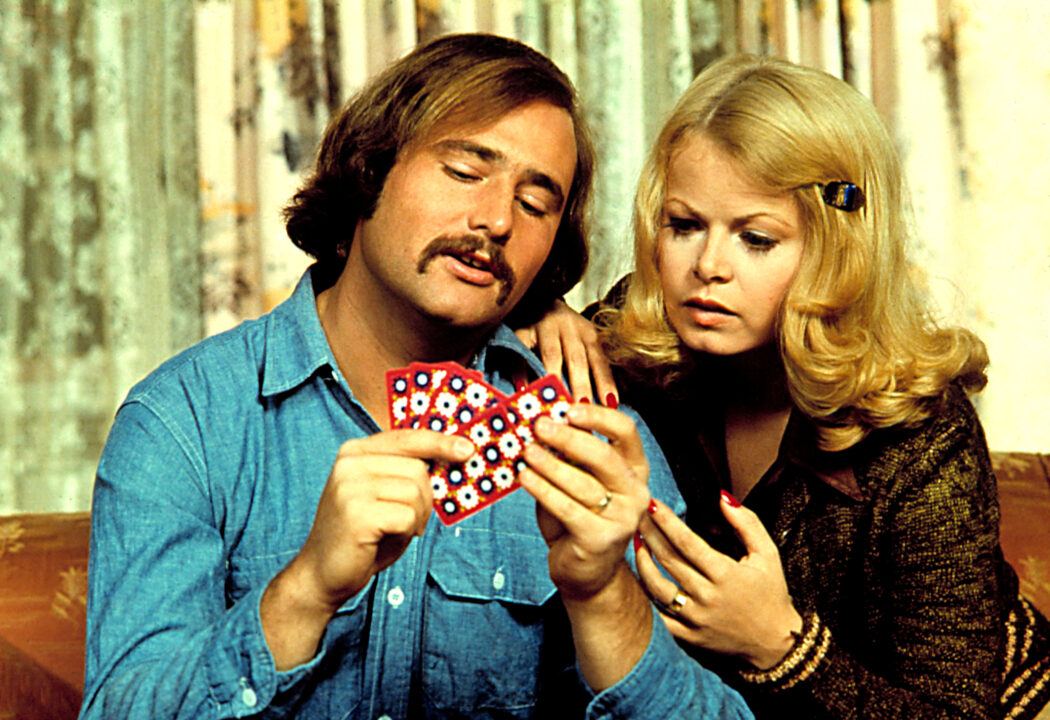
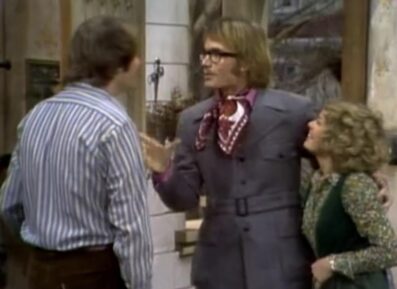
Reiner, of course, became a household name as Mike “Meathead” Stivic, Archie Bunker’s liberal foil, a role that launched him into a celebrated career behind the camera. Geary, still early in his acting journey, appeared in a 1971 episode, “Judging Books by Covers,” as Roger, an offbeat friend of Mike’s whom Archie immediately assumes is gay.
Dressed in an ascot and a blue leisure suit, Roger casually mentions his dislike of watching “pugilism” after Archie invites him to watch a boxing match. The exchange makes quite an impression on Archie, and not a favorable one, prompting a series of snide remarks from television’s most infamous bigot.
But the episode’s sharpest turn comes when Archie, irritated and smugly convinced he has Roger figured out, learns instead that one of his own good buddies, Steve (Phil Carey), is gay. It was a landmark episode as it was considered one of the first times in television that a gay character was mentioned in primetime. And like many episodes of All in the Family, the storyline used broad comedy and discomfort to dismantle prejudice, flipping Archie’s assumptions on their head and forcing both the character and the audience to confront their own biases.
Decades later, the episode remains a striking example of how groundbreaking the series was willing to be, and a rare moment in television history where two future icons briefly crossed paths.
 Remind