

Why ‘A Charlie Brown Christmas’ Almost Wasn’t Made





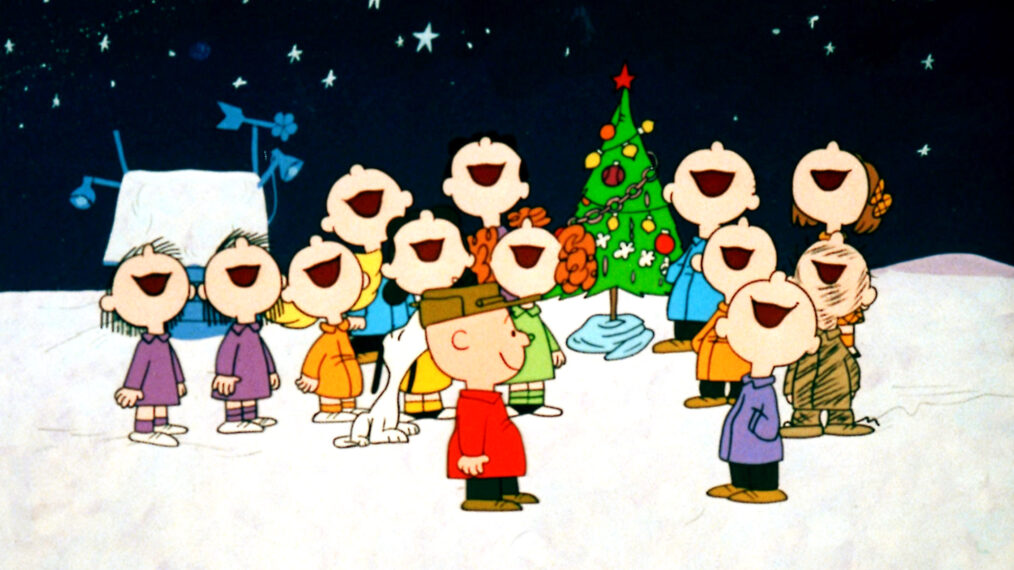
What To Know
- A Charlie Brown Christmas was created under intense time pressure after a last-minute request from Coca-Cola, with the team completing the special just ten days before its premiere.
- The production faced resistance from CBS executives over its lack of a laugh track, use of child voice actors, inclusion of a jazz score, and a prominent Bible reading, but creator Charles Schulz insisted on keeping these elements.
- Despite initial doubts, the special was an immediate success upon airing in 1965, becoming a beloved holiday classic and winning both an Emmy and a Peabody Award.
For so many families, A Charlie Brown Christmas is an essential part of the holidays. This has been true since the special first aired on December 9, 1965, when more than half of all American households tuned in to see the first-ever televised Peanuts adventure.
But getting Charlie Brown, Lucy, Linus and the rest of the gang to the small screen was a struggle. In fact, this classic Christmas special almost never made it to the air — and even after it was made, the network anticipated that the show would be a failure with viewers, due to its jazz score, lack of a laugh track, and use of actual children as actors.
Why did A Charlie Brown Christmas struggle to get made?

It all began with a phone call that Lee Mendelson never expected. Mendelson was a young TV producer who had recently made his first documentary, a film about Willie Mays. Shortly after that film’s release, he picked up a newspaper, and saw a Peanuts comic strip. In that moment, he told Stanford Alumni Magazine in 1997, “What came into my mind was ‘You’ve just done the world’s greatest baseball player, now you should do the world’s worst baseball player, Charlie Brown.'” Mendelson created a documentary about Schultz called Charlie Brown & Charles Schulz, but despite the popularity of the Peanuts strip, no networks were interested in the documentary. Mendelson was still trying to find a network to air it when he got the call from Coca-Cola.
The soda company executive reached out to ask whether Mendelson and Schulz had ever considered doing a Charlie Brown Christmas special. Mendelson told him they had been thinking about it, which was technically not true, and the executive asked for an outline by Monday. It was already Thursday.
“So I call Mr. Schulz and I tell him, ‘I have good news and bad news. The good news is I think I just sold A Charlie Brown Christmas. The bad news is we have to write it tomorrow,'” Mendelson said, according to Newsweek. Schulz brought Mendelson and animator Bill Melendez together, and in a matter of hours, they crafted a rough draft of the story we now know and love. They sent the pitch off to Coca-Cola, heard nothing for several days, and finally were told that Coca-Cola loved it. The catch was that they wanted it ready for early December.
Why the network thought A Charlie Brown Christmas would fail
That short timeline gave Schultz, Mendelson and the team only about six months to write, record, score, animate, and produce a full half-hour special. Seems impossible, right? The special was completed just ten days before its air date, which meant that no one had much time to rethink their choices.
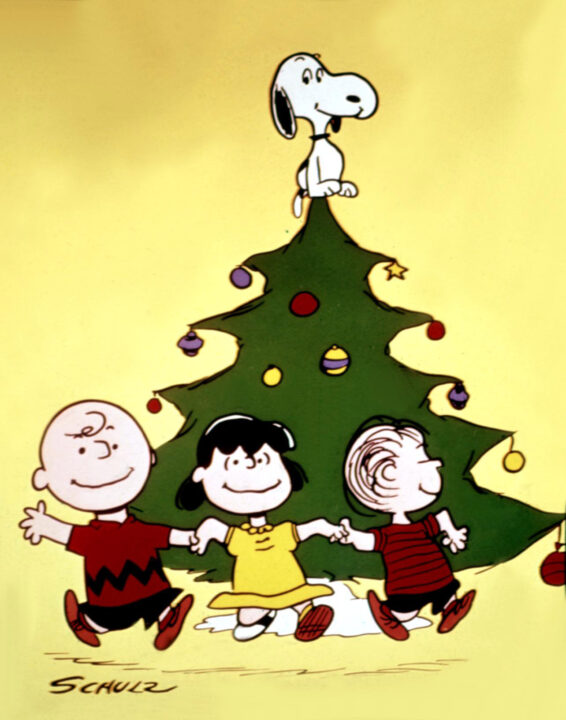
Everett Collection
CBS immediately had concerns. The first was the lack of a laugh track. In the 1960s, it was nearly unheard of for a television comedy to not include one. Schulz insisted audiences did not need to be told when to laugh, so the track stayed out. CBS also wasn’t sure about the decision to hire actual children to voice the characters; they wanted adult actors who could mimic young voices, which was the standard of the time. Schulz pushed back, believing the story would feel more honest with real children.
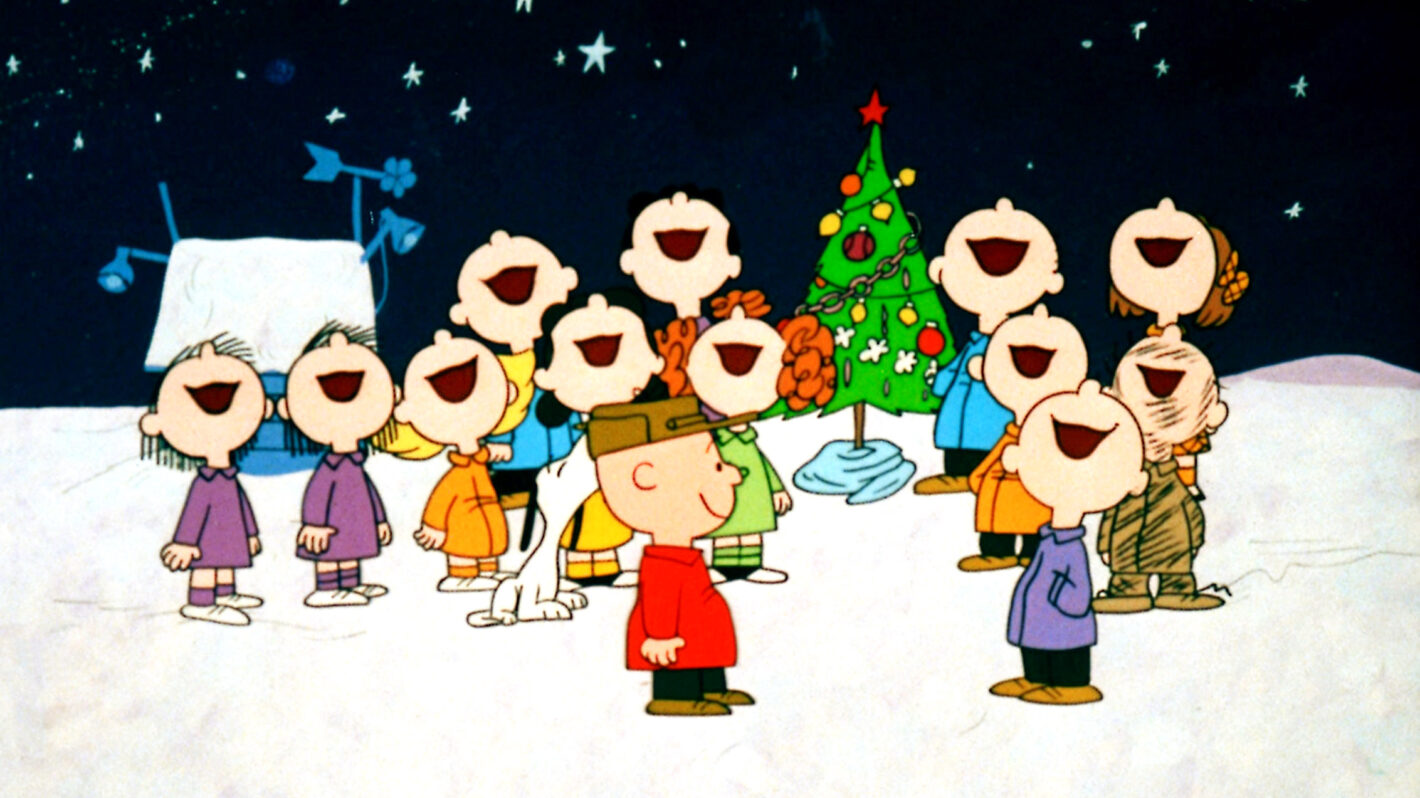
Another sticking point was Vince Guaraldi‘s jazz score. CBS executives felt the music was too sophisticated for a children’s program and worried that it would confuse the mood. The biggest concern, though, was Schulz’s insistence on including Linus’s recital of Luke 2:8-14. To the executives, the Bible reading was too long, too serious, and too overtly religious for a network special. Even some members of the creative team hesitated.
However, Schulz would not budge. He had been a Sunday school teacher, and to him the passage was the heart of the story. And with the airing date set, the animation complete, and Coca-Cola already promoting the program, Schulz had the leverage to hold his ground. CBS eventually agreed to air the special exactly as he intended.
When it premiered, everything the executives feared turned out to be wrong. Families tuned in across the country and immediately loved it. Letters poured in to Coca-Cola from viewers who were moved by the story. The special went on to win both an Emmy and a Peabody, and became a permanent part of holiday television.
 Remind
Home For The Holidays
November 2021
Celebrate the holidays with your favorite classic stars!
Buy This Issue